Nila Kartika Wati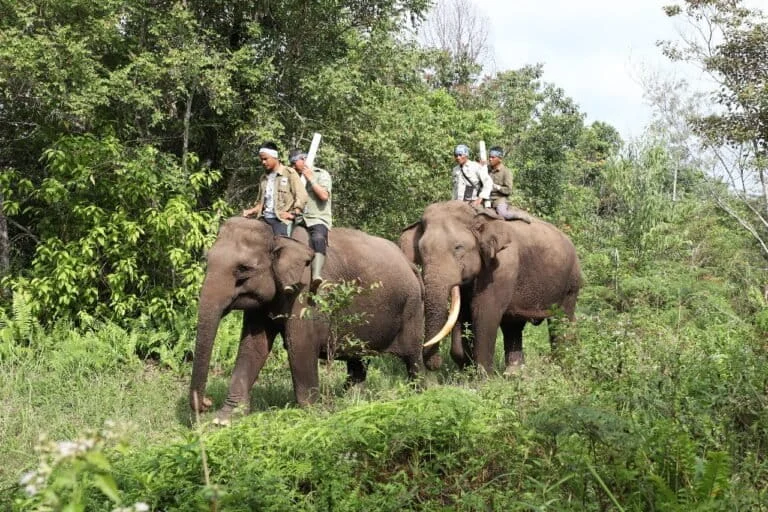
The month of September 2026 has served as a poignant reminder of Indonesia’s vulnerability to shifting climatic patterns, as the prolonged effects of the El Niño phenomenon disrupted seasonal expectations and placed unprecedented pressure on the nation’s ecological and social systems. While the calendar suggested the transition into a wetter phase of the year, the reality on the ground was defined by water scarcity, agricultural adaptation, and intense scrutiny over land-use policies. From the drying riverbeds of the Jabodetabek region to the critical conservation battles in protected forests, the environmental narrative of the month underscored a recurring theme: the urgent need for sustainable resource management in the face of a changing climate.
The El Niño Impact: A Nation in Dry Stasis
Meteorological data throughout September 2026 indicated that the El Niño-Southern Oscillation (ENSO) cycle maintained a firm grip on the Indonesian archipelago. Typically, September marks the onset of the transition period from the dry to the wet season; however, persistent atmospheric anomalies resulted in below-average rainfall across much of the western and central provinces.
This meteorological reality manifested in significant hydrological stress. In the Greater Jakarta area (Jabodetabek), the lack of precipitation triggered a critical reduction in water levels within major river systems, including the Ciliwung and Cipamingkis rivers. Hydrological reports from the Sukamakmur region in Bogor noted that these water bodies, which are vital for both urban water supply and agricultural irrigation, reached their lowest recorded levels in recent years. The drying of the Katulampa Dam—a critical barometer for downstream water security—served as a stark indicator of the broader regional crisis. This water deficit did not merely affect industrial and domestic consumption but exacerbated the risk of wildfires in peatland areas and threatened the productivity of smallholder farms that rely on seasonal rainfall.

Marine Conservation: The Ende Model for Sustainable Fisheries
Amidst the broader climate challenges, the fishing communities of Maurongga in Ende, East Nusa Tenggara, provided a compelling case study in local adaptation and resource management. Facing the dual threat of volatile sea conditions caused by high swells and the depletion of stocks due to overfishing, these artisanal fishers have revitalized traditional "buka-tutup" (open-closed) systems for their octopus fisheries.
The implementation of this rotational harvest strategy—where specific zones are closed to fishing for three-month intervals—is a direct response to the need for biodiversity preservation. According to reports from the field, this managed rest period has allowed octopus populations to reach reproductive maturity, resulting in a documented increase in the average size of the catch. However, the success of this model remains under threat. Local fishers have reported that illegal and destructive fishing practices, such as the use of potassium cyanide and explosive devices, continue to undermine their conservation efforts. Experts suggest that for the "buka-tutup" system to be effective on a larger scale, it must be supported by increased surveillance and legal enforcement to eliminate the shadow economy of destructive marine resource extraction.
Forest Conservation and the Geothermal Dilemma
The ecological health of the Tropical Rainforest Heritage of Sumatra, specifically the Taman Nasional Bukit Barisan Selatan (TNBBS), emerged as a flashpoint for national environmental discourse in September. Investigations into the development of geothermal infrastructure within this UNESCO World Heritage site have raised significant alarms among conservationists and indigenous rights advocates.
The construction of a 16-meter-wide industrial road, extending approximately 10 kilometers into the heart of the conservation zone, has effectively bisected a crucial habitat for endangered species, including the Sumatran tiger and the Sumatran elephant. The project, intended to bolster the national renewable energy portfolio, has sparked a debate regarding the inherent trade-offs between "green energy" development and biodiversity loss.
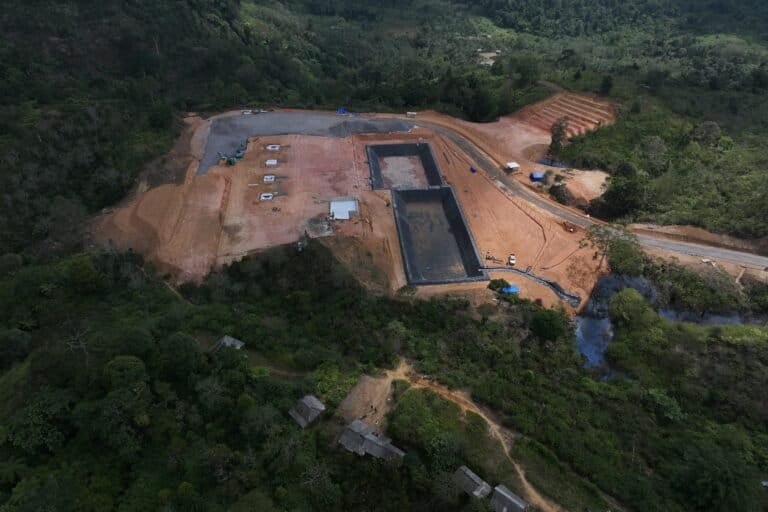
Ecological impact assessments suggest that the fragmentation of such a core habitat can lead to human-wildlife conflict and the degradation of ecosystem services. Organizations tracking the project have indicated that this development is merely the beginning of a broader trend of infrastructure encroachment into protected forests. As of late September, a multi-stakeholder investigation was initiated to evaluate the legality and environmental impact of these road projects, with findings expected to influence policy decisions in the final quarter of 2026.
Bridging the Gap: Education and Wildlife Coexistence
While policy and industrial debates raged in the halls of government, community-led initiatives in Malang focused on long-term cultural shifts regarding wildlife conservation. The Difpala community, in collaboration with Lingkar Sosial and Geopix, launched an educational program for children with disabilities, utilizing storytelling as a medium to impart the importance of habitat protection.
Through the tale of two elephants, Gogo and Gigi, the program contextualized the existential threat facing the species due to deforestation. By framing the forest as the essential "home" for these mammals, the organizers successfully simplified complex ecological concepts for their audience. Beyond the pedagogical value, these sessions are part of a larger, grassroots-driven movement to foster environmental stewardship among marginalized communities. The initiative posits that protecting gajah (elephants) is an inseparable component of protecting the water sources and biodiversity that sustain human livelihoods. This shift from top-down conservation to community-based educational outreach is seen by sociologists as a vital step in reducing long-term human-elephant conflict.
Agricultural Innovation: The Resurgence of Koro Pedang
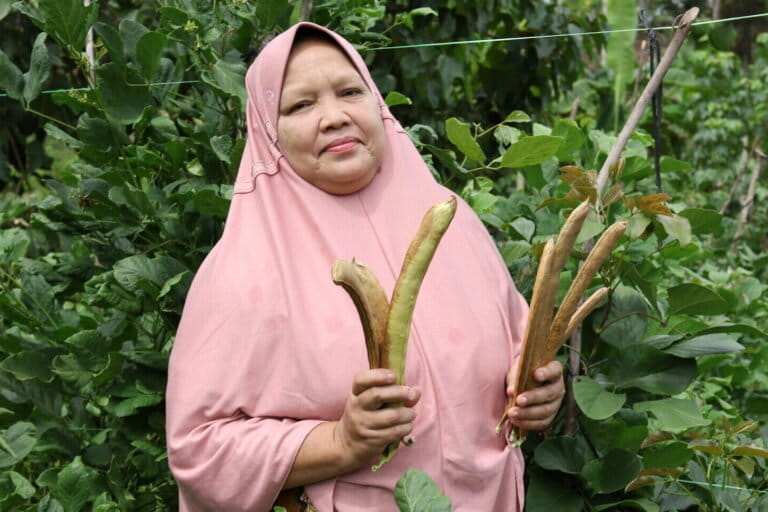
In Aceh, the agricultural sector has begun to pivot toward climate-resilient crops to mitigate the risks posed by the unpredictable dry season. Farmers in Aceh Besar have increasingly adopted the cultivation of Canavalia ensiformis, commonly known as the jack bean or "koro pedang," as a drought-resistant alternative to traditional soybeans.
The decision to favor koro pedang is driven by both ecological and economic factors. Unlike soybeans, which require high water inputs and are susceptible to a wide range of pests, the koro pedang is highly adaptable to semi-arid conditions and poor soil quality. Furthermore, the crop is being utilized to produce tempe, a staple of the Indonesian diet, thereby offering a localized solution to the volatility of soybean prices in the international market.
The impact of this shift is being felt beyond the farm gates. In Alue Naga, Banda Aceh, women-led cooperatives have begun processing the beans into tempe, creating a sustainable income stream that is not dependent on large-scale industrial supply chains. This development reflects a growing trend of "food sovereignty" in Indonesia, where local communities are reclaiming traditional, resilient crop varieties to buffer themselves against global supply chain disruptions and climate-induced agricultural failure.
Concluding Analysis: The Need for Integrated Governance
The events of September 2026 illustrate that environmental issues in Indonesia are deeply interconnected. The dryness of the riverbeds in Java, the encroachment on Sumatran forests, and the innovation of farmers in Aceh are all symptoms of a broader systemic challenge: the management of natural capital in a rapidly warming world.
The reliance on El Niño-driven weather patterns has exposed the fragility of current water management strategies, which remain largely reactive rather than predictive. To build long-term resilience, the following policy interventions are recommended by environmental analysts:
- Integrated Water Resource Management (IWRM): Moving beyond simple flood control to a holistic management of river basins that prioritizes catchment protection.
- Strict Zoning Enforcement: Ensuring that "green energy" projects are not exempted from the stringent regulations that protect high-conservation-value forests.
- Incentivizing Climate-Resilient Agriculture: Providing technical and financial support for smallholder farmers to diversify their crops toward drought-resistant varieties like koro pedang.
- Community Empowerment: Scaling up local conservation models—such as the marine "buka-tutup" system—by integrating them into regional government policy and providing necessary legal backing.
As Indonesia looks toward the coming months, the lessons of September are clear. Whether through the lens of a fisherman in Ende or a farmer in Aceh, the most effective responses to climate change are those that prioritize the preservation of ecosystems while empowering the local communities that depend on them. The challenge for the remainder of 2026 and beyond will be to translate these localized successes into a cohesive, nation-wide strategy that ensures ecological health and economic stability in an increasingly uncertain climate.