
 Nila Kartika Wati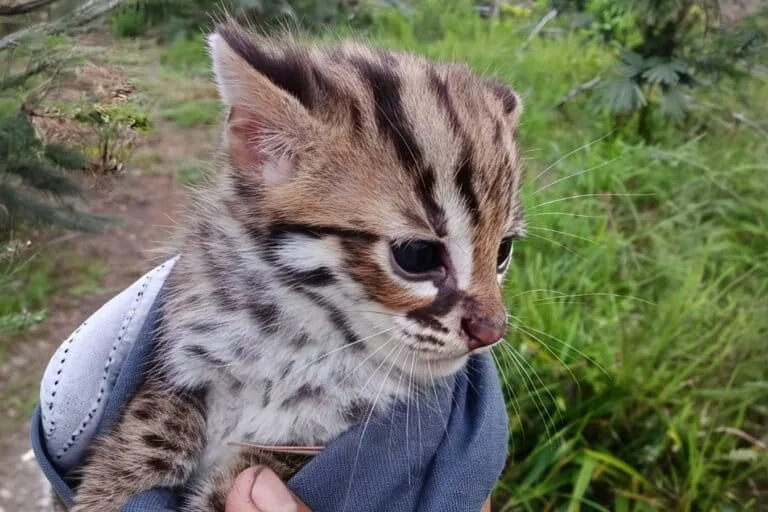
The leopard cat (Prionailurus bengalensis), a small wild feline species native to Asia, currently finds itself in a precarious position as its natural habitat continues to shrink and fragment due to rapid human encroachment. Often found in the periphery of forests, agricultural lands, and areas significantly altered by human development, these elusive creatures are frequently thrust into direct contact with local communities. This proximity, while a testament to the species’ adaptability, has triggered a surge in human-wildlife conflicts. Misunderstandings regarding their behavior, coupled with a lack of public awareness, have led to instances where these animals are erroneously labeled as pests, trapped, or illegally captured for the exotic pet trade, threatening the ecological stability of the regions they inhabit.
A Species in the Shadow of Human Encroachment
The leopard cat is widely distributed across a variety of environments, ranging from dense tropical rainforests to secondary forests and agricultural mosaics. Unlike many other felids, the leopard cat has shown a remarkable ability to persist in human-dominated landscapes. However, this adaptability is a double-edged sword. As human infrastructure expands, the "buffer zones" that traditionally separated wildlife from human settlements have evaporated.
Erwin Wilianto, a prominent conservation practitioner and member of the IUCN-SSC Cat Specialist Group, observes that the primary threat to the leopard cat is not necessarily direct persecution, but a profound lack of public knowledge. "Many of the adverse incidents involving these cats are rooted in simple ignorance," Wilianto states. When a resident encounters a leopard cat in their garden or farm, the immediate reaction is often fear or a misplaced desire to ‘rescue’ or domesticate the animal, failing to recognize that it is a protected wild species with specific biological needs that cannot be met in a domestic setting.
The Hidden Dangers of Agricultural Practices
One of the most insidious threats to the leopard cat is the collateral damage caused by common agricultural management strategies. In rural communities, the use of indiscriminate traps and chemical poisons is a standard approach to mitigating the damage caused by agricultural pests such as rats and squirrels.
The use of snares, which are intended to catch small game, does not discriminate between targets. Leopard cats, which frequently hunt in these same agricultural patches, often fall victim to these traps, suffering severe injuries or death. Furthermore, the use of rodenticides creates a ripple effect throughout the local food web. When rats ingest poison, they become weakened or die, making them easy prey for predators like the leopard cat. Through a process of secondary poisoning, the toxic chemical load is transferred to the predator, often leading to a slow and agonizing death.
Meidi Yanto, Conservation Manager for the In-Situ Program at the Cikananga Wildlife Conservation Foundation, emphasizes that the ecological impact is systemic. "It is not that every instance of rodenticide use will result in the immediate death of a leopard cat, but there is a clear, quantifiable risk to non-target species that must be considered," Yanto explains. Ironically, the presence of leopard cats on farmland serves as a natural pest control mechanism, as they are prolific hunters of rodents. By eliminating these natural predators, farmers may inadvertently exacerbate the very pest problems they are trying to solve.
Misconceptions and the Human Intervention Gap
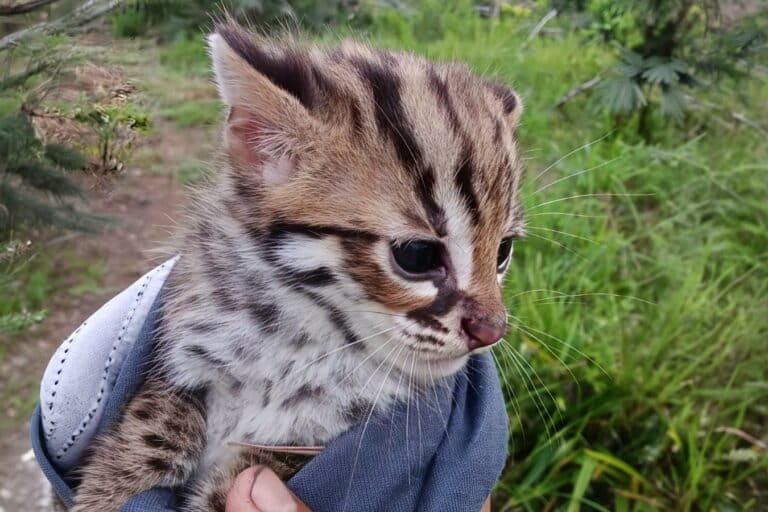
A significant portion of the human-wildlife conflict involving leopard cats stems from the misinterpretation of natural behaviors. It is not uncommon for residents to discover a lone leopard cat kitten and conclude that it has been abandoned by its mother. In many cases, however, the mother is simply foraging nearby. When well-meaning, albeit misguided, citizens remove these kittens from the wild, they effectively ensure that the animal will never be able to survive in its natural habitat, as it misses the critical period of maternal learning and socialization required for wild survival.
The physical resemblance of the leopard cat to domestic house cats further complicates the issue. This visual similarity often leads people to believe that these animals can be tamed or kept as household companions. The reality, however, is that leopard cats are wild animals that retain their natural instincts, which can lead to aggressive behavior as they mature, often resulting in the cat being discarded or neglected by its captors.
When members of the public encounter a leopard cat that appears injured or orphaned, the recommended course of action is not direct intervention. Instead, experts urge the public to contact the nearest office of the Natural Resources Conservation Agency (BKSDA) or local wildlife authorities. These agencies possess the infrastructure and professional expertise necessary to assess the animal’s condition and determine whether it requires medical intervention or can be safely released back into the wild.
The Challenge of Data Deficiency
Despite the known risks, the scientific and conservation community currently faces a significant obstacle: a lack of systematic data. The Cikananga Wildlife Conservation Foundation acknowledges that there is no comprehensive record of how many leopard cats are killed by traps, poisoned by rodenticides, or seized by authorities each year.
"Because we lack centralized and consistent documentation of these events, we cannot accurately define the scale of the problem," Yanto notes. Without this data, conservation organizations find it difficult to lobby for policy changes or to design targeted educational campaigns that address the specific local dynamics of human-leopard cat conflict. The absence of quantitative data makes the leopard cat an ‘invisible’ casualty of human development, where individual incidents are viewed as isolated events rather than a broader conservation crisis.
Towards a Model of Coexistence
To effectively address the plight of the leopard cat, experts argue that the focus must shift from reactive management to a model of coexistence. This approach recognizes that in a landscape where human activities and wildlife habitats overlap, total separation is rarely possible. Instead, the goal is to foster an environment where both parties can safely share space.
Erwin Wilianto advocates for consistent and localized educational initiatives. "Efforts to raise awareness cannot be a one-time event," he asserts. "They must be tailored to the specific context of the communities involved and sustained over time." This includes working with agricultural cooperatives to promote non-toxic pest management strategies and training local stakeholders to identify the difference between an animal in genuine distress and one that is simply behaving naturally.
The fundamental message to the public is one of restraint: when you see a leopard cat, let it be. By allowing these animals to remain in their natural environment and acknowledging their vital role in the ecosystem—specifically as controllers of small mammal populations—communities can significantly reduce the risk of conflict.
Broader Implications for Biodiversity
The leopard cat serves as a sentinel species. Its ability to persist in degraded or fragmented habitats makes it a bellwether for the health of those ecosystems. When the leopard cat population declines, it suggests that the broader ecosystem is losing its ability to support predatory balance, which often leads to an explosion in rodent populations and subsequent crop failures.
Furthermore, the illegal trade of leopard cats, often fueled by their popularity as ‘exotic’ pets, is a major concern for global wildlife trade watchdogs. The legal protection afforded to the species is often undermined by weak enforcement in remote areas. Ensuring the survival of the leopard cat requires a multi-pronged approach: strengthening the legal framework, improving the reporting of incidents, and, most importantly, changing the cultural perception of these animals from a commodity or a nuisance to a necessary component of a functional, healthy landscape.
As Indonesia and other Southeast Asian nations continue to develop, the lessons learned from the interactions with the leopard cat will be crucial. The path forward demands that conservationists, local governments, and the public work in concert to protect the remaining wilderness, ensuring that the leopard cat remains a fixture of the forest, rather than a casualty of the farm. Through education, data collection, and a commitment to coexistence, it is possible to safeguard this small but ecologically significant predator for generations to come.









