
 Nila Kartika Wati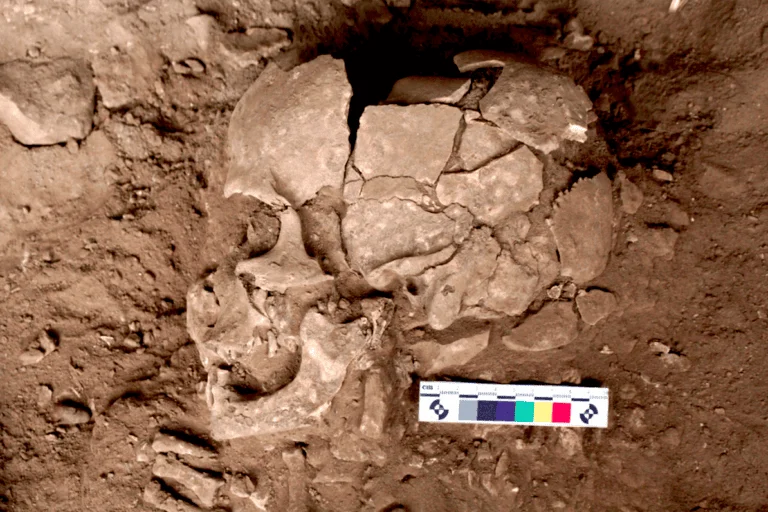
How does one reconstruct the behavioral patterns of populations living tens of thousands of years ago when the organic materials they interacted with have long since decomposed? This perennial challenge in paleoanthropology recently found a compelling solution in the hidden archives of the human body: the teeth. A groundbreaking study conducted by an international consortium of researchers from Australia, the United States, and Indonesia has pushed back the known timeline of betel nut consumption by millennia, revealing that humans in the Indonesian archipelago were engaging with the psychoactive properties of the Areca catechu plant as early as 25,000 years ago.
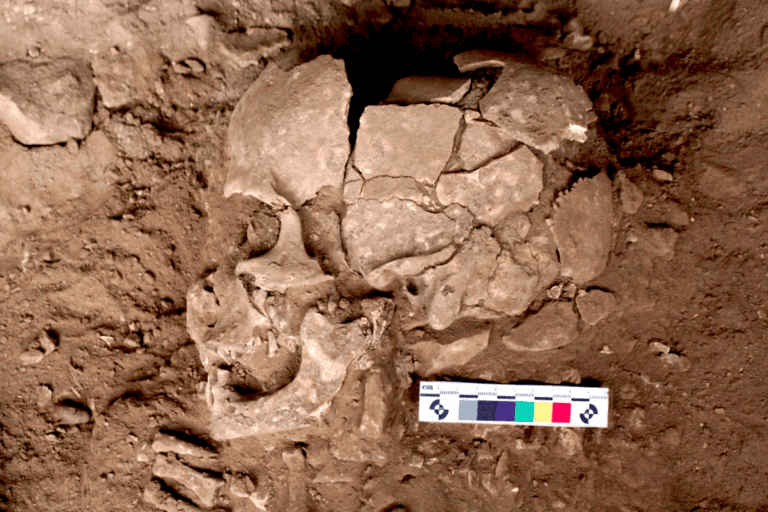
The research, published in the journal Science Advances, provides a transformative look at the dietary and social habits of hunter-gatherer communities in prehistoric Sulawesi. By examining the dental remains of two individuals from the Leang Bulu Bettue and Leang Cappalombo sites, scientists have successfully identified physical and chemical signatures that suggest a long-standing, habitual practice of betel nut consumption that predates the advent of agriculture in the region.
The Methodology of Ancient Forensics
The investigation centered on two distinct skeletal samples. The first individual, recovered from the Leang Bulu Bettue cave, is estimated to have lived between 25,000 and 16,000 years ago. The second individual, from the Leang Cappalombo site, dates to approximately 7,600 to 6,300 years ago. Both individuals belonged to pre-agricultural societies, a detail that significantly alters the current historical understanding of plant domestication and social consumption habits in Southeast Asia.
To ascertain the nature of their dietary habits, researchers utilized a dual-pronged analytical approach. First, they conducted a microscopic examination of the tooth surfaces. Unlike the standard patterns of wear associated with the mastication of abrasive food sources—such as grit-heavy roots or fibrous vegetation—these teeth exhibited highly specific, circular grooves and abnormal wear patterns. The morphology of these markings indicates that the individuals were not merely chewing the nuts as part of a meal, but were repeatedly placing whole, unrefined betel fruits in their mouths and holding them there for extended periods.
To validate this physical evidence, the team performed a chemical analysis of the dental calculus—the hardened plaque that forms on teeth over time. They sought traces of arecoline, a primary alkaloid and psychoactive component of the betel nut. The results were conclusive: the chemical markers of arecoline were present in the dental samples from both sites, providing an irrefutable link between the observed physical dental erosion and the pharmacological consumption of the plant.
Redefining the Timeline of Human Habits
Prior to this study, the prevailing archaeological consensus suggested that the practice of chewing betel nut—often combined with slaked lime and piper betel leaves—emerged in the region roughly 3,500 years ago, coinciding with the spread of Austronesian-speaking populations who practiced sedentary farming.
The findings from Sulawesi shift this timeline by over 20,000 years. According to Adam Brumm, a lead researcher on the project and a professor at Griffith University, the discovery of these ancient individuals suggests that the practice of interacting with the betel nut was deeply entrenched in the lifestyles of the region’s earliest human inhabitants. "We found rare fossilized remains of two pre-agricultural hunter-gatherers in Sulawesi, Indonesia," the research team noted. "Both suffered from dental abnormalities that were revealed to be caused by a practice previously unknown as the precursor to the modern betel-chewing habit: the routine sucking of whole betel nuts."
This chronological shift is significant because it demonstrates that the utilization of psychoactive plants was a sophisticated, deliberate behavior that existed long before the complex social rituals associated with the "sirih-pinang" (betel quid) tradition became standardized across Southeast Asia.
Contextualizing the Prehistoric Consumption Pattern
It is crucial to differentiate the behavior of these prehistoric hunter-gatherers from the modern, widespread tradition of chewing betel quid. In contemporary Southeast Asian cultures, the consumption of betel involves a complex preparation: the nut is sliced and wrapped in a betel leaf (piper betel) with a smear of calcium hydroxide, or slaked lime. This chemical combination is designed to activate the alkaloids in the nut, facilitating absorption through the oral mucosa.
The evidence from the Sulawesi fossils suggests that the prehistoric method was significantly more primitive. There is no evidence that these early humans were using slaked lime or leaves to enhance the psychoactive effects. Instead, they were consuming the whole fruit. The motivation behind this behavior remains a subject of intense academic inquiry. Researchers hypothesize several potential drivers:
- Pharmacological Stimulation: The arecoline in the nut acts as a stimulant, potentially increasing alertness, boosting heart rate, and suppressing hunger—all of which would be advantageous for nomadic hunter-gatherers.
- Medicinal Use: It is possible that the nut was utilized as a traditional analgesic to manage chronic pain or as a mild sedative.
- Oral Health: Some theories suggest that early humans may have identified the antiseptic properties of the nut, which can help in managing oral hygiene and combating parasites.
Implications for Evolutionary Anthropology
The implications of this discovery extend beyond mere dietary history. The ability to identify these habits through dental analysis opens a new window into the cognitive and social evolution of early humans. The systematic use of a substance known to alter consciousness suggests a high degree of cultural awareness and a desire to manage physical and psychological states.
Furthermore, this discovery challenges the "agricultural bias" in archaeology, which often assumes that significant cultural advancements—such as complex dietary rituals—are tied to the shift toward farming and sedentary life. The Sulawesi data proves that complex, habitual, and potentially social behaviors regarding plant consumption were already established among mobile foraging populations.
Expert Reactions and Future Research Directions
While the findings are robust, the scientific community emphasizes the need for further exploration. The scarcity of well-preserved human remains from the late Pleistocene and early Holocene in the tropics makes this discovery particularly valuable. Researchers are now looking toward other sites in the Wallacea region to determine if this practice was widespread or localized to specific communities in Sulawesi.
The collaboration between Griffith University, the Indonesian National Research and Innovation Agency (BRIN), and other international partners underscores the importance of interdisciplinary cooperation in interpreting human history. By combining advanced chemical mass spectrometry with classic bioarchaeology, the team has managed to bridge a 25,000-year gap in the human record.
As the study continues to gain attention, it serves as a reminder that our ancestors were not merely passive consumers of their environment. They were active experimenters who, thousands of years ago, were already identifying, processing, and integrating the complex botanical chemistry of their surroundings into their daily lives. The story of the betel nut in Sulawesi is, ultimately, a story about the resilience and curiosity of the human species, recorded in the very enamel of the teeth that allowed them to survive and thrive in the deep past.
A Note on the Scientific Significance
The identification of arecoline in the dental calculus of these individuals is a triumph of modern analytical techniques. Dental calculus acts as a "time capsule," trapping food particles, proteins, and chemical compounds that are otherwise lost to the acidic soils of tropical regions. This technique is expected to become the gold standard for future studies aiming to reconstruct the diets of ancient populations in areas where traditional organic remains, such as botanical waste, simply do not survive.
This study not only re-writes the history of a specific plant but also provides a blueprint for how researchers can continue to "read" the teeth of our ancestors to uncover the hidden chapters of human civilization. The journey of the betel nut, from the caves of Sulawesi to the modern-day markets of Southeast Asia, remains a testament to the enduring continuity of human tradition and the profound impact of plant-human interactions over millennia.









