
 Nila Kartika Wati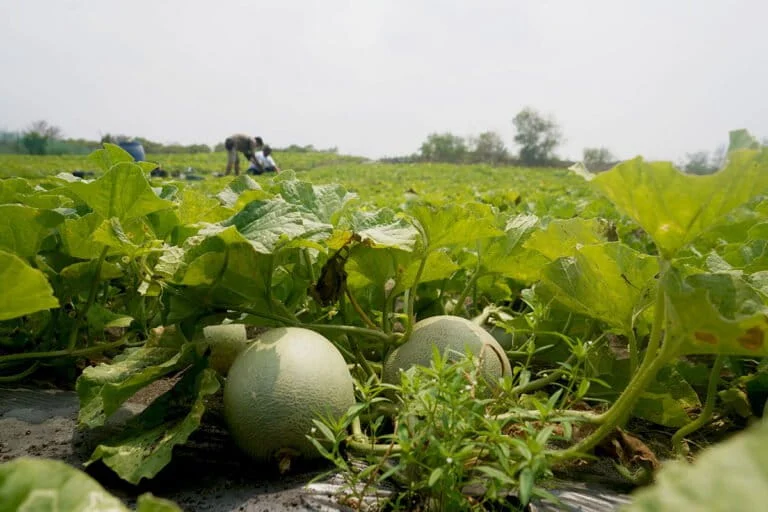
The coastal landscape of Lembupurwo Village in the Kebumen Regency of Central Java has undergone a remarkable ecological and economic metamorphosis over the past two decades, driven by the strategic implementation of a large-scale coastal afforestation project centered on the Casuarina equisetifolia, commonly known as the sea pine or cemara laut. Once a barren stretch of coastline characterized by intense heat, wind-blown sand erosion, and high salinity that rendered agriculture nearly impossible, the area now thrives as a productive agricultural hub. By establishing a robust 70-hectare green belt, local farmers have successfully reclaimed their land, effectively mitigating the harsh environmental stressors that previously decimated local crops and hindered the livelihoods of the coastal community.
The Genesis of the Lembupurwo Green Belt
The initiative began in 2008, when local farmers, recognizing the rapid degradation of their land and the increasing frequency of crop failures, formed the Cemara Lembupurwo Forest Farmers Group. Led by Munadi, the group embarked on an ambitious mission to create a biological barrier against the sea. The project currently covers 70 hectares of coastal territory, with 50 hectares dedicated to the resilient sea pine and an additional 20 hectares devoted to mangrove ecosystems.
Before this intervention, the coastal zone was essentially an inhospitable wasteland for traditional farming. The absence of vegetation allowed strong, salt-laden winds to travel unimpeded from the Indian Ocean, stripping topsoil and depositing massive amounts of sand onto fertile fields. The salinity levels were particularly damaging to vegetation; even hardy crops like coconut trees suffered, while sensitive horticultural plants faced immediate desiccation and death. For the residents of Lembupurwo, the transformation was not merely a matter of environmental conservation, but a fundamental necessity for economic survival.
Ecological Mechanics: How Casuarina equisetifolia Protects Agriculture
The success of the Lembupurwo model relies on the specific botanical characteristics of the Casuarina equisetifolia. As an evergreen tree capable of thriving in saline, nutrient-poor, and sandy soils, the sea pine acts as a multi-functional windbreak. Scientific research, including studies conducted by environmental researcher Beny Harjadi in 2017, underscores the efficacy of these trees in modifying microclimates.
The canopy density of the sea pine is sufficient to reduce direct solar radiation reaching the ground by up to 88 percent. This significant reduction in light intensity creates a cool, shaded understory that stabilizes soil moisture and prevents the rapid evaporation that typically plagues sandy coastal soils. Furthermore, the trees act as a physical filter for the air; they trap airborne salt spray and wind-blown sand particles, which then settle at the base of the trees rather than burying the agricultural crops located further inland. By reducing wind velocity, the green belt also minimizes mechanical damage to the delicate stems and leaves of vegetable crops, providing a sheltered environment where agricultural production can flourish.
A Chronology of Agricultural Recovery
The shift from subsistence failure to commercial viability did not happen overnight. The following timeline illustrates the progression of the Lembupurwo project:
- 2008: Formation of the Forest Farmers Group and the commencement of the initial planting phase.
- 2008–2012: Early-stage growth, focus on tree establishment and survival rates; limited agricultural expansion.
- 2013–2017: Stabilization of the coastal front; reduction in wind-blown sand deposits, enabling the first successful trials of inland horticultural crops.
- 2017: Academic verification of environmental changes under the canopy, proving the reduction of heat and wind velocity.
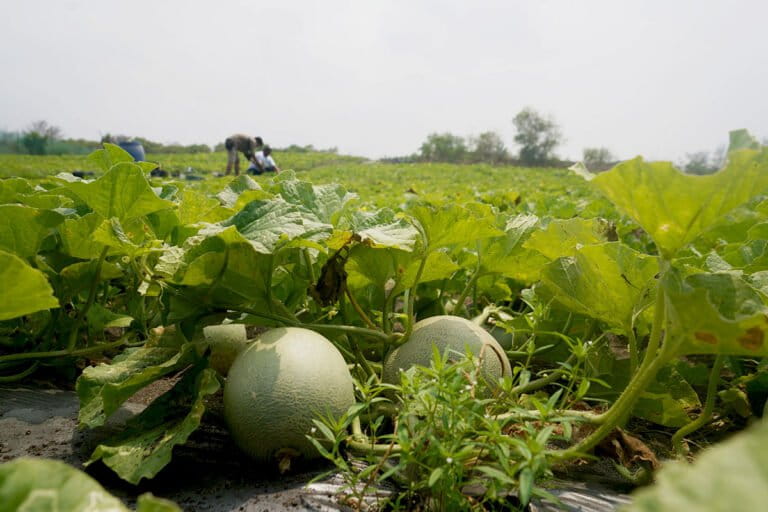
- 2018–Present: Scaling of agricultural activities, including the cultivation of high-value crops such as melons, chili, eggplant, and papaya.
Socio-Economic Implications and Farmer Testimonials
The restoration of the coastal ecosystem has directly empowered local farmers like Marsono Utomo and Tumijo. Marsono, who currently manages a one-hectare melon farm, reflects on the drastic change in the local agricultural landscape. "Years ago, we would never have dared to plant melons here," he explains. "The sea air and the salt spray were simply too harsh for the leaves. Now, with the windbreak in place, we can expect harvests of up to 10 tons under optimal conditions."
Similarly, Tumijo, who cultivates papaya on a 5,000-square-meter plot, reports yields of up to two tons during peak production periods. These figures represent a significant shift from a region that once struggled to sustain even basic subsistence farming. However, the farmers are quick to note that while the trees have mitigated the primary environmental threats, agriculture remains a demanding profession. The success of these crops is still heavily dependent on diligent maintenance, effective irrigation systems—particularly during the dry season—and the volatility of market prices.
Broader Context: The Role of Coastal Green Belts in Indonesia
The success story of Lembupurwo is not an isolated incident, but a compelling case study for integrated coastal zone management in Indonesia. With a vast coastline susceptible to climate change, rising sea levels, and increased storm intensity, the model of planting sea pines and mangroves serves as a sustainable, low-cost engineering solution.
Coastal forests provide a suite of ecosystem services that go beyond agricultural protection. They contribute to:
- Abrasion Mitigation: The root systems of coastal vegetation help stabilize the shoreline, slowing the rate at which the sea encroaches on land.
- Carbon Sequestration: Like all forest cover, these zones act as carbon sinks, contributing to national climate change mitigation goals.
- Biodiversity Preservation: The transition zone between the sea and the farmland creates a habitat for various species, supporting local biodiversity.
Challenges and Future Outlook
Despite the clear benefits, the long-term sustainability of the Lembupurwo project faces several challenges. Climate change remains an unpredictable variable; rising global temperatures can intensify the severity of droughts, increasing the demand for irrigation in an area where fresh water can be scarce. Additionally, the economic stability of the farming community is linked to the broader national agricultural market. As the population in the region grows, pressure on land use may increase, potentially threatening the integrity of the forest buffer.
The local government and the Forest Farmers Group are aware that the project requires ongoing stewardship. The maintenance of the trees is a permanent commitment; the green belt must be replanted and managed to ensure that gaps do not form in the windbreak. Experts suggest that integrating more diverse native species into the existing sea pine framework could further strengthen the ecosystem’s resilience against potential pests and diseases that often target monoculture plantations.
Conclusion
The transformation of the coast of Lembupurwo stands as a testament to the power of community-led environmental stewardship. By recognizing the critical role of nature-based solutions, the farmers of Kebumen have successfully reversed the degradation of their land, turning a hostile coastal environment into a bastion of agricultural productivity. As Indonesia continues to grapple with the impacts of climate change, the success of the Lembupurwo green belt offers a viable, scalable, and highly effective roadmap for coastal communities across the archipelago. The project proves that with foresight, labor, and a deep understanding of local ecology, it is possible to harmonize the needs of human development with the imperatives of environmental restoration. Through the simple act of planting trees, the people of Lembupurwo have effectively secured their future, proving that the most effective defenses against nature’s harshness are often those built from nature itself.









