Chalifah Fatihah
As the Islamic calendar approaches the hallowed days of Eid al-Adha, Muslim communities worldwide begin the solemn and significant ritual of selecting animals for sacrifice. This sacred tradition, deeply rooted in faith and community spirit, requires careful consideration beyond mere cost and weight. Adherence to specific Islamic guidelines, known as syariat, is paramount to ensure the sacrifice is accepted and its spiritual purpose fulfilled. This comprehensive guide delves into the critical aspects of choosing a suitable sacrificial animal, drawing from Islamic jurisprudence and practical considerations, to assist individuals in fulfilling this profound act of worship.
Understanding the Significance of Eid al-Adha and the Sacrifice
Eid al-Adha, often referred to as the Festival of Sacrifice, commemorates the willingness of Prophet Ibrahim (Abraham) to sacrifice his son as an act of obedience to God. The divine intervention that spared his son and provided a ram in his place forms the foundation of this annual observance. For Muslims who are financially able, the sacrifice is a highly recommended act, signifying devotion, gratitude, and a commitment to sharing blessings with the less fortunate. The meat of the sacrificed animal is traditionally divided into three parts: one for the family, one for relatives and friends, and one for the poor and needy, thus fostering a strong sense of social solidarity.
The selection of the sacrificial animal is not merely a transactional purchase but a spiritual undertaking. Islamic scholars have long deliberated on the precise criteria that render an animal acceptable for qurban (sacrifice). These criteria are designed to ensure the act is performed with sincerity, respect for the animal, and in accordance with divine commandments. Failing to meet these requirements, even unintentionally, can render the sacrifice invalid in the eyes of religious law.
Key Criteria for a Valid Sacrificial Animal
The selection process involves a meticulous evaluation of the animal’s health, species, physical condition, gender, and age. Each of these aspects carries specific weight within Islamic jurisprudence.
1. Health: A Foundation of Purity
The primary requirement for any sacrificial animal is that it must be healthy and free from discernible diseases or ailments. This principle stems from the broader Islamic emphasis on purity and wholesomeness in acts of worship. A sick or diseased animal is considered impure and therefore unsuitable for an offering made to God.
Indicators of a Healthy Animal:
- Vigilant Observation: Buyers should closely observe the animal’s general demeanor and physical characteristics. Signs of good health include bright and clear eyes, a clean and dry nose, and a healthy coat of fur or hair.
- Mobility and Activity: A healthy animal will typically be active and move with agility. Lethargy, weakness, or difficulty in movement can indicate underlying health issues.
- Appetite and Digestion: Animals that exhibit a good appetite and normal eating habits are generally healthy. Conversely, a lack of interest in food or signs of digestive distress, such as diarrhea, are red flags.
- Absence of Visible Wounds or Lesions: The animal’s skin should be free from significant wounds, sores, or unusual growths. Any open wounds or persistent skin conditions can be indicative of illness.
- Oral and Nasal Health: Check the animal’s mouth for any signs of sores, excessive salivation, or unnatural tongue protrusion. Similarly, the nose should be clear and free from discharge.
- Reproductive Health (for males): In males, the testes should be present and appear normal, without swelling or any signs of abnormality.
The absence of specific diseases that could render the meat unfit for consumption or pose a risk to public health is also a critical consideration, often overseen by local veterinary authorities.
2. Species: Adherence to Stipulated Livestock
Islamic law specifically designates certain types of domesticated livestock as permissible for sacrifice. These are commonly referred to as al-an’am (livestock). The most widely accepted species for qurban include:
- Camels: A traditional and often larger option for communal sacrifices.
- Cattle (Cows and Bulls): Popular choices, especially for larger families or groups, as they can be shared among multiple individuals.
- Buffaloes: Similar to cattle in terms of suitability and communal sharing.
- Goats: A common and accessible option for individual or smaller family sacrifices.
- Sheep (and Lambs): Particularly favored for their size and tenderness, often considered a more traditional choice for individual sacrifices.
Prohibited Species:
The majority of Islamic scholars agree that other animals, even if domesticated, are not permissible for sacrifice under normal circumstances. This includes animals like horses, donkeys, mules, and various wild game such as deer or wild oxen. The reasoning behind this restriction often relates to the established tradition and the specific categories of animals historically recognized for this ritual.
3. Absence of Defects: Upholding Perfection in Offering
A sacrificial animal must be free from significant physical defects that could compromise its value or the integrity of the sacrifice. These defects are categorized to ensure the offering is as perfect as possible.
Key Physical Defects to Avoid:
- Blindness: An animal that is blind in one or both eyes is not permissible. The vision is considered a vital sense, and its absence represents a significant deficiency.
- Lameness: An animal that is clearly lame and unable to walk normally to pasture or market is disqualified. The inability to move freely indicates a serious physical impairment.
- Extreme Thinness or Emaciation: While animals should not be overly fat, they should also not be so emaciated that their bones are prominently visible. A healthy, well-nourished animal is preferred.
- Missing or Severely Damaged Limbs: Any animal with a missing limb or a limb that is severely broken or non-functional is disqualified.
- Damaged or Missing Horns: If an animal’s horns are naturally small or have not yet grown, it is generally acceptable. However, if the horns are broken off or have significant damage, it may render the animal unsuitable.
- Damaged or Missing Ears: Similar to horns, if the ears are severely torn, missing, or have undergone significant mutilation, the animal may not be permissible.
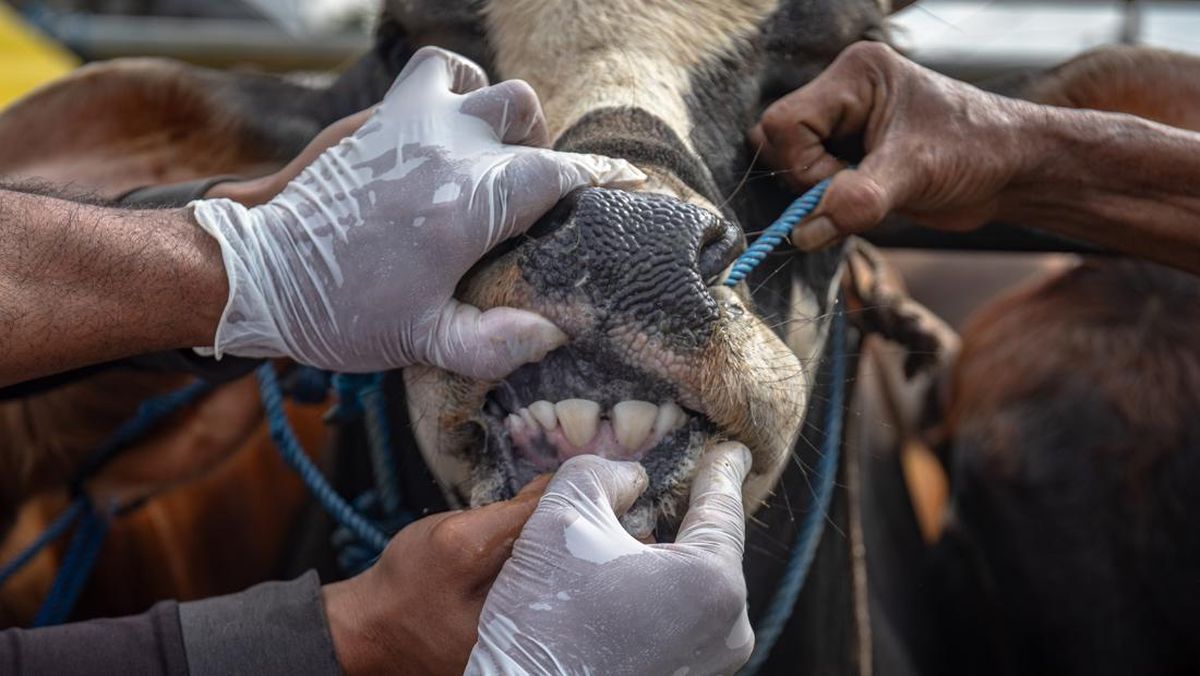
- Dental Issues: While minor tooth loss may not always invalidate a sacrifice, an animal with a significant lack of teeth that impairs its ability to eat is generally considered defective.
The rationale behind avoiding these defects is to present the best possible offering to God, reflecting a sincere effort to honor the divine command.
4. Gender: Preference for Males
While the sacrifice is permissible with both male and female animals, there is a general preference for male animals. This preference is often linked to the perception that male animals are typically stronger and more robust. However, female animals that meet all other criteria are still valid for sacrifice.
Prohibitions Regarding Pregnant or Nursing Animals:
Crucially, animals that are pregnant or nursing their young are explicitly prohibited from being sacrificed. This prohibition is rooted in compassion and the recognition of the animal’s responsibility to its offspring. Sacrificing such an animal would be considered an act of cruelty and neglect.
5. Age: Maturity and Full Development
Ensuring the animal has reached a suitable age is another critical requirement. This signifies maturity and that the animal has reached a point where it can be considered fully developed for sacrifice. The specific age requirements vary by species:
- Camels: A minimum age of five years is generally required.
- Cattle (Cows, Bulls, Buffaloes): A minimum age of two years.
- Goats: A minimum age of one year.
- Sheep (Lambs): A minimum age of six months. While one year is often preferred, a six-month-old sheep (especially if it appears to be of a size comparable to a one-year-old) is often deemed acceptable, particularly if it has developed its permanent incisors.
Verifying Age:
The most reliable method for verifying age is through veterinary records or by observing the animal’s dentition. The presence of fully developed permanent incisor teeth is a common indicator of maturity for many species. Sellers are expected to provide accurate information regarding the animal’s age.
Practical Considerations for Purchasing
Beyond the religious stipulations, practical aspects play a significant role in the selection and purchase process.
- Reputable Sources: It is advisable to purchase animals from reputable breeders, livestock markets, or trusted vendors who can provide assurance about the animal’s health and age.
- Veterinary Inspection: For larger purchases or when in doubt, consulting with a veterinarian to inspect the animal before purchase can be a wise investment.
- Price and Value: While price should not be the primary determinant, it is a practical consideration. Prices can fluctuate based on the animal’s breed, weight, age, and current market conditions. Comparing prices from different vendors can help ensure fair value.
- Transport and Handling: Consider how the animal will be transported and handled after purchase to minimize stress and ensure its well-being.
The Timeline of the Sacrifice
The ritual of sacrifice typically begins after the Eid al-Adha prayer on the first day of Eid and continues for the following two or three days, depending on the specific Islamic tradition followed. This period allows ample time for the community to organize and perform the sacrifices. Early selection of animals is often recommended to avoid last-minute rushes and ensure the best choices are available.
Broader Impact and Community Spirit
The act of sacrifice during Eid al-Adha transcends individual worship. It is a powerful demonstration of communal solidarity, generosity, and shared responsibility. The distribution of meat ensures that even those facing economic hardship can partake in the blessings of this festival. The process of selecting and sacrificing animals often brings families and neighbors together, reinforcing social bonds and a collective sense of purpose.
In regions where livestock farming is a significant part of the economy, the demand for sacrificial animals during Eid al-Adha can provide a crucial economic boost to farmers and traders. This seasonal surge in demand highlights the economic and social interconnectedness of the tradition.
Conclusion
Selecting a sacrificial animal for Eid al-Adha is a multifaceted undertaking that requires a deep understanding of religious requirements and practical considerations. By diligently adhering to the guidelines of health, species, physical condition, gender, and age, Muslims can ensure their sacrifice is performed in accordance with Islamic law, thereby fulfilling this sacred act of worship with sincerity and devotion. This meticulous approach not only honors the divine command but also embodies the spirit of compassion, generosity, and community that defines the profound significance of Eid al-Adha.