Nasution Nanang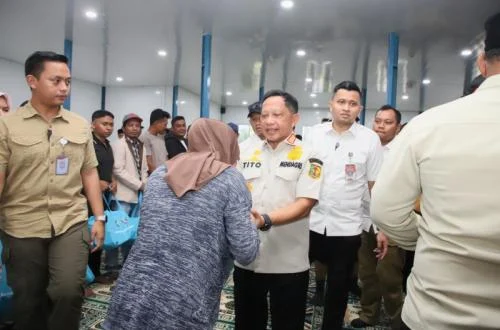
JAKARTA, Indonesia – In a significant step towards comprehensive post-disaster recovery, the presence of well-constructed temporary shelters (huntara) in Tunyang Village, Timang Gajah District, Bener Meriah Regency, Aceh, has brought a palpable sense of relief and renewed hope to survivors. This positive transformation was underscored by Muhammad Tito Karnavian, the Minister of Home Affairs and concurrently the Head of the Task Force for the Acceleration of Post-Disaster Rehabilitation and Reconstruction in Sumatra, during his visit on Friday, April 24. Minister Karnavian noted a stark contrast in the emotional state of the community, observing smiles where two months prior there had been tears, a testament to the effectiveness of the immediate humanitarian response and the strategic provision of adequate transitional housing.
The newly established temporary shelters in Tunyang are more than just rudimentary structures; they represent a holistic approach to recovery, meticulously designed to offer a semblance of normalcy and dignity to those displaced. Each shelter complex is equipped with essential public facilities, including robust sanitation systems, dedicated children’s play areas, sports facilities, a communal hall, and a mosque. These amenities collectively aim to foster a stable and supportive environment, allowing survivors to gradually rebuild their lives while awaiting the construction of permanent housing solutions. Minister Karnavian lauded the orderly and comprehensive nature of these facilities, stating, "These shelters are extraordinary, very neat, and the faces of the community look vastly different from two months ago when we first arrived. Back then, they were crying; now, they are smiling."
Background and Chronology of the Bener Meriah Disaster
Aceh, situated on the northern tip of Sumatra, Indonesia, is inherently vulnerable to a range of natural disasters due to its geographical location within the Pacific Ring of Fire and its tropical monsoon climate. Hydrometeorological events, such as flash floods and landslides, are particularly prevalent. The disaster that struck Bener Meriah Regency, specifically impacting areas like Timang Gajah District, occurred in mid-February 2020. Heavy, incessant rainfall over several days led to widespread flooding and numerous landslides, particularly in hilly and riverside areas.
The initial impact was devastating. Homes were swept away or buried, agricultural lands — the primary source of livelihood for many residents — were inundated, and critical infrastructure, including roads and bridges, suffered extensive damage. The human toll was also significant, with reports of casualties and numerous individuals displaced. The story of Kartini, a survivor who lost her husband in the torrents, tragically illustrates the profound personal losses experienced by the community. The immediate aftermath saw emergency response teams, including local disaster management agencies (BPBD), military (TNI), police (Polri), and volunteers, scrambling to evacuate survivors, provide first aid, and distribute emergency supplies. The central government, recognizing the severity of the situation, swiftly mobilized resources and established the Task Force for the Acceleration of Post-Disaster Rehabilitation and Reconstruction, with Minister Tito Karnavian at its helm, to ensure a coordinated and effective long-term recovery effort.
Government’s Comprehensive Aid and Rehabilitation Strategy
Beyond the immediate provision of temporary shelters, the government, through Minister Karnavian’s task force, has outlined a multi-faceted aid package designed to support survivors through various stages of recovery. These financial and material assistance programs are crucial for ensuring the continued well-being and economic stability of the affected population as they transition from emergency relief to long-term reconstruction.
Key aid components announced include:
- Jaminan Hidup (Jadup) – Living Allowance: Survivors will receive Rp15,000 per person per day for a period of three months. For a family of four, this translates to approximately Rp1.8 million per month, providing essential funds for daily necessities such as food, personal hygiene items, and other basic needs. This allowance is critical in preventing immediate financial hardship and allows families to focus on recovery without the added burden of seeking immediate income in a disrupted economy.
- Bantuan Isi Hunian – Housing Contents Assistance: Each affected household will receive Rp3 million to help furnish their temporary or future permanent homes. This assistance acknowledges that many survivors lost all their household possessions and aims to help them acquire basic furniture, kitchenware, and other necessities to re-establish a comfortable living environment.
- Bantuan Ekonomi – Economic Assistance: A significant sum of Rp5 million per head of household will be provided to help families restart their economic activities. This could involve purchasing new agricultural tools, livestock, or materials for small businesses, thereby facilitating the restoration of livelihoods and contributing to the local economy’s revitalization. This is particularly vital in rural areas where agriculture and small-scale trade are dominant.
Minister Karnavian emphasized that these aid packages are designed to bridge the gap between the initial disaster response and the eventual completion of permanent housing (huntap). The objective is to ensure that survivors not only have a roof over their heads but also the means to sustain themselves and begin rebuilding their economic independence during this critical transitional phase.
Transitioning to Permanent Housing: Challenges and Solutions
The ultimate goal of the rehabilitation effort is to provide survivors with safe, resilient, and permanent homes. Minister Karnavian has urged the Bener Meriah Regency Government to expedite the crucial process of data collection and validation for recipients of permanent housing. This step is paramount to ensure that aid reaches those most in need and that the reconstruction process is fair and transparent.
Two primary models for permanent housing construction are being considered:
- Huntap In-Situ: This model involves rebuilding homes on the survivors’ original land plots. It is often preferred by communities as it allows them to retain their ancestral land and social ties. However, this option is only viable if the original land is deemed safe from future hazards, such as landslides or floods. Geological surveys and risk assessments are therefore critical.
- Huntap Komunal: In cases where original land plots are deemed unsafe or where consolidating land for efficiency is preferable, communal housing projects are undertaken. These involve constructing new settlements in safer, designated areas. This model often includes integrated community facilities, such as schools, health clinics, and markets, designed to foster a new, resilient community. Challenges associated with communal housing include land acquisition, community relocation logistics, and ensuring that new locations are culturally and economically suitable for the displaced population.
The process of constructing permanent housing is complex and often time-consuming, involving multiple stages from planning and site preparation to actual construction and infrastructure development. The acceleration of data validation by the local government is a crucial prerequisite for moving forward efficiently with either model, underscoring the need for seamless coordination between central and regional authorities.
Survivor Perspectives: A Journey from Despair to Hope
The human element of the disaster and recovery effort is perhaps best encapsulated by the story of Kartini, a survivor from Tunyang Village. During her meeting with Minister Karnavian at the temporary shelter, Kartini expressed profound gratitude, recalling her initial encounter with the Minister two months prior, shortly after losing her husband to the hydrometeorological disaster. "At that time, I shared my story, and Pak Tito knew I had lost my husband. He promised that temporary shelters would be built soon," Kartini recounted, her voice filled with emotion.
Her memory served as a powerful reminder of the immediate impact of the disaster and the government’s commitment. Now, with the temporary shelters providing a safe haven for her and her two children, Kartini’s situation has significantly improved. She extended her heartfelt thanks to Minister Karnavian for remembering their previous meeting and for fulfilling his promise. Her words highlight the importance of not just material aid but also empathy, presence, and accountability from government leaders in times of crisis. Kartini also voiced a common aspiration among survivors: the urgent hope for permanent housing, which would allow her to truly rebuild her life and secure a more stable future for her children. Her narrative is a microcosm of the wider community’s journey, embodying the resilience of the human spirit in the face of adversity and the critical role of timely and effective governmental intervention.
Broader Implications and Future Outlook
The experience in Bener Meriah offers valuable insights into effective disaster response and long-term recovery strategies in Indonesia. The integrated approach, combining emergency relief, temporary housing, financial aid, and a clear pathway to permanent solutions, serves as a model for future disaster management efforts.
- Strengthening Disaster Preparedness: While rapid response is crucial, the recurring nature of hydrometeorological disasters in Aceh and across Indonesia underscores the need for robust, proactive disaster risk reduction (DRR) measures. This includes investing in early warning systems, implementing stricter land-use planning to prevent construction in high-risk areas, and promoting community-based disaster preparedness education.
- Inter-Agency Coordination: The success observed in Tunyang Village highlights the effectiveness of strong coordination between various levels of government – central, provincial, and regency – as well as with non-governmental organizations and local communities. The Task Force led by Minister Karnavian exemplifies how a dedicated, high-level body can streamline efforts and accelerate recovery processes.
- Economic Revitalization: The provision of economic assistance is critical not just for individual households but for the broader regional economy. By empowering survivors to restart their livelihoods, the government is investing in the long-term economic resilience of Bener Meriah. This can help prevent prolonged economic stagnation and out-migration.
- Building Resilient Communities: Beyond physical reconstruction, the focus must also be on rebuilding social cohesion and psychological well-being. Facilities like communal halls and mosques within the temporary shelters contribute to this, fostering a sense of community and providing spaces for collective healing and support. The transition to permanent housing, particularly communal models, must also prioritize the creation of sustainable, resilient communities with access to essential services and economic opportunities.
The journey for the survivors of Bener Meriah is far from over, but the progress in Tunyang Village, championed by Minister Tito Karnavian and supported by comprehensive government programs, marks a significant milestone. It demonstrates that with coordinated effort, compassionate leadership, and strategic resource allocation, communities can move beyond the immediate trauma of disaster towards a future of stability, dignity, and renewed hope. The smiles on the faces of the survivors are not just an indicator of temporary relief but a powerful symbol of recovery taking root.