Azin Asro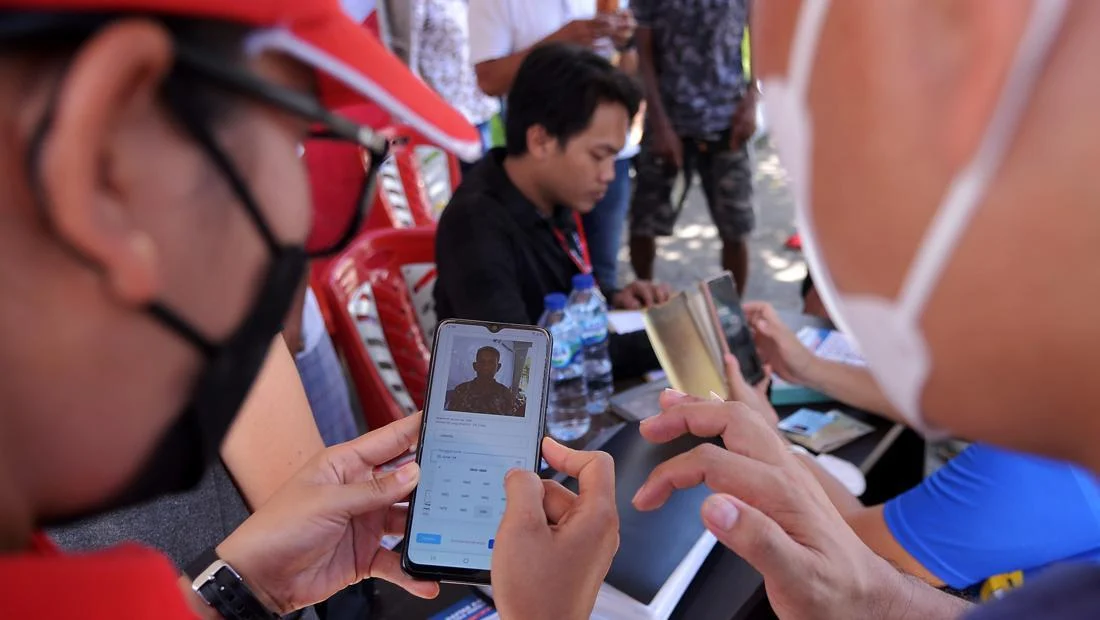
The Indonesian state-owned energy company, PT Pertamina (Persero), through its sub-holding Pertamina Patra Niaga, has recently initiated a comprehensive data synchronization and verification phase for its "Subsidi Tepat" program. This move comes in response to numerous reports from vehicle owners regarding the sudden disappearance or deactivation of their MyPertamina QR codes, which are essential for purchasing subsidized fuels such as Solar (biosolar) and Pertalite. According to official statements from the company, this technical adjustment is part of a broader effort to ensure that the distribution of subsidized fuel remains targeted toward eligible citizens and to prevent the misuse of government-funded resources.
For many motorists, the sudden loss of access to their QR codes has caused significant concern, particularly for logistics operators and public transport drivers who rely heavily on subsidized Solar. Pertamina has clarified that users whose data has been removed or whose barcodes have disappeared are required to undergo a re-registration process. This process involves a rigorous verification of vehicle documents and personal identification to ensure that the data held in the MyPertamina system aligns perfectly with the national vehicle registry.
Understanding the Verification Timeline and Re-registration Process
The re-registration process is conducted primarily through the official website at subsiditepat.mypertamina.id or via the MyPertamina mobile application. Once a user submits their information—which includes photos of the vehicle’s STNK (Vehicle Registration Certificate), the vehicle itself showing the license plate, and the owner’s KTP (National Identity Card)—Pertamina’s verification team begins a matching process.
According to Pertamina’s official social media channels and customer service guidelines, the data matching process takes a maximum of 14 working days. It is important to note that this 14-day window does not include Saturdays, Sundays, or national holidays. While the official timeline is set at two weeks, Pertamina has indicated that the process may be completed faster depending on the volume of applications and the clarity of the documents submitted. During this period, users are advised to monitor their registration status through the portal to see if their application has been accepted, rejected, or requires additional documentation.
The system is designed with specific rules regarding account management. A single MyPertamina account can be used to manage multiple vehicles, which is particularly useful for families or small business owners with more than one registered unit. However, each individual vehicle is assigned only one unique QR code. The system recognizes the most recently issued QR code as the valid one; if a user generates a new code due to a reset or update, the previous version becomes obsolete immediately.
The Strategic Objective of Targeted Subsidies
The recent "data cleansing" and synchronization effort is rooted in the Indonesian government’s long-term strategy to reform fuel subsidies. For decades, fuel subsidies have been a significant burden on the State Budget (APBN). Historically, these subsidies were commodity-based, meaning anyone could purchase subsidized fuel regardless of their economic status. This led to significant "leakage," where high-income individuals and unauthorized industries consumed fuel intended for the poor and small-scale businesses.
By transitioning to a "person-based" or "vehicle-based" digital tracking system through MyPertamina, the government aims to create a closed-loop distribution system. The current data update is intended to purge the system of outdated entries, duplicate registrations, and vehicles that do not meet the criteria for subsidized fuel according to Presidential Regulation (Perpres) Number 191 of 2014. This regulation specifies which types of vehicles and consumers are entitled to subsidized Solar and Pertalite, though updates to these categories are frequently discussed in legislative sessions.
Chronology of the MyPertamina Digital Implementation
The journey toward mandatory QR code usage for subsidized fuel began in earnest in mid-2022. Pertamina initially launched the "Subsidi Tepat" registration in several pilot cities to test the infrastructure and public readiness. By late 2022 and early 2023, the requirement for QR codes was expanded to cover most of the Indonesian archipelago, particularly for Solar users.
In early 2024, the focus shifted toward Pertalite, the most widely used gasoline variant in Indonesia. As the government sought to tighten the belt on the 2024 fiscal budget, the urgency to finalize a clean database of eligible users intensified. The current wave of "disappearing barcodes" reported by users in mid-2024 marks a critical phase where the system is being cross-referenced with the Korlantas Polri (National Police Traffic Corps) database to ensure that the registered vehicles are still active and that the engine specifications (CC) comply with the proposed new regulations.
Supporting Data: The Economic Weight of Fuel Subsidies
The necessity of the MyPertamina system is underscored by the sheer scale of government spending. In the 2023 fiscal year, the government allocated hundreds of trillions of rupiah for energy subsidies and compensation. While the global price of crude oil fluctuates, the fixed price of Pertalite and Solar in the domestic market often requires the government to cover the price gap, which can reach several thousand rupiah per liter.
Data from Pertamina Patra Niaga indicates that millions of vehicles have already been registered in the Subsidi Tepat system. However, discrepancies still exist. For instance, some registered vehicles have been sold to new owners without the digital profile being updated, or commercial vehicles have been registered as private ones to circumvent quota limits. The current data synchronization is expected to reduce the volume of subsidized fuel consumption by eliminating these unauthorized users, potentially saving the state trillions of rupiah annually.
Official Responses and Troubleshooting Guidelines
Pertamina 135, the company’s dedicated customer service arm, has been active in addressing consumer frustrations. They emphasize that the QR code is a private digital asset. "The QR code is personal, and its confidentiality must be maintained to prevent misuse by irresponsible parties," a representative stated in a recent advisory.
For users who have successfully verified their data but encounter errors at the gas station (SPBU)—such as a "Fuel Type Not Suitable" message—Pertamina suggests a specific troubleshooting protocol. Users should log in to the Subsidi Tepat website and select the "Reset QR Code" option. This can be done once per day. If resetting the code does not resolve the issue, the final recommendation is to delete the vehicle data entirely from the profile and perform a fresh registration. This "hard reset" ensures that any corrupted data strings in the backend are cleared.
Broader Implications and Fact-Based Analysis
The implementation of such a massive digital verification system in a country as geographically and technologically diverse as Indonesia presents significant challenges. While urban centers have high smartphone penetration and stable internet, rural areas and remote islands may face difficulties. To mitigate this, Pertamina has established physical registration booths at various SPBUs to assist those who are not tech-savvy or lack internet access.
From an economic perspective, the success of this data synchronization will determine the government’s ability to maintain price stability. If the "Subsidi Tepat" program successfully narrows the user base to only those who truly need it, the government may be able to avoid a general price hike for subsidized fuel, which would otherwise trigger inflation across the food and services sectors.
Furthermore, this digital transition serves as a precursor to more sophisticated energy policies. By having a verified database of millions of motorists, the government can eventually tailor social assistance programs or energy transitions (such as incentives for electric vehicles) more effectively. However, the immediate priority remains the integrity of the data. The current 14-day verification period, while perceived as a delay by some, is a necessary security measure to prevent the system from being flooded with fraudulent entries.
As Pertamina continues to refine the MyPertamina ecosystem, motorists are urged to ensure that their digital documents are up to date and that they keep a digital or physical copy of their QR code for seamless transactions. The company has reaffirmed its commitment to providing support through its call center and social media platforms to ensure that no eligible citizen is left without access to subsidized fuel due to technical glitches.