Eko Sulistyo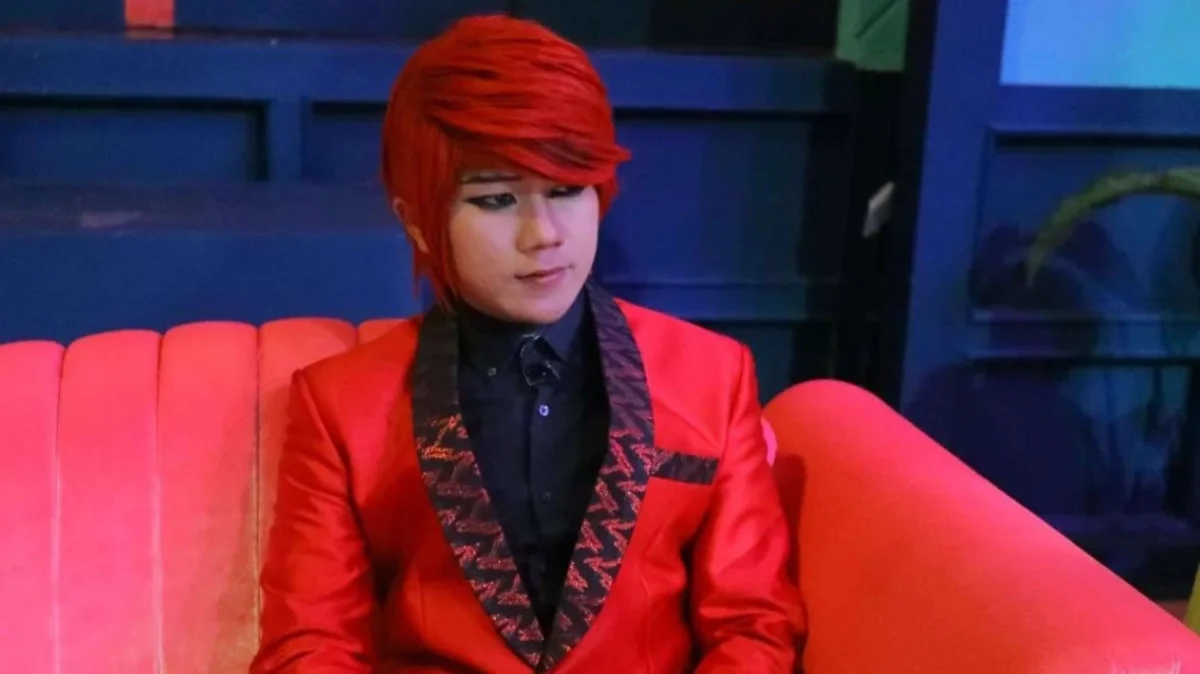
The renowned Indonesian public figure and illusionist Marcel Radhival, widely known as Pesulap Merah or the Red Magician, has once again sparked a national conversation regarding the intersection of logic, tradition, and the supernatural. In a recent expedition that has captured the attention of millions online, Radhival traveled to the slopes of Gunung Kawi in East Java—a location steeped in centuries of mystical lore and infamous for its associations with pesugihan (ritualistic wealth-seeking). Unlike the thousands of pilgrims who visit the site annually to seek blessings or perform clandestine rituals, Radhival’s objective was strictly investigative and provocative. He aimed to dismantle the long-standing fears and superstitions that govern the area by deliberately violating every established taboo and cultural prohibition associated with the mountain.
The Cultural Significance of Gunung Kawi and the Phenomenon of Pesugihan
To understand the weight of Marcel Radhival’s actions, one must first understand the socio-cultural landscape of Gunung Kawi. Located in the Malang Regency of East Java, the mountain is not merely a geographical landmark but a spiritual epicenter. It is primarily known for the tombs of two revered figures, Kiai Zakaria II (also known as Sachir Hasan) and Raden Mas Iman Soedjono, who were prominent figures during the 19th-century struggle against colonial rule. Over time, the site evolved into a pilgrimage destination where people from various religious backgrounds—including Islam, Taoism, and Buddhism—come to pray for prosperity.
However, a darker reputation shadows the mountain’s spiritual history. In Indonesian popular culture, Gunung Kawi is synonymous with pesugihan, a practice where individuals are believed to enter into pacts with supernatural entities to obtain instantaneous wealth. According to local folklore, these pacts often require "sacrifices" or strict adherence to ritualistic behaviors. Common myths include the "Dewandaru" tree, which is said to drop leaves that bring fortune to those lucky enough to catch them, and a series of stringent taboos that visitors must follow to avoid "divine wrath" or "supernatural retaliation." These taboos include never complaining about the terrain, always asking for permission from the "unseen inhabitants," and maintaining a somber, respectful demeanor.
Chronology of the Expedition: A Solo Journey into the Dark
On the night of his investigation, which was documented and shared via his official YouTube channel on July 6, 2026, Marcel Radhival entered the forested regions of Gunung Kawi alone. His choice of timing—midnight—was intentional, as this is the hour traditionally believed to be the peak of supernatural activity. The footage shows Radhival navigating the dense foliage with a headlamp, his signature red attire standing out against the pitch-black surroundings.
From the onset of his journey, Radhival adopted a posture of extreme defiance. While local guides and residents strongly advise visitors to utter the phrase "permisi" (excuse me) when entering "sacred" or "haunted" spaces to appease resident spirits, Radhival explicitly refused to do so. Addressing the camera with his characteristic bluntness, he stated that as a human being, he felt no obligation to bow to entities that have no tangible presence in the physical world. "I want to be arrogant today. The ‘most powerful human on earth’ is passing through," he remarked, using irony to mock the self-proclaimed shamans who often claim supernatural superiority. "I don’t want to ask for permission. The spirits should be the ones moving out of the way because this is the world of the living."
As he ascended further into the area often cited as a hotspot for pesugihan rituals, Radhival targeted another common superstition: the prohibition against complaining. Local belief dictates that if a visitor complains about the difficulty of the hike or the weather, they will meet with misfortune or be led astray by spirits. In a direct challenge to this, Radhival spent a significant portion of the hike loudly vocalizing his physical exhaustion. "They say you shouldn’t complain. Well, I’m going to make this entire trip a series of complaints," he said while panting. "This is exhausting. My legs hurt. This path is terrible."
Findings and the Absence of the Supernatural
Upon reaching the deeper sections of the forest where clandestine rituals are reportedly performed, Radhival conducted a thorough search for physical evidence of mystical activity. He looked for sesajen (offerings consisting of flowers, food, and incense), burnt charcoal, or ritualistic artifacts often left behind by those seeking wealth through supernatural means.
To his documented surprise, or perhaps lack thereof, the area was devoid of such activity. There were no spirits to confront him, no "invisible barriers" to block his path, and no immediate consequences for his vocal disrespect of local taboos. He noted that the forest felt like any other natural environment—quiet, dark, and indifferent to his presence. The lack of findings served as the cornerstone of his argument: that the "mystical atmosphere" of Gunung Kawi is largely a psychological construct maintained by tradition and the lucrative industry surrounding spiritual tourism.
"I’ve done everything they said would lead to disaster," Radhival concluded toward the end of his video. "I came here at midnight, I was disrespectful to the supposed spirits, I complained the whole way up, and I didn’t find a single shred of evidence that anything supernatural is happening here. It is just a mountain. It is just trees and dirt."
Analysis of the Skeptical Approach: Logic vs. Folklore
Marcel Radhival’s methodology is rooted in a form of radical skepticism that has made him a polarizing figure in Indonesia. By treating supernatural claims as empirical hypotheses that can be tested, he attempts to "de-mystify" the Indonesian psyche. From a psychological perspective, his actions at Gunung Kawi illustrate the "power of suggestion" and the "placebo effect" in reverse. Many visitors who experience "spooky" events at Gunung Kawi are often in a state of heightened anxiety, predisposed by years of hearing horror stories. By entering the space with a mindset of total defiance, Radhival demonstrates that the "consequences" of breaking taboos often only exist for those who believe in them.
Furthermore, Radhival’s crusade has a significant social dimension. In Indonesia, the "shaman industry" is a multi-billion rupiah business. Vulnerable individuals, often facing financial ruin or health crises, frequently fall victim to fraudulent shamans who promise "pesugihan" in exchange for large sums of money. By showing that the most "sacred" sites of these rituals hold no inherent power, Radhival aims to protect the public from financial exploitation.
Reactions from Cultural Experts and the Public
The response to Radhival’s Gunung Kawi expedition has been divided. On one hand, a younger, more secular demographic has praised him for his bravery and his commitment to rationalism. Supporters argue that Indonesia needs more "logic-based" education to move past outdated superstitions that hinder progress and facilitate fraud.
On the other hand, cultural traditionalists and some local residents of the Gunung Kawi area have expressed concern, not necessarily over the "wrath of spirits," but over the perceived lack of respect for local customs (adat). Cultural observers note that while Radhival may be right from a scientific standpoint, his approach ignores the anthropological value of these traditions. "Taboos are often not about the supernatural, but about teaching patience, respect for nature, and humility," one cultural commentator noted. "By being intentionally ‘arrogant,’ he may be proving a point about ghosts, but he is also disregarding the social fabric that has existed for generations."
There are also those who remain convinced that Radhival’s "punishment" is merely delayed. Comments on social media platforms are filled with warnings that "the mountain never forgets" and that the consequences of his actions might manifest in his personal life later. This reaction highlights the deep-seated nature of these beliefs, which often prove resilient even in the face of direct counter-evidence.
Broader Implications for the Future of Indonesian Mysticism
The "Pesulap Merah vs. Gunung Kawi" incident is a landmark moment in the ongoing cultural tug-of-war in Indonesia between traditional mysticism and modern rationalism. As digital literacy increases, more content creators are taking a skeptical look at the "supernatural" claims that have dominated Indonesian media for decades.
Radhival’s work has already had tangible effects on the legal landscape. His previous high-profile exposures of fake psychics led to increased police scrutiny of shamanic practices that involve fraud. By targeting Gunung Kawi, he is tackling one of the most significant "pillars" of Indonesian mysticism.
The long-term impact of such actions remains to be seen. While it is unlikely that the myths of Gunung Kawi will vanish overnight, Radhival’s expedition provides a powerful counter-narrative. It suggests that the "spirits" of the mountain may not be as powerful as the human imagination that created them. For the Red Magician, the real "magic" lies not in the supernatural, but in the power of a clear and logical mind to see through the fog of superstition.
As of July 2026, Marcel Radhival continues his mission, with plans to visit other "haunted" locations across the archipelago. His message remains consistent: the world is a place governed by natural laws, and fear of the unseen should never be used as a tool to control or exploit the living. Whether one views him as a hero of logic or a disruptor of tradition, his influence on the contemporary Indonesian cultural discourse is undeniable.