 Tata Titiana
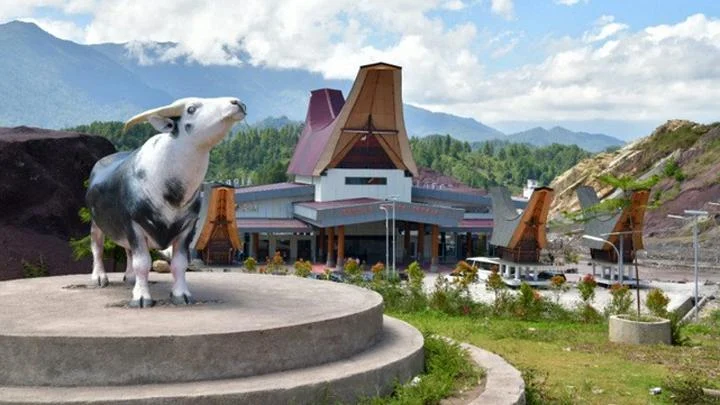
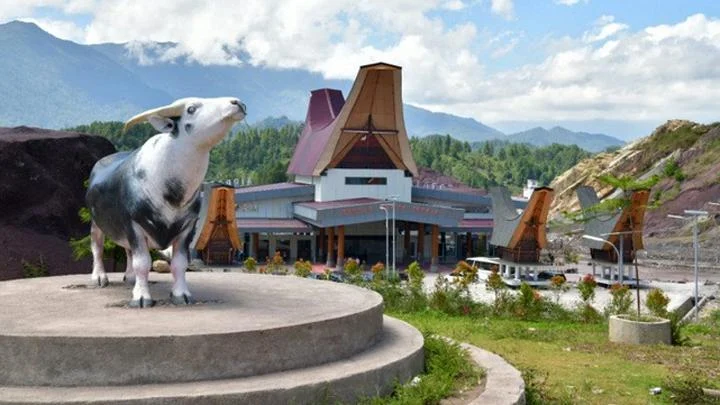
The infrastructural landscape of South Sulawesi reached a significant milestone on Thursday, March 18, 2021, as President Joko Widodo officially inaugurated the Toraja Airport, formerly known as Buntu Kunik Airport, located in Tana Toraja Regency. The inauguration ceremony, broadcast live via the official YouTube channel of the Presidential Secretariat, marked the culmination of a decade-long infrastructure project characterized by unprecedented engineering challenges due to the rugged topography of the region.
During the inauguration, President Joko Widodo emphasized that the newly operational facility is expected to serve as a vital catalyst for the local economy. The head of state highlighted that improved accessibility should be strategically leveraged to enhance regional trade, generate employment opportunities, and stimulate the emergence of new economic hubs across Tana Toraja and its surrounding areas. Prior to the establishment of this modern facility, regional air transportation heavily relied on the aging Pongtiku Airport in Ratentayo, which faced severe geographical limitations that constrained aircraft capacity and flight frequencies.
A Complex Chronology and Engineering Feat
The realization of Toraja Airport is a testament to perseverance in civil engineering, having endured a protracted and intermittent development timeline. Initial construction works commenced in 2011 with the primary objective of replacing the constrained Pongtiku Airport. However, due to budgetary constraints, logistical hurdles, and immense geographical complexities, the project experienced prolonged delays and stagnation.
Under the administration of President Joko Widodo, the stalled project received renewed momentum. Construction recommenced in 2018, spearheaded by the central government through the Ministry of Transportation. The first phase of the revitalized project was successfully completed by mid-2020, paving the way for initial commercial operations. Currently, scheduled regular flights are serviced by prominent national carriers, namely Wings Air and Citilink, connecting Toraja directly with the provincial capital of Makassar.
The engineering methodology employed to construct Toraja Airport stands out as one of the most remarkable infrastructural feats in recent Indonesian aviation history. Situated amidst a heavily mountainous terrain, the construction process required heavy machinery to literally carve out the landscape. Notably, construction crews had to systematically cut down and level three distinct hills to secure sufficient flat terrain for the runway.
Minister of Transportation Budi Karya Sumadi previously underscored the extreme difficulty of the project, attributing the slow initial progress primarily to the steep topography and high-altitude challenges of the region. Even following the official inauguration, infrastructure development continued into 2021, focusing on clearing remaining geographical obstacles and hill projections adjacent to the runway to ensure strict compliance with international aviation safety standards.
Technical Specifications and Airport Infrastructure
Spanning a total area of approximately 141 hectares, Toraja Airport has been engineered to accommodate progressively larger aircraft as regional demand scales up. In its initial operational phase, the facility features a 1,600-meter asphalt runway designed specifically to handle turboprop aircraft such as the ATR 72 series, which are well-suited for regional island hopping and mountainous routes.
Complementing the runway, the initial phase includes a robust apron measuring 94.5 by 67 meters and a taxiway spanning 124.5 by 15 meters. To ensure passenger comfort and efficient terminal operations, the airport features a modern terminal building covering 1,000 square meters, capable of handling an estimated capacity of 150 passengers during peak operational hours.
Looking ahead, infrastructural master plans incorporate a second phase of development designed to extend the runway length to 2,000 meters with a width of 30 meters. This crucial expansion will enable the facility to safely accommodate larger, narrow-body jet aircraft, such as the Boeing 737, thereby unlocking direct medium-haul connectivity from major metropolitan hubs across Indonesia.
The Etymology and Renaming Process of Buntu Kunik
The official designation of the facility as Toraja Airport carries profound cultural and administrative significance. Originally known throughout its planning and early construction phases as Buntu Kunik Airport, the official name change was institutionalized following a series of meticulous consensus-building dialogues.
The renaming initiative was the result of a formal agreement forged between the regional local government and influential traditional leaders representing 19 distinct sub-districts (kecamatan) across Tana Toraja. Following unanimous local consensus, the proposed name change to Toraja Airport was formally submitted to the Regional House of Representatives (DPRD) for legislative ratification during a plenary session. Upon local legislative approval, the proposal advanced through the provincial government administration before receiving final legal formalization by the Ministry of Transportation. This participatory approach ensured that the cultural identity of the indigenous Torajan community remained deeply intertwined with the modern infrastructure development.
Broader Economic Implications and Tourism Potential
The inauguration of Toraja Airport is anticipated to generate far-reaching socioeconomic implications for South Sulawesi, transforming a region historically isolated by its mountainous terrain into an accessible global tourism and trade destination. Tana Toraja is internationally renowned for its unique cultural heritage, ancient megalithic traditions, elaborate funeral rituals, and distinctive Tongkonan traditional architecture, making it one of the premier cultural tourism assets in the Indonesian archipelago.
For decades, international and domestic travelers faced arduous overland journeys ranging from eight to ten hours by road from Makassar to reach the mountainous regency. This geographical barrier significantly limited tourist turnover and increased logistics costs for perishable agricultural goods and local commodities. With commercial flight times drastically reduced to less than an hour from Makassar, the aviation link is expected to exponentially increase tourist arrivals.
Furthermore, economic analysts note that improved logistics efficiency will directly benefit local agricultural producers, allowing specialty products such as Toraja Arabica coffee and local horticultural goods to reach broader domestic and international markets with reduced transit times and spoilage rates. By bridging the infrastructure gap, Toraja Airport not only connects an isolated cultural sanctuary to the wider world but also lays a sustainable foundation for long-term regional prosperity, equitable economic distribution, and enhanced national connectivity.