Tata Titiana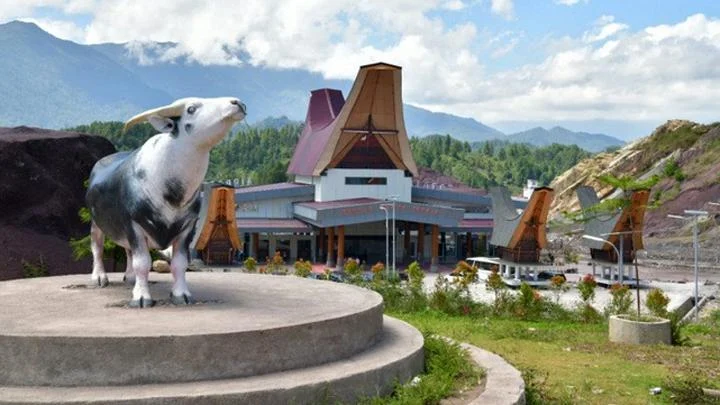
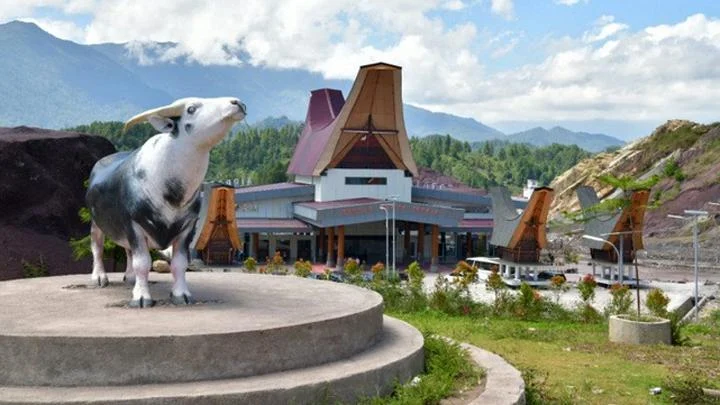
The infrastructural landscape of South Sulawesi reached a significant milestone on Thursday, March 18, 2021, as President Joko Widodo officially inaugurated the Toraja Airport, previously known as Buntu Kunik Airport, located in Tana Toraja Regency. The inauguration ceremony, broadcast live via the official YouTube channel of the Presidential Secretariat, marked the culmination of a decade-long infrastructure project characterized by severe topographical challenges, bureaucratic hurdles, and high-level engineering efforts. During the inauguration, President Widodo emphasized that the newly operational facility is expected to serve as a vital catalyst for regional economic revitalization, generate employment opportunities, and stimulate the emergence of new economic hubs within the culturally rich regency and its surrounding areas.
Chronology and Development History of Toraja Airport
The genesis of Toraja Airport dates back to 2011, conceived as a much-needed replacement for the aging and geographically constrained Pongtiku Airport situated in Ratentayo. The original Pongtiku Airport suffered from severe limitations regarding runway length and topographical constraints that prevented the landing of larger aircraft, thereby stunting the tourism potential and commercial mobility of Tana Toraja.
Following the initial groundbreaking in 2011, the construction of the new airport faced numerous setbacks, resulting in a prolonged stagnation of progress. Recognizing the strategic importance of aviation infrastructure for remote and tourism-dependent regions, the administration of President Joko Widodo revived the project in 2018. The initial phase of the revived construction was spearheaded by the central government and successfully completed by mid-2020.
Following the completion of primary construction phases and safety certifications, commercial carriers quickly moved to establish routes. Currently, regular scheduled flights connecting Makassar to Toraja and vice versa are operated by two major national carriers, Wings Air and Citilink, significantly reducing travel time between the provincial capital and the mountainous cultural enclave compared to the arduous overland journey.
Engineering Feats: Overcoming Extreme Topography
Constructing an airport in the rugged terrain of Tana Toraja presented unprecedented civil engineering challenges. Minister of Transportation Budi Karya Sumadi noted that the project was among the most technically difficult aviation infrastructure developments undertaken in Indonesia due to the deeply sloping and mountainous topography of the region.
To create a safe and compliant runway, engineers had to execute a massive earth-moving operation that involved entirely leveling and cutting down three distinct hills within the Tana Toraja landscape. President Widodo highlighted this feat in a public statement, confirming that three hills were systematically sliced to accommodate the 2,000-meter runway required for safe commercial aviation operations. Further construction works were slated throughout 2021 to systematically remove remaining topographical obstacles adjacent to the runway to comply with international aviation safety standards.
Technical Specifications and Airport Infrastructure
Spanning a total area of 141 hectares, Toraja Airport has been designed and constructed in progressive phases to accommodate increasing passenger volumes and larger aircraft categories:
- Initial Phase Specifications: The airport initially featured a 1,600-meter runway specifically tailored to accommodate turboprop aircraft such as the ATR 72 series. Supporting airside infrastructure included an apron measuring 94.5 meters by 67 meters and a taxiway spanning 124.5 meters by 15 meters.
- Expanded Phase Specifications: Through subsequent development, the runway length was extended to 2,000 meters with a width of 30 meters, enabling the facility to handle larger narrow-body jet aircraft, notably the Boeing 737 series.
- Terminal Facilities: The passenger terminal building encompasses a floor area of 1,000 square meters, designed with a maximum passenger capacity of approximately 150 travelers at any given time, ensuring efficient processing and passenger comfort.
The Significance of the Name Change from Buntu Kunik to Toraja Airport
The official designation of the facility as Toraja Airport carries profound local consensus and cultural significance. Originally recognized throughout its planning and construction phases as Buntu Kunik Airport—referencing the specific local geographic area where it was built—the name was officially altered following comprehensive deliberations.
The renaming was the result of a formal agreement forged between the regional local government and traditional customary leaders representing 19 distinct sub-districts (kecamatan) across Tana Toraja. Following this widespread community consensus, the proposed name change was formally submitted to the Regional House of Representatives (DPRD) for ratification during a plenary session. Upon legislative approval, the recommendation was forwarded through the provincial government before receiving final legal authorization from the Ministry of Transportation. This participatory approach ensured that the airport’s identity deeply reflects the heritage and global renown of the Toraja brand.
Economic and Tourism Implications for South Sulawesi
The opening of Toraja Airport is anticipated to yield profound macroeconomic benefits for South Sulawesi, particularly in transforming Tana Toraja from an isolated cultural destination into an accessible international and domestic tourism hotspot. Tana Toraja is globally renowned for its unique megalithic culture, distinctive traditional Tongkonan houses, elaborate funeral rites, and scenic highland landscapes, making it one of the premier cultural tourism assets in the Indonesian archipelago.
Historically, travelers visiting Tana Toraja were subjected to an exhausting eight-to-ten-hour overland journey by car or bus from Makassar, the capital of South Sulawesi. This geographical friction served as a major deterrent for high-yield tourists and business travelers with limited time schedules. By reducing travel time to a brief regional flight, the airport directly addresses the primary logistical bottleneck limiting the region’s economic potential.
Economic analysts and regional stakeholders project that improved connectivity will stimulate investments in the hospitality sector, including hotels, resorts, culinary enterprises, and local handicraft industries. Furthermore, the seamless movement of goods and passengers is expected to lower logistics costs, improve the supply chain for local agricultural produce, and integrate Tana Toraja more tightly into the broader national economic framework. As regional authorities and private enterprises leverage the newly established transport infrastructure, Toraja Airport stands as a cornerstone of equitable regional development and sustainable economic diversification in eastern Indonesia.