Tata Titiana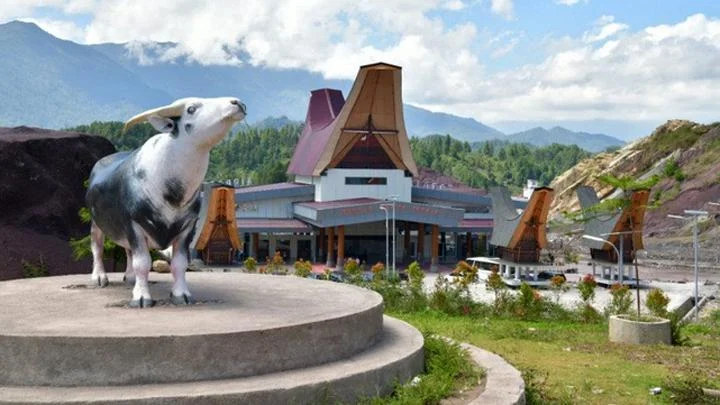
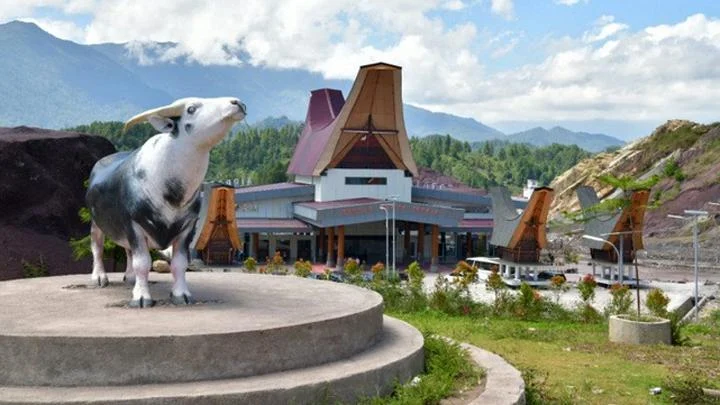
President Joko Widodo officially inaugurated the Toraja Airport on Thursday, March 18, 2021, a significant development for the Tana Toraja Regency in South Sulawesi. Previously known as Buntu Kunik Airport, the new facility is poised to become a vital catalyst for regional economic growth, job creation, and the establishment of new economic centers, according to President Widodo’s remarks broadcast via the Presidential Secretariat’s YouTube channel. The inauguration marks the culmination of a long-standing aspiration for improved connectivity in this culturally rich and geographically challenging region.
A Decade-Long Journey to Connectivity
The genesis of Toraja Airport can be traced back to 2011 when construction initially commenced, intended to replace the aging Pongtiku Airport in Ratentayo. However, the ambitious project faced considerable delays, a common challenge for infrastructure development in areas with complex topography. It was under President Widodo’s administration that the project received renewed impetus, with construction resuming in 2018. The first phase of development, funded by the central government, was completed by mid-2020.
The airport currently serves regular flights operated by two reputable airlines: Wings Air and Citilink, connecting Makassar, the provincial capital, with Toraja and vice versa. This direct air link is expected to significantly reduce travel time and enhance accessibility for both domestic and international visitors.
Infrastructure and Future Expansion
The Toraja Airport is a testament to engineering prowess, spanning a total area of 141 hectares. In its initial phase, the airport features a runway measuring 1,600 meters, suitable for ATR-type aircraft. Accompanying this are an apron of 94.5 x 67 meters and a taxiway measuring 124.5 x 15 meters.
Looking ahead, the second phase of development will see the runway extended to 2,000 meters. This crucial expansion will accommodate larger aircraft, such as the Boeing 737, significantly increasing the airport’s capacity and potential for attracting a wider range of airlines and passenger traffic. The terminal building, with a current capacity of 150 passengers, covers an area of 1,000 square meters, designed to provide a comfortable and efficient experience for travelers.
The strategic lengthening of the runway is particularly noteworthy. Reports indicate that three hills were meticulously "trimmed" to accommodate the 2,000-meter runway. This monumental undertaking highlights the significant engineering challenges overcome to bring this project to fruition. Minister of Transportation Budi Karya Sumadi acknowledged the difficulty of the construction due to the steep terrain. Further development in 2021 is slated to address obstacles posed by hills adjacent to the runway, ensuring enhanced safety and operational efficiency.
Renaming Reflects Local Identity
The rebranding from Buntu Kunik Airport to Toraja Airport is a significant cultural and administrative shift. This change was not arbitrary but the result of a consensus reached between the Tana Toraja Regency government and prominent traditional leaders from across the 19 sub-districts within Tana Toraja. The proposed name change was then formally submitted to the Regional People’s Representative Council (DPRD) for deliberation and adoption in a plenary meeting. Subsequently, the proposal moved up the administrative ladder, being forwarded to the provincial government and ultimately to the Ministry of Transportation for final approval. This collaborative process underscores the deep respect for local customs and the desire to imbue the airport with a name that resonates with the region’s identity.
Economic and Tourism Imperatives
President Widodo articulated a clear vision for the airport’s role in regional development. He emphasized its potential to:
- Boost the regional economy: Improved connectivity is expected to stimulate trade, facilitate the movement of goods and services, and attract investment.
- Create employment opportunities: The construction and ongoing operation of the airport, along with the anticipated surge in tourism and business activities, will undoubtedly lead to a significant increase in local employment.
- Foster new economic hubs: The enhanced accessibility can spur the development of new commercial centers, hospitality services, and related industries, diversifying the regional economy.
Tana Toraja is renowned globally for its unique cultural heritage, particularly its elaborate funeral ceremonies, traditional architecture (Tongkonan houses), and stunning natural landscapes. However, its remote location has historically posed a barrier to widespread tourism. The Toraja Airport directly addresses this challenge, making the region more accessible to a global audience.
Supporting Data and Context
The development of Toraja Airport is part of a broader national strategy to improve inter-island connectivity and promote equitable development across Indonesia. The archipelago nation, with its vast geography, relies heavily on air transportation to bridge distances and foster economic integration.
- Infrastructure Investment: The Indonesian government has consistently prioritized infrastructure development, recognizing its foundational role in economic growth. Investments in airports, seaports, roads, and bridges are crucial for unlocking the potential of various regions.
- Tourism as an Economic Driver: Tourism is a significant contributor to Indonesia’s Gross Domestic Product (GDP). Regions like Tana Toraja, with their distinct cultural offerings, are vital components of the national tourism strategy. The Ministry of Tourism and Creative Economy has identified Tana Toraja as a key destination for cultural tourism.
- Challenges of Remote Areas: Developing infrastructure in geographically challenging areas like Tana Toraja requires substantial investment and innovative engineering solutions. The success of Toraja Airport serves as a model for similar projects in other remote regions.
Reactions and Future Outlook
While specific official reactions beyond President Widodo’s statement are not detailed in the provided text, the inauguration is likely to be met with widespread enthusiasm from local communities, regional governments, and the tourism industry.
- Local Government: The regional government of Tana Toraja is expected to leverage the airport’s opening to further develop tourism infrastructure, including hotels, transportation services, and cultural attractions.
- Tourism Stakeholders: Tour operators and travel agencies are likely to see increased demand for packages to Tana Toraja, benefiting from the easier access.
- Business Community: The business sector anticipates greater opportunities for trade and investment, with improved logistics and reduced travel times for business personnel.
The successful completion and inauguration of Toraja Airport represent a significant milestone for Tana Toraja and South Sulawesi. It signifies not just an improvement in transportation infrastructure but a tangible commitment to unlocking the region’s economic and cultural potential. The long journey from conception to operation, marked by challenges and perseverance, underscores the strategic importance placed on this project. As air traffic increases and the economic ripple effects take hold, Toraja Airport is set to transform the region, making it more accessible, prosperous, and globally recognized for its unique heritage. The ongoing efforts to address topographical challenges further highlight the dedication to ensuring the airport’s long-term viability and safety, solidifying its role as a vital gateway for years to come.