Tata Titiana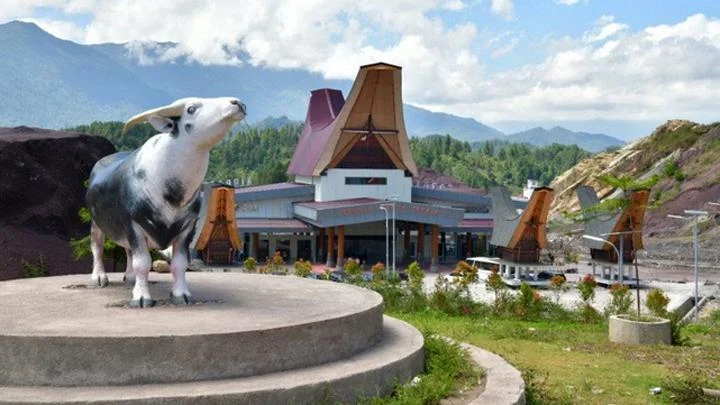
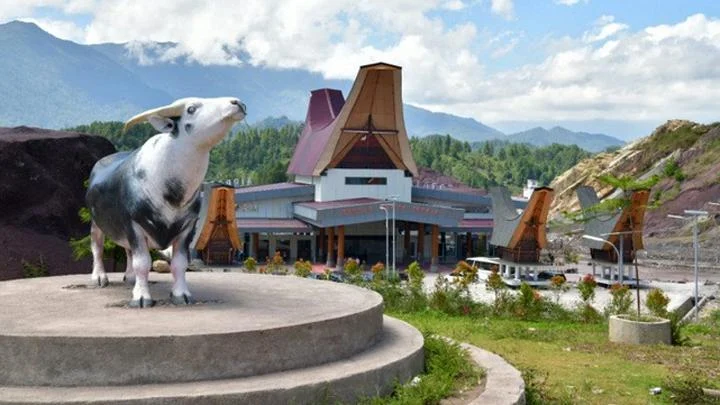
President Joko Widodo officially inaugurated the Toraja Airport on Thursday, March 18, 2021, marking a significant milestone for the Tana Toraja Regency in South Sulawesi. Formerly known as Buntu Kunik Airport, its transformation into a modern aviation hub is expected to catalyze economic development, create new employment opportunities, and foster the emergence of new economic centers within the region. The inauguration ceremony, broadcast live via the Presidential Secretariat’s YouTube channel, underscored the government’s commitment to enhancing regional connectivity and unlocking the economic potential of Indonesia’s diverse landscapes.
A Vision Realized: From Conception to Completion
The journey to establish Toraja Airport has been a long and arduous one, spanning over a decade. Construction initially commenced in 2011, with the aim of replacing the aging Pongtiku Airport in Ratentayo. However, the project encountered significant delays, a common challenge for large-scale infrastructure development in geographically complex areas. It was under President Joko Widodo’s administration that the project was revitalized and construction resumed in 2018. The first phase of development, funded and overseen by the central government, was successfully completed by mid-2020. This initial phase laid the groundwork for the airport’s operational readiness, paving the way for its official inauguration.
The strategic importance of Toraja Airport is amplified by its role in improving access to Tana Toraja, a region renowned for its unique cultural heritage and stunning natural beauty, including the iconic "Jesus Statue" often cited as the world’s tallest. Historically, reaching Tana Toraja has been a considerable undertaking, often involving long and winding road journeys. The establishment of a modern airport promises to dramatically reduce travel times, making the region more accessible to both domestic and international tourists, as well as facilitating the transportation of goods and services.
Technical Specifications and Phased Development
Toraja Airport boasts an impressive infrastructure designed to accommodate modern aircraft and a growing volume of passengers. The entire airport complex covers an expansive 141 hectares. In its initial operational phase, the airport features a runway measuring 1,600 meters in length, suitable for ATR-type aircraft. Accompanying this are an apron of 94.5 x 67 meters and a taxiway measuring 124.5 x 15 meters.
The development plan includes a second phase that will extend the runway to 2,000 meters. This expansion will enable the airport to accommodate larger aircraft, such as the Boeing 737, significantly increasing its capacity and operational flexibility. The terminal building, with a footprint of 1,000 square meters, is designed to comfortably handle up to 150 passengers, providing essential amenities and services for travelers.
The sheer scale of the engineering required to construct the airport is noteworthy. The official Twitter account of President Joko Widodo highlighted the monumental effort involved, stating, "Three hills were cut to build the Toraja Airport runway, which is 2,000 x 30 meters. This airport is important to boost local connectivity and tourism." This statement underscores the challenging topography of Tana Toraja and the significant engineering feats accomplished to bring this project to fruition.
A Name Reflecting Identity and Consensus
The renaming of the airport from Buntu Kunik to Toraja Airport is a testament to a collaborative decision-making process that involved local communities and authorities. This change was the result of a consensus reached between the Tana Toraja Regency government and traditional leaders representing the 19 sub-districts within the regency. Following this local agreement, the proposal was formally submitted to the Regional People’s Representative Council (DPRD) for ratification through a plenary meeting. Subsequently, the decision was forwarded to the provincial government before ultimately being presented to the Ministry of Transportation for final approval and official recognition. This multi-layered process ensures that the airport’s name resonates with the local identity and cultural significance of the Tana Toraja region.
Overcoming Geographical Challenges: A Triumph of Engineering
The construction of Toraja Airport presented formidable engineering challenges, primarily due to the region’s steep and rugged terrain. Minister of Transportation Budi Karya Sumadi acknowledged the difficulties, stating that the project’s complexity was exacerbated by the challenging topography. The ambitious plan to build a 2,000-meter runway necessitated the significant modification of the landscape, involving the excavation and leveling of three hills. This meticulous engineering work demonstrates a commitment to overcoming geographical obstacles to achieve vital national infrastructure goals.
Moreover, the development process is ongoing. In 2021, further efforts were planned to continue clearing obstacles, specifically addressing remaining hills along the runway’s alignment. This commitment to continuous improvement ensures the airport’s long-term safety and operational efficiency.
Economic Implications and Future Prospects
The operationalization of Toraja Airport is poised to deliver substantial economic benefits to Tana Toraja and the surrounding areas. By significantly improving accessibility, the airport is expected to attract a greater number of tourists, thereby boosting the local hospitality, culinary, and handicraft industries. Increased tourism revenue can lead to job creation across various sectors, from hotel staff and tour guides to local artisans and farmers supplying produce to hotels and restaurants.
Furthermore, enhanced air connectivity will facilitate the more efficient transportation of agricultural products and other local commodities to larger markets. This can help local producers increase their reach and profitability, contributing to a more robust and diversified regional economy. The development of new economic centers, as envisioned by President Widodo, could manifest in the form of new businesses, service industries, and infrastructure development spurred by the increased flow of people and goods.
The presence of two airlines, Wings Air and Citilink, offering regular flights between Makassar and Toraja, is a crucial starting point. As demand grows and the airport’s capacity expands, it is anticipated that more airlines will express interest in serving the route, potentially leading to more competitive airfares and increased flight frequencies. This growing connectivity will not only benefit the local economy but also make travel to and from Tana Toraja more convenient for its residents, fostering greater social and economic integration with the rest of the country.
A Catalyst for Regional Development
The inauguration of Toraja Airport is more than just the opening of a new piece of infrastructure; it represents a strategic investment in the future of Tana Toraja. It is a tangible manifestation of the government’s vision to connect the archipelago, foster inclusive growth, and unlock the potential of regions that have historically faced challenges due to their geographical isolation.
The project’s success, despite its complexities, serves as a model for future infrastructure development in similar challenging terrains across Indonesia. It highlights the importance of long-term planning, sustained government commitment, and the successful navigation of engineering and logistical hurdles. As Toraja Airport takes flight, it carries with it the hopes and aspirations of the people of Tana Toraja for a brighter, more prosperous future, deeply rooted in their rich cultural heritage and enhanced by the promise of modern connectivity.