Tata Titiana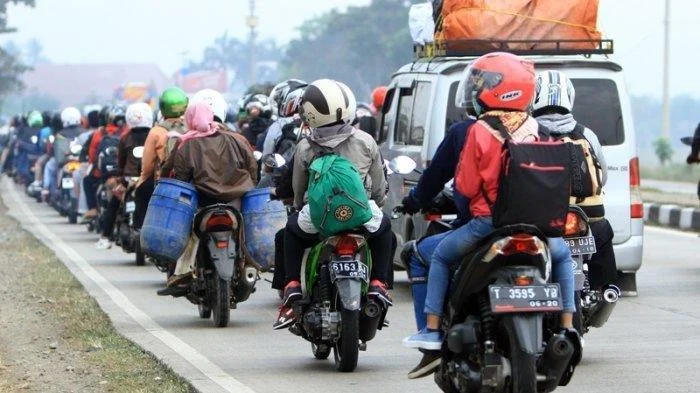
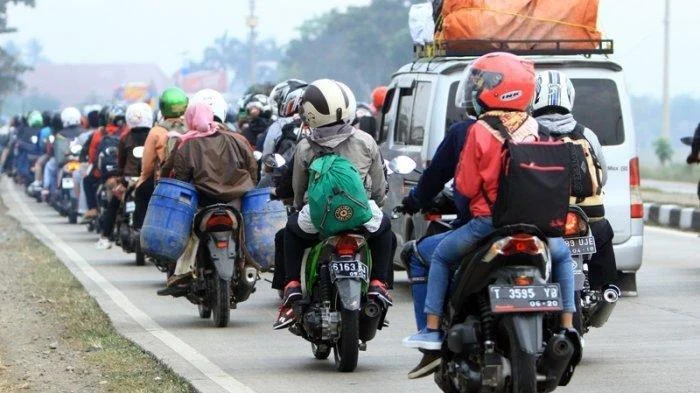
Jakarta, Indonesia – In a significant policy shift from the previous year, the Indonesian government has announced that citizens will be permitted to undertake the traditional Eid al-Fitr homecoming (mudik) to their ancestral villages for the celebration of Idul Fitri 1442 Hijri, which falls in May 2021. This decision, confirmed by Minister of Transportation Budi Karya Sumadi during a working meeting with Commission V of the House of Representatives (DPR RI) on March 16, 2021, marks a departure from the stringent travel bans imposed in 2020 due to the escalating COVID-19 pandemic.
However, the Ministry of Transportation (Kemenhub) has emphasized that this is not an outright endorsement for mass travel, as the ministry lacks the authority to mandate such actions. Instead, the government intends to work in close collaboration with the COVID-19 Task Force to establish a comprehensive framework for safe mudik practices. The primary objective is to prevent the festive season from becoming a catalyst for widespread COVID-19 transmission, particularly into rural communities. This collaborative approach aims to ensure that the homecoming period remains conducive to public health, with a particular focus on stringent travel requirements and enhanced contact tracing protocols.
Evolving Policies: A Contrast to 2020’s Restrictions
The decision to permit mudik in 2021 stands in stark contrast to the measures taken in 2020. Last year, faced with the initial shockwaves of the pandemic and a rapidly rising case count, the Indonesian government implemented a nationwide ban on mudik, severely restricting inter-provincial and inter-city travel for the Idul Fitri period. This was a necessary, albeit difficult, decision aimed at containing the virus’s spread and preventing the overwhelming of healthcare systems, especially in regions with limited resources. The government recognized the potential for mass migration to become a super-spreader event, potentially inundating villages with the virus.
The historical context of mudik restrictions also reveals precedents. For instance, during the Indonesian National Revolution in 1946, mudik was also prohibited due to the prevailing security situation. This historical parallel underscores that the decision to restrict or permit such large-scale movements is often tied to broader national circumstances and public health imperatives.
Key Conditions and Protocols for 2021 Mudik
Minister Budi Karya Sumadi outlined several critical conditions and protocols that travelers must adhere to if they choose to undertake the 2021 Eid al-Fitr homecoming. These measures are designed to mitigate the risks associated with increased travel:
- Strict Adherence to Health Protocols: This is the cornerstone of the government’s strategy. It mandates rigorous implementation of health protocols at all stages of the journey: from the point of departure, throughout the travel period, and upon arrival at the destination. This includes mandatory mask-wearing, maintaining physical distancing, regular disinfection of transportation facilities and public spaces, limiting passenger capacity in vehicles, and staggered service schedules.
- Anticipating Passenger Surges with Enhanced Tracing: To manage potential surges in passenger numbers, a robust and intensified contact tracing system will be implemented. This aims to quickly identify and isolate individuals who may have been exposed to the virus, thereby preventing further transmission chains.
- Shortened Validity Period for Screening Tests: The validity period for COVID-19 screening tools, such as rapid antigen tests, will be shortened. This measure is intended to ensure that travelers are tested closer to their departure date, providing a more current assessment of their infection status and reducing the window for potential transmission.
The Ministry of Transportation is actively working with various stakeholders to finalize the exact mechanisms for the 2021 mudik season. This process involves consultations to ensure that the homecoming period remains safe and orderly. The emphasis on public awareness and voluntary compliance with health protocols is paramount, as the government acknowledges that individual responsibility plays a crucial role in collective well-being.
Expert Apprehension and Concerns Regarding Transmission Potential
Despite the government’s decision to allow mudik, several public health experts have expressed reservations and a degree of pessimism. The primary concern revolves around the continued potential for COVID-19 transmission, even with the planned mitigation measures in place.
Dr. Riris Andono Ahmad, an epidemiologist from Universitas Gadjah Mada (UGM), commented on the decision, suggesting that it may be predicated on an assumption that vaccination coverage has reached a sufficient level to control the pandemic situation. However, Dr. Riris cautioned that the effectiveness of immunization programs in controlling transmission is contingent upon travelers’ adherence to health protocols. He highlighted that even with widespread vaccination, a lapse in protocol compliance could lead to continued transmission, mirroring the pre-vaccination era.
"The problem is not solely about protection through immunization," Dr. Riris stated, as quoted by merdeka.com. "If travelers do not adhere to health protocols, COVID-19 transmission will still occur, just as it did before vaccination."
Mode of Transportation: A Critical Factor
The choice of transportation mode is considered a critical factor in managing the risks associated with mudik. The government’s strategy includes facilitating the provision of COVID-19 screening equipment, such as GeNose, at major transportation hubs, including terminals, train stations, and airports.
According to Dr. Riris, public transportation is generally considered safer due to the potential for government oversight and the implementation of standardized protocols. The greater concern lies with private vehicle travel, where supervision is less stringent. Unmonitored journeys in private vehicles could inadvertently become conduits for virus transmission into destination areas. Therefore, travelers are strongly advised to utilize public transportation options to facilitate easier monitoring by authorities in the event of any unforeseen circumstances.
Vaccination Not a Free Pass for Protocol Relaxation
It is crucial for the public to understand that receiving a COVID-19 vaccine does not grant immunity from transmitting the virus in public spaces. Dr. Riris reiterated the importance of maintaining strict adherence to health protocols even after vaccination. This includes continued mask-wearing, physical distancing, and practicing good hygiene. The vaccination program aims to reduce the severity of illness and the risk of death, but it does not completely eliminate the possibility of infection or onward transmission.
Looking ahead, Dr. Riris expressed hope that large-scale mudik, particularly at a macro level, might be postponed. He projected that the pandemic would likely not be over by Idul Fitri 2021, and vaccination coverage would still be relatively low. This scenario, he warned, continues to present a significant risk for COVID-19 transmission.
Broader Implications and Public Health Considerations
The decision to permit mudik in 2021, while offering a semblance of normalcy and allowing families to reunite, carries significant implications for public health infrastructure and the trajectory of the pandemic in Indonesia. The government faces the complex challenge of balancing socio-economic needs with public health imperatives.
Supporting Data and Context:
- Vaccination Progress: As of early 2021, Indonesia had commenced its national vaccination program, prioritizing healthcare workers and vulnerable populations. However, achieving herd immunity through vaccination requires a substantial portion of the population to be inoculated, a process that takes time. The pace of vaccination rollout and the availability of vaccine supplies are critical factors influencing the overall risk assessment.
- Geographic Spread of Cases: Indonesia’s vast archipelago presents unique challenges in containing the virus. The mobility of millions of people during mudik can facilitate the rapid spread of the virus across diverse geographical regions, including remote areas with limited healthcare facilities.
- Economic Considerations: The annual mudik season is a significant economic event, contributing to local economies in rural areas through increased spending. The government’s decision may also be influenced by the desire to support economic recovery, albeit with caution.
Government’s Strategy: A Multi-Pronged Approach
The government’s strategy for managing the 2021 mudik involves a multi-pronged approach:
- Information Dissemination: Extensive public awareness campaigns are crucial to inform citizens about the risks, regulations, and necessary health protocols. This includes clear communication through various media channels.
- Enhanced Surveillance: Increased surveillance at transportation hubs and in destination areas will be necessary to monitor compliance and detect potential outbreaks early.
- Coordination with Local Authorities: Effective coordination between the central government, provincial governments, and local health authorities is vital for consistent implementation of protocols and rapid response to any emerging health threats.
- Flexibility and Adaptability: The government must remain flexible and prepared to adapt its policies based on the evolving epidemiological situation. If case numbers begin to surge significantly, authorities may need to reconsider or tighten restrictions.
Reactions from Related Parties (Inferred):
While direct quotes from all parties may not be available, it can be inferred that:
- Local Communities: Many rural communities, particularly those with elderly populations or limited healthcare access, may express concern about the influx of visitors and the potential for increased infection rates.
- Transportation Providers: Airlines, train operators, and bus companies will be working closely with the government to implement new protocols and manage passenger flows, likely facing increased operational costs and potential capacity limitations.
- Health Organizations: Public health organizations and medical professionals will likely continue to advocate for strict adherence to protocols and may issue further warnings if compliance appears to be waning.
Broader Impact and Analysis:
The decision to allow mudik in 2021 represents a delicate balancing act by the Indonesian government. It acknowledges the deep cultural and social significance of the homecoming tradition while attempting to navigate the ongoing public health crisis. The success of this policy will hinge on the collective responsibility of the citizens to adhere to health protocols and the government’s ability to effectively implement and enforce the established regulations.
The potential implications are far-reaching: a successful, low-transmission mudik could provide a much-needed boost to national morale and family connections. Conversely, a surge in cases following the holiday could strain healthcare resources, lead to further economic disruptions, and necessitate stricter lockdowns or travel restrictions in the future. The coming weeks will be critical in assessing the impact of this policy and its implications for Indonesia’s ongoing fight against the COVID-19 pandemic. The government’s commitment to transparency, data-driven decision-making, and robust public engagement will be paramount in navigating this complex period.