Tata Titiana
President Joko Widodo officially inaugurated the Toraja Airport on Thursday, March 18, 2021, marking a significant milestone for the Tana Toraja Regency in South Sulawesi. Formerly known as Buntu Kunik Airport, the new facility is poised to become a catalyst for economic development, job creation, and the emergence of new economic centers within the region. The inauguration ceremony, broadcast live via the Presidential Secretariat’s YouTube channel, underscored the government’s commitment to improving infrastructure and fostering regional prosperity.
A Decade-Long Journey: From Inception to Inauguration
The realization of Toraja Airport is the culmination of a development process that began in 2011, initially conceived as a replacement for the older Pongtiku Airport in Ratentayo. The project encountered several delays over the years, but under President Widodo’s administration, construction was revitalized in 2018. The first phase of development, undertaken by the central government, was successfully completed in mid-2020. This concerted effort has transformed a challenging terrain into a vital transportation hub.
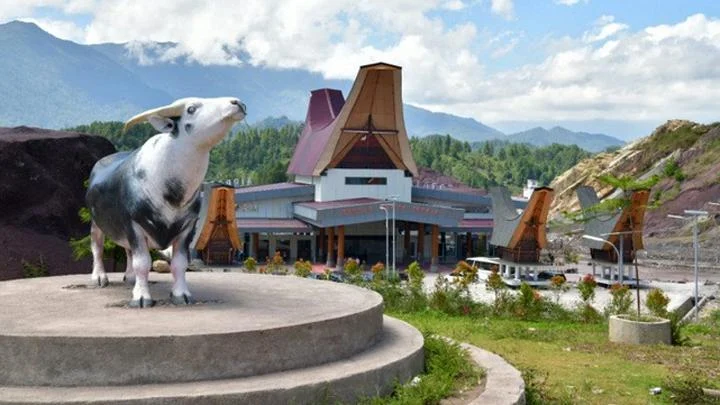
The airport’s strategic location in Tana Toraja, a region renowned for its unique cultural heritage and stunning natural landscapes, makes it a crucial link for both domestic and international visitors. The initial phase of operations will see two airlines, Wings Air and Citilink, offering regular flight services connecting Makassar and Toraja, thereby significantly reducing travel time and enhancing accessibility. This direct air link is expected to bolster tourism, a key economic driver for the area, and facilitate the movement of goods and services.
Infrastructure and Capacity: Laying the Foundation for Growth
The Toraja Airport boasts an impressive infrastructure designed to accommodate future growth and increasing passenger traffic. Spanning a total area of 141 hectares, the initial phase features a runway measuring 1,600 meters, suitable for ATR aircraft. Complementing the runway are an apron of 94.5 x 67 meters and a taxiway measuring 124.5 x 15 meters.
Plans are already in motion for the second phase of development, which will extend the runway to 2,000 meters. This expansion will enable the airport to handle larger aircraft, such as the Boeing 737, further increasing its capacity and reach. The terminal building, with a floor area of 1,000 square meters, is designed to accommodate up to 150 passengers, providing essential facilities and a comfortable experience for travelers. The strategic extension of the runway addresses the logistical challenges posed by the region’s mountainous terrain, ensuring operational efficiency and safety.
A Name Reflecting Identity: The Significance of the Name Change
The rebranding of the airport from Buntu Kunik to Toraja Airport holds significant cultural and historical weight. This change was the result of a consensus reached between the Tana Toraja regency government and traditional leaders representing the 19 sub-districts within the regency. The proposal for the name change was subsequently put forth to the Regional People’s Representative Council (DPRD) for formal ratification in a plenary session. Following this local approval, the proposal was escalated to the provincial government and ultimately to the Ministry of Transportation for final endorsement. This collaborative process underscores the importance of local heritage and community involvement in significant regional development projects. The name "Toraja" directly links the airport to the rich cultural identity of the indigenous people and the distinct ancestral lands they inhabit.
Overcoming Geographical Challenges: A Triumph of Engineering
The construction of Toraja Airport presented formidable engineering challenges due to the region’s steep topography. Minister of Transportation Budi Karya Sumadi highlighted the complexity of the project, noting that three hills had to be significantly altered to accommodate the 2,000-meter runway. This ambitious undertaking required extensive earthmoving and careful planning to ensure the stability and safety of the construction site. The ongoing development in 2021 aims to further address and mitigate potential obstacles in the vicinity of the runway, ensuring continued adherence to international aviation safety standards. The successful completion of such a project in a geographically challenging area is a testament to the ingenuity and perseverance of the construction teams involved.
Economic and Social Implications: Unlocking Potential
The inauguration of Toraja Airport is anticipated to yield substantial economic and social benefits for the region. President Widodo’s vision for the airport extends beyond mere transportation; he emphasized its role in stimulating the local economy, generating employment opportunities, and fostering the development of new economic hubs.
- Tourism Boost: Tana Toraja is a world-renowned destination for its unique funeral ceremonies, traditional architecture (Tongkonan houses), and stunning natural beauty. Improved air connectivity will make it easier for tourists to access this culturally rich region, leading to increased visitor numbers and revenue for local businesses, including hotels, restaurants, and handicraft producers. Data from the Indonesian Ministry of Tourism and Creative Economy indicates that improved infrastructure often correlates with a significant rise in tourist arrivals. For instance, similar infrastructure developments in other remote tourist destinations have seen visitor numbers increase by an average of 20-30% within the first two years of operation.
- Job Creation: The construction and ongoing operation of the airport, along with the anticipated surge in tourism and related industries, will create numerous direct and indirect employment opportunities for the local population. This includes jobs in airport management, air traffic control, airline operations, hospitality, transportation services, and the retail sector. Studies by the International Air Transport Association (IATA) consistently show that air transport infrastructure development is a significant driver of employment, with each direct job in aviation supporting several indirect jobs in connected sectors.
- Economic Diversification: The enhanced connectivity can also facilitate the growth of other sectors beyond tourism. Easier access to markets could encourage local entrepreneurs to expand their businesses, particularly in areas like agriculture and handicrafts, which are prominent in Tana Toraja. The ability to transport goods more efficiently can lead to better market access and potentially higher incomes for local producers.
- Regional Integration: Toraja Airport strengthens the connectivity of Tana Toraja with other major cities in Indonesia, fostering greater regional integration and reducing the isolation that remote areas often face. This improved connectivity can attract investment and facilitate the flow of information and resources, contributing to overall regional development.
Official Reactions and Future Outlook
The inauguration has been met with widespread optimism from government officials and local stakeholders. The Minister of Transportation, Budi Karya Sumadi, expressed his satisfaction with the project’s completion, acknowledging the significant efforts made to overcome the topographical challenges. He further stated that the development is aligned with the government’s broader strategy of enhancing national connectivity and supporting regional economies.
Local leaders in Tana Toraja have also voiced their enthusiasm, viewing the airport as a transformative project for their community. They anticipate that the increased accessibility will not only boost economic prospects but also preserve and promote their unique cultural heritage to a wider audience. The hope is that the economic benefits will be realized in a way that respects and maintains the cultural integrity of the Torajan people.
Looking ahead, the focus will be on ensuring the sustainable operation of the airport and maximizing its economic potential. This includes ongoing efforts to attract more airlines, develop supporting infrastructure around the airport, and implement policies that foster responsible tourism and business development. The continued development of the runway in phase two will further solidify Toraja Airport’s position as a key regional gateway, capable of handling larger aircraft and a greater volume of passengers.
The successful development and inauguration of Toraja Airport represent a significant achievement in Indonesia’s ongoing infrastructure development agenda. It is a project that symbolizes the nation’s commitment to bridging geographical divides, unlocking economic potential in its diverse regions, and improving the quality of life for its citizens. The airport stands not just as a modern transportation facility, but as a symbol of progress and connectivity for the vibrant and culturally rich land of Toraja.