Nasution Nanang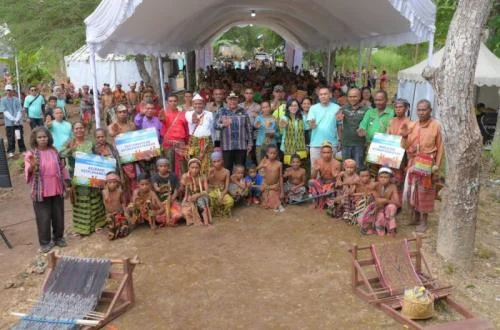
JAKARTA – PT Asuransi Jasa Indonesia (Jasindo), a state-owned enterprise in the insurance sector, has launched a significant corporate social responsibility (CSR) program named “Narasemesta” to combat stunting in East Nusa Tenggara (NTT). This multi-faceted initiative focuses on providing crucial nutritional education and support to pregnant women and young children, particularly within the critical "1,000 First Days of Life" (HPK) window, underscoring the company’s deep commitment to public health and sustainable development goals in Indonesia.
The program, spearheaded by Jasindo, aims to address the persistent challenge of stunting, which remains a significant public health issue across the archipelago, particularly in regions like NTT. Dewi Utari, Director of Human Resources and General Affairs at Jasindo, articulated the strategic importance of this intervention during an event in Jakarta on Saturday. "Stunting is not merely a health problem; it fundamentally concerns the future of our nation’s generations," Utari stated, highlighting the long-term societal and economic ramifications of childhood malnutrition. This perspective frames Jasindo’s involvement not just as philanthropic endeavor but as an investment in human capital and national prosperity.
Understanding the Stunting Crisis in Indonesia
Stunting, defined by the World Health Organization (WHO) as impaired growth and development that children experience from poor nutrition, repeated infection, and inadequate psychosocial stimulation, is a complex issue with profound, irreversible consequences. These consequences include poor cognition and educational performance, reduced adult productivity, and increased risk of non-communicable diseases later in life. Indonesia has long grappled with high rates of stunting, although significant progress has been made through various national programs. According to the Indonesian Nutrition Status Study (SSGI), the national stunting prevalence was reported at 24.4% in 2021, with the government setting an ambitious target to reduce this figure to 14% by 2024.
East Nusa Tenggara, where Jasindo’s Narasemesta program is concentrated, has historically faced some of the highest stunting rates in the country. Challenges such as geographical isolation, limited access to nutritious food, inadequate sanitation, and insufficient healthcare infrastructure contribute significantly to the prevalence of stunting in the region. Many remote villages struggle with food insecurity, relying on subsistence farming that may not provide a diverse enough diet, especially for vulnerable groups like pregnant women and infants. These factors underscore the critical need for targeted and comprehensive interventions like Narasemesta, which seek to address the root causes of malnutrition at the community level.
The Narasemesta Program: A Holistic Approach in Desa Tetaf
The Narasemesta program is specifically designed to tackle stunting in Desa Tetaf, located within the Timor Tengah Selatan (TTS) Regency of NTT. The selection of Desa Tetaf was based on thorough assessments revealing a high prevalence of stunting risk factors, including limited access to balanced nutrition and essential health services. This strategic choice allows Jasindo to focus its resources where they are most needed, aiming for a measurable and sustainable impact. The program’s overarching theme, "Cegah Stunting melalui Cipta Generasi Sehat & Edukasi Pangan Bergizi" (Prevent Stunting through Creating Healthy Generations & Nutritional Food Education), encapsulates its dual focus on immediate health improvements and long-term behavioral change.
The initiative employs a multi-pronged strategy, integrating various components to ensure a comprehensive impact. At its core is extensive nutritional education, particularly emphasizing the critical "1,000 First Days of Life" (HPK) – the period from conception to a child’s second birthday. This timeframe is recognized globally as the most crucial for physical and cognitive development, where optimal nutrition can significantly prevent stunting and its associated long-term health and developmental problems. The educational modules cover balanced nutrition, appropriate complementary feeding practices for infants and young children, and the importance of micronutrients.
Beyond nutrition, the program also includes vital socialization on clean and healthy living practices. This component addresses the link between hygiene, sanitation, and stunting, as recurrent infections due to poor sanitation can impair nutrient absorption, even if food intake is adequate. Education on handwashing, safe water practices, and proper waste management forms a crucial part of this effort, contributing to a healthier living environment for children.
Furthermore, Narasemesta aims to strengthen local healthcare infrastructure by bolstering the capabilities of posyandu (integrated health service posts) and puskesmas (community health centers). These grassroots health facilities are the frontline of primary healthcare in Indonesia, playing a pivotal role in maternal and child health. By empowering these centers with resources and training, the program enhances their capacity for early detection of stunting risks and delivery of essential health services, including growth monitoring, immunizations, and prenatal care.
Empowering Communities Through Direct Support and Capacity Building
A crucial element of the Narasemesta program involves direct support and community empowerment initiatives. Approximately 150 participants, including pregnant women, mothers with children within the 1,000 HPK age range, mothers with toddlers, adolescent brides-to-be, and general community members, are actively engaged. The inclusion of adolescent brides-to-be is particularly forward-thinking, recognizing the importance of educating future mothers on maternal health and nutrition even before conception, thereby breaking intergenerational cycles of malnutrition.
Beyond educational workshops, Jasindo provides tangible nutritional assistance. This includes direct provision of nutritious food supplies to ensure immediate dietary improvements for vulnerable families. Crucially, the program also fosters protein independence within the community by supplying 150 pullet chickens, complete with feed and necessary equipment. This initiative aims to establish sustainable local sources of protein, a vital nutrient often lacking in the diets of stunting-prone populations, reducing reliance on external aid and promoting self-sufficiency. Protein is essential for growth, tissue repair, and immune function, making its consistent availability a cornerstone of stunting prevention.
To further bolster healthcare services, Jasindo has equipped local facilities with essential medical tools. These include digital baby scales for accurate weight monitoring, infantometers for measuring infant length, and stadiometers for measuring the height of older children and adults. Accurate anthropometric measurements are critical for early and precise identification of stunting and wasting, enabling timely interventions.
Recognizing the fundamental link between food security and nutrition, the Narasemesta program also addresses agricultural productivity and food preservation. Jasindo has provided agricultural tools such as cultivators, which help improve soil preparation and farming efficiency, potentially leading to increased yields of nutritious crops. Additionally, the provision of solar dryers enables communities to preserve food longer, reducing post-harvest losses and ensuring food availability even during lean seasons. These tools are vital for enhancing the long-term food resilience of Desa Tetaf, ensuring a consistent supply of diverse and nutritious foods.
Strategic Location and Sustainable Impact
Dewi Utari elaborated on the rationale behind selecting Desa Tetaf, emphasizing its heightened stunting risk and the inherent challenges related to access to nutritious food and healthcare services. "We want to ensure that the interventions are not merely short-term but are capable of creating real and sustainable change within the community," Utari affirmed. This focus on sustainability is paramount, aiming to build local capacity and ownership so that the community can continue the efforts independently long after Jasindo’s direct involvement.
The program’s design also acknowledges the multifaceted nature of stunting prevention, which necessitates a collaborative approach. "The success of stunting prevention requires collaboration from various parties," Utari stressed, signaling Jasindo’s openness to partnerships and its recognition that no single entity can solve such a complex issue alone. This philosophy aligns with national strategies that advocate for cross-sectoral collaboration involving government agencies, private companies, civil society organizations, and local communities.
Inferred Statements and Broader Implications
While specific quotes from local officials and community members were not provided in the original article, it is logical to infer their positive reception to such a comprehensive initiative. A local government official, perhaps the Head of the Health Office for Timor Tengah Selatan Regency, might express profound gratitude: "We are immensely grateful for Jasindo’s proactive involvement in Desa Tetaf. Stunting remains a critical challenge in our region, and the Narasemesta program, with its holistic approach to nutrition, hygiene, and food security, provides a much-needed boost to our ongoing efforts. This kind of private sector partnership is essential for accelerating our progress towards a healthier generation."
Similarly, a community leader or a posyandu cadre from Desa Tetaf could offer a testament to the program’s immediate impact: "The knowledge we’ve gained about healthy eating and the 1,000 HPK, coupled with the practical support like the chickens and farming tools, has already made a noticeable difference. Our mothers feel more empowered, and we see the children are healthier. This program has brought hope and practical solutions to our village, helping us envision a brighter future for our children."
The implications of Jasindo’s Narasemesta program extend far beyond Desa Tetaf. It serves as a compelling example of how state-owned enterprises can integrate social responsibility into their core operations, contributing directly to national development goals. By addressing stunting, Jasindo is not only improving health outcomes but also contributing to long-term economic growth. A healthier, better-nourished population leads to a more productive workforce, higher educational attainment, and reduced healthcare burdens, ultimately fostering a stronger national economy.
Moreover, the program’s emphasis on food security and sustainable livelihoods aligns with broader environmental, social, and governance (ESG) principles that are increasingly becoming integral to corporate strategies. By empowering communities to produce their own nutritious food, Jasindo contributes to local resilience and reduces vulnerability to external economic shocks. This holistic approach ensures that the benefits are not fleeting but are woven into the fabric of the community for generations to come.
In conclusion, Jasindo’s Narasemesta program in East Nusa Tenggara represents a robust and well-conceived intervention against stunting. By combining nutritional education, direct health and food support, and sustainable agricultural practices, the program addresses the multi-faceted nature of the problem. As Dewi Utari aptly concluded, "Asuransi Jasindo is committed to continuously being present and providing real contributions in creating a healthier and higher-quality generation of Indonesians." This commitment, coupled with strategic community engagement and a focus on long-term sustainability, positions Narasemesta as a model for corporate social responsibility in the pursuit of a healthier and more prosperous Indonesia.