Tyo Susilo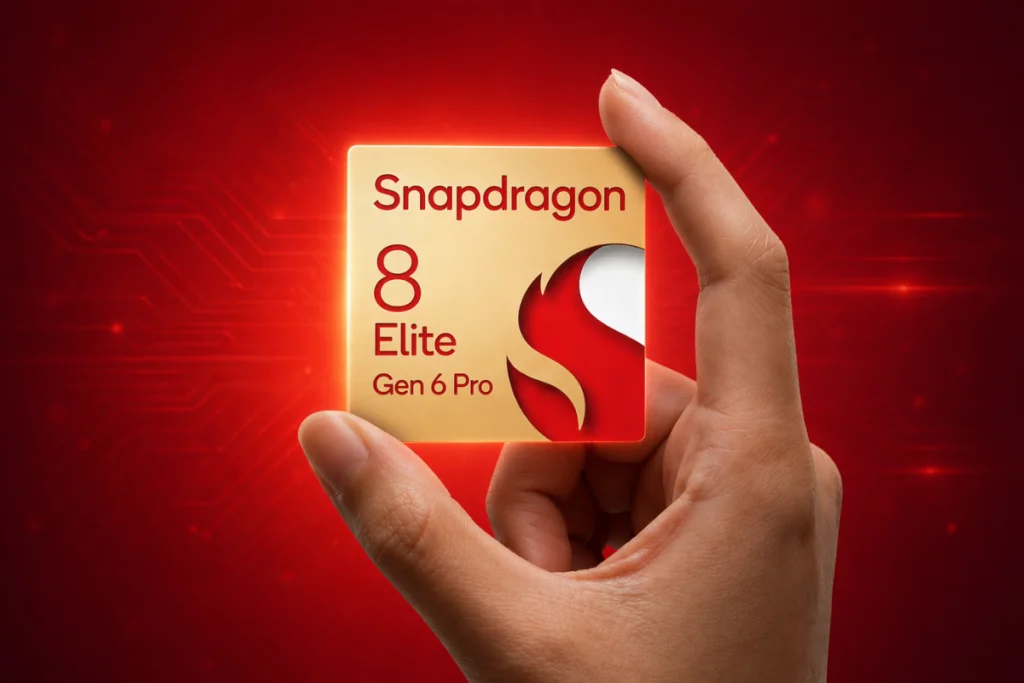
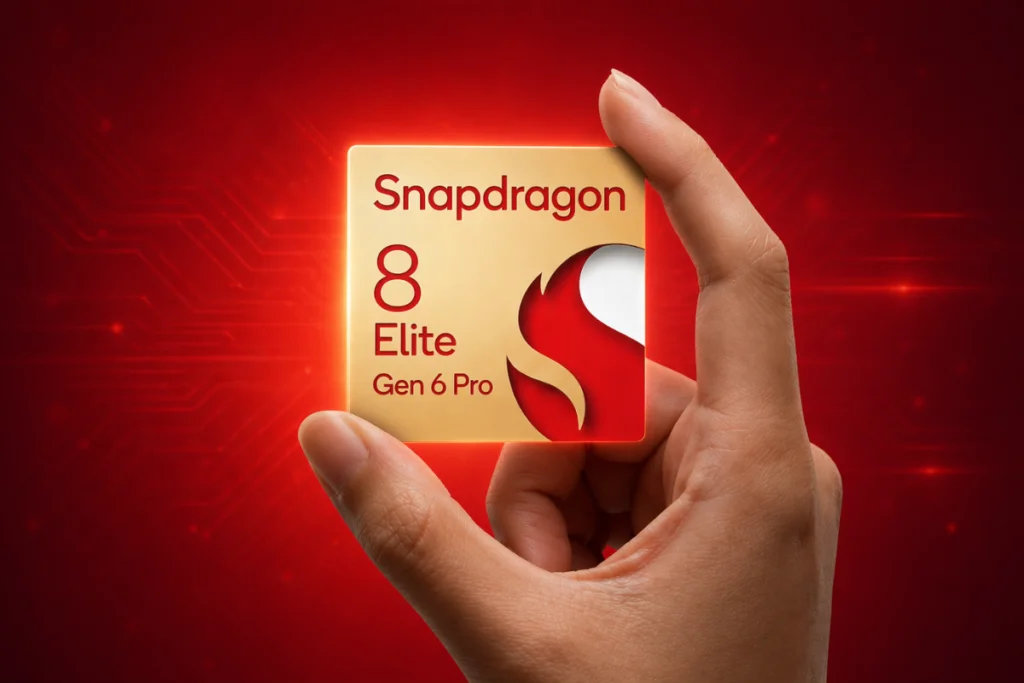
Recent leaks suggest Qualcomm is gearing up for a strategic shift in its flagship mobile chipset lineup, with indications pointing towards the development of two distinct versions of its next-generation flagship processor, the Snapdragon 8 Elite Gen 6. This new approach reportedly involves a standard model and a "Pro" variant, with the primary performance differentiation stemming not from CPU clock speeds, which are said to be identical, but from advancements in memory and storage technologies. This move could significantly impact the performance tiers within the Android flagship market, offering manufacturers more granular choices to target different price points and performance expectations.
Unpacking the Snapdragon 8 Elite Gen 6 Family
The forthcoming Snapdragon 8 Elite Gen 6 series is rumored to be built upon TSMC’s cutting-edge 2nm manufacturing process. This advanced node is expected to deliver substantial improvements in both performance and power efficiency compared to its predecessors, a crucial factor for today’s power-hungry mobile applications and the growing demand for on-device AI capabilities. While both the standard and Pro versions are anticipated to share the same core CPU architecture, the divergence in their supporting hardware promises to create a noticeable performance gap.
The standard Snapdragon 8 Elite Gen 6 is expected to continue leveraging LPDDR5X RAM technology. While LPDDR5X has been a stalwart in high-end smartphones, offering robust performance for current flagship devices, it represents the established standard. In contrast, the Snapdragon 8 Elite Gen 6 Pro is positioned to be one of the pioneering chipsets to integrate support for LPDDR6 RAM. LPDDR6, a forthcoming iteration of Low Power Double Data Rate memory, promises a significant leap in memory bandwidth. This increased bandwidth is critical for handling the escalating demands of modern mobile computing, including seamless multitasking, enhanced gaming experiences with higher fidelity graphics, and the acceleration of complex AI models that run directly on the device, often referred to as on-device AI or edge AI.
Beyond memory, the Pro variant is also rumored to feature support for UFS 5.0 storage. Universal Flash Storage (UFS) is the industry standard for high-speed flash storage in mobile devices, and UFS 5.0 would represent the next evolutionary step beyond the currently prevalent UFS 4.0. UFS 5.0 is expected to deliver substantially faster read and write speeds. This improvement in storage throughput is vital for quicker app loading times, faster file transfers, and more responsive overall system performance, particularly for tasks involving large datasets or frequent data access, such as high-resolution video recording and editing, and the loading of complex game assets.
Strategic Differentiation: Beyond Raw Clock Speed
Qualcomm’s reported strategy of differentiating its flagship chipsets primarily through memory and storage technologies marks a nuanced approach to product segmentation. Historically, flagship processor variants have often been distinguished by slightly higher CPU clock speeds or more powerful GPU configurations. By focusing on the supporting memory and storage subsystems, Qualcomm appears to be acknowledging that the bottleneck for many high-performance mobile tasks is no longer solely the processing cores themselves.
The introduction of LPDDR6, with its projected substantial bandwidth increases, is particularly noteworthy. According to industry projections, LPDDR6 could offer bandwidth improvements of up to 50% over LPDDR5X. For context, LPDDR5X typically offers bandwidths in the range of 8.5 GB/s to 17 GB/s per channel, depending on the configuration. A jump to LPDDR6 could push these figures considerably higher, potentially exceeding 25 GB/s per channel in certain implementations. This amplified data transfer capability directly benefits applications that are memory-intensive. For instance, advanced mobile gaming engines that stream high-resolution textures and complex scene data, or AI algorithms that process vast amounts of sensor data in real-time, would experience a tangible performance uplift.
Similarly, the move to UFS 5.0 promises a significant acceleration in storage I/O. While UFS 4.0 offers sequential read speeds of up to 4200 MB/s and write speeds of up to 2850 MB/s, UFS 5.0 is anticipated to double these figures, potentially reaching sequential read speeds of over 8000 MB/s. This enhanced storage performance is not only about faster loading but also about enabling more sophisticated mobile workflows. For example, professional mobile photography and videography, which often involve capturing and processing large RAW files or 8K video streams, would benefit immensely from such rapid storage access.
GPU Advancements and Binning Strategies
While the primary distinction between the two Snapdragon 8 Elite Gen 6 variants is expected to be in memory and storage, early indications suggest that the Pro version might also feature a more potent GPU. This GPU is currently rumored to be named Adreno 850, implying a generational leap in graphical processing power. The Adreno series has consistently been a strong performer in mobile graphics, and an enhanced version would cater to the ever-increasing demands of mobile gaming and augmented reality applications.
Furthermore, Qualcomm is reportedly continuing its practice of offering binned versions of its chipsets. This strategy involves selecting chips that perform exceptionally well during manufacturing and marketing them as higher-tier products, often with slightly different core configurations or clock speeds. The article mentions the possibility of a 7-core CPU configuration for specific price segments, which could be part of this binning strategy. This allows Qualcomm to cater to a wider range of device manufacturers and price points within the premium segment, offering a tailored performance profile for different market needs.
Pricing and Market Implications
The higher performance ceiling of the Snapdragon 8 Elite Gen 6 Pro, driven by LPDDR6 and UFS 5.0, is likely to come with a premium price tag. Reports suggest that the Pro chip could cost upwards of $300 per unit. This figure represents a substantial investment for smartphone manufacturers, particularly in an era where the overall cost of developing flagship devices is continually escalating.
Qualcomm’s bifurcated strategy appears designed to provide manufacturers with a clear choice: opt for the standard Snapdragon 8 Elite Gen 6 with LPDDR5X for more cost-effective flagship devices that still offer excellent performance, or invest in the Pro version with LPDDR6 and UFS 5.0 for devices aiming to push the absolute boundaries of mobile performance. This flexibility could lead to a more diverse and competitive flagship Android market in 2027. Instead of a uniform performance baseline across all premium devices, consumers might see more pronounced performance distinctions between standard flagships and their "Ultra" or "Pro" counterparts, even when sharing the same generational chipset designation.
Context and Historical Precedent
Qualcomm’s leadership in the mobile chipset market has been a consistent theme for many years. The Snapdragon series has powered a vast majority of flagship Android smartphones, setting benchmarks for performance, connectivity, and advanced features like AI processing. The introduction of the "Elite" branding in recent generations signaled a focus on enhanced AI and overall premium user experiences. The Snapdragon 8 Gen 3, for instance, has seen significant adoption and praise for its performance and efficiency. The Snapdragon 8 Gen 2, released in late 2022, marked a significant step forward in many areas, including GPU performance and AI capabilities, paving the way for the enhancements expected in the 8 Elite Gen 6.
The trend towards more powerful on-device AI capabilities has been a major driver in chipset development. Features like real-time language translation, advanced computational photography, personalized user experiences, and sophisticated voice assistants are increasingly reliant on powerful, efficient AI processing units integrated directly into the SoC. Technologies like Low Latency Wide (LLW) memory, mentioned in a related article from Jagat Gadget, are being developed specifically to accelerate these on-device AI workloads, further underscoring the importance of memory bandwidth and architecture in future mobile performance.

The current mobile landscape is also characterized by intense competition, not only among chipset manufacturers like Qualcomm, MediaTek, and Apple, but also among smartphone brands vying for market share. Offering distinct performance tiers within a single chipset generation allows manufacturers to differentiate their offerings more effectively, catering to enthusiasts who demand the absolute best, as well as a broader audience seeking a premium experience without the highest possible cost.
Potential Impact on the Android Ecosystem
If these leaks materialize, the 2027 Android flagship market could witness a fascinating dynamic. The differentiation strategy by Qualcomm could lead to a clearer hierarchy of performance among premium smartphones. For example, a device marketed as a "Snapdragon 8 Elite Gen 6" might offer a balanced, high-end experience, while a "Snapdragon 8 Elite Gen 6 Pro" branded device would be positioned as the ultimate performance machine, boasting superior speeds in demanding tasks.
This could also influence how smartphone manufacturers market their devices. Instead of relying solely on camera specifications or screen refresh rates to differentiate, the underlying chipset’s capabilities, particularly its memory and storage subsystems, could become a more prominent selling point. This emphasis on foundational technology could lead to a more informed consumer base, aware of how memory bandwidth and storage speeds directly impact their daily mobile usage.
The success of this strategy will depend on several factors, including the actual performance gains delivered by LPDDR6 and UFS 5.0, the accuracy of the pricing estimates, and how effectively smartphone manufacturers integrate these new technologies into their devices. However, Qualcomm’s history of innovation and its strong market position suggest that this strategic shift could have a significant and lasting impact on the direction of flagship smartphone development.
The move also aligns with broader industry trends in computing, where memory and storage speed have become increasingly critical performance enablers, especially with the rise of AI and large data processing. By proactively addressing these areas in its next-generation flagship chipsets, Qualcomm appears poised to maintain its competitive edge and continue shaping the future of mobile technology.