Tyo Susilo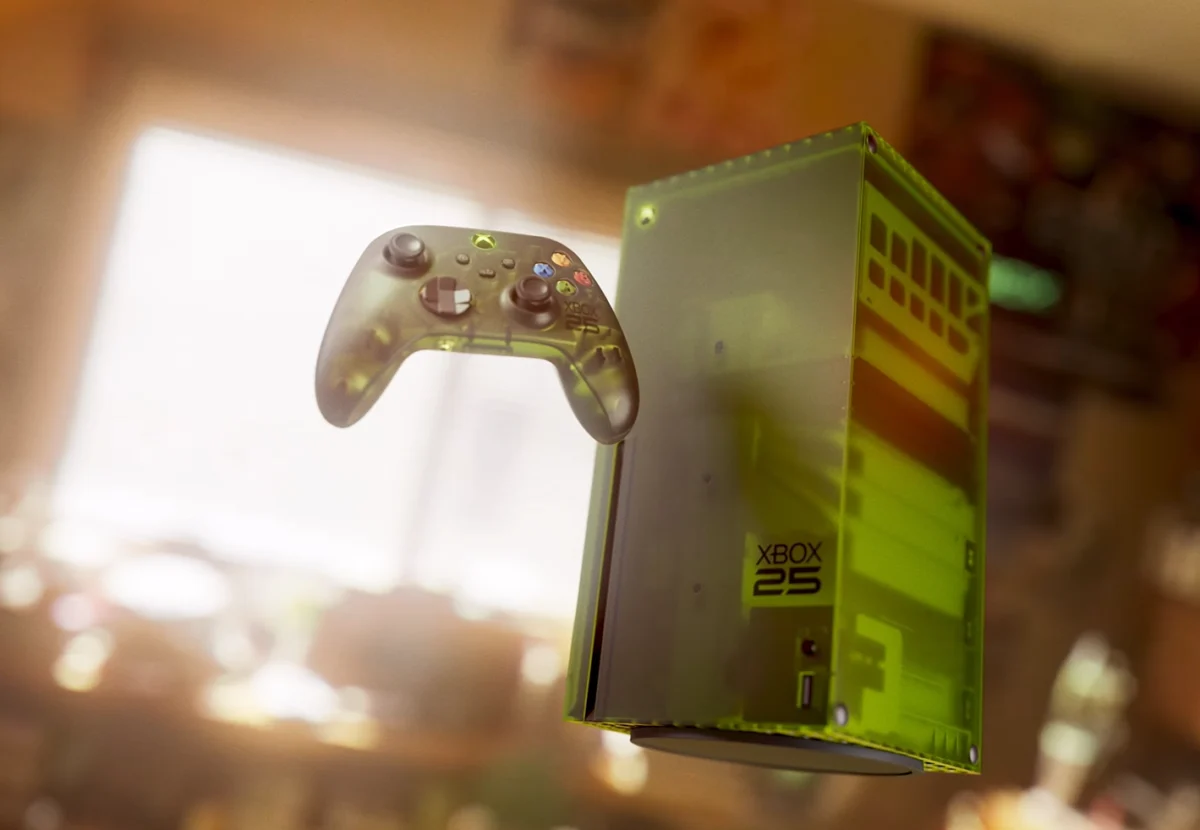
New speculation surrounding the pricing of Microsoft’s next-generation Xbox console, codenamed Project Helix, has resurfaced, with claims suggesting a potential price point as high as $1,200. This elevated forecast, fueled by industry analyses and emerging developer trends, echoes concerns previously raised by the high pricing of Valve’s Steam Machines and signals a potential paradigm shift in how consumers will acquire next-generation gaming hardware.
The Specter of High Console Pricing
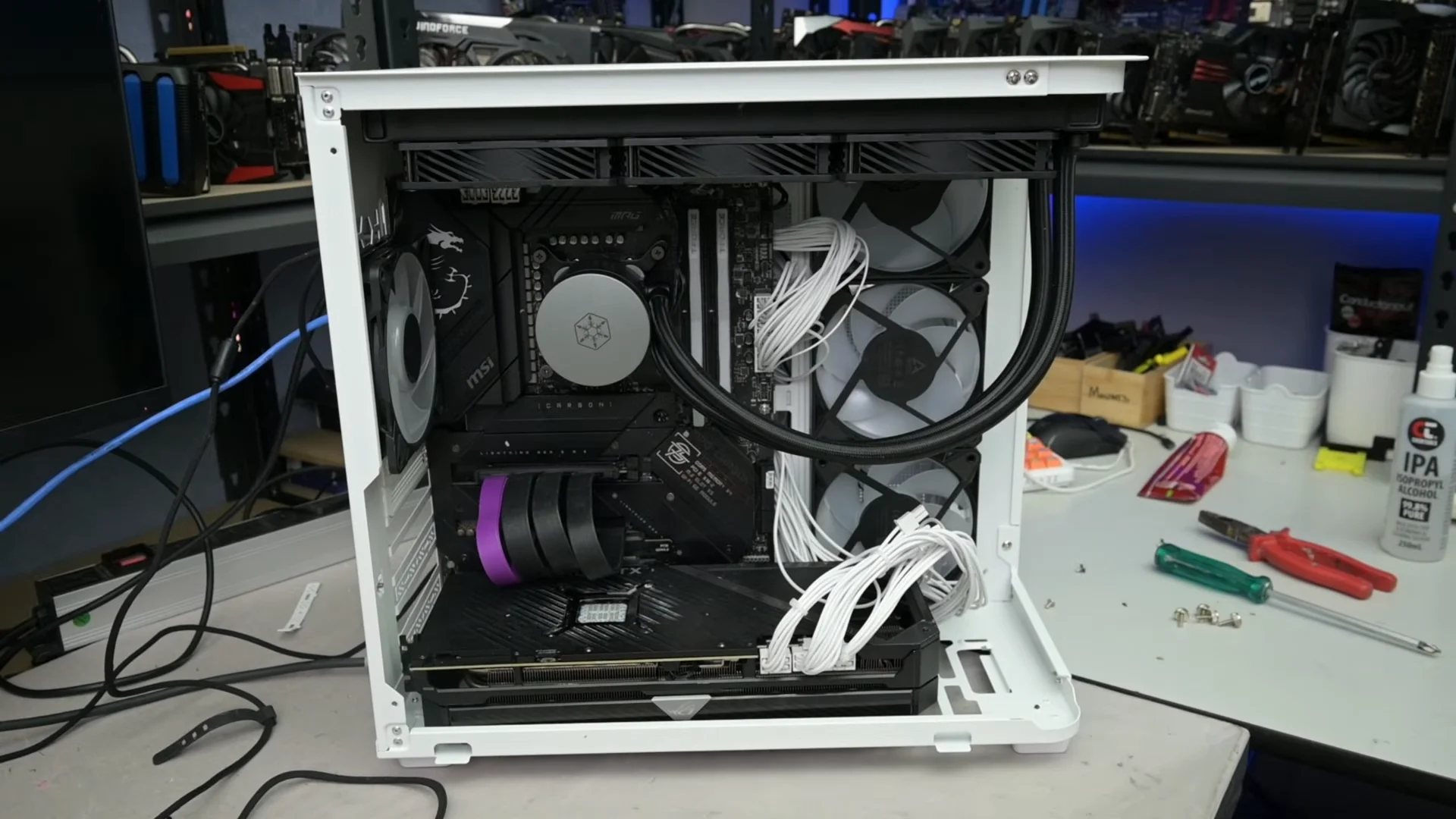
The initial discourse surrounding high-priced gaming hardware gained significant traction with Valve’s ambitious Steam Machine initiative. These devices, aiming to bridge the gap between PC gaming and living room consoles, often carried price tags reaching $1,000, a figure that deterred many potential buyers and ignited debates about the future of console affordability. The perceived similarity in the "hybrid PC" nature of Project Helix has now led to renewed apprehension among gamers anticipating Microsoft’s next major console release.
Emerging Speculation and Potential Launch Window
Recent speculation, prominently voiced by YouTuber Colt Eastwood, suggests that Project Helix could be positioned in the $1,000 to $1,200 range upon its earliest possible launch, potentially in late 2027. This projected price point represents more than double the launch price of the Xbox Series X in 2020, which debuted at $499. The significant jump in anticipated cost underscores the evolving economic landscape of high-performance consumer electronics.
The increasing cost of raw materials, advanced semiconductor manufacturing, and the research and development required for cutting-edge gaming technology are widely acknowledged factors contributing to the upward pressure on hardware prices. The global semiconductor shortage, which has impacted various industries since 2020, has also likely played a role in the long-term cost projections for consumer electronics. Furthermore, the drive to integrate increasingly powerful processors, graphics cards, and memory components to deliver enhanced gaming experiences necessitates substantial investment, which is inevitably passed on to the consumer.
Data Miners Uncover Payment Integration Clues
Adding a layer of intriguing detail to these price speculations, data miners have reportedly uncovered indications of new partnerships between Xbox and financial service providers Klarna and PayPal. Analysis of the backend of the official Xbox website allegedly revealed references to installment payment options, often marketed as "Buy Now, Pay Later" (BNPL). These payment solutions could potentially extend to consoles, accessories, controllers, and even Game Pass subscriptions.
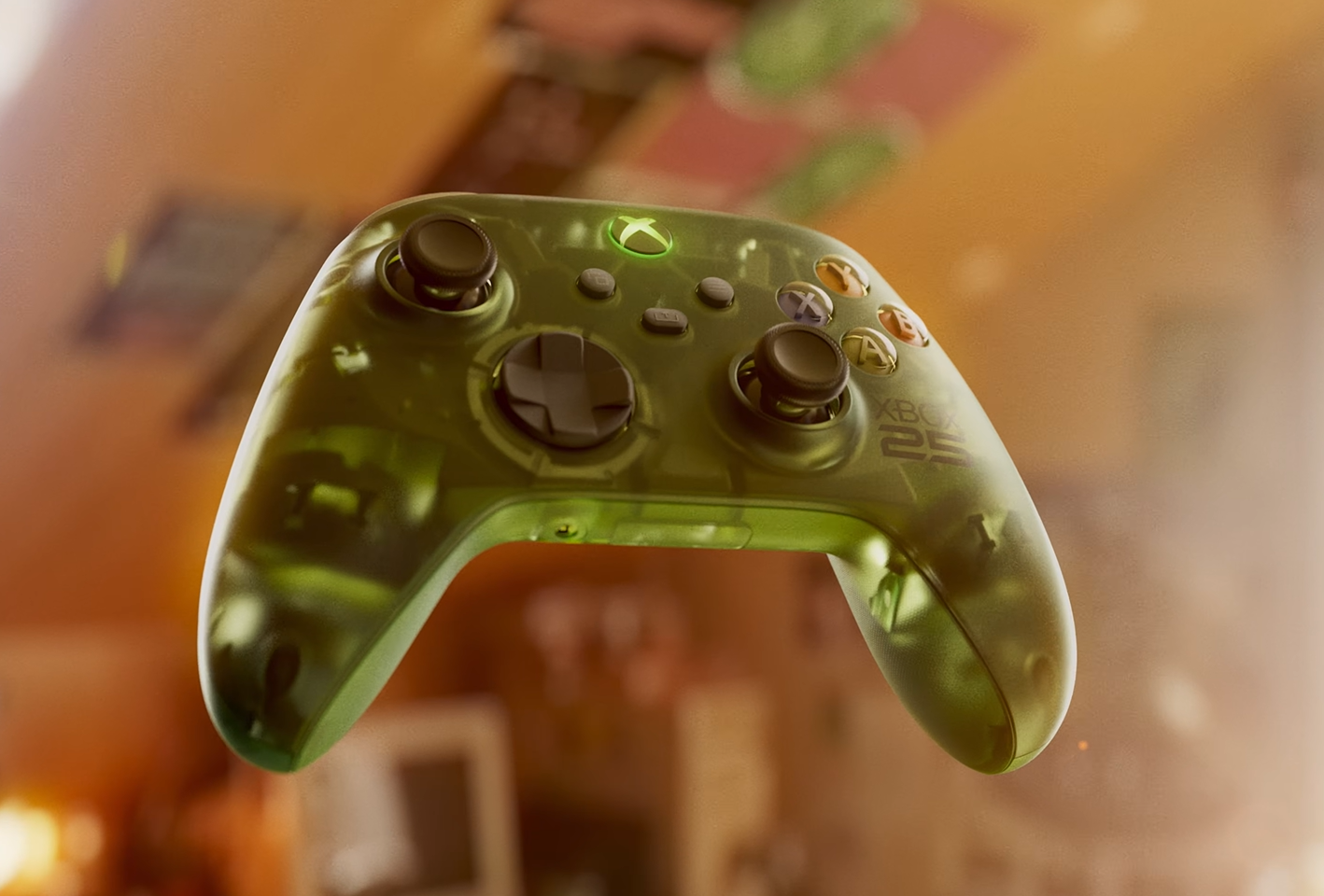
This discovery immediately drew parallels to Microsoft’s previous "Xbox All Access" program, first introduced in 2019. Xbox All Access allowed consumers to acquire a console and a Game Pass subscription through a series of interest-free monthly payments over a two-year period. The resurgence of such payment options suggests a strategic move by Microsoft to mitigate the upfront financial burden associated with a potentially high-priced next-generation console.
Analyzing the "Buy Now, Pay Later" Model for Project Helix
If a similar installment plan is implemented for Project Helix, the projected $1,200 console could be bundled with a Game Pass Ultimate subscription. This package might be offered through monthly credit installments, potentially around $65 per month over 24 months. While the total value of such a package could theoretically approach $1,900 over the two-year period, the immediate out-of-pocket expense for consumers would be significantly reduced, making the high-end hardware more accessible.
This approach offers several strategic advantages for Microsoft. Firstly, it allows them to avoid substantial hardware subsidies. Reports have previously indicated that some Xbox executives had explored subsidizing console costs to maintain affordability. However, in the current economic climate, where hardware components are experiencing escalating prices, a subscription-based, phased payment model appears to be a more financially viable long-term solution. This is particularly relevant considering that current-generation consoles, like the Xbox Series X, are reportedly incurring losses of several hundred dollars per unit sold, a situation that is unlikely to improve with more advanced hardware.
A Shifting Industry Landscape: Subscription Over Ownership
The increasing prominence of subscription models and phased payment options reflects a broader trend within the gaming industry. Historically, consoles were primarily associated with a one-time purchase at the beginning of a generation. However, the industry is gradually transitioning towards a more recurring revenue-based business model. With Xbox Game Pass serving as the cornerstone of Microsoft’s ecosystem, the company may be more inclined to retain users within its services rather than solely focusing on hardware sales.
This strategic pivot aligns with the evolving consumer expectations for value and flexibility. In an era where digital content and services are increasingly consumed on a subscription basis, gaming is following a similar trajectory. The success of Game Pass, which offers a vast library of games for a monthly fee, demonstrates the strong consumer appetite for such an offering. Bundling high-end hardware with this popular service through manageable payment plans presents a compelling proposition for a wider audience.
Historical Context and Precedent
The concept of bundling consoles with services isn’t entirely new for Microsoft. The original Xbox All Access program, launched in 2019, offered the Xbox One S All-Digital Edition or the Xbox One X bundled with Xbox Game Pass Ultimate for a monthly fee. This program was expanded over time to include the Xbox Series S and Series X, proving to be a popular choice for many gamers seeking a more affordable entry point into the current generation of Xbox gaming. The alleged discovery of similar payment integration for Project Helix suggests a desire to build upon this established success and adapt it for the next console generation.

Broader Implications for the Gaming Market
The potential for a $1,200 Xbox console, even with accessible payment plans, could have significant ripple effects across the gaming industry. It might encourage competitors to adopt similar pricing strategies or explore alternative business models to remain competitive. Furthermore, it could exacerbate the digital divide, potentially limiting access to the latest gaming technology for consumers with more modest budgets who cannot avail themselves of installment plans or choose not to engage with subscription services.
However, it also highlights the increasing sophistication of the gaming market, where hardware is becoming just one component of a larger, interconnected ecosystem of services and content. Microsoft’s strategy appears to be one of locking users into their ecosystem through the value proposition of Game Pass, with hardware serving as the gateway. This approach could redefine what it means to "own" a console in the future, shifting the focus from the physical device to the ongoing access to a rich gaming library and associated services.
Looking Ahead: Confirmation and Consumer Reaction
While all this information remains firmly in the realm of rumor and speculation, and no official confirmation has been provided by Microsoft regarding the pricing of Project Helix or the revival of the Xbox All Access program for the next generation, one aspect is becoming increasingly apparent: the era of $500 consoles may be steadily receding. The relentless upward march in component costs suggests that future flagship consoles will likely command higher price tags.
The industry is undoubtedly at a crossroads, navigating the delicate balance between technological advancement, consumer affordability, and sustainable business models. The response from consumers to such a high initial price point, even with financing options, will be a critical factor in shaping the future trajectory of console gaming.
The question remains: would consumers be willing to commit to a two-year payment plan to secure the next-generation Xbox console, even with a substantial monthly outlay? This decision will likely depend on the perceived value of the hardware, the appeal of the bundled services, and the overall economic climate at the time of Project Helix’s eventual launch. The gaming community will undoubtedly be watching closely for any official announcements from Microsoft that could shed further light on the future of Xbox hardware and its associated business strategies.