Azin Asro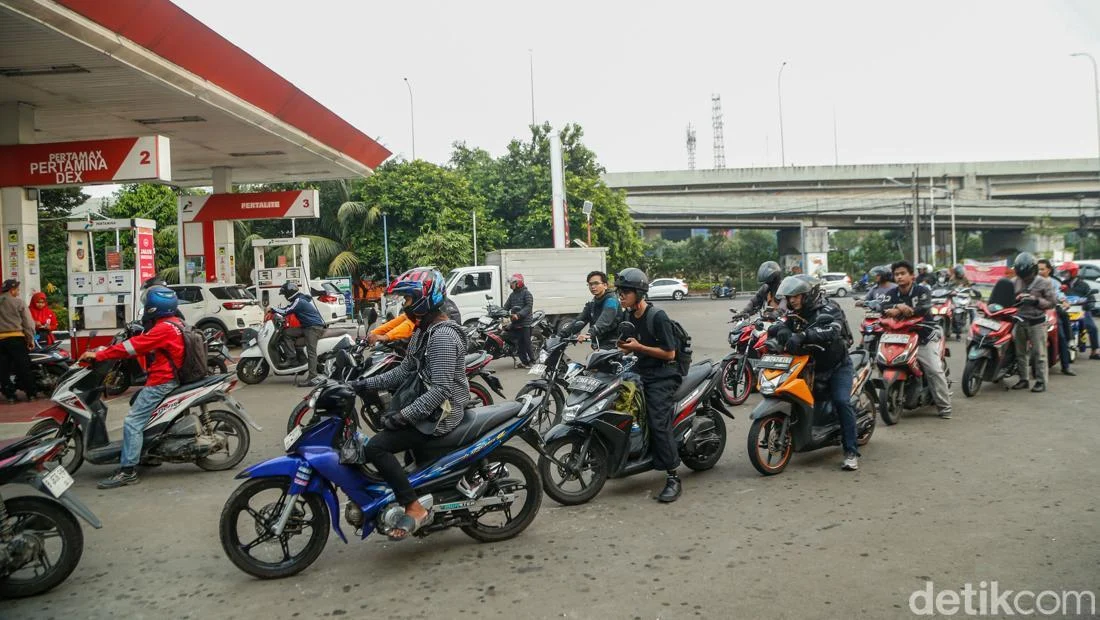
The Indonesian energy landscape is currently facing a significant shift as the price of Pertamax, a non-subsidized fuel with a Research Octane Number (RON) of 92, has surged to Rp 16,250 per liter. This substantial price adjustment is creating a ripple effect across the nation’s economy, leading energy analysts to forecast a massive migration of consumers toward Pertalite, the more affordable, government-subsidized RON 90 fuel. The widening price disparity between these two fuel types has reached a historic high, prompting concerns regarding the sustainability of the national fuel subsidy quota and the potential impact on household spending across various socioeconomic tiers.
Yayan Satyakti, an energy expert from Universitas Padjadjaran (Unpad), has provided a sobering outlook on the situation. Based on current market trends and historical data, Satyakti predicts that approximately 10 percent of current Pertamax users will immediately shift their consumption to Pertalite. This migration is not merely a theoretical possibility but a behavioral pattern observed during previous price fluctuations. Satyakti pointed to the events of April 2022 as a primary reference point; during that period, Pertamax prices saw a 39 percent increase, which resulted in roughly one out of every eight consumers abandoning the high-octane fuel in favor of subsidized alternatives. Consequently, the sales volume for Pertamax is expected to contract by a minimum of 10 percent in the coming weeks.
The Historic Price Disparity and Market Dynamics
The current pricing structure represents a significant departure from previous months. Previously, Pertamax was retailed at approximately Rp 12,300 per liter. The jump to Rp 16,250 marks a steep incline that many middle-class households find difficult to absorb. Meanwhile, the government has maintained the price of Pertalite at a steady Rp 10,000 per liter. This creates a price gap of Rp 6,250 per liter, which Satyakti identifies as the widest margin ever recorded in the history of Indonesian fuel retail.
In a market where price sensitivity is high, such a gap serves as a powerful incentive for consumers to downgrade their fuel choice. While Pertamax is technically superior for modern engines requiring high-compression ratios, the immediate financial pressure on consumers often outweighs long-term mechanical considerations. Satyakti noted that while the price of fuel has risen, the necessity for mobility has not diminished. Instead of traveling less, Indonesians are simply opting for the cheapest available energy source to maintain their daily routines, effectively shifting the burden of rising global oil prices onto the state-subsidized Pertalite supply.
Socioeconomic Impact: The Decile Analysis
To better understand how this price hike affects the population, Satyakti utilized the government’s welfare ranking system, which categorizes Indonesian households into ten deciles (Desil 1 to Desil 10). This analysis reveals a nuanced picture of who bears the brunt of the Pertamax price increase.
For households in Decile 1—the lowest income bracket—the impact is negligible. This demographic primarily relies on public transportation or does not possess vehicles that require Pertamax. Their energy consumption is almost exclusively tied to subsidized products, meaning the price hike of a premium product does not directly alter their monthly expenditure.
The real shift occurs within the middle class, specifically Deciles 5 through 7. These households typically own motorcycles or older model cars and have been the primary growth driver for Pertamax consumption in recent years. With the current price hike, a significant portion of this group is expected to "descend" into Pertalite usage. For these families, fuel is a major component of the monthly budget, and the Rp 6,250 per liter savings represents a necessary adjustment to maintain their overall purchasing power for other essentials like food and education.
Deciles 8 and 9, representing the upper-middle class and regular car owners, face a different challenge. While they may have the financial capacity to continue using Pertamax, they will see a marked increase in their cost of living. For instance, a car owner who consumes 100 liters of Pertamax a month will now have to spend an additional Rp 395,000 per month. Similarly, a motorcyclist using 30 liters a month will see an increase of approximately Rp 119,000. While these households might not immediately switch to Pertalite, the cumulative effect of these costs could eventually lead to reduced spending in other sectors of the economy.
Finally, Decile 10—the wealthiest segment of society—is expected to shoulder the heaviest financial burden. This group often manages corporate fleets, large-scale plantations, and mining operations. Under current regulations, operational vehicles for these industries are strictly prohibited from using subsidized fuel. Therefore, the wealthiest 20 percent of households are effectively paying what Satyakti describes as a "de facto tax." Approximately half of the total financial burden generated by the Pertamax price hike is concentrated within this top 20 percent, as they have no legal recourse to switch to subsidized alternatives for their business operations.
Pertamina’s Strategy and Supply Assurance
In response to the looming migration toward Pertalite, PT Pertamina Patra Niaga, the trading and distribution arm of the state-owned energy giant, has moved to reassure the public. Despite the anticipated surge in demand for RON 90 fuel, the company insists that Pertalite stocks remain sufficient and that distribution networks are operating at full capacity.
Roberth MV Dumatubun, the Corporate Secretary of Pertamina Patra Niaga, emphasized that the distribution of Pertalite is being closely monitored to ensure it aligns with government assignments. He stated that the company is committed to preventing any regional scarcities that might arise from sudden shifts in consumer behavior. However, Pertamina is also using this moment to advocate for "energy wisdom."
The company is actively encouraging citizens to purchase fuel that is appropriate for their vehicle specifications. Most modern vehicles manufactured in the last decade are designed for RON 92 or higher. Using Pertalite (RON 90) in these engines can lead to "knocking," reduced fuel efficiency, and long-term engine damage. Pertamina’s official stance is a call for consumers to remain disciplined and use non-subsidized fuel if their financial status and vehicle requirements allow for it, thereby preserving the subsidized quota for those who truly need it.
Contextual Background: Global Oil Volatility and National Policy
The price hike in Indonesia does not occur in a vacuum. It is a direct result of the volatility in the global crude oil market, influenced by geopolitical tensions, supply chain disruptions, and fluctuations in the value of the Indonesian Rupiah against the US Dollar. As a net importer of oil, Indonesia is highly susceptible to international price movements.
The Indonesian government has historically used subsidies to shield the domestic population from global price shocks. However, the fiscal burden of these subsidies has become increasingly heavy. The shift in Pertamax pricing is part of a broader strategy to move toward a "market-based" pricing mechanism for non-subsidized fuels while keeping Pertalite and Solar (diesel) as a social safety net.
The challenge for the government lies in the "leakage" of subsidies. When the price gap between subsidized and non-subsidized fuel becomes too wide—as it is now—it becomes nearly impossible to prevent consumers who are technically capable of paying market rates from switching to subsidized products. This puts the national budget at risk, as the government must pay the difference between the market price and the fixed retail price of Pertalite to Pertamina.
Broader Implications for the Indonesian Economy
The migration from Pertamax to Pertalite carries several macro-economic implications. First is the impact on inflation. While Pertalite prices are fixed, the increased cost of Pertamax affects the logistics and operational costs of businesses in the top deciles. These costs are often passed down to consumers in the form of higher prices for goods and services, contributing to inflationary pressure.
Secondly, there is an environmental and technical concern. Pertamax (RON 92) is a cleaner-burning fuel compared to Pertalite (RON 90). A mass migration to lower-octane fuel could lead to higher levels of vehicle emissions, complicating Indonesia’s efforts to meet its carbon reduction targets and improve air quality in major urban centers like Jakarta.
Furthermore, the automotive industry may see a shift in consumer preference. If high fuel prices for RON 92 become a long-term reality, consumers may pivot toward hybrid or electric vehicles (EVs) faster than previously anticipated. The government has already been pushing for an EV ecosystem, and high fossil fuel prices could serve as the ultimate catalyst for this transition.
Conclusion and Future Outlook
As the Rp 16,250 per liter price tag for Pertamax becomes the new reality for Indonesian motorists, the focus remains on how well the government and Pertamina can manage the resulting demand for Pertalite. According to Satyakti, the remaining quota for Pertalite should be sufficient to absorb the 10 percent migration, with only about one-third of the remaining buffer expected to be consumed by the influx of new users.
However, the situation remains fluid. If global oil prices continue to climb or if the Rupiah weakens further, the pressure on both the national budget and the consumer’s wallet will intensify. For now, the Indonesian public is navigating a period of significant economic adjustment, balancing the immediate need for affordable mobility against the long-term health of their vehicles and the national economy. The coming months will be a critical test of Indonesia’s energy resilience and its ability to manage a complex subsidy system in an era of global uncertainty.