Azin Asro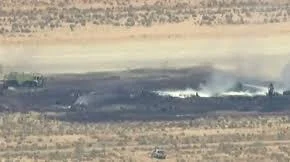
The United States Air Force is mourning the loss of eight personnel following a catastrophic accident involving a B-52 Stratofortress bomber during a routine test flight in Southern California. The incident occurred on Monday, June 15, shortly after the massive aircraft departed from Edwards Air Force Base, a premier flight-testing installation located northeast of Los Angeles in the Mojave Desert. According to official reports, the aircraft was engaged in a scheduled developmental mission when the mishap occurred, leading to the total loss of the airframe and the tragic deaths of all eight individuals on board. While the B-52 typically operates with a standard crew of five, the presence of additional personnel is common during complex testing and evaluation missions, which often require extra engineers, instructors, or specialized technicians to monitor aircraft performance and experimental systems.
Chronology of the Edwards Air Force Base Incident
The sequence of events began on a clear Monday morning at Edwards Air Force Base, an installation renowned for its role in testing the world’s most advanced aerospace technology. The B-52 Stratofortress, a cornerstone of the American strategic bomber fleet, was cleared for takeoff at approximately 11:20 AM local time. Initial flight data suggests the aircraft followed a standard departure profile, heading toward a designated testing range within the vast R-2508 Special Use Airspace complex.
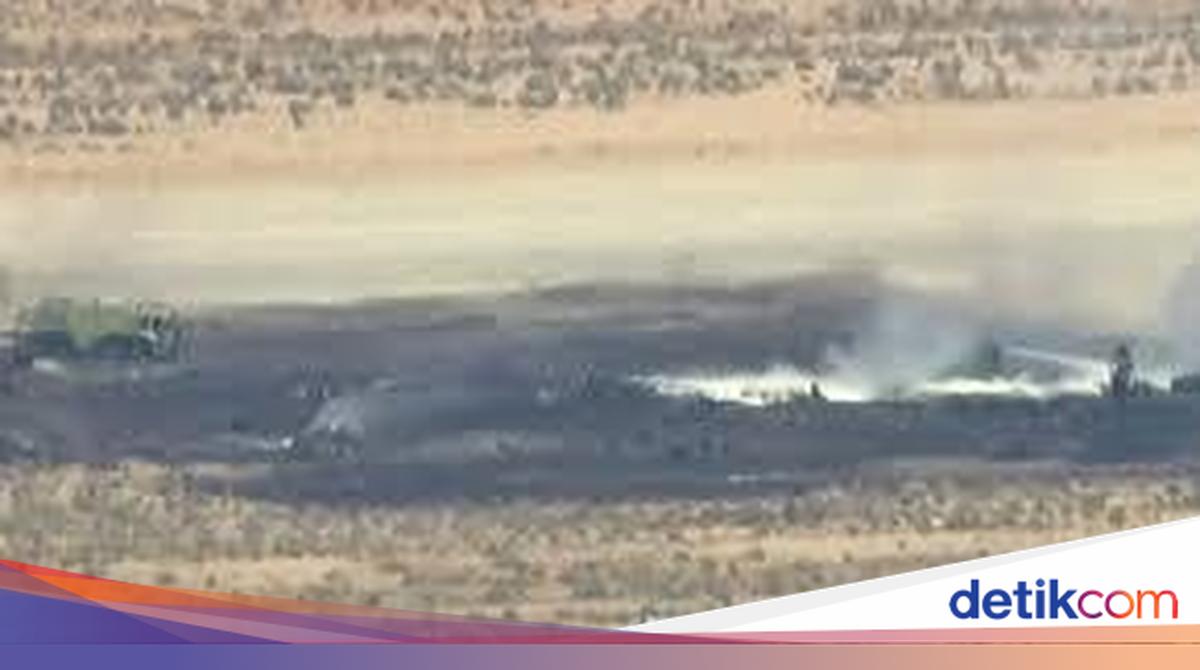
However, shortly after lifting off, the aircraft encountered undisclosed difficulties. Eye-witness accounts and preliminary radar data indicate that the bomber struggled to maintain altitude before crashing in a remote area of the high desert, far from civilian residential centers. Emergency response teams from the 412th Test Wing at Edwards were dispatched immediately to the crash site, but officials confirmed that there were no survivors among the eight occupants. The identities of the deceased are being withheld pending the standard 24-hour notification period for next-of-kin, a somber protocol followed by the Department of Defense.
The Air Force has established a security perimeter around the wreckage to preserve evidence for the upcoming Safety Investigation Board (SIB) and Accident Investigation Board (AIB). These panels will meticulously analyze flight data recorders, maintenance logs, and wreckage patterns to determine whether the cause was mechanical failure, human error, or environmental factors.
Technical Specifications and Capabilities of the B-52 Stratofortress
The B-52 Stratofortress, manufactured by Boeing, is widely regarded as one of the most versatile and durable aircraft in aviation history. Known affectionately by its crews as the "BUFF" (Big Ugly Fat Fellow), the aircraft serves as a long-range, heavy bomber capable of performing a variety of missions, including strategic attack, close-air support, air interdiction, and maritime operations.
The technical profile of the B-52 is a testament to Cold War engineering that has been adapted for the 21st century. The aircraft is powered by eight Pratt & Whitney TF33-P-3/103 turbofan engines, each capable of producing up to 17,000 pounds of thrust. This massive power plant allows the bomber to carry a staggering fuel load of 141,610 kg (approximately 312,000 pounds), enabling an unrefueled combat range of 8,800 miles (over 14,000 km). With aerial refueling, its range is limited only by crew endurance.
In terms of physical dimensions, the B-52 is a titan of the skies:
- Wingspan: 56.4 meters (185 feet)
- Length: 48.6 meters (159 feet, 4 inches)
- Height: 12.4 meters (40 feet, 8 inches)
- Weight: Empty weight is approximately 83,915 kg (185,000 pounds), with a maximum takeoff weight of 220,000 kg (488,000 pounds).
The aircraft’s primary strength lies in its payload capacity. It can carry up to 31,751 kg (70,000 pounds) of mixed ordnance. This includes a diverse array of weapons ranging from conventional gravity bombs and laser-guided "smart" bombs to Joint Direct Attack Munitions (JDAM), sea mines, and sophisticated cruise missiles. Crucially, the B-52 is a key component of the U.S. nuclear triad, capable of delivering nuclear-armed Air-Launched Cruise Missiles (ALCMs) to targets anywhere on the globe, providing a visible and flexible deterrent.
Historical Context and the Longevity of the Fleet
The B-52 first took flight in 1952, and the last airframe, a B-52H, was delivered to the Air Force in 1962. Boeing produced a total of 744 units across several variants. Despite its age, the B-52 has remained in continuous service through the Vietnam War, the Gulf War, and modern conflicts in the Middle East, consistently proving its worth through various modernization programs.
The fact that an aircraft designed in the slide-rule era remains a front-line asset in the age of stealth and cyber warfare is an anomaly in military history. The Air Force has found that the B-52’s cavernous internal bomb bay and external wing pylons make it an ideal platform for testing new hypersonic weapons and long-range sensors. This is likely why the aircraft involved in the June 15 crash was operating out of Edwards AFB, which serves as the hub for the Air Force Materiel Command’s flight test missions.
Current Department of Defense plans involve keeping the B-52 fleet operational until at least 2040, and potentially beyond 2050. To achieve this, the fleet is undergoing the Commercial Engine Replacement Program (CERP), which will replace the aging TF33 engines with modern Rolls-Royce F130 engines. This upgrade is expected to increase fuel efficiency, reduce maintenance costs, and extend the aircraft’s range even further. The crash at Edwards, however, may prompt a review of the current fleet’s structural integrity and the pace of these modernization efforts.
Official Responses and Investigative Procedures
Following the accident, Air Force Global Strike Command (AFGSC) issued a statement expressing profound sadness over the loss of life. "Our thoughts and prayers are with the families of the brave Airmen we lost today," the statement read. "The mission of flight testing is inherently dangerous, but it is necessary to ensure the safety and superiority of our nation’s defense. We are committed to a thorough investigation to understand what happened and to prevent future tragedies."
The investigation is expected to be a multi-month process. Investigators will look closely at the "maintenance history" of the specific airframe involved. Given that B-52s are decades old, "metal fatigue" and "obsolete parts" are perennial concerns for maintenance crews. The investigation will also scrutinize the specific parameters of the test mission. If the aircraft was carrying experimental equipment or performing high-stress maneuvers, these factors will be weighed against the mechanical performance of the eight engines and the flight control systems.
Lawmakers on Capitol Hill are also expected to take an interest in the findings. The House and Senate Armed Services Committees frequently review the safety records of aging military platforms to determine if procurement of newer aircraft, such as the B-21 Raider, should be accelerated.
Strategic Implications and Future Outlook
The loss of a B-52 and its crew is a significant blow to the U.S. Air Force’s strategic capabilities. While the loss of one airframe does not cripple the fleet of approximately 76 remaining B-52Hs, the loss of experienced test personnel is a setback for developmental programs. Edwards Air Force Base is the "proving ground" for the next generation of American air power, and accidents of this magnitude can lead to temporary "safety stand-downs," pausing critical testing schedules.
From a broader perspective, this incident highlights the challenges of the "high-low" mix in the U.S. bomber inventory. While the Air Force is moving toward a future dominated by the stealthy B-21 Raider, it remains heavily dependent on the "legacy" B-52 for missions where stealth is not the primary requirement, but payload and persistence are. The B-52’s ability to loiter over a battlefield for hours or launch standoff missiles from thousands of miles away makes it irreplaceable for the time being.
The crash also underscores the human cost of maintaining a global strike capability. The eight crew members were part of an elite group tasked with pushing the boundaries of aviation to ensure that the B-52 remains a credible threat to adversaries. As the investigation continues, the aviation community will be looking for answers to ensure that the "Stratofortress" can safely continue its watch over the skies for the decades to come.
In the interim, the community at Edwards Air Force Base and the wider Air Force family will focus on supporting the families of the fallen. Memorial services are expected to be held at the base, honoring the legacy of those who serve in the shadows of the Mojave, testing the machines that define American military strength. The findings of the investigation, once released, will likely influence the maintenance protocols and modernization strategies for the entire B-52 fleet, ensuring that the lessons learned from this tragedy contribute to the safety of future crews.