
 Nila Kartika Wati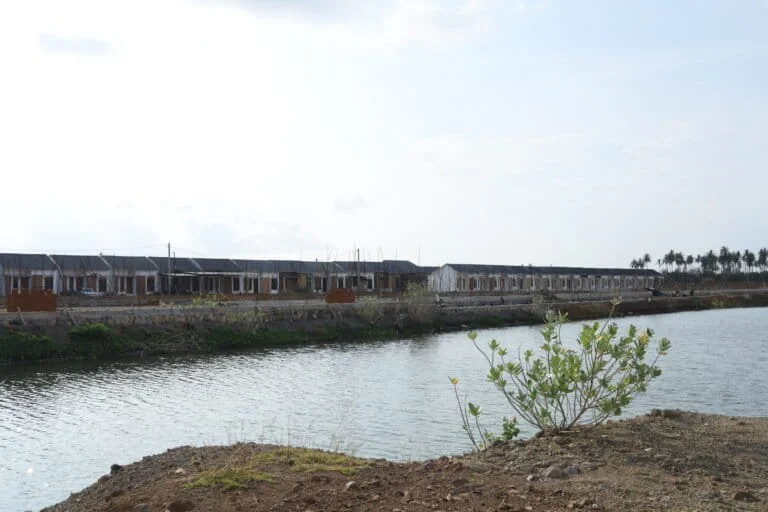
The coastal regions of Banda Aceh serve as a critical ecological corridor within the East Asian-Australasian Flyway (EAAF), a vast network of routes spanning from the Arctic Circle to the southern reaches of Australia and New Zealand. Among the vital nodes in this global tapestry is the Lampulo coastline in Banda Aceh, a region that has historically functioned as a sanctuary for avian travelers. These birds rely on the nutrient-rich mudflats and mangrove forests of Aceh to replenish their energy reserves before embarking on the next grueling leg of their transcontinental journey. However, recent data suggests that this vital refuge is undergoing a quiet, yet catastrophic, collapse. The rapid degradation of mangrove ecosystems due to urban expansion and industrial development has pushed these migratory populations to the brink of disappearance, threatening to break a chain in the global ecological cycle.
A Global Corridor Under Siege
The EAAF is not merely a geographic pathway; it is a lifeline for millions of migratory birds. In the specific context of Banda Aceh, the coastline acts as both a refueling station and a terminal destination for at least 17 migratory species hailing from as far as the Siberian tundra and the European continent. Among the most remarkable visitors are the bar-tailed godwits (Limosa lapponica), renowned for their extraordinary endurance. These birds are capable of completing non-stop trans-Pacific flights, covering distances as vast as 13,560 kilometers from their breeding grounds in Alaska to the shores of Southeast Asia.
Joining them are species such as the ruddy turnstone (Arenaria interpres), the common redshank (Tringa totanus), various plovers, curlews, and the common sandpiper. For these species, the mangrove forests of Aceh are non-negotiable. The sediment-rich environment provides a specialized habitat for worms, crustaceans, and mollusks—the essential fuel required for these birds to survive their migrations. Without these coastal wetlands, the metabolic demands of such long-distance travel cannot be met, leading to increased mortality rates and a sharp decline in population counts.
Chronology of Ecological Decline
The decline of the Banda Aceh mangroves is not a recent phenomenon but a trend that has accelerated over the past two decades. A pivotal study conducted by Mira et al. (2020) provides a grim quantitative assessment of this loss. Between 2004 and 2009, the coastal area of Banda Aceh witnessed a staggering 52.13% reduction in mangrove cover. The forest area plummeted from approximately 600 hectares to just 287.19 hectares in a mere five years.
This period coincides with the post-tsunami reconstruction era, where the urgency for urban development often overrode environmental preservation protocols. The conversion of mangrove forests into residential zones, aquaculture ponds, and infrastructure projects became widespread across five key districts: Jaya Baru, Kuta Alam, Kuta Raja, Meuraxa, and Syiah Kuala.
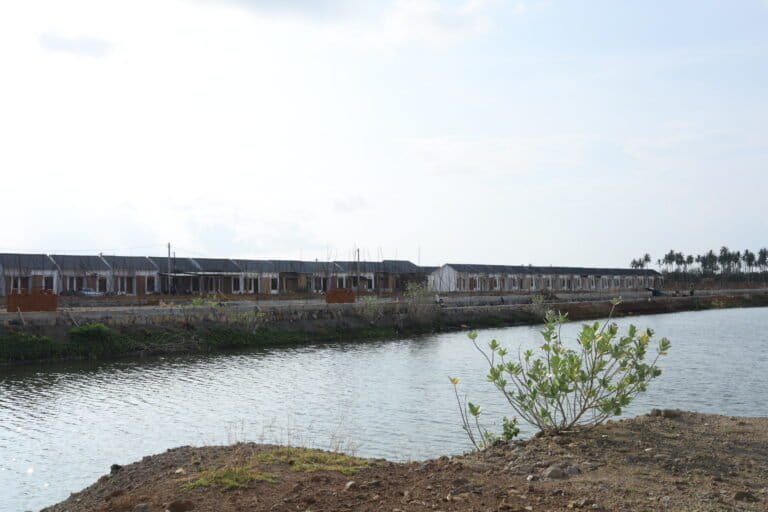
By 2012, the situation deteriorated further with the construction of the Lampulo Fish Landing Port (TPI). The land reclamation and sediment dumping required for this infrastructure effectively buried the foraging grounds of many avian species. Observations confirm that in the Kuta Alam region alone, five distinct species that were once local staples have vanished entirely from the site. The trend has continued through to early 2025, where the diversity and abundance of migratory birds have hit a historical low. Surveys conducted as of February 2025 reveal that only four species—the common redshank, the Pacific golden plover, the lesser sand plover, and the ruddy turnstone—remain in the area. Most alarming is the population count; where once thousands of birds (estimated at over 2,000 individuals) would congregate, recent tallies indicate fewer than 100 birds remain.
Official Perspectives and Administrative Challenges
The local government, represented by the Department of Environment, Forestry, and Agriculture (DLHK3), acknowledges the mounting pressure on these ecosystems. Eddy Safari, Head of the Division for Environmental Control and Management at DLHK3, highlighted the administrative hurdles in protecting these regions. According to official reports, approximately 10% of the remaining mangrove lands in the city have been fragmented and transitioned into private ownership.
This privatization complicates conservation efforts, as land-use rights often supersede environmental zoning. The loss of these areas to private development creates a "patchwork" effect, where the ecological integrity of the remaining forest is compromised by surrounding noise, pollution, and lack of connectivity. While policies for mangrove restoration exist, the pace of degradation significantly outstrips the pace of reforestation, leaving little room for the birds to adapt.
The Symbiotic Relationship: Why Mangroves Matter
The relationship between migratory birds and mangrove ecosystems is a classic example of mutualism, an intricate biological dance that serves the interests of both parties. Mangroves are not merely trees; they are complex biological engines. Species like Avicennia (white api-api) and various black mangrove varieties provide the structural foundation for the mudflats.
The birds, in turn, serve as ecological guardians. Research indicates that during peak migration, populations of plovers and sandpipers can control local invertebrate populations—including insects, gastropods, and root-boring crustaceans—by as much as 30% to 50%. This biological pest control is essential for the health of the mangroves themselves, as it prevents over-predation on the trees’ root systems.
Furthermore, certain species like the whiskered tern (Chlidonias spp.) play an underrated role in coastal reforestation. These birds act as "forest farmers," inadvertently transporting mangrove propagules and seeds to distant coastal areas, including the northern and eastern stretches of Aceh. When the birds are driven away by habitat loss, this natural seed dispersal mechanism is severed, leading to a decline in the genetic diversity and geographical expansion of the mangroves themselves.
Implications for the Broader Ecosystem
The loss of these migratory birds is an early warning system for a broader environmental collapse. The disappearance of these species is rarely viewed as a "critical" issue by local stakeholders because the negative impact is not immediate or visually dramatic. However, the cascading effects of this loss are profound.
Rita Andini, a researcher specializing in biodiversity, conservation, and plant genetic engineering at the National Research and Innovation Agency (BRIN), emphasizes the long-term consequences of this decline. "The presence of these birds is integral to the reproductive cycle of the forest," Andini explains. "Certain bird species are essential in the dispersal of propagules. When these vectors are removed from the landscape, the natural regeneration of the mangrove forest slows down significantly. In disturbed areas, the absence of these birds means that the forest lacks the biological support system necessary to recover from storms or other natural stressors."
This creates a negative feedback loop: as the mangrove forest shrinks, the birds leave; as the birds leave, the forest loses its primary agent for seed dispersal and pest control; consequently, the forest becomes more susceptible to disease and fails to regenerate, leading to further habitat loss.
The Path Forward: Conservation or Conversion?
The situation in Banda Aceh reflects a global challenge: balancing the socio-economic needs of growing coastal cities with the biological requirements of global migratory species. If the current trajectory continues, it is highly probable that the Lampulo coastline will cease to function as a viable stopover point for migratory birds within the decade.
For conservationists, the priority is clear: the remaining 287 hectares of mangrove cover must be granted protected status that is strictly enforced against private development. Furthermore, restoration efforts must focus on connecting the fragmented patches of forest to create a larger, contiguous habitat that is resilient to urban encroachment.
The crisis in Banda Aceh serves as a sobering reminder of the interconnectedness of our planet. When a small patch of mudflats in a city is paved over, the consequences ripple thousands of miles away, affecting the survival of birds that have traveled across oceans. Without a paradigm shift that recognizes the economic and biological value of these "useless" mudflats, the world risks losing not only the birds but also the natural coastal defenses that these mangrove ecosystems provide against the increasing threat of climate change and rising sea levels. The silent departure of these birds from the Aceh coast is a signal that the environment has reached a tipping point, one that requires immediate, science-based intervention to prevent a permanent loss of biodiversity.









