Tyo Susilo
The highly anticipated initial major update for "Slay the Spire 2" has unexpectedly ignited a surge of negative reviews on Steam, with players expressing considerable dissatisfaction regarding game balancing, the implementation of new mechanics, and even critical issues such as the loss of player data. This strong backlash from the game’s community casts a shadow over what was intended to be a significant step forward for the early access title.
The update, which transitioned changes and content from the game’s extensive beta testing phase into the live, publicly accessible version on Steam, has proven to be a point of contention. Prior to its official release, elements within the beta test had already drawn criticism, prompting the developers to backtrack on certain proposed features. However, the full integration of these altered mechanics into the live build has now led to a considerable influx of negative feedback, impacting the game’s overall reception on the popular PC gaming platform.
A Community’s Discontent: Unpacking the Criticisms
The grievances voiced by the player base are multifaceted and touch upon core aspects of the gameplay experience. A primary area of concern revolves around game balancing. Players have pointed to what they perceive as an increasingly unfair difficulty curve, particularly in the design of encounters with elite enemies and bosses. These challenges are often described as relying too heavily on "gimmick" mechanics or overwhelming damage output, designed to force player failure rather than reward strategic play and skill. This sentiment suggests a feeling of being outmaneuvered by artificial design choices rather than by the inherent challenges of the game’s roguelike nature.
Beyond gameplay mechanics, technical issues have also fueled player frustration. Reports of lost player data have surfaced, a particularly disheartening problem for a game where progress and accumulated knowledge are central to the player experience. The loss of save files, character progression, or accumulated in-game resources can significantly deter players and erode their investment in the game.
Another significant point of criticism is directed at the developers’ perceived responsiveness to community feedback. A segment of the player base feels that their input has not been adequately considered or implemented. Accusations suggest that the development team may be prioritizing positive reinforcement over addressing existing problems, leading to a slow reaction time to critical issues. This perceived disconnect between the development team’s vision and the player community’s expectations has fostered a sense of disillusionment among some players.
Chronology of the Update and Player Reaction
The journey of "Slay the Spire 2" towards its current state has been marked by a phased approach to development, common in the early access model. The game initially launched into early access on March 14, 2024, promising a long development cycle with continuous updates and community involvement. Following its launch, the developers initiated a beta testing phase to gather feedback on new features and balance adjustments before their wider release.
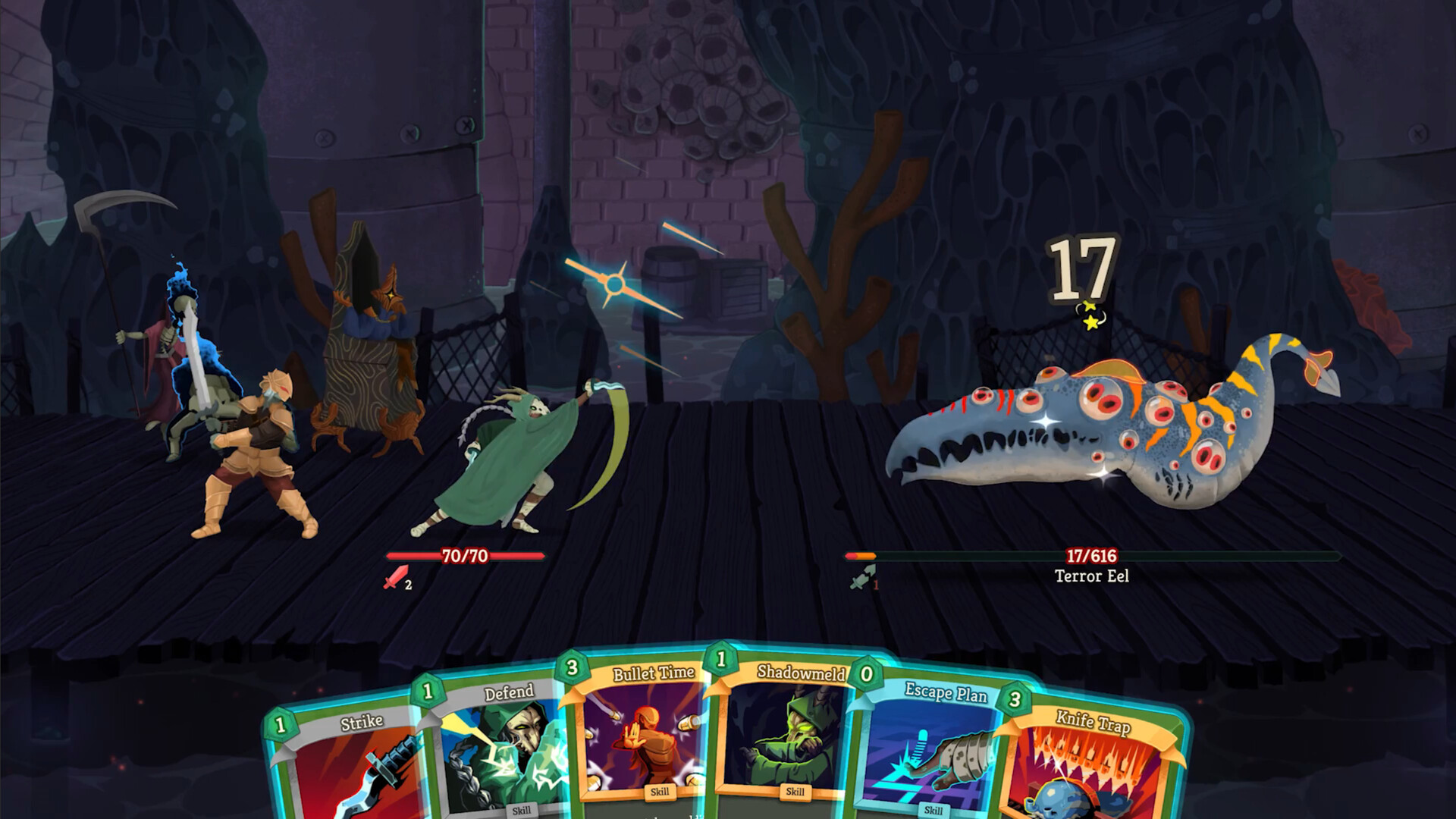
During this beta phase, which likely ran for several weeks leading up to the major update, players had the opportunity to test significant changes. Reports indicate that some of these beta changes were indeed controversial. In a notable instance, the developers reportedly rolled back certain features tested in the beta due to player pushback, suggesting an awareness of potential issues. However, the decision to reintegrate many of these modified elements into the live version, albeit with further adjustments, ultimately proved to be the catalyst for the current wave of negative reviews.
The major update, officially deployed to the live early access build on an unspecified date following the beta period, aimed to consolidate these changes. The immediate aftermath saw a sharp decline in the game’s overall review score on Steam. This rapid shift from a generally positive reception to a more mixed or negative one highlights the community’s strong reaction to the implemented changes.
Supporting Data and Steam Metrics
The impact of the update is quantifiable through Steam’s review system. Prior to this major patch, "Slay the Spire 2" likely enjoyed a "Very Positive" or "Mostly Positive" review status, reflecting a healthy player base engaged with the early access title. However, the influx of recent negative reviews has significantly altered this metric.
As of the latest available data, the game’s overall review score has shifted. While precise numbers fluctuate, reports indicate that the "Recent Reviews" section now leans heavily towards "Mixed," with a significant percentage of negative reviews. For instance, if the game had previously maintained a positive standing, the current situation might see a ratio where negative reviews now constitute over 50% of the recent feedback, contrasting with a previous majority of positive impressions. The sheer volume of recent reviews, potentially numbering in the thousands within a short period, underscores the community’s urgency in expressing their dissatisfaction. With a total of 53,000 reviews cited, a 55% negative ratio in recent feedback represents a substantial shift, indicating that nearly 30,000 reviews are now leaning negative.
This data point is crucial as it reflects the immediate sentiment of players interacting with the game post-update, often a more accurate indicator of current player satisfaction than historical reviews. The contrast between the historical positive reception and the current negative surge highlights the divisive nature of the recent update.
Developer’s Stance and Early Access Dynamics
The developers of "Slay the Spire 2" have, from the outset, communicated that the journey through early access would be a dynamic and iterative process. They have consistently emphasized that the path to a stable 1.0 release would involve significant changes, experimentation, and a reliance on community feedback. This upfront communication is a standard practice in the early access model, aiming to manage player expectations regarding the game’s evolving state.
In response to the current situation, it can be inferred that the development team is likely aware of the review trends and player concerns. While direct statements specific to this immediate backlash might not have been publicly detailed at the time of reporting, their prior communications suggest a commitment to addressing issues. The developers may be in the process of analyzing the feedback, identifying the most critical problems, and planning subsequent patches to rectify them. The fact that the developers previously withdrew certain features from the beta indicates a willingness to adjust based on player input, even if the current implementation has missed the mark for a significant portion of the community.

The current scenario, while appearing detrimental, can also be viewed as a reflection of a healthy, albeit sometimes contentious, early access development cycle. Major updates, especially those consolidating extensive beta changes, carry inherent risks. They can introduce unforeseen bugs, misjudge balance adjustments, or fail to align with player preferences, leading to this type of community reaction. However, it also presents an opportunity for developers to identify and fix critical issues, ultimately leading to a more polished and well-received final product.
Broader Implications and Future Outlook
The negative review wave for "Slay the Spire 2" carries several implications for the game’s trajectory and the broader early access landscape. Firstly, it underscores the critical importance of meticulous balancing and thorough testing, even for features that have undergone beta trials. Player trust is a fragile commodity, and significant technical issues like data loss can have a lasting impact on player retention.
Secondly, it highlights the delicate balance developers must strike between implementing their creative vision and satisfying the expectations of their player base. While innovation is crucial, it must be carefully integrated to avoid alienating the core audience. The perception of developers being unresponsive or dismissive of feedback can quickly erode goodwill.
Despite the current challenges, "Slay the Spire 2" still possesses a strong foundation. The game has remained one of the most actively played titles on Steam since its early access launch, indicating that the core gameplay loop and the fundamental appeal of the "Slay the Spire" formula remain intact. This underlying strength provides a crucial buffer, allowing the developers the opportunity to address the current criticisms and potentially regain the trust of their community.
The path forward for "Slay the Spire 2" will depend heavily on the developers’ ability to respond effectively to the current wave of feedback. Swift and transparent communication regarding planned fixes, iterative balance adjustments, and assurances about data integrity will be paramount. The success of this response will not only determine the future reception of "Slay the Spire 2" but also serve as a case study in navigating the complexities of community management within the early access development model. Players will undoubtedly be watching closely to see how the developers address these pressing concerns and steer the game towards a more stable and positive future.