Tata Titiana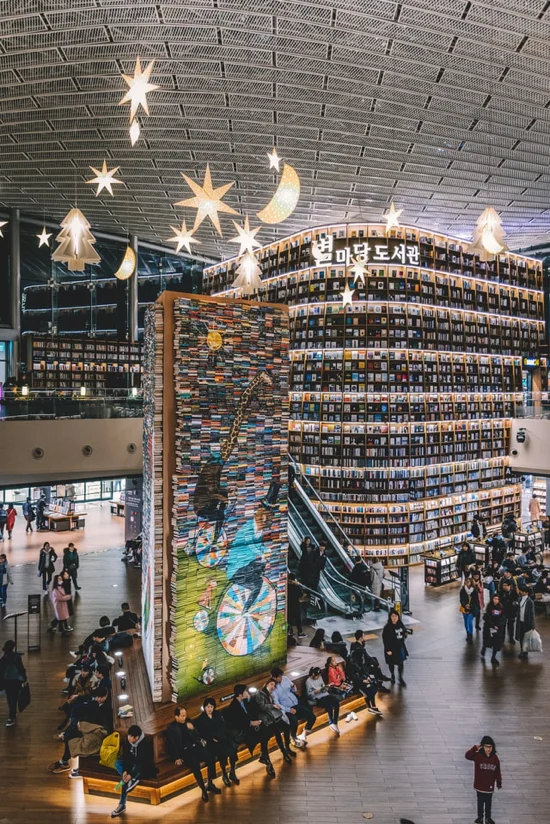
South Korea has firmly established itself as a premier global tourism destination, drawing millions of international visitors annually. Among its most enthusiastic admirers are Indonesian travelers, a trend largely attributed to the widespread popularity and accessibility of Korean dramas. These beloved series not only offer compelling narratives but also showcase breathtaking and evocative settings, transforming ordinary locations into coveted tourist spots. Beyond their aesthetic appeal, several key destinations in South Korea resonate with the visual storytelling of these dramas, providing visitors with an immersive experience that feels remarkably familiar to their favorite on-screen worlds. This article delves into some of these captivating locations, exploring what makes them unique and why they have become essential stops for any K-drama enthusiast or discerning traveler seeking cultural immersion and stunning scenery.
Geonbae: The Pulsating Heart of Seoul’s Nightlife
For those seeking the vibrant, metropolitan energy synonymous with many K-drama scenes, Geonbae offers an unparalleled experience. This bustling thoroughfare is characterized by its dense concentration of bars and drinking establishments lining both sides of the street. The area exudes a palpable urban dynamism, a visual feast of neon lights, lively chatter, and the general hum of activity that defines a thriving city after dark. Geonbae is not a place with specific operating hours; it remains perpetually active, drawing a diverse crowd that includes local residents unwinding after work and international tourists eager to soak in the authentic Seoul nightlife.
The allure of Geonbae lies in its unpretentious authenticity. It’s a place where characters in dramas often gather for pivotal conversations, celebratory drinks, or moments of quiet reflection amidst the urban sprawl. The sheer density of options, from traditional Korean pubs (pojangmacha) to trendy cocktail bars, ensures that there’s something to suit every palate and mood. Visitors can expect to find a lively atmosphere, often accompanied by street food vendors offering delicious local snacks that complement the drinking experience. This area serves as a microcosm of Seoul’s social scene, providing a tangible connection to the everyday lives and leisure activities depicted in popular Korean entertainment. The constant flow of people and the visually stimulating environment make it an ideal backdrop for capturing memorable travel photos, often reminiscent of dramatic encounters or casual meet-ups seen on screen.
Daehakro: A Cultural Nexus and Stage for Artistic Expression
Daehakro, often referred to as "Daehakro Street," presents a different, yet equally compelling, facet of South Korea’s cultural landscape. Stretching approximately 1.6 kilometers, this vibrant avenue is frequently compared to the iconic Broadway in New York City, and for good reason. Daehakro is a dedicated cultural district, a hub for performing arts and artistic expression that has been meticulously preserved and nurtured. The street is lined with numerous theaters, galleries, and cultural centers, many of which are still actively hosting performances.
The significance of Daehakro extends beyond its physical presence; it represents a crucial element of South Korea’s commitment to fostering its artistic heritage. The area has been instrumental in the development of the nation’s theater scene, showcasing a wide array of performances, from traditional Korean plays and musicals to contemporary dance and experimental theater. For K-drama fans, Daehakro offers a glimpse into the worlds of aspiring actors, seasoned performers, and the passionate artistic communities that often form the backbone of compelling storylines. Many dramas featuring characters in the arts or entertainment industry often use locations that mirror the ambiance and function of Daehakro.

The street’s lively atmosphere is amplified by the constant flow of artists, students, and art enthusiasts. During festival seasons or weekends, Daehakro transforms into an open-air stage, with impromptu performances and street art adding to the dynamic energy. Visitors can spend hours exploring the various venues, catching a show, or simply immersing themselves in the creative atmosphere. The proximity of numerous art-related establishments also means that Daehakro is a place where serendipitous encounters, much like those in dramas, can occur, fostering a sense of discovery and connection. The area’s rich history in promoting Korean performing arts provides a tangible link to the cultural narratives that have captivated global audiences.
Starfield Library: An Architectural Marvel and Literary Sanctuary
For those seeking a more tranquil yet visually striking experience, the Starfield Library, located within the COEX Mall in Seoul, stands out as a truly unique destination. This architectural marvel is not just a library; it’s an immersive space designed to inspire awe and encourage exploration. The library boasts an impressive collection of books, documents, and periodicals, reportedly housing tens of thousands of items sourced from across South Korea and beyond. What immediately captivates visitors are the towering bookshelves that reach up to an astonishing 13 meters, creating a breathtaking vertical landscape of literature.
The design of the Starfield Library is a testament to modern architectural innovation, featuring open spaces, comfortable seating areas, and ample natural light, creating an inviting atmosphere for reading and reflection. The sheer scale of the bookshelves, combined with their elegant design, makes it one of the most photogenic libraries in the world, often featured in travel blogs and social media feeds. This grandeur and unique aesthetic have undoubtedly contributed to its appeal as a K-drama filming location, providing a sophisticated and visually arresting backdrop for scenes involving intellectual pursuits, personal discoveries, or moments of quiet contemplation.
Beyond its aesthetic appeal, the Starfield Library serves a vital role in promoting literacy and cultural engagement. It provides free access to a vast repository of knowledge, making it an accessible resource for students, researchers, and the general public. The library also frequently hosts author talks, book signings, and other cultural events, further solidifying its position as a dynamic cultural hub. For visitors, it offers a welcome respite from the bustling city, a place to escape into the world of books and appreciate the beauty of knowledge presented in a spectacular setting. The library’s impressive collection and its role in fostering a love for reading underscore its importance as a cultural institution, mirroring the intellectual depth and thematic richness often found in Korean storytelling.
Beyond the Headlines: Understanding the K-Drama Tourism Phenomenon
The rise of K-drama tourism is a significant cultural and economic phenomenon. South Korea’s Ministry of Culture, Sports and Tourism has actively supported this trend, recognizing the power of "Hallyu" (the Korean Wave) to boost its tourism sector. The government has invested in promoting filming locations, developing tourism packages that incorporate these sites, and facilitating easier travel for international visitors.
Supporting Data and Trends:
According to a report by the Korea Tourism Organization, the number of tourists visiting South Korea who cite K-dramas as a primary motivation has seen a steady increase in recent years. While specific figures fluctuate annually, anecdotal evidence and survey data consistently point to the influence of these series. For instance, following the global success of dramas like "Crash Landing on You" or "Goblin," specific filming locations experienced a surge in visitor numbers, often leading to organized tours and increased local business revenue. The economic impact is not limited to direct tourism; it also extends to the merchandising of related products, the popularity of Korean cuisine featured in the dramas, and the overall enhancement of South Korea’s global brand image.

Background Context:
The K-drama phenomenon is not a sudden development but rather a culmination of decades of strategic cultural promotion by the South Korean government. Following the Asian Financial Crisis in the late 1990s, South Korea began to heavily invest in its "cultural industries" as a means of economic recovery and international soft power projection. This strategy has paid dividends, with K-dramas, K-pop, and Korean cinema gaining immense global traction. The visually appealing cinematography, relatable storylines, and high production values of these dramas have resonated with diverse audiences worldwide, creating a strong demand for authentic travel experiences that mirror the on-screen narratives.
Timeline of Influence:
While the precise start date of K-drama tourism is difficult to pinpoint, its significant growth can be traced back to the early 2000s with the popularity of series like "Winter Sonata." This drama is widely credited with sparking a wave of tourism from Asian countries, particularly Japan, to filming locations in Nami Island and various parts of Seoul. Over the years, as technology and global connectivity improved, the reach of K-dramas expanded exponentially, leading to a more diverse and international tourist base. The advent of streaming platforms like Netflix has further accelerated this trend, making K-dramas accessible to audiences in virtually every corner of the globe, thereby democratizing the influence of these cultural exports.
Broader Impact and Implications
The success of K-drama tourism carries significant implications for South Korea and the global tourism industry.
- Economic Boost: Increased tourist arrivals translate directly into revenue for hotels, restaurants, transportation services, and local businesses. The demand for K-drama-themed tours and merchandise also creates new economic opportunities.
- Cultural Diplomacy: K-dramas serve as powerful tools for cultural diplomacy, fostering positive perceptions of South Korea and its people. They introduce audiences to Korean culture, language, cuisine, and values, potentially leading to increased interest in studying Korean or engaging in other forms of cultural exchange.
- Preservation and Development: The popularity of filming locations can incentivize local authorities to preserve and enhance these sites, often leading to improved infrastructure and visitor amenities. In some cases, previously unknown or underutilized areas have been transformed into popular tourist attractions.
- The "Set-Jetting" Trend: K-drama tourism is a prime example of "set-jetting," a growing trend where travelers specifically visit locations featured in their favorite films and television shows. This phenomenon highlights the powerful connection audiences form with fictional worlds and their desire to experience them in reality.
In conclusion, South Korea offers a compelling blend of natural beauty, urban dynamism, and rich cultural heritage, all amplified by the global phenomenon of K-dramas. Destinations like Geonbae, Daehakro, and Starfield Library are not merely tourist spots; they are portals to the narratives that have captured the hearts of millions. As Hallyu continues to evolve and expand its reach, these cinematic landscapes are poised to remain integral to South Korea’s appeal as a must-visit destination, offering travelers the chance to step directly into the enchanting worlds they have come to love.