Tata Titiana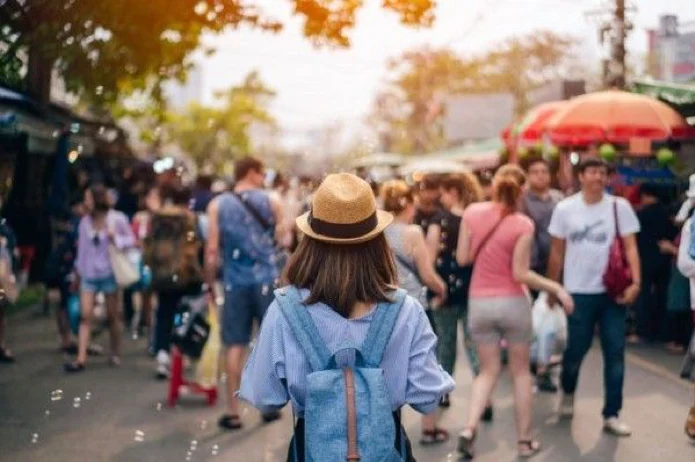
In an evolving economic landscape, a significant shift is observable in the investment priorities of the current generation, particularly millennials. The traditional emphasis on accumulating material assets like homes and cars is increasingly being supplanted by a profound appreciation for experiential investments. This trend is most vividly illustrated by the burgeoning "lifestyle travel" movement, where journeys are no longer viewed as mere leisure activities but as crucial components of personal development and long-term well-being. This phenomenon is driven by a confluence of factors, including increased global connectivity, a desire for authentic experiences, and a redefinition of what constitutes a "valuable" life.
The allure of travel for millennials is multifaceted. The modern generation, often referred to as digital natives, has grown up with unprecedented access to information and imagery of the world’s diverse landscapes and cultures. Social media platforms, in particular, have played a pivotal role in showcasing breathtaking natural wonders and vibrant cultural hubs, fostering a strong desire to explore these destinations firsthand. This exposure, coupled with a perceived saturation of material possessions, has led many to conclude that the intangible richness of experiences far outweighs the tangible accumulation of wealth. A 2023 study by American Express found that 72% of millennials prioritize spending money on experiences over material goods, a stark indicator of this generational shift.
Historically, preceding generations often channeled their earnings towards foundational financial security, envisioning a future built on homeownership, stable careers, and the acquisition of durable assets. This approach was largely shaped by the economic realities and societal expectations of their time, where financial prudence and long-term asset building were paramount. However, millennials are navigating a different economic climate, characterized by rising housing costs, evolving job markets, and a pervasive sense of uncertainty. In this context, the concept of delayed gratification for future material gains is being re-evaluated. Instead, many are opting for immediate fulfillment and personal enrichment through travel, believing that the memories and personal growth derived from these experiences will yield a more profound and lasting return on their investment.
The rationale behind this prioritization of experiences is deeply rooted in psychological research. Studies in behavioral economics and psychology consistently show that while the happiness derived from material possessions tends to fade over time, the joy and satisfaction from experiences can be more enduring. Furthermore, experiences often foster social connections, provide opportunities for learning and self-discovery, and build a sense of identity that is less susceptible to the hedonic treadmill – the phenomenon where individuals quickly adapt to new possessions and return to their baseline happiness level. This understanding underpins the millennial approach to "lifestyle travel."
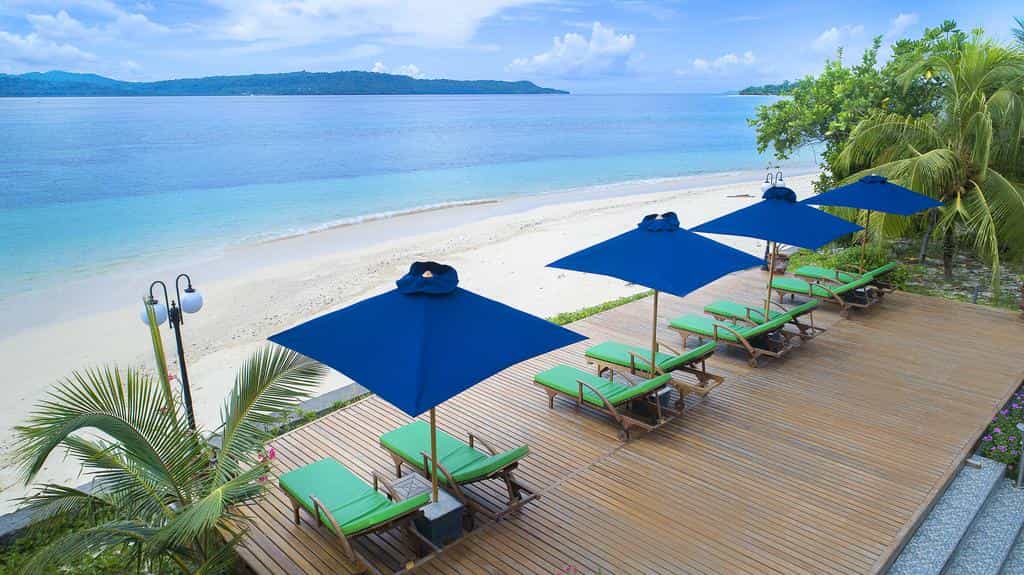
Embracing the Travel Lifestyle: Practical Strategies for a World of Experiences
For individuals looking to integrate travel as a core aspect of their lives, rather than an occasional indulgence, a proactive and mindful approach is essential. The transition involves cultivating specific mindsets and adopting practical strategies that facilitate consistent exploration and personal growth. The journey into a travel-centric lifestyle begins with an internal commitment, acknowledging that true enrichment often lies beyond comfort zones.
Cultivating Resolve and Courage: The Foundation of Adventure
The first and arguably most crucial step in adopting a lifestyle of travel is to solidify one’s resolve and cultivate a robust sense of courage. This is not about reckless abandon, but about a conscious decision to move beyond passive contemplation and into active engagement with the world. Many aspiring travelers are held back by the perceived need for substantial financial reserves, believing that extensive savings are a prerequisite for embarking on significant journeys. However, the essence of lifestyle travel lies in resourcefulness and a willingness to embrace what is available, rather than waiting for an idealized future.
This involves a mental recalibration, shifting the focus from the absence of ample funds to the presence of current resources. It requires the courage to step outside one’s familiar environment, to face the unknown, and to trust in one’s ability to navigate challenges. This proactive stance is often the catalyst for uncovering hidden opportunities and discovering personal resilience. For instance, many backpackers begin their travels with minimal savings, relying on budget accommodations, local transportation, and often, on-the-spot job opportunities to sustain their journeys. This inherent bravery in facing uncertainty is a hallmark of the millennial travel ethos, demonstrating a belief that the world is more accommodating than often perceived.
Navigating the Journey: Flexibility and Adaptation in the Face of the Unforeseen
A fundamental aspect of embracing a travel lifestyle is the ability to flow with the circumstances of the journey rather than rigidly adhering to a pre-determined itinerary. While initial planning is valuable for logistical purposes, an overemphasis on detailed schedules can stifle the serendipitous discoveries that often define the most memorable travel experiences. The world is dynamic, and unforeseen events, whether they are weather-related disruptions, unexpected local festivals, or chance encounters, are an inherent part of any journey.
The practice of "following the flow" involves a readiness to adapt plans as circumstances dictate. This means being open to spontaneous detours, embracing local recommendations, and allowing for the unexpected to shape the travel narrative. This approach not only enhances the richness of the experience but also fosters a more profound connection with the destination and its people. For example, a traveler who had planned a specific hike might, upon learning of a local harvest festival, choose to alter their itinerary to participate. This flexibility allows for a deeper immersion into the local culture and often leads to encounters that would have been missed with a rigid schedule. This adaptability is a critical skill, enabling travelers to maximize their experiences and derive the most value from their journeys.

The Power of Adaptation: Becoming a Global Citizen
The capacity to adapt is perhaps the most critical skill for anyone aspiring to a sustained travel lifestyle. Traveling to diverse regions exposes individuals to a wide spectrum of societies, languages, customs, and belief systems. The ability to adjust to these differences is not merely a practical necessity; it is a cornerstone of personal growth and global citizenship.
This involves a willingness to learn new languages, even if only basic phrases, to understand local etiquette, and to approach unfamiliar cultural practices with respect and curiosity. It means being comfortable with uncertainty, with being a newcomer, and with the constant process of learning and adjustment. For instance, a traveler in Southeast Asia will encounter different social norms regarding personal space, dining, and communication compared to what they might be accustomed to in Western countries. Successfully navigating these differences requires an open mind and a genuine effort to understand and integrate. This continuous process of adaptation not only makes travel smoother but also profoundly broadens one’s perspective, fostering empathy and a more nuanced understanding of the human experience. The skills honed through adaptation are transferable, enhancing one’s ability to thrive in any environment, both personal and professional.
The Transformative Impact of Experiential Investment
The shift towards prioritizing travel as a lifestyle choice carries significant implications, extending beyond individual enrichment to broader societal and economic trends. This movement represents a fundamental redefinition of success and fulfillment, moving away from a purely materialistic paradigm.
The emphasis on accumulating experiences rather than possessions cultivates a generation that is more globally aware, culturally sensitive, and adaptable. These individuals are more likely to appreciate diversity, engage in cross-cultural understanding, and develop a more comprehensive worldview. This, in turn, can foster greater international cooperation and reduce xenophobia. The skills developed through navigating different cultures, languages, and environments – problem-solving, resilience, communication, and adaptability – are highly valuable in an increasingly interconnected world. These are skills that traditional educational systems may not always adequately impart, making experiential learning through travel a crucial complement.
Economically, the rise of lifestyle travel stimulates local economies in destinations that might not be traditional tourist hotspots. It encourages the development of niche tourism sectors, such as eco-tourism, adventure travel, and cultural immersion experiences, which can provide sustainable economic opportunities for local communities. Furthermore, the emphasis on authentic experiences often leads travelers to support local businesses, artisans, and service providers, ensuring that their spending has a more direct and positive impact.

From a personal development perspective, the act of traveling consistently pushes individuals outside their comfort zones, fostering self-reliance and confidence. Facing challenges, whether it’s navigating a foreign transportation system or communicating across language barriers, builds resilience and problem-solving abilities. The exposure to different perspectives and ways of life can lead to profound self-reflection, helping individuals to better understand their own values, beliefs, and aspirations. This journey of self-discovery is a continuous process, fueled by the diverse encounters and insights gained through regular exploration.
The Future of Experiential Wealth
As the millennial generation continues to shape economic and social trends, the concept of "experiential wealth" is likely to gain even greater prominence. This involves a recognition that the richest lives are not necessarily those with the most assets, but those with the most meaningful memories, the deepest connections, and the broadest understanding of the world. The data suggests a growing consensus on this point, with an increasing number of individuals across different demographics embracing the idea that experiences are the ultimate currency.
The ability to adapt, to be courageous, and to embrace the unknown are not just tools for successful travel; they are essential life skills for navigating the complexities of the 21st century. As more individuals recognize the profound value of investing in experiences, the travel industry will continue to evolve, offering more personalized, sustainable, and enriching opportunities for exploration. The lifestyle travel movement is not merely a trend; it is a fundamental shift in how humanity defines a life well-lived, prioritizing personal growth, connection, and the indelible richness of shared human experience. This evolution signifies a move towards a more conscious and fulfilling approach to life, where the accumulation of memories and wisdom takes precedence over the accumulation of material goods.