Bambang Pamungkas
Sri Lanka is currently in the throes of a profound humanitarian and economic crisis, grappling with the lingering wounds of Cyclone Ditwah, which struck in November 2025, even as its fragile recovery from a 2022 economic collapse is threatened by the escalating geopolitical tensions between the United States, Israel, and Iran. This confluence of natural disaster, domestic economic instability, and external geopolitical shocks has created a "triple shock" that casts a long shadow over the island nation’s future, testing the resilience of its people and the efficacy of its leadership.
The recent memory of Cyclone Ditwah, an unprecedented meteorological event for the island, continues to haunt communities across Sri Lanka. In a matter of three days in November 2025, the central highlands of Sri Lanka were deluged by an astonishing 500 millimeters of rain, triggering catastrophic flash floods and landslides that obliterated homes, agricultural lands, and entire settlements. The human toll has been devastating, with official figures confirming 643 fatalities and 173 individuals still reported missing, presumed lost to the torrents. The scale of the disaster is starkly illustrated by the plight of families like Indrani Ravichandran’s, who, as reported by Reuters, are now forced to inhabit the sole remaining section of their home after their village was consumed by floodwaters. Indrani recounted the terrifying speed with which the waters rose, leaving her family barely any time to salvage their belongings. Fleeing in darkness amidst torrential rain and treacherous, slippery terrain, they also faced the terrifying prospect of encountering venomous animals, yet miraculously managed to survive.
The Unprecedented Scale of Devastation
The infrastructure damage wrought by Cyclone Ditwah has been so extensive that economists like Ganeshan Wignaraja contend it surpasses even the impact of the devastating 2004 Indian Ocean Tsunami. While the Tsunami claimed a far greater number of lives, the physical destruction to Sri Lanka’s infrastructure from Ditwah is deemed more severe, affecting critical transportation networks, power grids, and essential public services across a wider geographical area. According to a report by the United Nations, the total economic loss from the cyclone is estimated at a staggering US$4 billion, representing approximately 4% of Sri Lanka’s Gross Domestic Product (GDP). President Anura Kumara Dissanayake has not hesitated to label it the worst economic disaster in the nation’s history, highlighting the profound setback to a country already struggling to regain its economic footing. The World Bank corroborated the widespread impact, noting that nearly two million people and 500,000 families across various districts were directly affected, disrupting economic activities, basic services, and critical livelihoods.
Echoes of Crisis: Sri Lanka’s Economic Vulnerability
The timing of Cyclone Ditwah could not have been worse for Sri Lanka, which was still reeling from its worst economic crisis in decades just a few years prior. In 2022, the nation faced an unprecedented economic meltdown, characterized by severe shortages of essential goods like fuel, food, and medicine, runaway inflation, and ultimately, a default on its foreign debt obligations. This crisis was the culmination of years of economic mismanagement, including significant tax cuts, a controversial ban on chemical fertilizers that crippled the agricultural sector, and a heavy reliance on foreign loans for infrastructure projects that failed to generate sufficient returns. The dwindling foreign exchange reserves, exacerbated by the COVID-19 pandemic’s impact on tourism and remittances, left the government unable to import crucial necessities. The resulting public anger ignited widespread protests, known as the "Aragalaya" movement, which ultimately led to the resignation of then-President Gotabaya Rajapaksa.
Following this tumultuous period, the new government, under President Dissanayake, embarked on a painful but necessary path of economic reforms, supported by an International Monetary Fund (IMF) Extended Fund Facility (EFF) program. These reforms included fiscal consolidation measures such as the removal of electricity subsidies, a significant increase in income taxes (up to 36%), and efforts to restructure its massive foreign debt. While these measures were unpopular, they began to show nascent signs of stabilizing the economy, attracting some foreign investment, and rebuilding investor confidence. The country’s foreign exchange reserves, which had dwindled to near zero in 2022, had slowly climbed to approximately US$7 billion by early 2025, offering a glimmer of hope for sustained recovery. This fragile economic equilibrium, however, was shattered by the sudden and brutal force of Cyclone Ditwah, pushing the nation back to the precipice.
The Geopolitical Storm: Global Conflicts and Local Repercussions
As Sri Lanka grapples with the aftermath of the cyclone, it faces yet another formidable challenge: the far-reaching economic repercussions of the escalating conflict involving the United States, Israel, and Iran. This geopolitical instability in the Middle East has sent shockwaves through global energy markets, leading to volatile and surging oil prices. For a nation like Sri Lanka, heavily dependent on imported fuel for its energy needs, this translates directly into higher costs across all sectors, from transportation and manufacturing to food production. The threat of disrupted shipping routes through critical waterways like the Red Sea further exacerbates the situation, increasing freight costs and delaying vital imports.
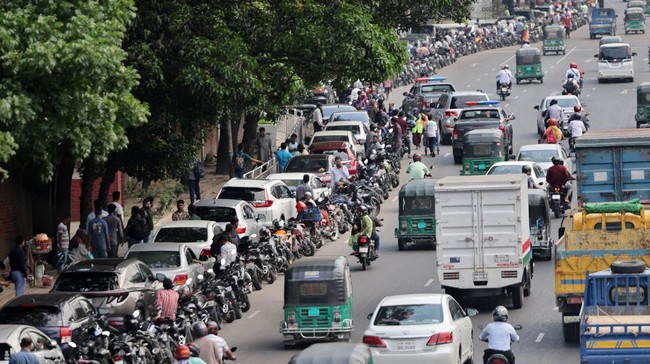
The immediate impact on Sri Lanka has been palpable. In recent weeks, the government has been compelled to reintroduce fuel rationing, reminiscent of the 2022 crisis, and implement significant price hikes for petroleum products. Energy conservation measures have included the imposition of a four-day work week for public sector employees, aiming to reduce commuting and energy consumption. Electricity tariffs have seen an increase of up to 40%, alongside scheduled power outages and water rationing in various regions. This scarcity of essential commodities, particularly fuel and cooking gas, has triggered widespread panic buying among the populace, stirring fears that Sri Lanka could once again plunge into the depths of its 2022 economic crisis. The psychological impact of these shortages on a population that has already endured so much cannot be overstated, raising the specter of renewed social unrest.
The Staggering Cost: Human and Economic Toll
The combined toll of these multiple crises is staggering. Beyond the immediate fatalities and infrastructure damage from Cyclone Ditwah, the long-term humanitarian consequences are immense. Over 165,000 people remain displaced, living in temporary shelters, awaiting permanent housing solutions. Their situation is made even more precarious by the economic pressures stemming from the global conflict, which complicates reconstruction efforts and hinders their ability to rebuild livelihoods. Agricultural lands, which form the backbone of many rural economies, have been submerged or destroyed by landslides, impacting food security and the incomes of countless farmers. Essential services, from healthcare to education, are strained under the weight of damaged infrastructure and resource scarcity.
The financial burden of recovery and reconstruction is daunting. While the total estimated loss is US$4 billion, the government has only managed to secure approximately US$750 million in funding thus far, barely a fifth of what is needed. This significant funding gap underscores the immense challenge ahead. The government has attempted to provide immediate relief, including 50,000 Sri Lankan Rupees (LKR) for partially damaged homes, up to 5 million LKR for totally destroyed houses, and around 1 million LKR for the families of those who perished. However, the disbursement of these funds has been slow, particularly for those who have lost their homes and businesses entirely, leading to frustration among affected communities. Disaster management officials have indicated that the government is actively identifying and preparing safe land for resettlement, with a strong focus on rebuilding infrastructure to be more resilient against future climate-related disasters, a critical lesson learned from the cyclone’s intensity.
International Response: A Patchwork of Aid
The international community’s response to Sri Lanka’s multifaceted crisis has been varied and, in some respects, slower than previous major disasters. While the 2004 Tsunami galvanized a swift and massive global aid effort, the current situation, complicated by Sri Lanka’s ongoing economic reforms and the global focus on other crises, has seen a more staggered response.
India, Sri Lanka’s closest neighbor, has emerged as the quickest and most substantial international responder. Through its "Operation Sagar Bandhu" mission, India deployed naval warships, helicopters, and provided over 1,000 tons of logistical support, alongside financial aid totaling approximately US$450 million. This rapid assistance underscores India’s strategic interest in maintaining stability in the Indian Ocean region and its commitment to bilateral relations. In contrast, China, another major creditor and strategic partner for Sri Lanka, has provided a more limited aid package of less than US$2 million. The Sri Lankan government has reportedly appealed to Beijing for additional support, particularly for long-term infrastructure reconstruction, highlighting the ongoing geopolitical balancing act Sri Lanka must perform between these two regional powers. International organizations like the United Nations Development Programme (UNDP) and the Office for the Coordination of Humanitarian Affairs (OCHA) have launched appeals for funding, emphasizing the urgent need for coordinated international support to prevent a deeper humanitarian catastrophe.
A Precarious Future: Challenges to Leadership and Stability
Sri Lanka’s foreign exchange reserves, currently hovering around US$7 billion, are deemed sufficient to weather the immediate storm for a few months. However, economists warn that this buffer could rapidly deplete if the impacts of the Middle East conflict persist, leading to sustained high energy prices and disruptions to global trade. A critical source of foreign exchange for Sri Lanka is remittances from its large diaspora of migrant workers, particularly those in the Gulf region. Last year, these remittances accounted for approximately US$7 billion, a significant contribution to the national economy. Prolonged instability in the Middle East could jeopardize these vital income streams, as economic slowdowns or political uncertainties in host countries might reduce employment opportunities or impact the ability of workers to send money home.
The challenges confronting Sri Lanka are immense and multifaceted, placing President Dissanayake’s administration under intense scrutiny. His ability to effectively manage the ongoing reconstruction efforts, navigate the complexities of international aid, maintain economic stability amidst global headwinds, and continue the painful but necessary economic reforms will be a defining test of his leadership. The risk of social unrest remains a potent threat if the current shortages and economic hardships persist without clear solutions. Beyond immediate relief, Sri Lanka faces the daunting task of building long-term resilience to climate change, which is projected to bring more frequent and intense weather events. This requires significant investment in climate-adaptive infrastructure, early warning systems, and sustainable land management practices.
In conclusion, Sri Lanka stands at a critical juncture, grappling with a "triple shock" that threatens to unravel the fragile progress made since its 2022 economic collapse. The devastating impact of Cyclone Ditwah, compounded by the ripple effects of global geopolitical conflicts and persistent domestic economic vulnerabilities, necessitates a concerted and sustained effort. This requires not only decisive leadership and effective policy implementation within Sri Lanka but also a robust and coordinated international response to provide the necessary financial and technical support. The path to full recovery and sustainable development will be arduous, but the resilience of the Sri Lankan people, coupled with targeted assistance, offers the only viable route to overcoming this unprecedented convergence of crises.