Hadi Wijaya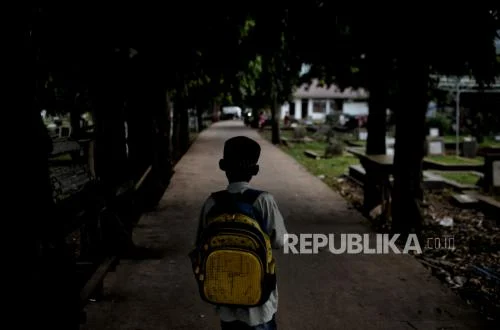
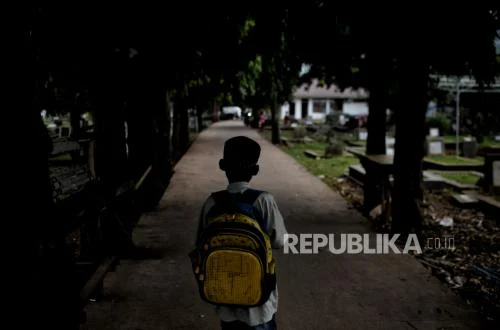
The increasing prevalence of child abduction cases in various regions across Indonesia has prompted urgent calls for a more robust and integrated security framework between educational institutions and families. Dr. Y Bagus Wismanto, a prominent psychologist and former Rector of Soegijapranata Catholic University (Unika), has emphasized that the primary defense against such criminal activities lies in the strength of communication between schools and parents. Speaking in Semarang, Central Java, on Wednesday, February 8, 2023, Dr. Wismanto underscored that a clear understanding of the respective rights and obligations of both parties is essential to creating a protective environment for children. This collaborative synergy is viewed as the most effective preemptive measure to mitigate the risks associated with the growing trend of child exploitation and kidnapping.
The Paradigm of Shared Responsibility in Child Safety
The recent surge in reported abductions has created a climate of anxiety among parents and educators alike. Dr. Wismanto noted that the responsibility for a child’s safety is often misunderstood or unfairly shifted entirely onto educational institutions. While schools serve as the primary guardians of children during operational hours, their jurisdiction and physical responsibility are strictly limited to the school premises. He clarified that schools act as partners in the educational and developmental process, but the foundational responsibility for a child’s well-being remains firmly with the parents.
This distinction is crucial because abductions often occur during "transition windows"—the periods when a child is moving from the care of the school to the care of the parent or guardian. Dr. Wismanto argued that if communication channels are weak, these windows of vulnerability become targets for perpetrators. A structured dialogue between the school administration and parents allows for the establishment of strict protocols regarding who is authorized to pick up a child, how changes in transit plans are communicated, and what steps should be taken if a child is not collected on time.
Beyond the immediate family, Dr. Wismanto also highlighted the role of the "extended environment." In the Indonesian social context, relatives and neighbors often play a part in a child’s upbringing. However, this communal oversight must be organized and vigilant. Until a child reaches adulthood and possesses the cognitive maturity to navigate complex social dangers, the adults in their immediate circle must maintain a "full role" in monitoring and accompanying their growth.
Analyzing the Surge: Data and Socio-Economic Drivers
The urgency of this issue is supported by alarming data released by the Ministry of Women Empowerment and Child Protection (KPPPA). According to official statistics, Indonesia witnessed a significant spike in child abduction cases throughout 2022. The ministry recorded 28 confirmed cases of child kidnapping during that year, a sharp increase from the 15 cases reported in 2021. This nearly 100% increase in reported incidents has triggered a national discourse on the efficacy of current child protection laws and the security of public spaces.
When analyzing the motivations behind these crimes, Dr. Wismanto pointed to a variety of factors, with economic desperation being the most frequent catalyst. In many instances, children are abducted to be exploited for economic gain, which can range from ransom demands to more insidious forms of exploitation such as forced labor, street begging rings, or illegal adoption. The "economic motivation" mentioned by experts suggests that perpetrators often view children as high-value, low-risk targets, particularly in areas where parental supervision is lax or where school security protocols are easily bypassed.
Furthermore, the rise of digital technology has added a new layer of complexity to the issue. While not always directly linked to physical snatching, social media has become a tool for "grooming" or tracking the routines of families, making it easier for criminals to identify the best time and place to strike. This technological evolution necessitates that the "communication" between schools and parents also includes digital literacy and the monitoring of a child’s online footprint.
The Psychological Scars: Trauma and Social Trust
The impact of abduction extends far beyond the physical event; the psychological ramifications are profound and often permanent. Dr. Wismanto explained that a child who survives an abduction experience suffers from a deep-seated loss of security. The fundamental belief that the world is a safe place is shattered. This trauma manifests in several ways, including acute anxiety, night terrors, and a pervasive difficulty in trusting others.
"An abducted child will feel fundamentally unsafe. To recover, the primary task is for the parents to painstakingly rebuild that sense of security," Dr. Wismanto stated. This recovery process is not instantaneous and often requires professional psychological intervention. The child’s future social relations are at stake; if the trauma is not addressed, the victim may grow up with an avoidant personality, struggling to form healthy attachments or navigate social hierarchies.
The expert emphasized that the child is the victim and should never be blamed for the incident. The "shadow of the past" will inevitably influence how the child interacts with strangers and even known acquaintances in the future. Therefore, the role of the parent is not just to protect the child from future physical harm but to provide a consistent, loving environment that proves, over time, that they are safe. Parents are encouraged to provide clear, age-appropriate guidance to their children on how to identify "safe adults" and how to react in suspicious situations, without instilling a paralyzing sense of fear.
Institutional Protocols and Community Vigilance
To translate the need for communication into actionable safety, schools in regions like Semarang and Jakarta have begun implementing more rigorous security measures. These include the use of "pick-up cards" where only individuals with the authorized card can take the child from the school grounds. Additionally, many schools have established dedicated WhatsApp groups for each class, allowing teachers to provide real-time updates to parents about when classes end or if a child has not been picked up within the expected timeframe.
However, security experts suggest that these measures are only as effective as the people who implement them. There have been instances where perpetrators posed as "friends of the family" or "couriers" sent by the parents. This is where the "rights and obligations" dialogue mentioned by Dr. Wismanto becomes critical. Parents have the right to demand high security, but they also have the obligation to inform the school immediately if there is a change in the person designated to pick up their child.
From a broader perspective, the Indonesian government through the KPPPA has been advocating for the "Child-Friendly City" (Kota Layak Anak) initiative. This program encourages local governments to improve public infrastructure, such as installing more CCTV cameras in public parks and near school zones, and increasing the presence of community police officers (Bhabinkamtibmas) during school hours. The goal is to create a "surround sound" of security where the community acts as the eyes and ears of the law.
Strategic Implications for the Future
The trend of child abduction in Indonesia serves as a wake-up call for a societal shift in how child protection is managed. It is no longer sufficient to rely on the traditional "village" mentality of watching over children without formal protocols. As urbanization increases and social ties in large cities like Semarang become more anonymous, the formalization of safety procedures between schools and homes is a necessity.
The analysis of the 2022 data suggests that as economic pressures continue to fluctuate, the risk of child exploitation remains high. Therefore, the strategy of "synergy" must be sustained and not just a reactive measure to headline-grabbing news. Educational curriculums may also need to adapt, incorporating "personal safety" modules that teach children about body autonomy and emergency response without traumatizing them.
In conclusion, the prevention of child abduction is a multi-faceted challenge that requires more than just physical barriers and locks. It requires a robust, transparent, and continuous line of communication between the two most important pillars in a child’s life: the home and the school. By clearly defining roles, sharing information, and maintaining high levels of vigilance, society can create a protective shield around its most vulnerable members. As Dr. Bagus Wismanto asserted, the goal is to ensure that every child can grow and develop in an environment where their safety is a shared, non-negotiable priority. The rise in cases from 15 to 28 is not merely a statistic; it is a call to action for every parent, teacher, and policymaker in the nation.