
 Nila Kartika Wati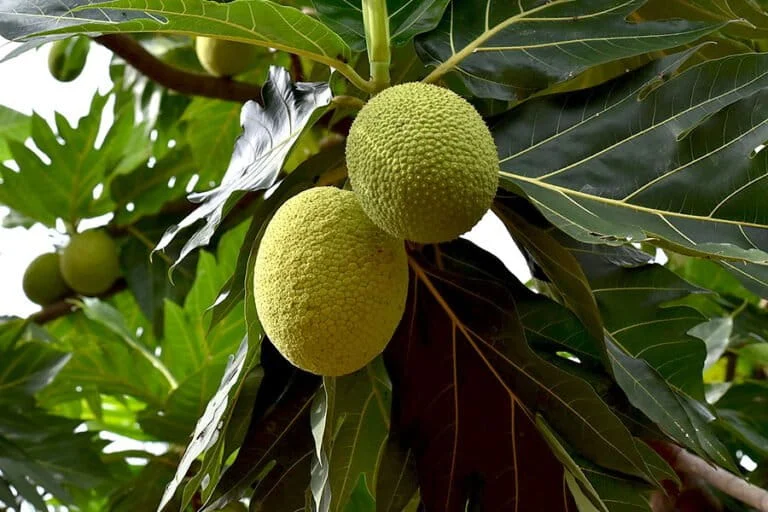
As the Indonesian archipelago grapples with a protracted and intensifying dry season, the national agricultural landscape faces a precarious juncture. According to the latest meteorological assessments released by the Meteorology, Climatology, and Geophysics Agency (BMKG) on September 14, 2026, approximately 81 percent of Indonesia’s seasonal zones have officially entered the dry season. The data paints a stark picture of environmental stress: 1,637 monitoring stations across the country have recorded more than 60 consecutive days without significant rainfall. This meteorological drought has had immediate, tangible consequences for national food security, with the Ministry of Agriculture reporting that upwards of 50,000 hectares of farmland have been severely impacted by water scarcity as of mid-September.
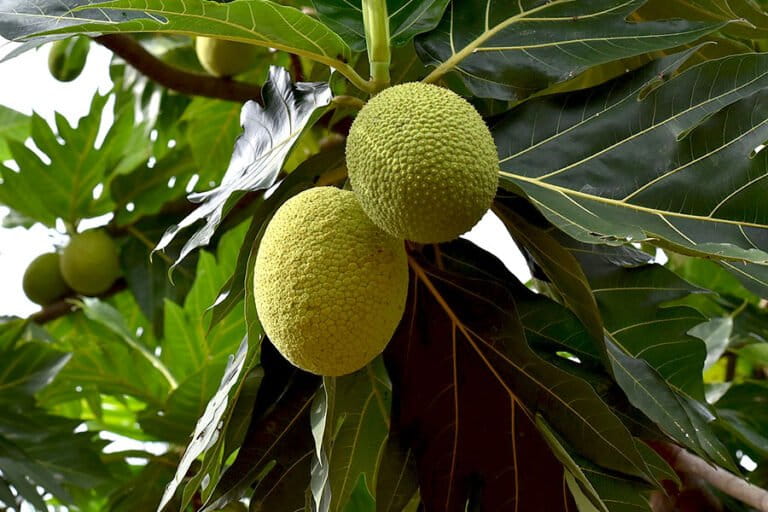
The crisis is particularly acute for rain-fed agricultural lands, which lack the necessary infrastructure to mitigate prolonged periods of drought. With climate variability becoming the new norm, researchers and policymakers are increasingly looking toward alternative, climate-resilient crops to diversify the nation’s food basket. Among the most promising candidates currently under academic and practical scrutiny is the breadfruit tree (Artocarpus altilis), or sukun, a hardy, long-lived perennial that offers a robust biological solution to the challenges posed by an increasingly arid climate.
A Chronology of the 2026 Drought Emergency
The current agricultural crisis did not emerge overnight; it is the culmination of seasonal shifts that have gained momentum throughout the year. By late July 2026, early warning systems indicated that the El Niño-Southern Oscillation (ENSO) phases, coupled with regional Indian Ocean Dipole patterns, were significantly limiting moisture transport across the Indonesian archipelago.
By mid-August, the threshold of "meteorological drought" was crossed in several key provinces in Java, Nusa Tenggara, and parts of Sulawesi. The BMKG’s mid-September report serves as a critical milestone, confirming that the dry season has reached a peak intensity rarely seen in the last decade. The 50,000 hectares of affected land represent not just a statistical figure, but a direct threat to the livelihoods of thousands of smallholder farmers who rely on seasonal rain-fed irrigation. The failure of critical staple crops, specifically paddy rice, has forced agricultural planners to re-evaluate the resilience of existing cropping patterns and consider species that can withstand prolonged thermal and hydric stress.
The Biological Advantages of Artocarpus Altilis
Unlike traditional annual crops such as rice or maize, which require constant water input and are highly sensitive to soil moisture fluctuations, the breadfruit tree is a perennial powerhouse. Once established, a breadfruit tree can remain productive for more than 50 years. This longevity drastically reduces the need for repeated tilling, planting, and soil disturbance, which in turn helps maintain soil structure and organic carbon levels.
Recent research highlights the tree’s unique physiological adaptations. Studies indicate that mature breadfruit trees possess a remarkable capacity to remain viable even during three to four months of acute drought. This resilience is attributed to deep-root systems and efficient transpiration control mechanisms that allow the tree to maintain metabolic functions when water table levels drop. While it is not a "magic bullet" that can grow in absolute desert conditions, its threshold for tolerance far exceeds that of the staple grains that currently dominate Indonesian agriculture.
Regional Case Studies: From Maluku to Java
The academic interest in breadfruit is grounded in empirical field research. A study conducted by the University of Pattimura in the Kei Kecil Islands, Maluku Tenggara, provides compelling evidence of the species’ hardiness. Researchers Amat Reniwurwarin and his colleagues observed that breadfruit trees in this region demonstrated high tolerance to extreme drought stress, maintaining fruit production even in the face of the extended dry seasons characteristic of the Maluku archipelago. Their findings suggest that the species has developed local ecotypes that are highly adapted to tropical dry-land conditions.
Simultaneously, researchers at the University of Indonesia (UI) have taken a geospatial approach to the problem. By modeling land suitability in Central Java—a region historically dominated by intensive paddy farming—the team identified that approximately 28.35 percent of the province’s land area is currently suitable for breadfruit cultivation. The model, which accounts for soil pH, elevation, slope, and current climate projections, serves as a decision-support tool for local governments. However, the researchers caution that these figures are indicative rather than prescriptive. "Translating these results into policy requires on-the-ground validation," the researchers noted, emphasizing that successful implementation depends on localized soil management and water conservation techniques.
Global Context: Resilience in a Warming World
The focus on breadfruit extends well beyond Indonesia. A significant study published in the journal PLOS Climate has positioned the breadfruit tree as a critical component of global food security in a warming world. The research suggests that the regions suitable for breadfruit cultivation are expected to remain relatively stable, even under high-emission climate change scenarios.
This stability is a stark contrast to the projections for cereal crops, which are expected to face significant yield declines as temperatures rise and precipitation patterns become more erratic. Furthermore, breadfruit contributes to climate change mitigation; as a woody perennial, it acts as a carbon sink, sequestering atmospheric carbon dioxide over its long lifespan. The study concludes that breadfruit is not merely an "alternative" food source, but a strategic asset in building a climate-resilient food system that can withstand the stressors of the 21st century.
Strategic Implications for Agricultural Policy
The integration of breadfruit into the national food system offers a pathway toward agroforestry—the practice of growing trees in conjunction with other crops. By moving away from monoculture, farmers can create a more balanced ecosystem that is less susceptible to total crop failure. In an agroforestry model, breadfruit provides shade, wind protection, and organic mulch for companion crops, while simultaneously producing a high-energy, nutrient-dense food source.
However, industry experts warn against oversimplification. The transition to breadfruit-inclusive farming requires a nuanced understanding of local geography. "We must avoid the trap of assuming a one-size-fits-all solution," says a senior agricultural analyst familiar with the ongoing drought research. "The success of breadfruit as a drought-mitigation tool depends on site-specific selection, proper grafting techniques to ensure high-yield varieties, and the establishment of value chains that allow farmers to process and market the fruit effectively."
The Ministry of Agriculture and regional extension services face the challenge of educating farmers on these new methods. Historically, agricultural subsidies have been heavily skewed toward rice, creating a cultural and economic dependence that is difficult to break. To pivot toward climate-resilient alternatives, the government must incentivize the adoption of perennial crops through credit support, technical training, and the development of processing facilities that can transform raw breadfruit into flour or other shelf-stable products.
Future Outlook
As the 2026 drought continues to test the limits of Indonesia’s food production capacity, the research into breadfruit provides a much-needed long-term perspective. The data from BMKG and the findings from universities in Maluku and Java suggest that the tools to adapt are already available, provided they are deployed with scientific rigor and institutional support.
The breadfruit tree represents a paradigm shift from the "quick harvest" model of industrial agriculture toward a "durable resilience" model. While it cannot solve the immediate humanitarian crisis caused by the current water shortages, it offers a sustainable blueprint for the future. By integrating perennial, drought-tolerant species into the rural landscape, Indonesia can insulate its food system against the inevitable shocks of a changing climate, ensuring that both farmers and consumers have access to a reliable, nutritious, and environmentally friendly food source for decades to come. The path forward is clear: the focus must move from reactive crisis management to proactive landscape transformation.









