Lina Irawan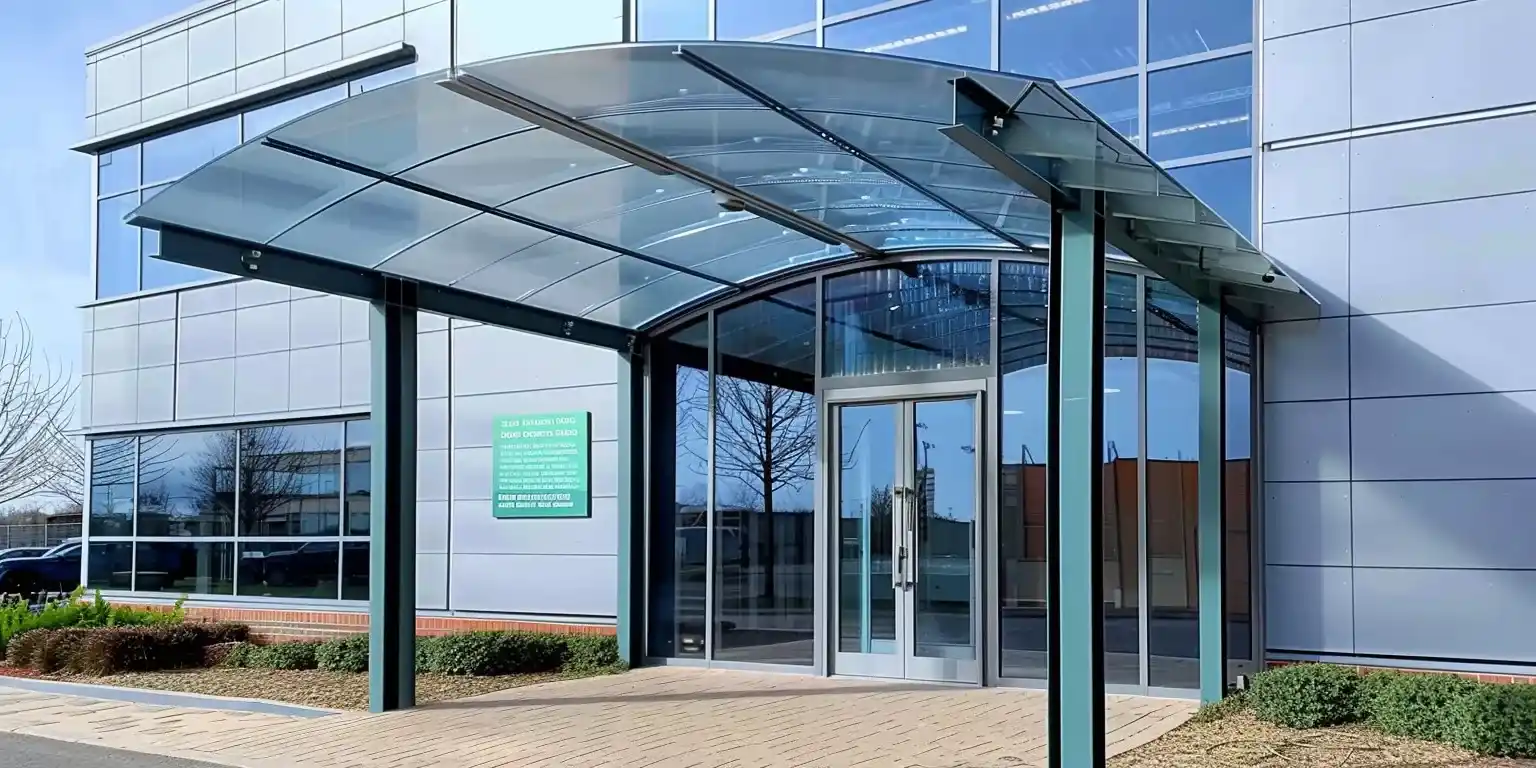
When approaching any dwelling, the initial impression is often forged long before one steps through the door, largely influenced by the entrance and its immediate surroundings. The entrance canopy, or entrance canopy, is an architectural element frequently underestimated, yet it serves a fundamental purpose akin to a permanent umbrella, offering vital protection to residents and guests from the vagaries of weather—be it torrential rain or scorching sun—while awaiting entry. Beyond its primary protective role, a thoughtfully designed entrance canopy acts as a sophisticated extension of the building’s facade, seamlessly integrating architectural lines, adding visual depth, and providing a comfortable, dry transition from the exterior environment to the interior sanctuary. This comprehensive guide delves into the intricate process of designing an entrance canopy for minimalist homes, meticulously examining critical considerations such as optimal width, height, and depth, the imperative of seamless integration with the existing facade, judicious material selection, and expert tips to maximize its transitional functionality.
The Enduring Significance of the Entrance Canopy in Architectural Design
The concept of sheltering an entrance is as old as architecture itself. From the grand porticos of classical temples designed to convey status and provide civic shelter, to the functional overhangs of vernacular dwellings protecting against local climates, canopies have consistently served dual roles of utility and symbolism. In contemporary architecture, particularly within the minimalist aesthetic, the entrance canopy transcends its rudimentary function to become a pivotal design feature. A meticulously designed canopy possesses the power to fundamentally alter how individuals perceive and interact with a structure. As emphasized by architectural authorities like ArchitectureCourses.org, an appropriately conceived canopy is instrumental in shaping the approach, entry, and overall experience of a building, often serving as the true initial impression that precedes the door or even the broader facade.
An entrance canopy does more than merely block sunlight or deflect rainwater; it ingeniously bridges the gap between the external and internal realms. Unlike canopies designed for terraces or balconies, which typically aim to expand usable outdoor space, the entrance canopy is singularly focused on providing immediate protection at the point of entry and clearly delineating the threshold. This becomes particularly critical in minimalist homes, characterized by their clean lines, uncluttered forms, and a deliberate absence of superfluous ornamentation. In such a context, an oversized or excessively ornate canopy would not only disrupt the delicate visual harmony but could also overwhelm the entrance, thereby undermining the core principles of minimalist design. Consequently, the design process demands meticulous attention to proportion—specifically width, height, and depth—to ensure the canopy integrates flawlessly with the building’s scale, enhancing rather than detracting from the entrance’s understated elegance.
Mastering Proportions: The Foundation of Minimalist Canopy Design
Determining the precise width and depth of an entrance canopy represents a crucial foundational step in its design. A canopy that is too shallow or narrow will prove ineffective against wind-driven rain or intense sunlight, failing to provide adequate protection. Conversely, an excessively deep or wide canopy risks obstructing natural light from reaching interior spaces and can create an oppressive visual element.
Architectural guidelines, such as those provided by ArchitectureCourses.org, recommend that the overhang or projection of a canopy should extend sufficiently to cover the area beneath it, typically spanning 24 to 36 inches (approximately 60 to 90 cm) beyond the edge of adjacent windows to ensure comprehensive protection. For a primary entrance, this principle extends further. To effectively shield the door frame and any waiting guests from rain or sun, an additional 30 to 50 cm beyond each side of the door opening is advisable. For instance, a standard residential door typically measures between 90 to 100 cm in width. Applying these guidelines, a well-proportioned canopy for such a door would ideally have a total width of approximately 150 to 200 cm. This extended width ensures that wind-driven rain does not splash against the door frame or soak individuals standing immediately beside the door.
Regarding depth, a projection of 80 to 100 cm typically offers ample space for one person to stand comfortably, manage an umbrella, or handle packages while operating the door. However, this measurement must be carefully reconciled with the existing width of the front porch or walkway, ensuring it does not impede pedestrian traffic or create an awkward obstruction. In urban settings or homes with limited frontage, a slightly reduced depth of 70 cm might be necessary, provided it is complemented by an efficient drainage system, such as a small gutter directing water to the sides, to prevent water accumulation. Crucially, the roof of the canopy should incorporate a minimum slope of 5 degrees. This ensures efficient water runoff, preventing pooling and minimizing maintenance requirements, particularly vital in regions prone to heavy rainfall.
Case Study Expansion: Minimalist Home in Yogyakarta
Consider a typical minimalist home of Type 60 in a city like Yogyakarta, Indonesia, where tropical climate necessitates robust rain protection. If the main entrance door measures 90 cm in width, designing a canopy with a total width of approximately 1.5 meters—allowing for an additional 30 cm on both the left and right sides—would effectively prevent rain from dripping onto the door sides. A depth of 90 cm would be entirely sufficient to protect an adult comfortably managing an umbrella. Should the front yard be particularly constrained, reducing the depth to 70 cm remains viable, especially if equipped with a subtle, integrated gutter system designed to channel rainwater discreetly to the side. The recommended roof pitch of at least 5 degrees would guarantee proper drainage, a non-negotiable feature in high-rainfall environments.

The Ideal Height and Clearance
The elevation of the canopy significantly impacts both user comfort and the overall aesthetic harmony. Standard residential doors in many parts of the world stand at approximately 2.1 meters. To allow for unrestricted door operation and maintain visual balance, a clearance of 20 to 30 cm should be maintained between the top of the door frame and the underside of the canopy. The total height of the canopy, measured from ground level to its highest point, should ideally range between 2.4 to 2.7 meters. This height ensures comfortable head clearance for most individuals, promotes adequate air circulation beneath the canopy, and prevents undue heat buildup, which can be a concern with certain roofing materials. It is equally important that the canopy is not positioned excessively high, as this could compromise its primary function of providing effective shelter against wind-driven rain, a common phenomenon in many tropical and subtropical climates.
Seamless Integration with the Facade: Harmonizing Lines and Materials
An entrance canopy must never appear as an isolated appendage; rather, it should be conceived as an integral component that echoes the rhythm, materials, and architectural language of the primary facade. The selection of materials for the canopy’s structure and roof should meticulously complement or subtly contrast with existing elements such as windows, doors, or other prominent architectural features. For instance, if the facade incorporates a pristine white render contrasted with dark wood window frames, a canopy frame constructed from black or dark brown hollow steel sections could serve as a cohesive accent. Conversely, for a facade clad in natural stone, a lightweight aluminum or slender steel frame with a natural or muted finish could blend seamlessly, creating a sense of understated sophistication.
Horizontal and Vertical Lines in Minimalist Design
For minimalist homes, the emphasis is invariably on clean, uncluttered lines. The horizontal plane of the canopy should ideally align with, or at least harmoniously relate to, the horizontal lines established by window lintels, roof edges, or other defining features of the facade. Ornate or excessively curved forms are generally to be avoided, as they conflict with the minimalist ethos. A flat or gently sloped canopy design typically conveys a modern, lightweight, and elegant impression. If the house incorporates prominent vertical elements, such as columns or pilasters, consider extending the canopy frame to connect visually or structurally with these elements. This creates a cohesive architectural statement, grounding the canopy within the overall design. Employing concealed brackets or slender, minimalist supports further enhances the clean aesthetic, ensuring the focus remains on the canopy’s form and function rather than its structural connections.
Material Selection: Aesthetics, Durability, and Performance
The choice of roofing material for an entrance canopy is paramount, directly influencing both its visual character and its long-term performance.
Roofing Materials:
-
Tempered Glass: This material imparts a sense of luxury, transparency, and modern sophistication. Tempered glass is 3 to 5 times stronger than standard annealed glass and, upon breakage, shatters into small, relatively blunt fragments, significantly enhancing safety. Its primary advantage lies in its ability to allow abundant natural light to permeate, ensuring the main entrance remains bright and welcoming. However, glass can contribute to heat gain in the area beneath, especially in sunny climates, and requires regular cleaning to maintain its pristine appearance. Solutions include using laminated glass (which holds shattered pieces together), low-emissivity (low-E) coatings to reflect heat, or even frosted or tinted glass to mitigate glare and reduce solar heat transmission. Thicknesses typically range from 8mm to 12mm depending on span and wind load.
-
Polycarbonate: A lightweight, impact-resistant, and UV-protected alternative, polycarbonate is significantly easier to install and generally more cost-effective than glass. It is available in various tints and opacities, from clear to bronze or grey smoked, allowing for controlled light transmission without excessive glare. While it offers excellent performance and is suitable for budget-conscious projects, polycarbonate may not convey the same premium aesthetic as glass and can be susceptible to scratching or yellowing over prolonged exposure to harsh UV radiation if not adequately protected. Multi-wall polycarbonate sheets offer superior insulation compared to solid sheets.
-
Metal (Spandek, uPVC, or Aluminum Composite Panel): Spandek and uPVC sheets offer economical pricing and rapid installation, providing complete opacity and excellent durability. However, their appearance is often perceived as more industrial, making them less suitable for the main entrance of a minimalist home where elegance is a priority. They are, however, excellent choices where sheer function and robustness are paramount. For a more refined metal aesthetic, Aluminum Composite Panels (ACP) can be used, offering a sleek, monolithic look in various colors and finishes, capable of creating very modern and crisp forms. Metal canopies are often cooler underneath due to their opaque nature but can be noisy during heavy rain.

Frame Materials:
The structural integrity and visual appeal of the canopy are heavily reliant on the frame material.
-
Galvanized Steel Hollow: This is a popular choice due to its strength and cost-effectiveness. The galvanization process applies a protective zinc coating that significantly resists corrosion. If using black steel, it is imperative to apply a high-quality anti-rust primer followed by a durable top coat paint to ensure longevity, especially in humid or coastal environments.
-
Stainless Steel: Offering a lustrous finish and exceptional corrosion resistance, stainless steel is ideal for high-end applications or homes in coastal regions where salt air demands superior material properties (e.g., marine-grade 316 stainless steel). Its aesthetic appeal and minimal maintenance requirements justify its higher cost.
-
Aluminum: Lightweight, inherently corrosion-resistant, and highly versatile, aluminum frames can be finished with anodizing or powder coating in a vast array of colors. While generally not as strong as steel for very long, unsupported spans, it is an excellent choice for modern, sleek designs where a lighter footprint is desired.
Finishing Touches:
The chosen finishing for the frame material—be it paint, powder coating, or anodizing—is critical not only for aesthetics but also for long-term durability. A high-quality finish protects the material from environmental degradation, ensuring the canopy maintains its appearance and structural integrity for years to come.
Optimizing the "Dry Transition Zone": Functionality Beyond Shelter
The paramount function of an entrance canopy is to create an effective dry transition zone. This means providing a sheltered space where one can pause upon returning home in the rain, close an umbrella, or retrieve keys without exposure to the elements. This distinct function differentiates it from a patio canopy, which typically covers a larger leisure area. This transition zone also plays a vital role in maintaining interior cleanliness, allowing occupants and guests to wipe or knock off dirt and rainwater from shoes before entering, thereby preventing mud and moisture from being tracked indoors.
Slope and Drainage: Preventing Water Accumulation

The inclination of the canopy roof is critically important to prevent water stagnation. Architectural best practices advocate for a minimum slope of 5 degrees for most opaque materials to ensure efficient water runoff. For inherently smooth materials like glass or polycarbonate, a smaller inclination of 2 to 3 degrees may suffice, provided the span is not excessively wide. It is essential to integrate a well-designed drainage system, such as a discrete gutter or a downspout, positioned strategically to channel water away from the entrance area. For a truly minimalist aesthetic, concealed drainage systems, where gutters are integrated within the canopy frame and direct water into hidden downspouts, are highly recommended.
Optimizing Illumination: Safety and Ambiance
Given that main entrances are frequently used during evening hours, the integration of effective lighting is not merely a convenience but a necessity for safety and ambiance. LED strip lighting or recessed downlights installed on the underside of the canopy can illuminate the pathway, highlight the texture of the door, and create a warm, inviting glow. ArchitectureCourses.org often highlights the importance of integrated lighting as an essential component of modern design, contributing to both functionality and aesthetic appeal. Ensure all wiring is concealed for a clean look, and opt for warm white light (2,700–3,000 Kelvin) to foster a welcoming and hospitable atmosphere. Motion sensors can be integrated for energy efficiency and added security.
Accessibility and Maintenance
Beyond protection, consider accessibility. Ensure the space beneath the canopy is clear and wide enough for easy passage, including for individuals using wheelchairs or strollers. The flooring immediately beneath should be non-slip, especially in wet conditions. Regular maintenance is also crucial. This includes routine cleaning of the canopy roof (especially glass or polycarbonate to prevent algae or dirt buildup), inspection of the frame for any signs of wear or corrosion, and ensuring the drainage system remains free of debris.
Broader Impact and Value Proposition
A well-designed entrance canopy offers more than just immediate shelter; it contributes significantly to the overall value and experience of a home.
- Property Value: An aesthetically pleasing and functional canopy enhances curb appeal, making the property more attractive to potential buyers and often increasing its perceived market value.
- Energy Efficiency: By providing shade, particularly over south or west-facing entrances, a canopy can help reduce solar heat gain into the home, contributing to a cooler interior and potentially lowering cooling costs.
- User Experience: The subtle comfort of not having to fumble with keys in the rain or stand exposed to the sun significantly improves the daily living experience for residents and creates a more welcoming arrival for guests.
- Safety and Security: A brightly lit entrance area under a canopy deters potential intruders and provides a greater sense of security for occupants returning home after dark.
Conclusion
The entrance canopy for a minimalist home is far from a mere architectural accessory; it is a fundamental element that profoundly influences how occupants and visitors interact with and perceive the entire dwelling. Through careful consideration of proportion—specifically width, depth, and height—judicious selection of materials that align with the home’s aesthetic, and meticulous integration with the existing facade and surrounding elements, one can create a "permanent umbrella" that is both supremely functional and inherently beautiful.
It is imperative to ensure that the canopy’s slope and drainage system are impeccably designed to prevent water accumulation, thereby safeguarding the structural integrity of the canopy and preventing premature material degradation. Ultimately, a successful entrance canopy transcends its protective role; it serves as a visual guide, establishes architectural rhythm, and, most importantly, orchestrates a seamless, dry, and welcoming transition from the dynamic external world to the serene comfort of the interior. It is a testament to the principle that in minimalist design, every element, no matter how seemingly minor, plays a critical role in defining the whole.