Nila Kartika Wati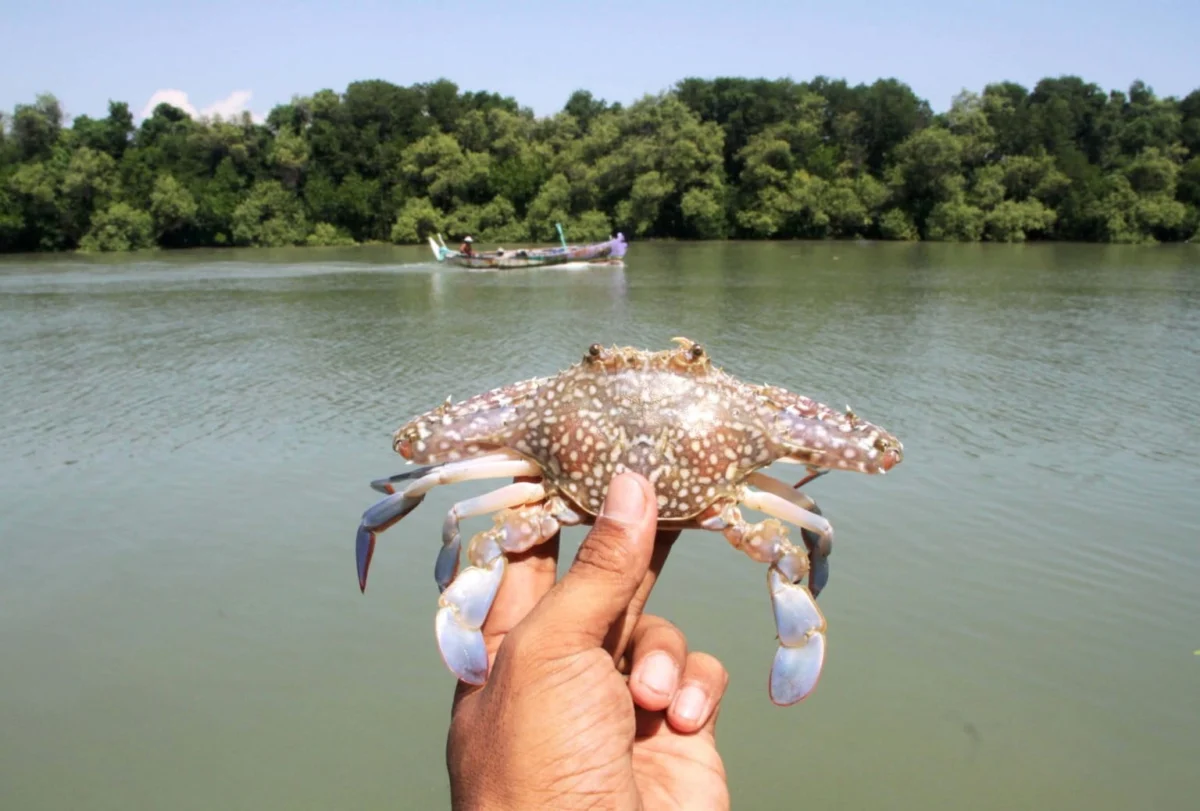
The peculiar lateral gait of the crab, a biological trait that has long intrigued naturalists and casual observers alike, is far more than a mere anatomical quirk; it is a sophisticated evolutionary adaptation that has allowed the infraorder Brachyura to dominate diverse aquatic and terrestrial environments for millions of years. New scientific inquiries into the genomic and behavioral history of these crustaceans have finally decoded why and when this unique form of locomotion emerged. By examining the structural arrangement of crab leg joints, researchers have confirmed that their limbs are specifically engineered for side-to-side movement rather than forward progression. This mechanical design allows for significantly longer and faster lateral strides, providing an essential tactical advantage when escaping predators. Rather than losing momentum by turning their bodies or attempting a slower backward retreat, crabs can instantly bolt toward the nearest crevice or burrow with unparalleled efficiency.
As an integral part of the Decapoda order, which includes nearly all familiar crab species from the mud crabs found in mangrove forests to the blue swimming crabs served in seafood markets, the Brachyura infraorder is defined by a wide carapace and a tucked-under, shortened abdomen. While most animals evolved to move in the direction of their sensory organs, crabs took a different path. A comprehensive study titled "Evolution of sideways locomotion in crabs," recently published in the journal eLife, reveals that this trait is not a random occurrence but a "key innovation" that catalyzed the massive diversification of the species. With over 7,904 recognized species, crabs far outnumber their close relatives, such as the Astacidea (clawed lobsters and crayfish), largely due to the versatility afforded by their sideways movement.
The Evolutionary Timeline and the Jurassic Shift
To pinpoint the origins of this behavior, a collaborative team of researchers from institutions in Japan, Taiwan, and the United States embarked on a multi-year project to map the locomotory habits of dozens of species against their genetic history. Lead researcher Yuuki Kawabata and his colleagues sought to answer a fundamental question: when did the ancestor of the modern crab stop walking forward and start walking sideways? The team’s findings suggest that this transition occurred approximately 200 million years ago, during the Early Jurassic period. This era was a time of monumental geophysical and biological change, characterized by the breakup of the supercontinent Pangea and the expansion of shallow marine habitats.
This period also coincided with the "Mesozoic Marine Revolution," a biological arms race where marine predators, such as ray-finned fishes and marine reptiles, evolved more effective ways to crush shells. In response, prey animals had to develop better defenses or more efficient escape mechanisms. For the ancestors of the crab, the development of a wider body (the carapace) and the lateral shift in leg orientation provided the perfect solution. By moving sideways, they could navigate the complex, rocky terrains of the seafloor and tuck into narrow gaps that forward-moving predators could not access. The study indicates that while the transition to sideways walking was a rare evolutionary event, once it was established, it became a highly stable trait that was rarely lost.
Genomic Data and Phylogenetic Mapping
The methodology behind this discovery involved a rigorous integration of direct behavioral observation and high-level genomic analysis. The researchers collected 50 different species of live crabs from various sources, including laboratory cultures, field expeditions, and commercial fish markets. These specimens were placed in controlled environments where their movements were recorded using high-speed cameras. The data revealed a stark binary: out of the 50 species, 35 were strictly sideways walkers, while 15 retained or reverted to forward walking. Interestingly, the researchers found no "middle ground" or hybrid movement styles, suggesting that the transition between forward and lateral movement requires a complete mechanical and neurological shift.
Once the behavioral data was categorized, it was overlaid onto a phylogenetic tree—a biological map of evolutionary relationships—constructed from genomic sequences. This allowed the team to trace the trait back through time. The analysis confirmed that the common ancestor of all modern "true crabs" (Brachyura) was a forward-moving creature. The shift to sideways locomotion happened early in the lineage’s history. According to the report, "the prevalence of sideways movement reflects a single evolutionary origin from a forward-moving ancestor." While some specialized species later reverted to forward movement to suit specific ecological niches—such as those that burrow deep into sand or live in narrow tubes—the vast majority of the lineage stayed true to the lateral path.
The Biomechanics of the Lateral Stride
The secret to the crab’s speed lies in the anatomy of its leg joints. In most vertebrates and many invertebrates, joints move in a plane that facilitates forward motion. However, in the Brachyura, the joints connecting the legs to the body are oriented in a way that restricts the "swing" of the leg to a lateral plane. This mechanical constraint means that a crab attempting to walk forward would have to move its legs in a highly inefficient, cramped manner. Conversely, when moving sideways, the legs can extend fully, maximizing the distance covered with each step.
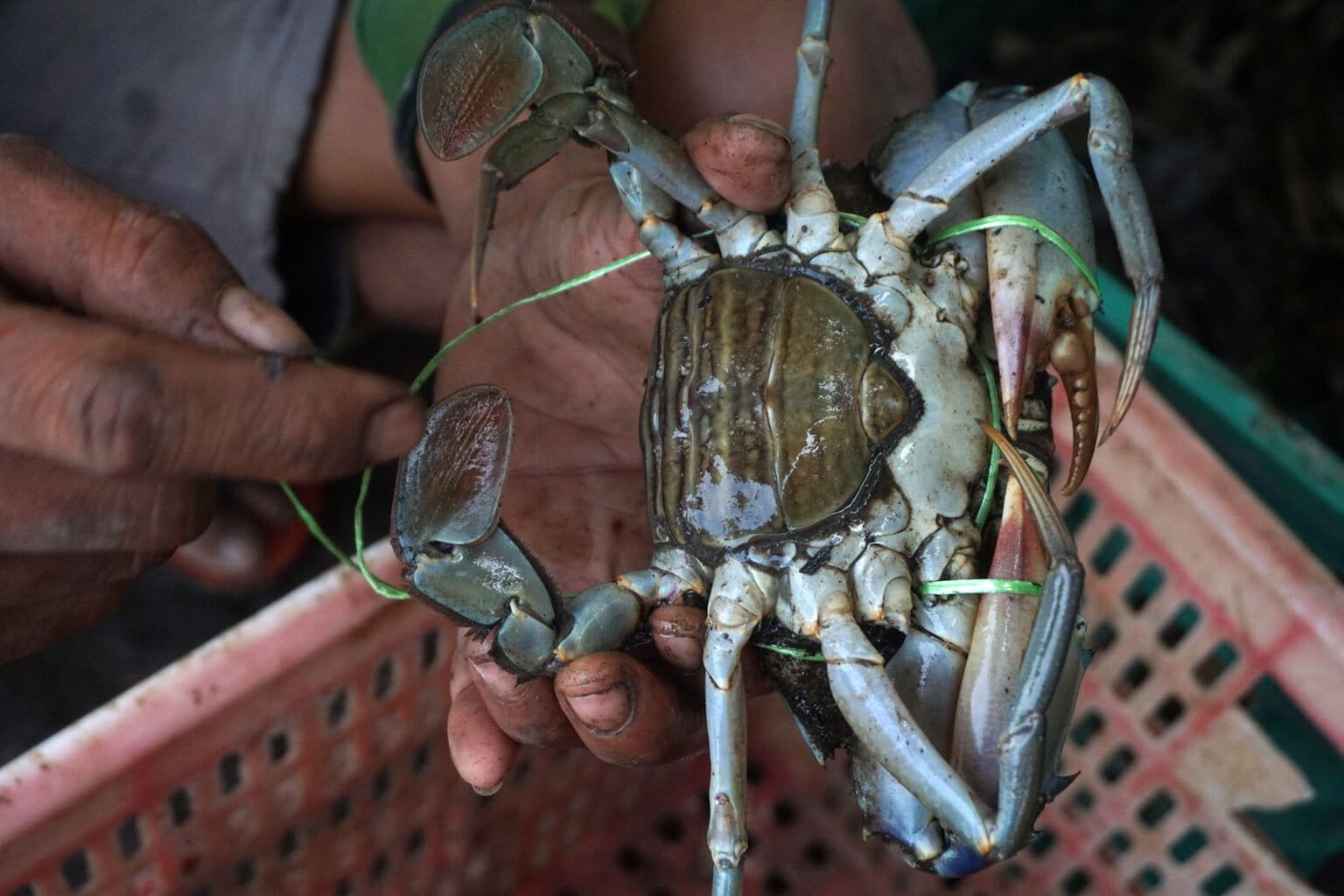
This anatomical specialization is a trade-off. By sacrificing the ability to move forward efficiently, crabs gained the ability to accelerate almost instantly to the left or right. In the kingdom Animalia, this is an exceptionally rare trait. Aside from crabs, only a handful of other organisms, such as certain species of crab spiders (Thomisidae) and some leafhopper nymphs, have evolved a primary mode of lateral locomotion. In the case of the crab, this innovation allowed them to occupy "cryptic" niches—spaces under rocks, inside coral heads, and within dense mangrove roots—where a wide body and sideways movement are distinct advantages.
Comparative Success: Mud Crabs vs. Rajungan
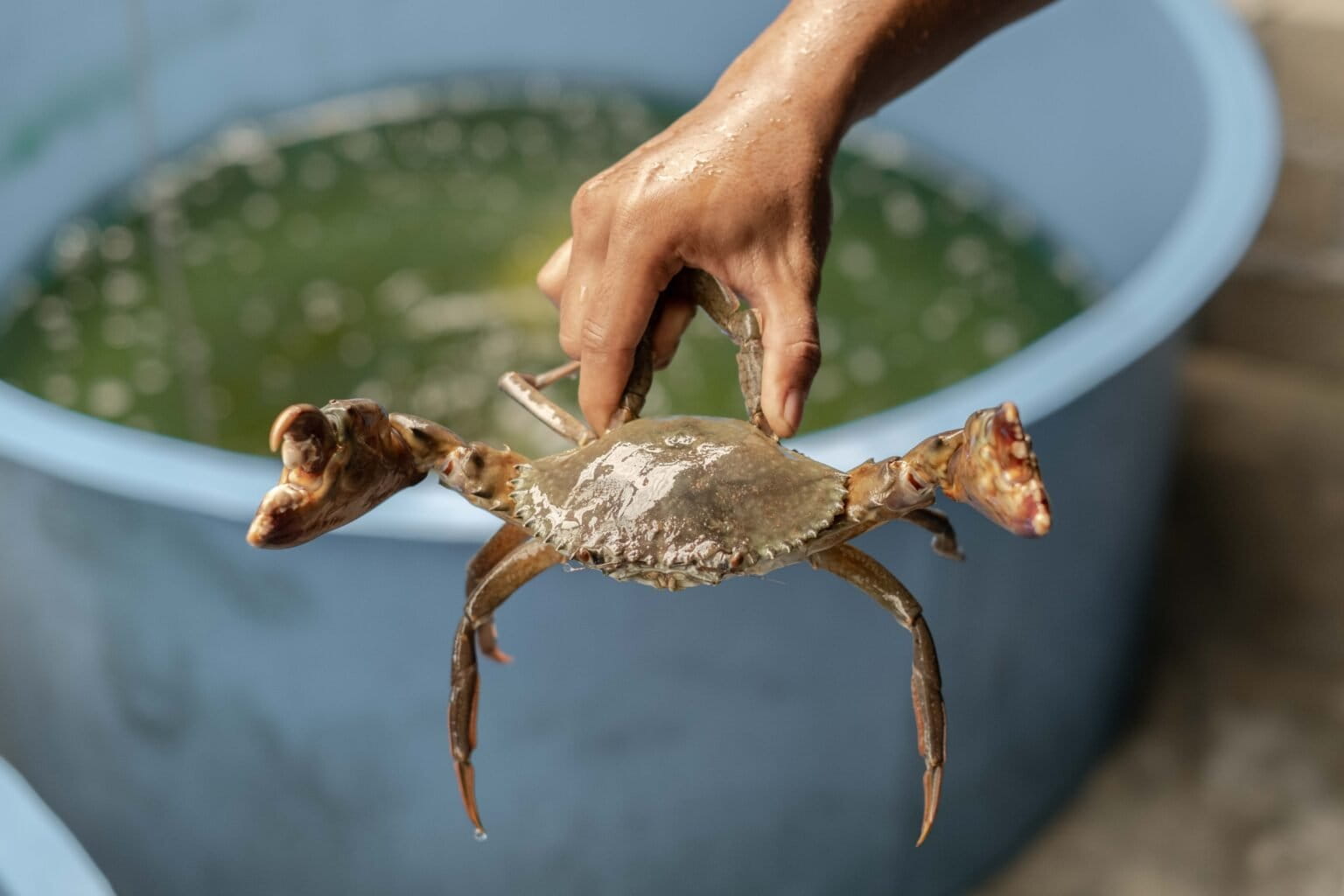
The practical implications of these evolutionary traits are clearly visible in the two most commercially significant types of crabs in the Indo-Pacific region: the mud crab (Scylla species) and the blue swimming crab (Portunus pelagicus), known locally in Indonesia as rajungan. While both share the ancestral trait of sideways movement, they have adapted it to fit vastly different environments.
Mud crabs, or Scylla serrata and Scylla olivacea, are the heavyweights of the mangrove forests. They possess thick, heavy carapaces and massive claws designed for crushing mollusks and defending territory. Their sideways gait is optimized for navigating the sticky, uneven mud of estuaries and burrowing deep into the banks of tidal rivers. For these crabs, moving sideways allows them to slip into the narrow gaps between mangrove pneumatophores (breathing roots) to escape birds or human harvesters.
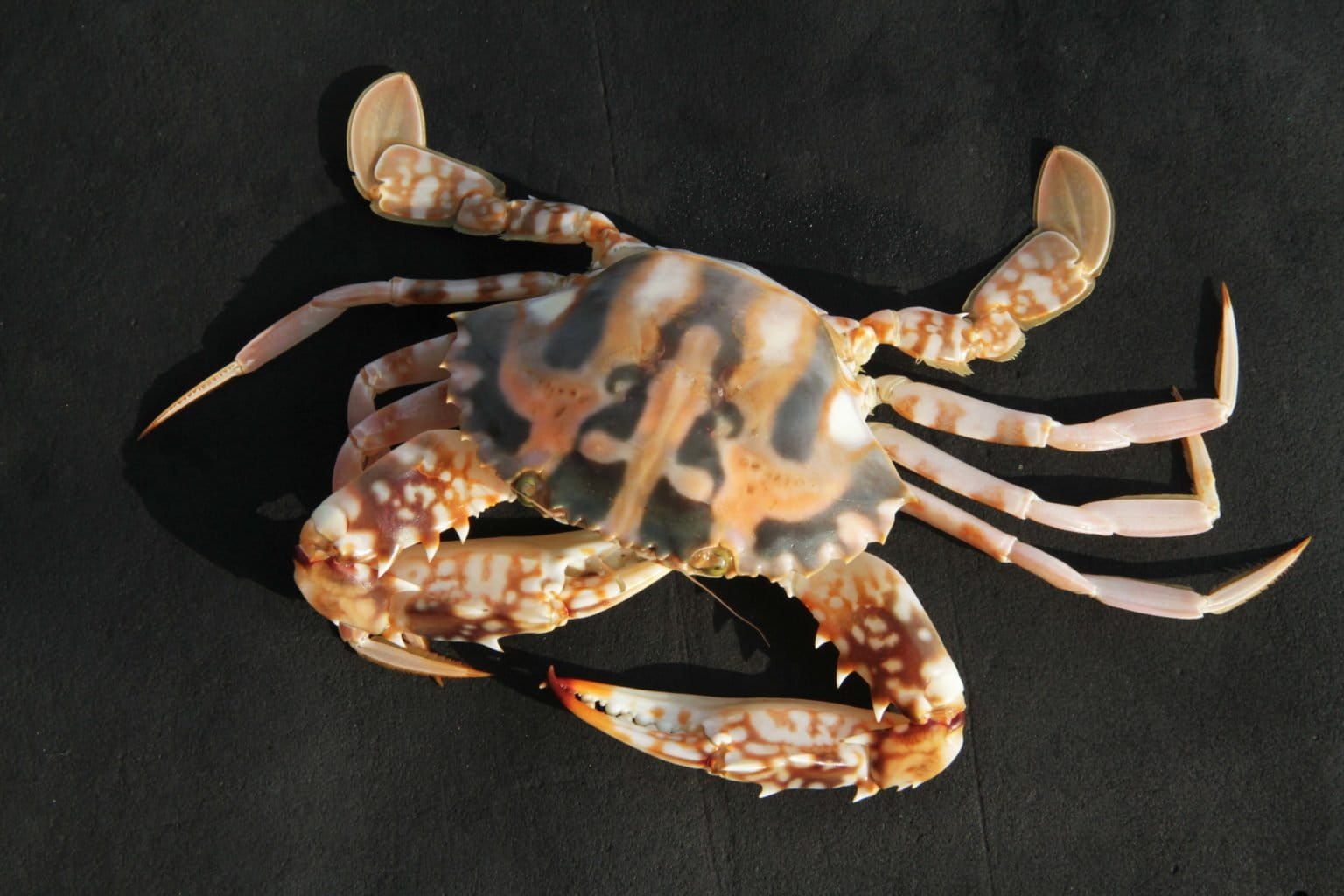
In contrast, the blue swimming crab represents a further evolutionary refinement. While it still walks sideways on the sea floor, it has adapted its fifth pair of legs into flattened, paddle-like oars. This allows the rajungan to be an elite swimmer. Even in the water column, the principles of lateral anatomy apply; they often swim with a tilted, side-leaning orientation that allows for rapid maneuvers. The blue swimming crab’s body is more streamlined and its legs more elongated than the mud crab, reflecting its life in the high-salinity, open waters of the coast. Despite these differences, both Genus Scylla and Genus Portunus owe their ecological dominance to the 200-million-year-old decision of their ancestors to walk sideways.
Ecological Implications and Biodiversity
The study published in eLife concludes that sideways locomotion acted as a "key innovation" that drove the diversification of the infraorder. In evolutionary biology, a key innovation is a specific trait that allows a group of organisms to exploit new resources or habitats that were previously unavailable. By mastering the sideways shuffle, crabs were able to colonize everything from the abyssal depths of the ocean to the highest branches of mangrove trees.
This movement style allowed for the development of the "crab-like" body shape, a process known as carcinization. Interestingly, nature has tried to "make a crab" multiple times; several lineages of hermit crabs and porcelain crabs have independently evolved to look and move like true crabs because the design is so effective. However, the Brachyura remain the most successful practitioners of this form. Their ability to move quickly into cover has made them one of the most resilient groups of animals on the planet, surviving multiple mass extinction events, including the one that wiped out the dinosaurs at the end of the Cretaceous period.
Conclusion: A Legacy of Movement
The research led by Yuuki Kawabata provides the largest comparative behavioral dataset on crab locomotion to date. It highlights how a seemingly simple change in how an animal moves can dictate the entire trajectory of its evolutionary history. "By integrating direct behavioral observations with a robust phylogenetic framework, this study expands our understanding of how animal locomotor modes diversify and persist through evolutionary time," Kawabata noted.
For the scientific community, the crab’s sideways walk is a prime example of how behavioral innovation can lead to a boom in biodiversity. For the fishing industry and conservationists, understanding these biological traits is essential for managing habitats like mangroves and coral reefs, where the crab’s ability to hide and move is central to the ecosystem’s health. Ultimately, the crab’s mosey to the side is not a biological "glitch," but a 200-million-year-old masterclass in survival, proving that sometimes, the best way to move forward in life is to step to the side.