Chalifah Fatihah
Cabbage, a staple in kitchens worldwide, is renowned for its adaptability and nutritional prowess. While its accessibility and ease of preparation are undeniable, achieving the ideal texture and flavor can be elusive for many. This comprehensive exploration delves into five distinct cooking methods for cabbage, analyzing their impact on the vegetable’s characteristics and offering insights into which technique yields the most delectable results. The objective is to move beyond anecdotal preferences and provide a data-driven understanding of cabbage cookery, empowering home cooks and culinary professionals alike.
Cabbage, scientifically known as Brassica oleracea var. capitata, is a member of the Brassicaceae family, which also includes broccoli, cauliflower, and Brussels sprouts. Its widespread cultivation dates back centuries, with evidence suggesting its use in ancient Egypt and Greece. Its popularity stems not only from its versatility but also from its impressive nutritional profile. A mere 89-gram serving of raw cabbage provides a significant amount of essential nutrients. According to data from the U.S. Department of Agriculture (USDA) FoodData Central, this portion contains approximately 1 gram of protein, 2 grams of dietary fiber, and a mere 22 calories. Crucially, it delivers substantial amounts of vitamins and minerals, including vitamin K, vitamin C, vitamin B6, folate, calcium, potassium, and magnesium. For instance, this modest serving can fulfill a remarkable 56% of an adult’s daily recommended intake of vitamin K, a fat-soluble vitamin vital for blood clotting and bone health. Vitamin C, a potent antioxidant, is also abundant, contributing to immune function and collagen production.
Despite its inherent benefits, cabbage can sometimes present challenges in the culinary realm. Complaints often center on the development of an unpleasant sulfurous odor, a mushy or unappealing texture, or a bitter taste. These undesirable outcomes are frequently linked to the cooking method employed. The way cabbage is subjected to heat profoundly influences its chemical composition and structural integrity, thereby dictating its final sensory attributes. To demystify this process, Serious Eats, a reputable culinary publication, conducted extensive testing on various cabbage cooking techniques, identifying five primary methods that offer distinct results.
The Five Pillars of Cabbage Cookery
1. Pressure Cooking: The Expedited Tenderization
Pressure cooking, a technique often found in traditional Indian and Eastern European cuisines, offers a rapid path to tenderized cabbage. This method utilizes a sealed pot to build steam pressure, significantly reducing cooking times compared to conventional boiling or simmering. The outcome is cabbage that achieves a pleasing tenderness, akin to boiling, but in a fraction of the time. Pressure cooking is particularly well-suited for cabbage destined for hearty, saucy dishes and those incorporating robust flavor profiles. The sealed environment allows the cabbage to efficiently absorb the surrounding broths and spices, infusing it with the essence of the dish. Research into pressure cooking indicates that the increased temperature and pressure accelerate the breakdown of plant cell walls, leading to quicker softening. This makes it an efficient method for dishes where a melt-in-your-mouth texture is desired, such as certain stews or braised cabbage preparations.
2. Boiling: The Foundation of Simplicity, With Caveats
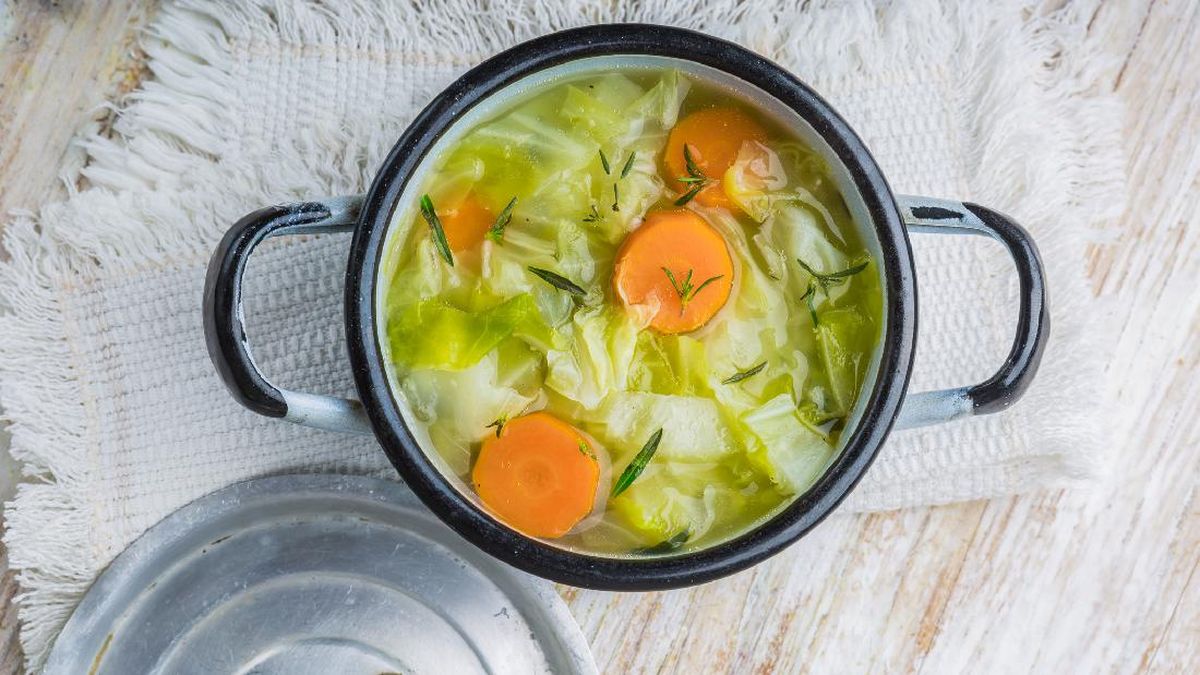
Boiling is perhaps the most straightforward method of cooking cabbage. It involves submerging washed cabbage into boiling water until the desired tenderness is achieved. The duration of the boiling process directly dictates the final texture. A key characteristic of boiled cabbage is the leaching of water-soluble compounds into the cooking liquid. This can result in a cabbage that is somewhat bland if not subsequently incorporated into a flavorful sauce or dish. Furthermore, prolonged boiling can exacerbate the natural sulfur compounds present in cabbage, leading to a more pronounced, and often undesirable, bitter taste. Healthline data suggests that overcooking cruciferous vegetables like cabbage can lead to the formation of compounds like hydrogen sulfide, which contributes to the characteristic "eggy" or "sulfurous" smell. This method is best employed when the cabbage is an integral component of a soup or stew, where its flavor will be complemented by the rich broth and other ingredients, masking any potential blandness or bitterness.
3. Steaming: Preserving Freshness and Texture
Steaming is a gentler cooking method that involves exposing cabbage to hot steam, typically for a shorter duration than boiling. This technique is frequently observed in Asian cuisine, where steamed cabbage often accompanies dishes like dim sum. Studies on steaming vegetables indicate that it is highly effective at preserving the nutritional content and the natural vibrant color of the produce. When steaming cabbage, a cooking time of approximately five minutes is often cited as optimal. This duration allows the cabbage to become tender yet retain a pleasant crispness, preventing it from becoming overly soft or mushy. Conversely, steaming for ten minutes or longer can lead to a texture that is too yielding. The advantage of steaming lies in its ability to minimize the loss of natural flavors and maintain a satisfying mouthfeel. This method is ideal for those who prefer their cabbage to retain a degree of its inherent crispness and fresh, clean taste, making it a versatile accompaniment to a wide range of main courses. The minimal contact with water also reduces the leaching of water-soluble vitamins and minerals, contributing to a more nutrient-dense final product.
4. Sautéing: The Quick Sear for Flavor and Crunch
Sautéing involves cooking cabbage in a small amount of oil over high heat in a pan. This rapid cooking process, often referred to as stir-frying when done with constant movement, results in cabbage that quickly changes color, developing a slightly browned hue, and an aromatic, savory scent. The texture achieved through sautéing is typically characterized by a satisfying crunch. Unlike water-based cooking methods, sautéing makes achieving uniform doneness more challenging. Some parts of the cabbage may become more tender while others retain significant crispness. However, this variation in texture is often seen as a positive attribute, contributing to a more complex and interesting eating experience. The Maillard reaction, a chemical process that occurs during browning, is responsible for the development of these desirable savory flavors and aromas. Sautéed cabbage is a popular component in many Asian stir-fries and can be seasoned with a variety of sauces and spices to create a flavorful side dish or a component of a larger meal. The controlled application of heat and fat allows for the development of appealing textural contrasts.
5. Roasting: Unlocking Umami and Sweetness
Roasting cabbage, while perhaps less common in traditional Indonesian home cooking, presents an intriguing avenue for exploring its flavor potential. This method involves coating cut cabbage with olive oil, salt, and pepper, and then exposing it to high oven temperatures, often up to 260 degrees Celsius (500 degrees Fahrenheit), for a relatively short period. The intense heat of roasting caramelizes the natural sugars present in the cabbage, leading to the development of a rich, savory, umami-like flavor profile. This process also creates a delightful char on the edges of the cabbage, adding a pleasant textural contrast. For those seeking an intensely savory and slightly sweet cabbage preparation, roasting is a highly recommended technique. The dry heat of the oven draws out moisture, concentrating the flavors and creating a depth that is difficult to achieve with other methods. Research on vegetable roasting indicates that the high temperatures promote browning reactions and the development of complex flavor compounds, often described as deeply satisfying and nuanced. This method transforms the humble cabbage into a dish with remarkable depth and complexity, suitable as a standalone side or a sophisticated addition to a meal.
Expert Perspectives and Broader Implications
Culinary experts often emphasize that the "best" method for cooking cabbage is subjective and depends heavily on the desired outcome and the overall dish. However, there is a growing consensus that overcooking cruciferous vegetables is a common pitfall that leads to the loss of both flavor and nutritional value. The scientific understanding of how heat affects cabbage’s chemical makeup provides a solid foundation for making informed culinary decisions. The breakdown of glucosinolates, sulfur-containing compounds, during cooking is a key factor influencing the characteristic smell and taste of cabbage. Gentler cooking methods like steaming and quick sautéing tend to preserve more of these compounds in their desirable forms, while prolonged cooking can lead to the release of more volatile and less palatable sulfurous gases.
The nutritional implications of different cooking methods are also significant. While all methods will result in some nutrient loss, steaming and light sautéing are generally considered superior for retaining water-soluble vitamins and minerals. For instance, vitamin C, being heat-sensitive and water-soluble, is most likely to be degraded or leached out during prolonged boiling. Conversely, vitamin K, being fat-soluble, is more stable and less affected by these processes.
The growing interest in plant-based diets and the emphasis on whole, unprocessed foods have further highlighted the importance of understanding how to prepare vegetables like cabbage in ways that maximize their appeal and nutritional benefits. As consumers become more health-conscious and adventurous in their culinary pursuits, a deeper understanding of these cooking techniques can elevate the humble cabbage from a simple side dish to a star ingredient. The versatility of cabbage, combined with the knowledge of how to unlock its full potential through various cooking methods, ensures its continued relevance and popularity in kitchens around the globe. The ongoing exploration of culinary science continues to shed light on the intricate ways in which heat, time, and technique can transform even the most common ingredients into extraordinary gastronomic experiences.