Nila Kartika Wati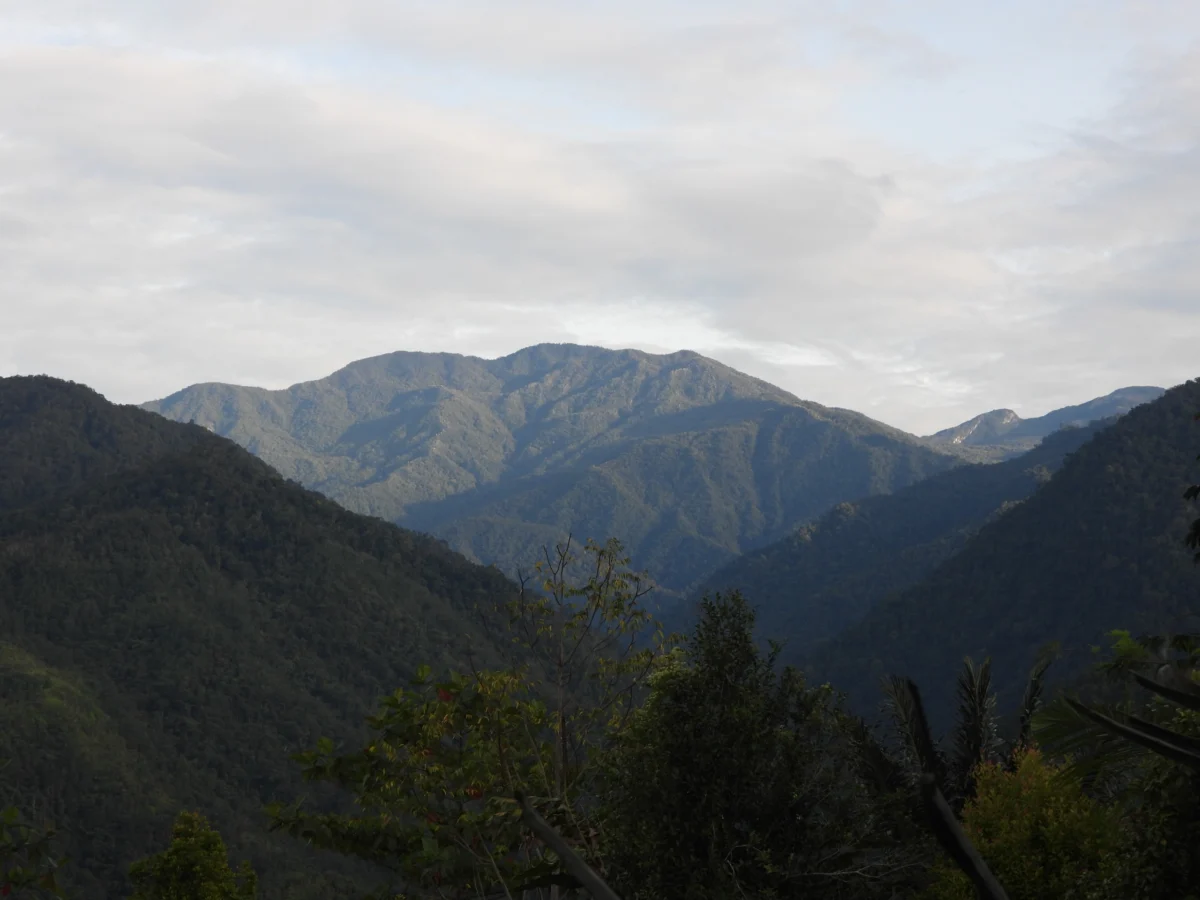
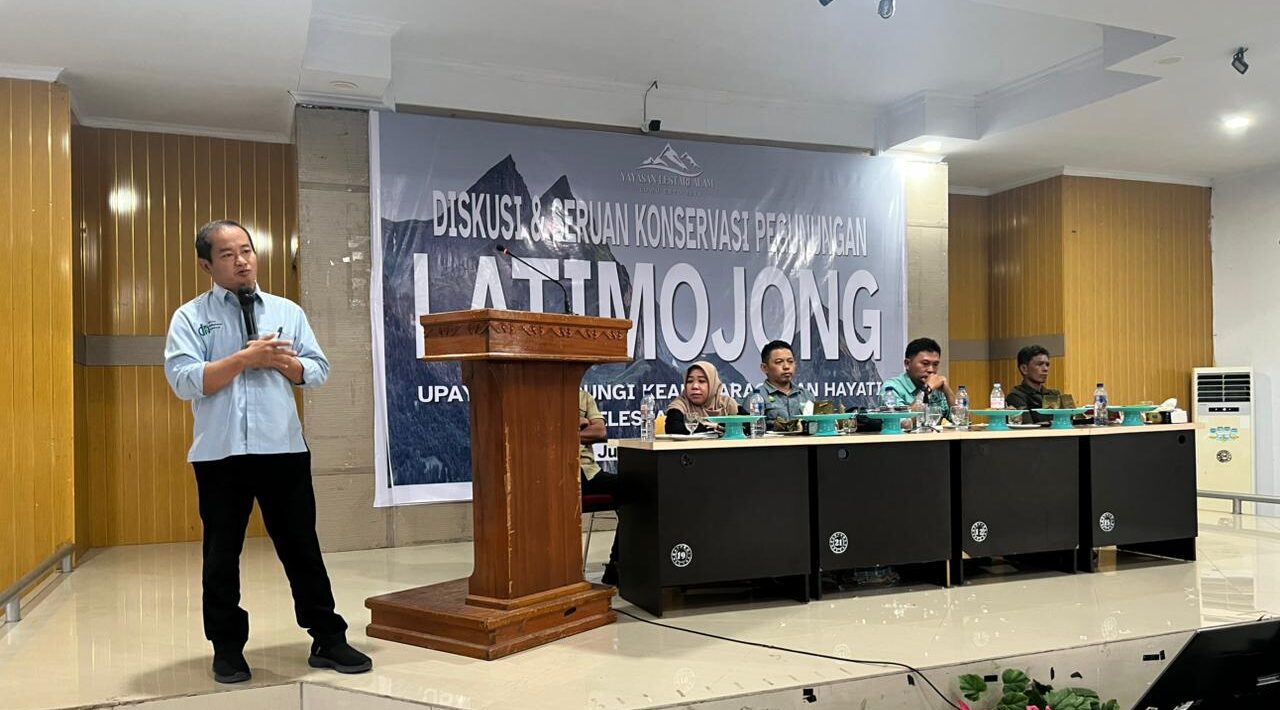
The overcast skies above Belopa City in early May 2026 served as a somber backdrop for a gathering of critical importance at the Regional Development Planning Agency (Bappeda) Hall in Luwu Regency, South Sulawesi. Inside the hall, a diverse assembly of environmental activists, indigenous leaders, academics, government officials, journalists, and forest farmer groups converged for a high-stakes forum focused on a singular, urgent objective: the future of the Latimojong landscape. For the people of South Sulawesi, the Latimojong Mountains are far more than a geographical landmark; they represent the primary water tower, a sanctuary for Wallacean biodiversity, a guarantor of food security, and the ancestral home for thousands of residents. However, this ecological heart of the region is currently facing unprecedented pressures from land conversion, mining interests, and the intensifying effects of climate change.
Ismail Ishak, the Director of the Lestari Alam Foundation, opened the conservation discussion—titled "Guarding Latimojong Means Guarding the Sustainability of Human Life"—with a stark warning that highlighted the interconnectedness of the ecosystem. He noted that any degradation occurring in the upstream highlands would inevitably result in direct, often catastrophic, consequences for the downstream communities. This statement was not merely theoretical; it was rooted in the collective trauma of the previous year. In May 2025, the Latimojong slopes were devastated by massive flash floods and landslides that destroyed homes, severed vital transportation arteries, and paralyzed the regional economy for weeks. That disaster served as a definitive turning point, forcing a societal re-evaluation of the relationship between human development and mountain preservation.
The Ecological Significance of the Roof of Sulawesi
Spanning across the regencies of Luwu, Enrekang, Tana Toraja, Sidrap, and Wajo, the Latimojong Mountains culminate at Mount Rantemario, which stands at 3,470 meters above sea level. This peak is the highest point on the island of Sulawesi and is recognized as one of Indonesia’s "Seven Summits." Yet, the true value of the range lies beneath its canopy and within its hydrological networks. Latimojong functions as the hydrological "heart" of South Sulawesi, giving birth to numerous rivers that irrigate the province’s most productive agricultural lands.
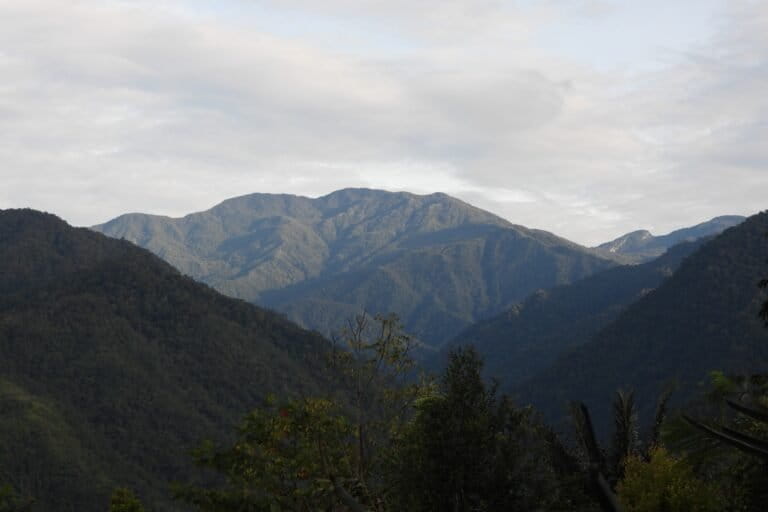
Data from the South Sulawesi Natural Resources Conservation Agency (BBKSDA) indicates that the Latimojong system supports approximately 41% of South Sulawesi’s total rice production. Four major rice-producing regencies—Luwu, Sidrap, Wajo, and Pinrang—are entirely dependent on the nine watersheds (DAS) that originate in these mountains. Beyond staple crops, the mountain slopes are world-renowned for their specialty Arabica coffee, particularly from the Enrekang and Toraja regions, which command high prices in international markets. For local communities, the forest is also a direct source of livelihood, providing forest honey, damar resin, rattan, and various non-timber forest products.
A Landscape Under Siege: Mining and Land Conversion
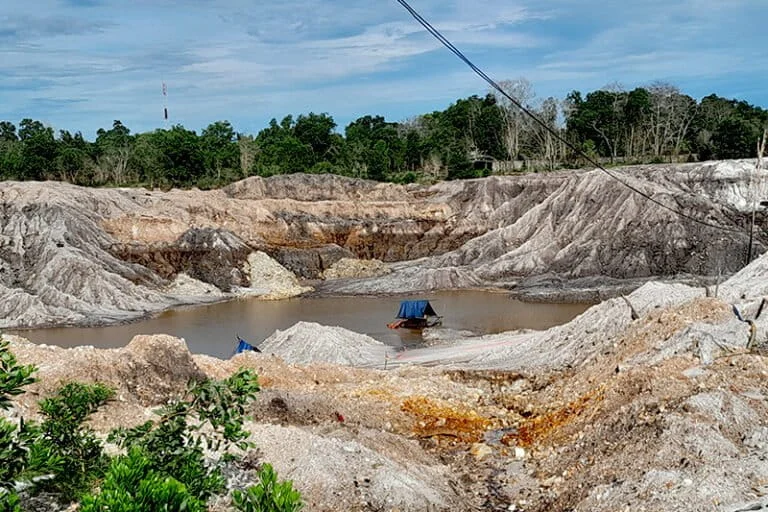
Despite its critical importance, the Latimojong landscape is under siege. Hasrul, the Head of the Latimojong Forest Management Unit (KPH), reported that the primary drivers of degradation are illegal land clearing for agriculture and the encroachment of mining activities. The ecological stability of the region has reached a tipping point; during the 2025 disaster, authorities recorded 1,770 separate landslide points across the Suli, Suso, and Paremang watersheds.
The entry of mining operations into the upper reaches of the mountains has caused particular alarm among local residents. Muh. Husain Pangngari, representing the Banua Lemo Indigenous Youth, highlighted the visible changes in the Suso River’s flow and water quality due to upstream mining. He argued that without immediate legal protection, the damage would become irreversible, leading to a permanent loss of water security for the thousands of farmers living downstream.
From a biological perspective, the threat is equally dire. Khadijah Aziz Karim, an academic from Andi Djemma University in Palopo, described Latimojong as one of the last bastions for Sulawesi’s unique wildlife. The range is home to both species of anoa (the lowland and mountain anoa), the Sulawesi hornbill, the Sulawesi eagle, the Sulawesi palm civet, and the bear cuscus, alongside a plethora of endemic flora. "Losing this area means losing a vital piece of Indonesia’s ecological identity," Karim stated. She also noted that poaching remains a significant issue, with the endangered anoa still being hunted for consumption and as a status symbol in certain circles, driven by the economic pressures facing local populations.
The National Park Proposal: A Double-Edged Sword?
The deteriorating state of the mountains led to a formal proposal in 2022 to designate the Latimojong Mountains as a National Park. Proponents argue that National Park status would provide the necessary legal framework to halt mining expansion and implement large-scale reforestation. However, the proposal has been met with a complex mix of optimism and skepticism.
The skepticism stems from historical "fortress conservation" models in Indonesia, which often excluded indigenous and local communities from their ancestral lands. Syahrudin, a senior journalist from Harian Fajar, cautioned that the establishment of a National Park must not come at the expense of local people’s rights. He pointed to previous conservation efforts in other regions where strict zoning prevented villagers from accessing basic resources or maintaining their traditional livelihoods.
Addressing these concerns, Abdul Rahman Nur, a member of the National Forestry Council, suggested that the paradigm of conservation has shifted. He emphasized that modern conservation must be "humanist" and inclusive. "In the past, the designation of conservation areas was often a one-sided, exclusionary process," Nur explained. "Today, we must recognize that indigenous communities have practiced their own forms of conservation for centuries through sacred groves and customary laws. The state and indigenous peoples should not be in opposition."
Implementing the Padiatapa Principle
To ensure that the National Park designation is a collaborative effort rather than a top-down mandate, the South Sulawesi BBKSDA has adopted the principle of Padiatapa—the Indonesian equivalent of Free, Prior, and Informed Consent (FPIC). Since the proposal’s inception, officials have conducted over 20 rounds of consultations with villages and districts surrounding the mountain range.
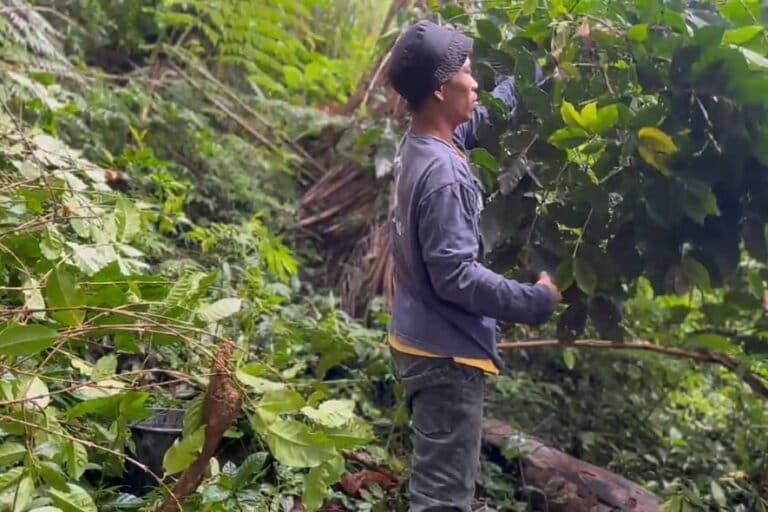
One significant outcome of these consultations has been the adjustment of the proposed park’s boundaries. Initially, the proposed area covered over 115,000 hectares. However, following feedback from local communities who feared losing their farmland and living space, the proposed area was reduced to approximately 70,000 hectares. This reduction aims to protect the core ecological zones and water catchment areas while maintaining "buffer zones" where communities can continue sustainable agricultural practices.
Subhan Usman, Program Manager for Fauna & Flora International (FFI) in South Sulawesi, expressed strong support for the revised National Park plan. He reiterated that as a water catchment area for nine major watersheds, Latimojong’s health is a matter of regional security. "This area is home to 407 species of fauna and flora, 60% of which are endemic to Sulawesi," Usman noted. He added that the current proposal strikes a necessary balance between strict protection of the high-altitude "water towers" and the socio-economic needs of the people living on the slopes.
Political Will and the Path Forward
The drive to protect Latimojong has also gained traction within the legislative branches of government. Subhan, a member of the Luwu Regency Regional Representative Council (DPRD) Commission II, has been actively lobbying various state agencies to expedite the National Park status. His involvement reflects a growing political consensus that the long-term economic cost of environmental disasters—such as the 2025 floods—far outweighs the short-term gains from mining or unregulated land clearing.
The transition to a National Park would ideally bring increased funding for forest patrols, scientific research, and the development of sustainable ecotourism, which could provide an alternative income for locals who currently rely on forest extraction. The success of the Latimojong National Park will ultimately depend on whether the government can deliver on its promise of a participatory management model.
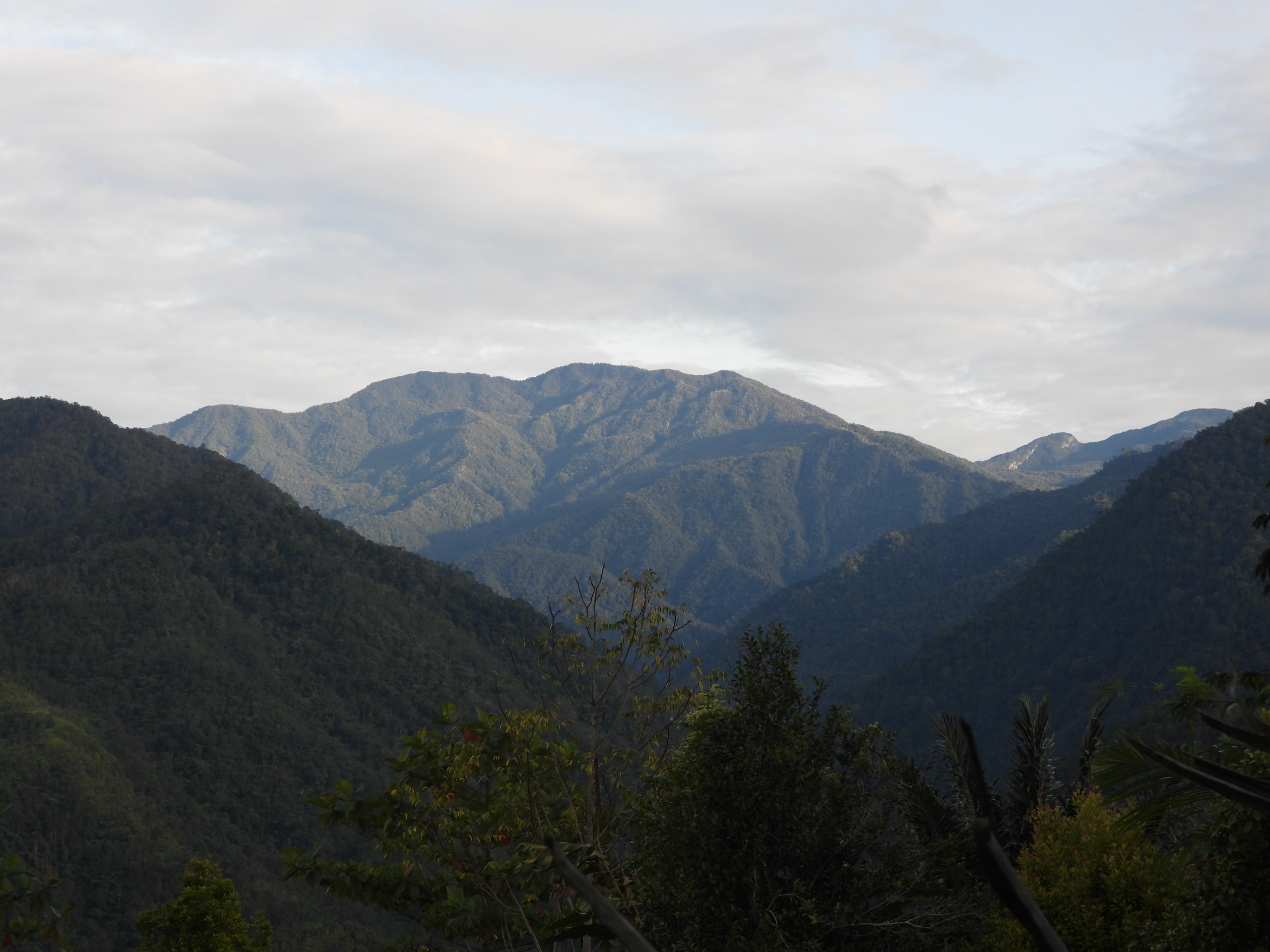
As the forum in Belopa concluded, the sentiment among the participants was one of cautious urgency. The memory of the 2025 landslides remains a powerful motivator for change. The Latimojong Mountains stand as a silent witness to the evolving dialogue between man and nature in Sulawesi. Whether these peaks remain a flourishing source of life or become a scarred landscape of industrial exploitation depends on the decisions made today. The proposed National Park represents more than just a change in administrative status; it is a pledge to safeguard the "Heart of Sulawesi" for generations yet to come. If successful, the Latimojong model could serve as a blueprint for inclusive conservation across the Indonesian archipelago, proving that the protection of biodiversity and the promotion of human welfare are two sides of the same coin.