Nila Kartika Wati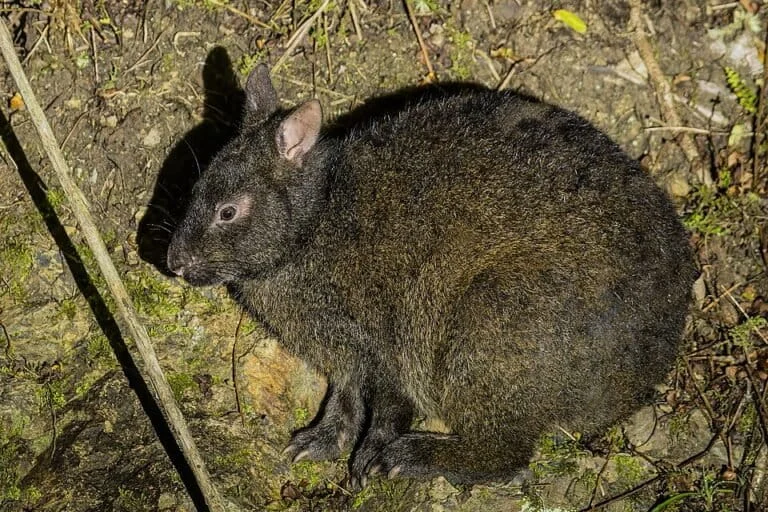
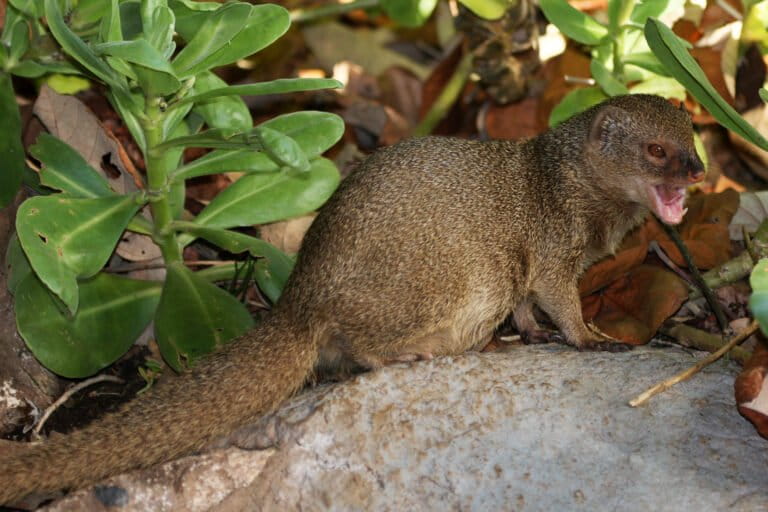
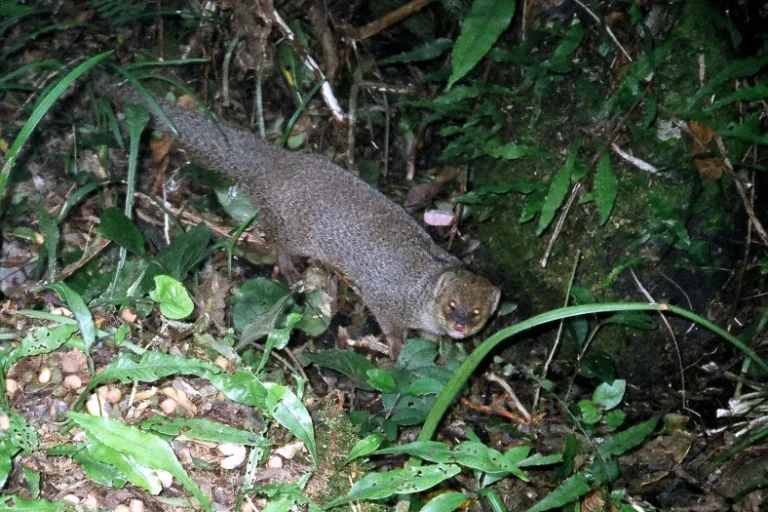
On September 3, 2024, the Ministry of the Environment of Japan made a historic announcement that resonated far beyond the shores of the Ryukyu Archipelago. After a grueling 45-year struggle against an invasive predator, the island of Amami Oshima was officially declared free of the small Indian mongoose (Herpestes auropunctatus). This declaration marks the successful conclusion of one of the world’s most ambitious and long-term ecological restoration projects, offering a profound lesson in the unintended consequences of human intervention in delicate island ecosystems. The victory is not merely a local triumph but a landmark event for global conservation biology, proving that with sustained political will, scientific rigor, and community support, it is possible to reverse the damage caused by invasive species, even after they have established a dominant foothold.
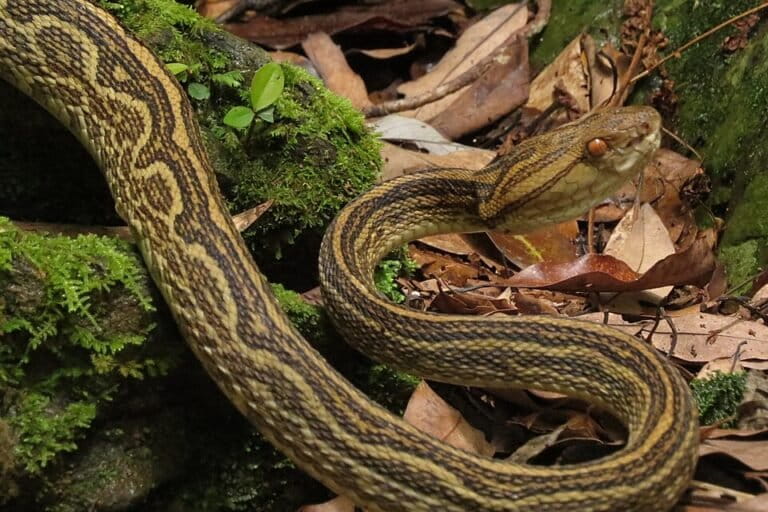
The story of the mongoose on Amami Oshima began in 1979 with a plan that, at the time, seemed like a pragmatic solution to a public health crisis. Amami Oshima, the largest island in the Amami archipelago of Kagoshima Prefecture, had long been home to the Habu (Protobothrops flavoviridis), a highly venomous pit viper. For decades, the Habu was a constant threat to the island’s residents, with snakebites being a frequent occurrence in agricultural areas and forests. Seeking a biological control method to reduce the snake population without resorting to widespread chemical use, local authorities decided to introduce the small Indian mongoose. Approximately 30 individuals were released near the city of Naze, with the expectation that they would hunt the Habu and make the island safer for human habitation.
However, this introduction was based on a catastrophic misunderstanding of animal behavior. The small Indian mongoose is a diurnal predator, meaning it is active during the daylight hours. Conversely, the Habu is a nocturnal hunter, emerging only after dusk. Because their active periods rarely overlapped, the two species seldom encountered one another in the wild. Instead of preying on the venomous snakes they were intended to control, the mongooses discovered an environment filled with much easier, non-venomous targets: the island’s unique and defenseless endemic wildlife.
The Ecological Toll on a World Heritage Sanctuary
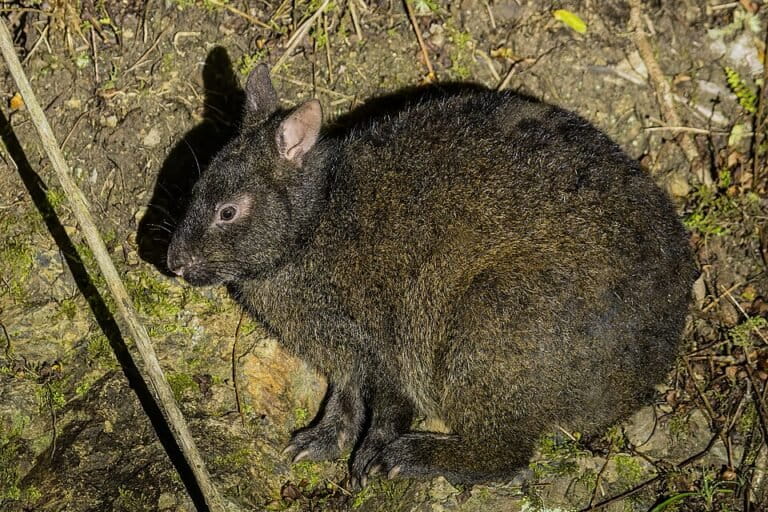
Amami Oshima is often referred to as the "Galapagos of the East." Due to its long isolation from the Japanese mainland and the Asian continent, the island evolved a unique biological profile, characterized by high levels of endemism. It is home to species found nowhere else on Earth, many of which are considered "living fossils." The most famous of these is the Amami rabbit (Pentalagus furnessi), a primitive leporid that retains many characteristics of ancient rabbits that lived millions of years ago. Other endemic species include the Amami spiny rat, the Ishikawa’s frog, and the Amami woodcock.
Because these animals evolved in an environment devoid of large mammalian predators, they lacked the instinctive flight or defense mechanisms necessary to survive the mongoose. The mongooses found the island to be a paradise with an unlimited food supply and no natural enemies. By the year 2000, the original population of 30 mongooses had exploded to an estimated 10,000 individuals, and their territory had expanded across nearly the entire island.
As the mongoose population surged, the populations of endemic species plummeted. The Amami rabbit, once common across the island, saw its range restricted to a few isolated pockets in the southern forests. The ecological balance of the island was on the verge of collapse. The very biodiversity that would eventually earn Amami Oshima a spot on the UNESCO World Heritage list in 2021 was being systematically dismantled by an animal that humans had invited onto the island.
The Long Road to Eradication: The "Mongoose Busters"
The Japanese government began to recognize the severity of the crisis in the early 1990s, but it was not until 2000 that a full-scale, systematic eradication program was launched. The Ministry of the Environment established the "Amami Mongoose Busters," a specialized team of experts and local residents dedicated to the singular goal of eliminating every mongoose on the island.
The eradication strategy was a masterpiece of logistical planning and persistence. Over the course of two decades, the team deployed a multi-faceted approach:
- Extensive Trapping: At the peak of the operation, more than 30,000 traps were set across the island’s rugged and densely forested terrain. These traps were meticulously monitored and moved based on data regarding mongoose sightings and captures.
- Detection Dogs: One of the most effective tools in the later stages of the program was the use of specially trained sniffer dogs. These dogs were capable of detecting the scent of a mongoose even in the thickest underbrush, allowing the Busters to locate and remove individuals that had evaded traditional traps.
- Sensor Technology: Hundreds of camera traps and sensor-activated devices were installed across the island. These provided a constant stream of data, helping researchers map the shrinking territory of the mongoose and identify the final remaining "hotspots."
- Data Analysis and Modeling: Scientists used capture-mark-recapture data and statistical modeling to estimate the remaining population. As the numbers dwindled, the effort required to catch a single mongoose increased exponentially, requiring a shift from mass trapping to highly targeted "surgical" removals.
According to records from the Ministry of the Environment, approximately 32,000 mongooses were captured and removed from the island between 2000 and 2024. The total cost of the operation is estimated to have run into billions of yen (tens of millions of dollars), a stark reminder of how expensive it is to fix an ecological mistake.
Scientific Confirmation and the Oryx Study
The decision to declare the island mongoose-free was not made lightly. The last mongoose was captured on Amami Oshima in 2018. However, international standards for eradication require a period of intensive monitoring to ensure that no breeding pairs remain. For six years following the last capture, the "Mongoose Busters" continued their patrols, and camera traps remained active. Only after years of zero detections did the government feel confident enough to issue the official declaration.
The significance of this achievement was underscored by a study published in the prestigious conservation journal Oryx in 2025. Researchers Kubo and Mameno analyzed the social and ecological impacts of the program, concluding that the "social benefits outweigh the costs." The study highlighted that the successful eradication not only saved the Amami rabbit from the brink of extinction but also restored the integrity of the island’s ecosystem, which is essential for the local tourism economy and the island’s UNESCO status.
The data presented in the Oryx study showed a remarkable recovery of native species. Since the mongoose population began to decline in the mid-2010s, sightings of the Amami rabbit have increased significantly, and the species has begun to recolonize areas of the island where it had not been seen for decades. Similar recoveries have been noted for the Amami spiny rat and various species of endemic frogs and ground-nesting birds.
Broader Implications and Lessons for the Future
The success on Amami Oshima serves as a beacon of hope for other islands struggling with invasive species. From the Caribbean to Hawaii and the Galapagos, invasive predators—including mongooses, rats, and feral cats—continue to drive extinctions. The Amami Oshima case provides a blueprint for how these crises can be managed through a combination of local community involvement and high-tech scientific intervention.
However, the primary lesson remains one of caution. The introduction of the mongoose to Amami Oshima in 1979 was done with "good intentions" to solve a snake problem. It resulted in nearly 50 years of ecological damage, the near-extinction of several unique species, and a massive financial burden on the Japanese taxpayer. It serves as a definitive argument against the casual or poorly researched introduction of non-native species for biological control.
The Ministry of the Environment has stated that while the mongooses are gone, the work is not finished. The island must now maintain strict biosecurity measures to prevent the reintroduction of the mongoose or the arrival of new invasive species. Furthermore, the "Mongoose Busters" model is now being adapted to tackle other invasive threats, such as feral cats, which continue to pose a risk to the Amami rabbit and other small fauna.
As the sun sets over the lush, green mountains of Amami Oshima, the silence of the forest is no longer a sign of a dying ecosystem, but a space where the unique calls of the Ishikawa’s frog and the rustle of the Amami rabbit can once again be heard. The island has been returned to its rightful inhabitants, a rare and hard-won victory in the ongoing global battle to preserve the Earth’s biodiversity. The 50-year war against the mongoose is over, and for the "living fossils" of Amami Oshima, a new chapter of survival has begun.