Nila Kartika Wati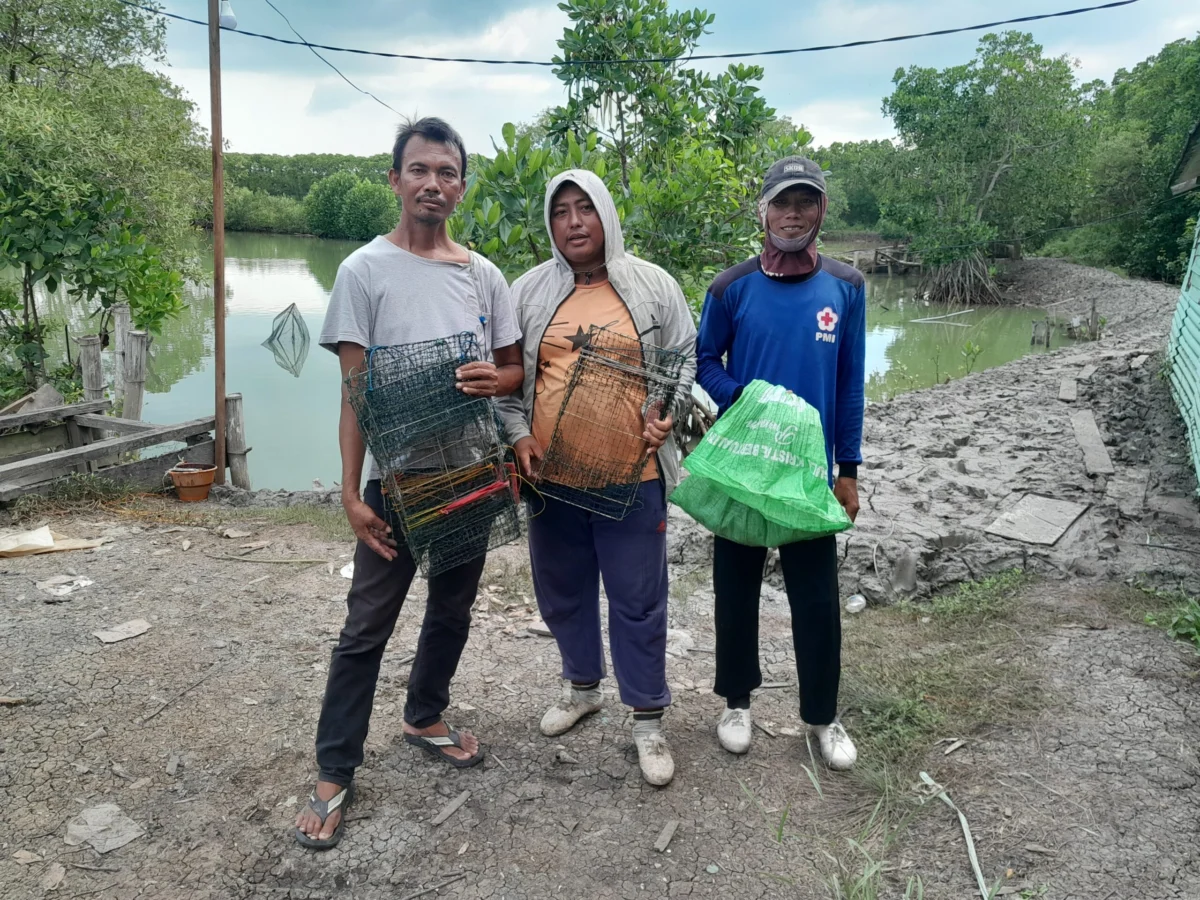
In the humid coastal stretches of Tengket Village, located within the Arosbaya District of Bangkalan, East Java, the rhythm of life is dictated by the ebb and flow of the Madura Strait. On a typical Sunday afternoon, local fishers like Rosidi and Wawan Setiawan can be found resting in modest wooden huts perched between dense mangrove thickets and man-made fishponds. They are catching their breath after hours of deploying "pentor"—traditional rectangular traps crafted from netting and wire, measuring approximately 40 by 8 by 6 centimeters. This scene is more than just a snapshot of rural labor; it is the frontline of a complex socio-economic ecosystem where environmental health directly translates into the survival of coastal communities.
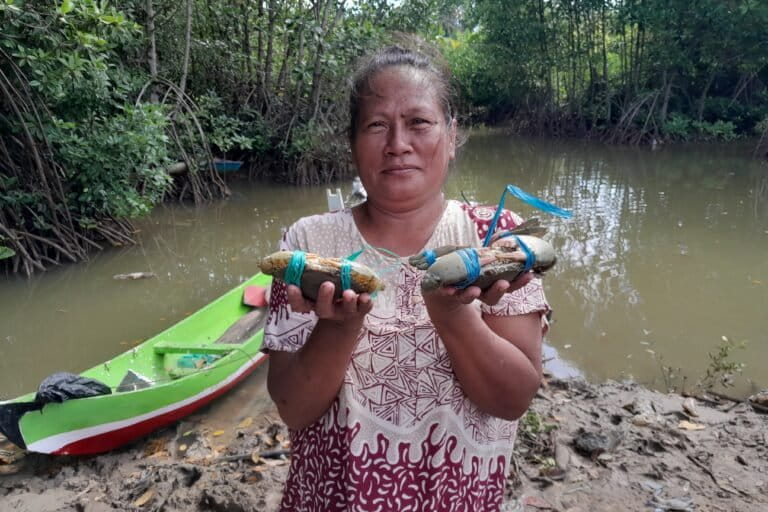
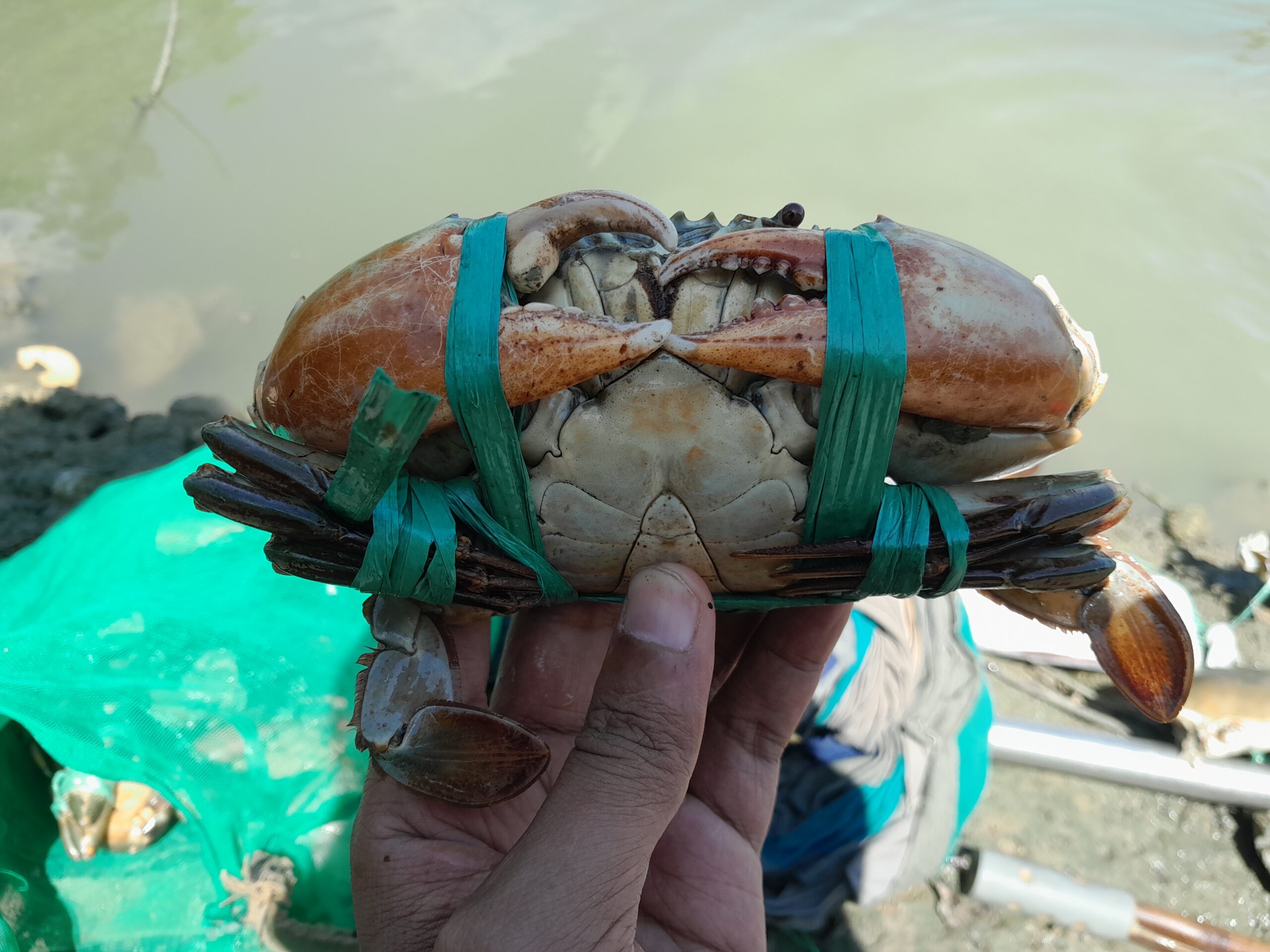
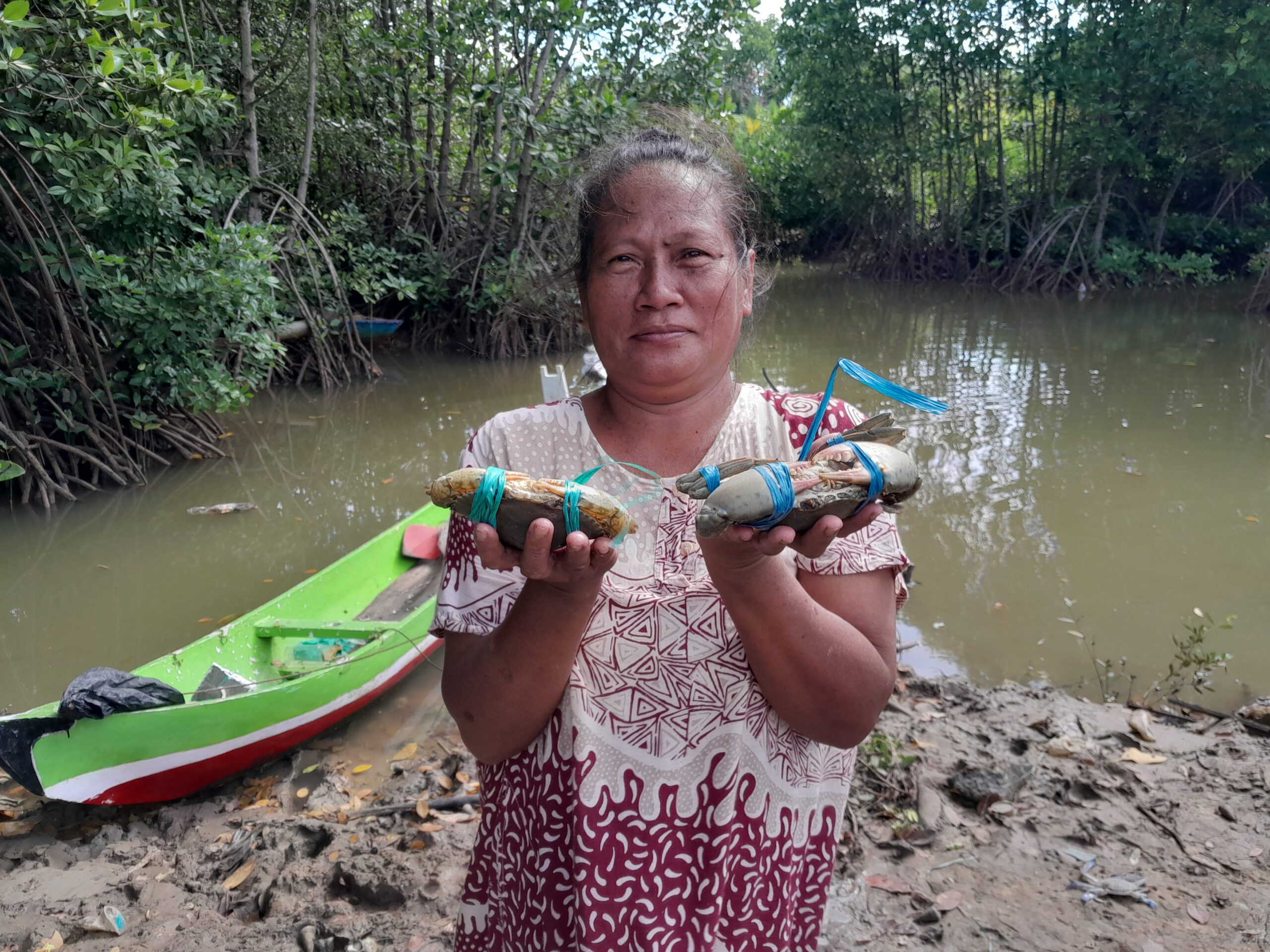
Rosidi, originally from the Omben District in Sampang, is a testament to the internal migration patterns driven by the search for "re sarean"—a Madurese term for seeking a livelihood. For over a decade, he and his wife have called Bangkalan home, renting a small house to be closer to the lucrative, albeit unpredictable, mangrove crab (Scylla serrata) populations. His daily existence is a gamble against nature. On a productive day, he might harvest five kilograms of crab. On other days, such as this particular Sunday in May 2026, the yield is more modest; by midday, he had secured only 15 crabs, weighing roughly 1.5 kilograms, each carefully bound with raffia string to prevent injury to the handler or the catch.
The Art and Technique of the Crab Harvest
The methodology of crab fishing in Bangkalan is a blend of patience and specialized traditional knowledge. Rosidi operates 50 pentors, while his colleague Wawan manages 35. However, these traps are only one part of their arsenal. The choice of tool depends entirely on the lunar cycle and the resulting tides. When the tide recedes, exposing the labyrinthine roots of the Rhizophora and Avicennia trees, the fishers switch to a method known locally as "lu gellu."
This technique involves the use of a long iron rod, roughly six millimeters in diameter, with a hooked tip. The fishers must navigate the treacherous, knee-deep mud, searching for the tell-tale signs of a crab burrow. Once a potential lair is identified, the iron rod is inserted to coax or force the crab out of its subterranean hiding spot. This is physically demanding work that requires specialized gear: water shoes to protect against sharp shells and stones, long trousers and sleeves to ward off insects and sun, and a traditional head covering known as a "topong."
The mobility of these fishers is key to their success. They operate primarily between 7:00 AM and 2:00 PM, moving from one mangrove patch to another. As Wawan notes, they follow the greenery; where the forest is densest, the crabs are most abundant. This direct correlation between forest density and catch volume has turned these fishers into de facto guardians of the ecosystem, as they understand that the destruction of the mangroves would lead to the immediate evaporation of their income.
Economic Dynamics and Market Fluctuations
The economics of mangrove crabs in Bangkalan are highly volatile, influenced by size, gender, and biological condition. As of mid-2026, the price for small crabs hovers around Rp60,000 per kilogram. However, larger specimens can command up to Rp200,000. The "gold standard" for these fishers is the large, egg-bearing female crab, which can fetch prices as high as Rp500,000 per kilogram in the premium seafood markets.
The stories of individual catches often highlight these windfalls. Honip, a fisher from Lajing Village, recounted a recent success where a single 600-gram crab sold for Rp150,000. On another occasion, a gravid (egg-carrying) crab brought in Rp200,000. These figures are significant in a region where the minimum wage is modest, and they explain why approximately 30 to 40 people from a single village might head to the coast every morning at dawn.
The scale of this industry is reflected in official data from the Bangkalan Department of Agriculture, Fisheries, and Food Security. During the first quarter of 2026, the district’s crab production reached 147.6 tons, with an estimated market value of Rp14.76 billion. When combined with the production of blue swimming crabs (Portunus pelagicus), which reached 973.7 tons valued at Rp87.63 billion, it becomes clear that the crustacean trade is a primary engine of the local economy.
Gender and Community Participation in the Coastal Economy
A distinctive feature of the Bangkalan crab fishery is the active participation of women. In Tengket, the hunt for coastal resources is not a male-dominated preserve. Women like Bunima, a mother of three who has been going to sea since her teenage years, are integral to the workforce. These women often depart in groups after the dawn prayer, returning by mid-morning with a variety of catches including crabs, clams, and shrimp.
The techniques used by the women are equally specialized. When the mud is particularly thick and soft, they use "papak ski"—long wooden boards used as sleds to glide over the surface of the mud, preventing them from sinking while allowing them to cover large areas of the intertidal zone. Bunima’s expertise allows her to detect crabs hidden beneath the silt by identifying tiny air bubbles or specific track patterns. On a good day, she can earn between Rp100,000 and Rp250,000, selling her catch to collectors in the Pejagan sub-district.
Conservation Efforts: The Mangrove Shield
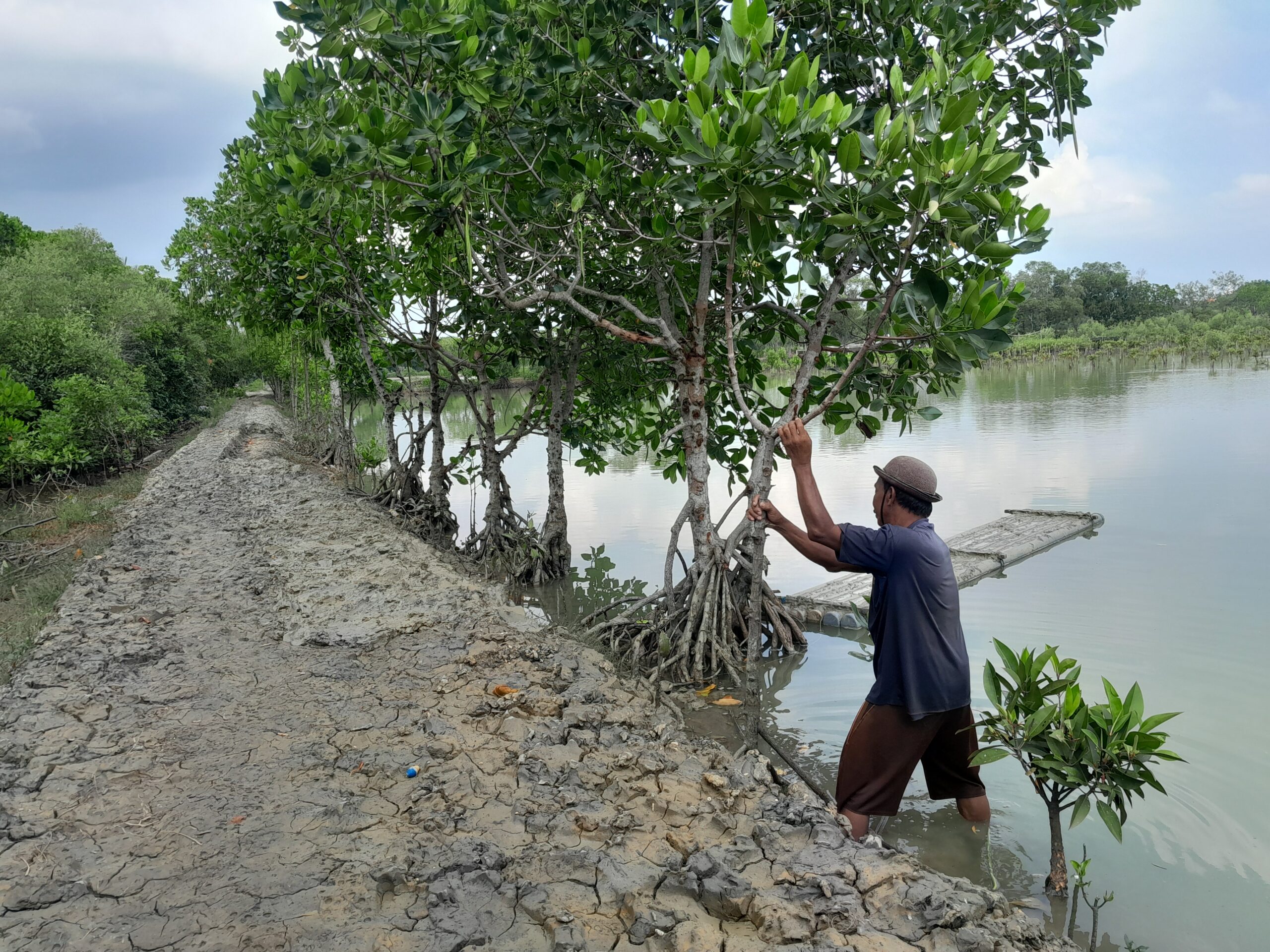
The sustainability of these livelihoods is inextricably linked to the health of the 10.3 hectares of mangrove forest in Arosbaya. Recognizing this, local community leaders like Bilal Kurniawan, Chairman of the Karya Makmur Jaya Forest Farmers Group (KTH), have spearheaded conservation initiatives. While the existing forest in Tengket is currently lush, Bilal’s group is focusing on expansion and education.
KTH Karya Makmur Jaya manages a nursery capable of producing between 50,000 and 100,000 mangrove seedlings annually. These seedlings serve a dual purpose: they are used for local reforestation projects and sold to other regions, providing an additional revenue stream for the group. More importantly, the facility serves as an educational hub, teaching the community and visitors about the vital role mangroves play in coastal protection and carbon sequestration. "We want to provide a small example that this environment can be managed sustainably," Bilal states, emphasizing the shift from exploitation to stewardship.
Government Policy and the "Red and White" Fishing Village
The Bangkalan Regency government has begun to formalize its support for these coastal communities through both social safety nets and infrastructure projects. Achmad Hidayat Kurniawan, Head of the Fisheries Division at the local department, revealed that the government has integrated thousands of fishers into the BPJS Ketenagakerjaan (Social Security for Labor) program. In 2025, 3,454 fishers were covered, a number that grew to 3,906 in 2026. This insurance provides a crucial buffer against the inherent risks of maritime labor.
Furthermore, the government has proposed the establishment of "Kampung Nelayan Merah Putih" (KNMP) or Red and White Fishing Villages. Out of eight proposals submitted to the central government, two locations—Tengket Village in Arosbaya and Batah Timur Village in Kwanyar—have been deemed eligible. If finalized, these villages will receive up to Rp22 billion in funding to develop facilities such as boat repair workshops, specialized kiosks for fishers, and improved landing sites. These assets will be managed by village cooperatives, ensuring that the economic benefits remain within the community.
Critical Perspectives on Industrialization and Centralization
Despite the optimistic projections of government programs, civil society groups urge caution. Susan Herawati, Secretary-General of the People’s Coalition for Fisheries Justice (KIARA), has raised concerns regarding the trend of centralizing the management of coastal areas and small islands. She argues that when the central government in Jakarta takes over spatial planning, local nuances and the direct environmental impacts on communities are often overlooked.
According to Herawati, local governments must be more assertive in protecting their jurisdictions, as they are the ones who face the immediate consequences of environmental degradation. She warns that pushing fishers toward rapid industrialization without first securing their "fishing space" and ensuring the health of the sea is a recipe for failure. "It is useless to have grand facilities if the sea is ruined," she remarked, stressing that any development must be preceded by training in eco-friendly practices and the protection of the natural habitats that the fishers rely on.
Analysis of Implications and Future Outlook
The situation in Bangkalan serves as a microcosm of the broader challenges facing Indonesia’s coastal zones. The region is currently operating under the 2024-2044 Regional Spatial Plan (RTRW), which identifies 534 hectares of mangrove ecosystem across nine districts. The success of this plan depends on balancing the high market demand for seafood with the biological limits of the mangrove forest.
The transition toward the KNMP model represents a shift toward "blue economy" principles, where economic growth is decoupled from environmental destruction. However, the reliance on central government funding and the potential for top-down management styles remain significant hurdles. For fishers like Rosidi and Bunima, the priority remains the immediate health of the mud and the roots. Their "re sarean" is not found in policy documents, but in the shadows of the mangrove trees. As long as the forest remains rimbun (lush), the crabs will return, and the coastal economy of Bangkalan will continue to thrive. The challenge for the next decade will be ensuring that "development" does not inadvertently silence the very ecosystem that makes such a life possible.