
 Tata Titiana
The paradigm of financial investment and personal fulfillment has undergone a dramatic transformation over the past decade, led primarily by millennial and Generation Z demographics. Rather than adhering to conventional milestones such as immediate property acquisition or long-term monetary accumulation, contemporary youth increasingly view travel not merely as a periodic leisure activity, but as a foundational lifestyle choice. This modern philosophy posits that experiential investments yield a higher return on personal growth, emotional resilience, and lifelong memories than traditional material assets.
Background Context and the Evolution of Modern Tourism
Historically, societal expectations dictated a rigid financial trajectory: complete formal education, secure stable employment, purchase a home, acquire a vehicle, and allocate surplus funds toward traditional savings or retirement portfolios. However, the socio-economic landscape shifted significantly following the digital revolution and the rise of the gig economy. The proliferation of remote work opportunities, combined with the democratization of global travel through budget airlines and accessible digital booking platforms, dismantled traditional geographical and financial barriers.
Simultaneously, the widespread adoption of social media platforms amplified the visibility of diverse global landscapes, fostering a cultural curiosity among younger demographics. Natural wonders, remote cultural hubs, and off-the-beaten-path destinations transitioned from inaccessible luxuries to attainable exploration targets. Sociological studies on modern consumer behavior indicate a distinct generational shift from materialism to "experientialism." For the contemporary traveler, the acquisition of memories, cultural literacy, and interpersonal connections outweighs the utility of static physical possessions.
Economic Implications and the Shift in Consumer Priorities
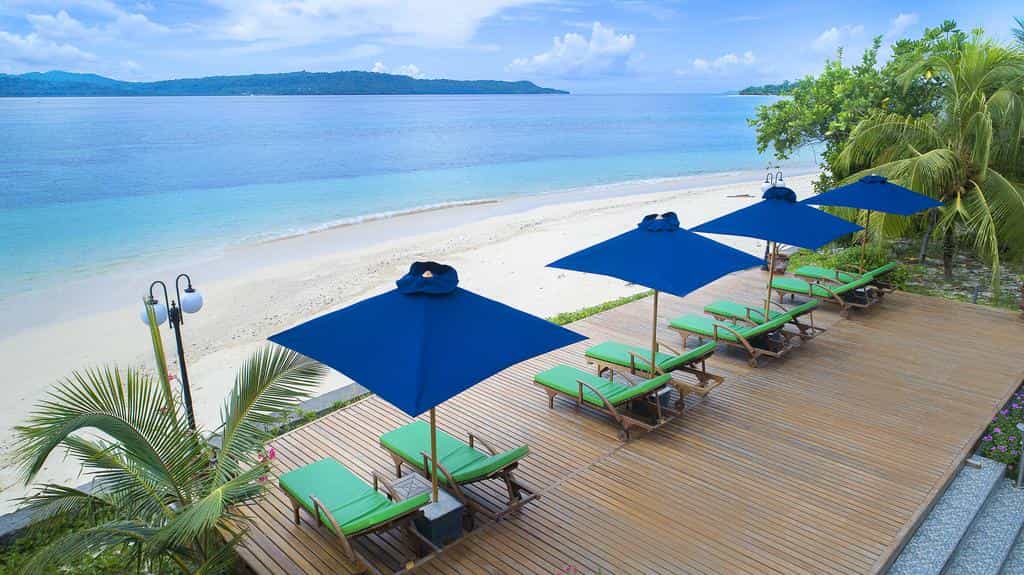
Financial analysts monitoring consumer spending habits have observed a notable redirection of disposable income among individuals aged 20 to 35. While older generations prioritized liquidity and tangible assets as primary markers of security, younger demographics often face inflated real estate markets that render traditional milestones like homeownership increasingly out of reach. Consequently, this economic reality catalyzed a psychological reframing: if long-term assets require prolonged financial sacrifice, capital is instead channeled into high-yield immediate experiences.
This shift has profound implications for the global service and tourism sectors. Travel is no longer categorized as an annual two-week holiday; it has evolved into a continuous lifestyle ethos often encapsulated by terms such as digital nomadism and lifestyle traveling. Industry data demonstrates a sustained rise in long-term backpacking, volumetric travel budgeting, and multi-destination itineraries that prioritize immersion over luxury.
Core Principles of Lifestyle Traveling
Transitioning from a traditional lifestyle to one centered around continuous travel requires a deliberate recalibration of mindset, risk assessment, and operational preparedness. Industry experts and seasoned travelers identify several foundational pillars essential for successfully adopting this transient lifestyle.
Cultivating Psychological Resilience and Courage
The primary obstacle preventing individuals from embracing lifestyle travel is the anxiety associated with leaving familiar safety nets. Traditional travel planning often emphasizes financial security, encouraging individuals to accumulate substantial savings before embarking on a journey. Conversely, lifestyle travelers argue that waiting for optimal financial conditions often results in perpetual postponement.

Adopting this lifestyle necessitates a willingness to embrace calculated uncertainty and rely on personal adaptability rather than robust financial cushions. Proponents emphasize that stepping outside established comfort zones fosters critical life skills, including crisis management, resourcefulness, and emotional independence. The external world, while unpredictable, frequently proves less formidable than anticipated once direct engagement is established.
Embracing Dynamic Flexibility Over Rigid Itineraries
A common pitfall for novice travelers is the inclination to construct hyper-detailed itineraries. While logistical preparation is necessary, rigidly adhering to a predetermined schedule often limits authentic engagement with a destination. Unforeseen opportunities—such as local festivals, community invitations, or alternative transit routes—frequently emerge spontaneously during a journey.
Experienced lifestyle travelers advocate for a fluid approach: establish broad directional goals while retaining the flexibility to adapt to local conditions. This philosophy prevents travel fatigue, reduces anxiety related to schedule disruptions, and allows for deeper cultural immersion. By relinquishing strict operational control, travelers open themselves to organic experiences that standard tourism packages rarely accommodate.
Mastering Cross-Cultural Adaptation
Sustained travel inherently demands a high degree of cross-cultural competence. Unlike short-term vacationers who frequent international resorts insulated from local realities, lifestyle travelers engage directly with regional populations, socio-economic frameworks, and linguistic differences.

Successful long-term travel relies heavily on observational intelligence and empathetic communication. Navigating diverse cultural norms requires humility, patience, and a willingness to learn local customs. These competencies not only ensure personal safety and smoother logistical transitions but also contribute to the traveler’s broader worldview, fostering global citizenship and intercultural understanding.
Broader Social Impact and Future Outlook
The mainstream adoption of lifestyle traveling extends beyond individual enrichment, influencing community structures and economic models across the globe. Destinations that previously relied solely on mass tourism are experiencing shifts toward community-based and sustainable tourism models, driven by travelers seeking authentic interactions rather than standardized resort experiences. Furthermore, the influx of transient professionals has stimulated local economies in secondary and tertiary cities worldwide, challenging traditional urban-centric economic centralization.
As remote work policies continue to solidify across corporate sectors, the demographic of lifestyle travelers is projected to expand further. The fundamental valuation of life experiences over static accumulation appears to be a permanent structural shift rather than a temporary generational trend. Ultimately, lifestyle traveling serves as a vehicle for profound self-discovery, equipping individuals with psychological adaptability and a broadened perspective that endures far beyond the conclusion of any single journey.








