Chalifah Fatihah
The perception of Generation Z as the most digitally native and socially active demographic is being challenged by a burgeoning trend: the "zero post." While traditionally characterized by their eagerness to share every facet of their lives online, a significant portion of Gen Z is now consciously opting to reduce or entirely cease posting personal content on social media platforms. This shift signifies a profound re-evaluation of digital presence, privacy, and the very purpose of social media for this influential cohort.
The Shifting Sands of Social Media Engagement
For years, Gen Z has been synonymous with constant online engagement, their lives seemingly played out in real-time through a continuous stream of updates, stories, and posts. This image, however, is becoming increasingly outdated. The "zero post" trend, a term that encapsulates the deliberate act of refraining from sharing personal content, indicates a growing desire for digital discretion and a retreat from the relentless performance often associated with online life.
A comprehensive study, as reported by The Financial Times, surveyed a staggering 250,000 users across 50 countries. The findings revealed a global decline of approximately 10% in social media usage, with young people exhibiting the most significant drop. Crucially, this reduction does not equate to a wholesale abandonment of these platforms. Instead, it points to a fundamental change in how Gen Z interacts with social media, moving from active content creation to more passive consumption and curated engagement.
This phenomenon is further illuminated by Kyle Chayka’s concept from The New Yorker, which describes a growing weariness among ordinary users—distinct from content creators—due to the overwhelming noise, pressure, and excessive exposure inherent in social media. The "zero post" movement is a direct manifestation of this fatigue, where the once spontaneous and authentic sharing of daily life is being replaced by increasingly curated, commercialized, and often artificial content that feels disconnected from reality.
Personal Narratives: The Driving Forces Behind "Zero Post"
The decision to adopt a "zero post" approach is not monolithic and is driven by a confluence of personal experiences and evolving societal pressures. For individuals like Dana, 23, the journey began with a realization of the immense effort involved in maintaining an idealized online persona.
"I used to share my daily life quite actively on social media, from photos of my meals to activities with friends," Dana shared with CNN Indonesia.com. "But that habit has slowly changed. I felt like every post had to be carefully considered. It had to be good, aesthetic, and portray my life as perfect. Eventually, it became exhausting."
Dana’s experience highlights the pressure to present a flawless image, transforming social media from a comfortable space for connection into a performance arena. This constant need for validation and the fear of judgment can lead to significant mental strain. The digital landscape, once envisioned as a tool for authentic self-expression, has in many instances become a source of anxiety and self-doubt.
Fia, 22, points to another significant factor: the long-term implications of one’s digital footprint. "Now, many companies check social media accounts," she explained. "So, honestly, I want to protect my self-image. I’m afraid of posting something that could be misinterpreted." This concern is particularly potent in a world where online reputations can directly impact career prospects, educational opportunities, and even personal relationships. The permanence of digital information means that a single ill-advised post can have lasting repercussions.
For Fia, consciously limiting her online activity has brought a sense of peace. "I don’t have to constantly worry about how others perceive me in the digital world," she stated. This desire for mental tranquility and a reduction in the burden of managing public perception is a core tenet of the "zero post" movement.
Salsa, also 22, echoes this sentiment, expressing fatigue with the unrealistic standards often perpetuated on social media. "Sometimes it’s tiring to see people whose lives look ‘perfect’," she admitted. "It makes me overthink. So, I ended up choosing not to be too active in posting, so I don’t get caught up in that atmosphere." The pervasive presence of curated perfection can foster feelings of inadequacy and social comparison, prompting a desire to disengage from these often unattainable benchmarks.
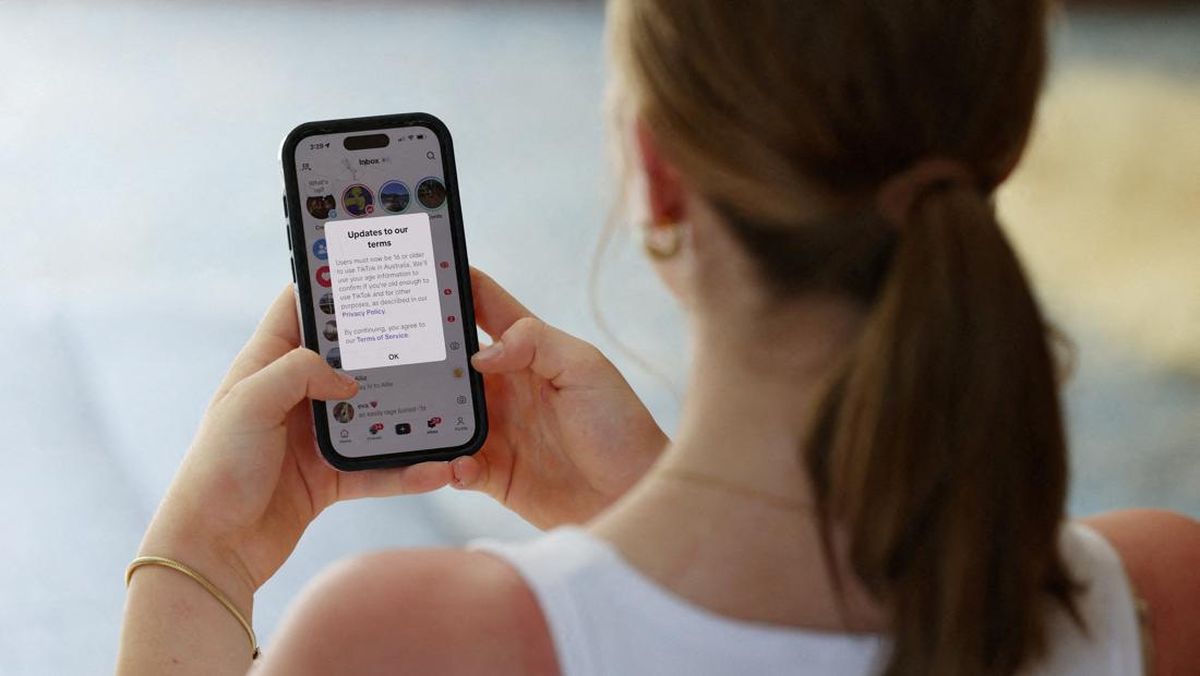
Salsa’s perspective suggests that becoming a passive observer, rather than an active poster, can lead to a lighter and more enjoyable social media experience. This shift prioritizes personal well-being over constant online validation.
Sela, 21, identifies emotional exhaustion as her primary motivator. "It feels like I have to always be updated, always be present," she said. "But I want to live a more relaxed life. So, now I’m more often a spectator than a poster." This feeling of perpetual obligation to be online and engaged can be draining, especially for a generation that has grown up immersed in digital connectivity. The "zero post" trend offers an escape from this perceived demand.
Re-evaluating Privacy and the Purpose of Social Media
The "zero post" phenomenon is not an indication that Gen Z is abandoning social media entirely. Rather, it signifies a deliberate redefinition of its role and a conscious effort to establish boundaries between personal life and the public digital sphere. This trend underscores a growing awareness of digital privacy and the potential risks associated with oversharing.
Historically, social media platforms were designed as spaces for spontaneous sharing of personal moments. However, the evolution of these platforms has seen them increasingly populated by promotional content, influencer marketing, and highly produced creative output. In this evolving landscape, the "ordinary user" can feel increasingly marginalized, their authentic voice drowned out by a cacophony of curated perfection and commercial messaging.
The "zero post" movement represents a reclaiming of agency for Gen Z. It is a strategy to navigate the complexities of the digital age by selectively engaging with platforms, prioritizing mental health, and safeguarding personal information. This shift signals a maturation in their digital literacy, moving beyond the initial allure of constant sharing to a more nuanced understanding of the long-term implications of their online presence.
Broader Implications and Future Trends
The rise of the "zero post" trend has several significant implications:
- Shift in Platform Dynamics: Social media companies may need to re-evaluate their engagement metrics and content algorithms. If a substantial portion of their user base is shifting towards passive consumption or reduced posting, the traditional models of engagement may become less effective. This could lead to innovations aimed at fostering more authentic connections or catering to a more discerning user base.
- Increased Value of Authenticity: As overt displays of personal life become less common, genuine and authentic content may gain even greater traction. This could empower niche creators and communities that prioritize sincerity over manufactured perfection.
- Focus on Digital Well-being: The trend amplifies the ongoing conversation around digital well-being and mental health. It suggests that younger generations are increasingly prioritizing their psychological state over virtual validation, potentially influencing future design and usage of digital technologies.
- Data Privacy Concerns: The heightened awareness of digital footprints and the desire to protect personal information may fuel demand for more robust privacy controls and decentralized social media alternatives. Users may become more discerning about the data they share and the platforms they trust.
- Evolution of Social Influence: The nature of social influence may also shift. Instead of relying on sheer volume of posts, influence might become more tied to perceived authenticity, expertise, and the quality of curated content.
Historical Context and Precedents
While the "zero post" is a contemporary phenomenon, the desire for privacy and control over personal narrative in the face of emerging technologies is not new. Throughout history, individuals and groups have sought ways to manage their public image and protect their private lives from unwanted scrutiny. The advent of photography, for instance, initially sparked debates about portraiture and the ethics of representation. Similarly, the early days of the internet saw evolving discussions about online anonymity and the permanence of digital communication.
The current trend can be seen as a natural progression in this ongoing dialogue, as a generation that grew up with unprecedented digital access now grapples with its consequences. The rapid evolution of social media from simple connection tools to complex ecosystems of influence, commerce, and information has necessitated a period of recalibration for its most avid users.
Expert Analysis and Inferred Reactions
While the article focuses on user experiences, industry analysts and social commentators have begun to weigh in on this evolving digital landscape. Dr. Anya Sharma, a sociologist specializing in digital culture, notes, "This ‘zero post’ movement is a fascinating indicator of digital maturity. Gen Z, having experienced the initial euphoria of constant connectivity, is now discerning the downsides. They are actively choosing to manage their digital selves, which is a sign of growing critical awareness."
From the perspective of social media platforms, this trend presents a complex challenge. While a decline in active posting could theoretically reduce user engagement, it also signifies a more committed, albeit passive, user base. Platforms might respond by developing features that encourage more meaningful interactions, enhance privacy controls, or create curated content environments that appeal to a less performative user. However, the economic models of many platforms rely heavily on user-generated content and the data it provides for advertising, making this a delicate balancing act.
The Future of Online Presence
The "zero post" trend is more than just a fleeting fad; it represents a fundamental shift in how a significant demographic perceives and utilizes social media. It highlights a growing demand for digital spaces that prioritize mental well-being, genuine connection, and personal privacy. As Gen Z continues to shape the digital future, their evolving relationship with social media will undoubtedly influence the development of new technologies and online behaviors, pushing towards a more mindful and intentional digital existence. The era of constant broadcasting may be giving way to an era of considered curation and deliberate silence, where the absence of a post speaks volumes about the value placed on one’s inner life.