Nila Kartika Wati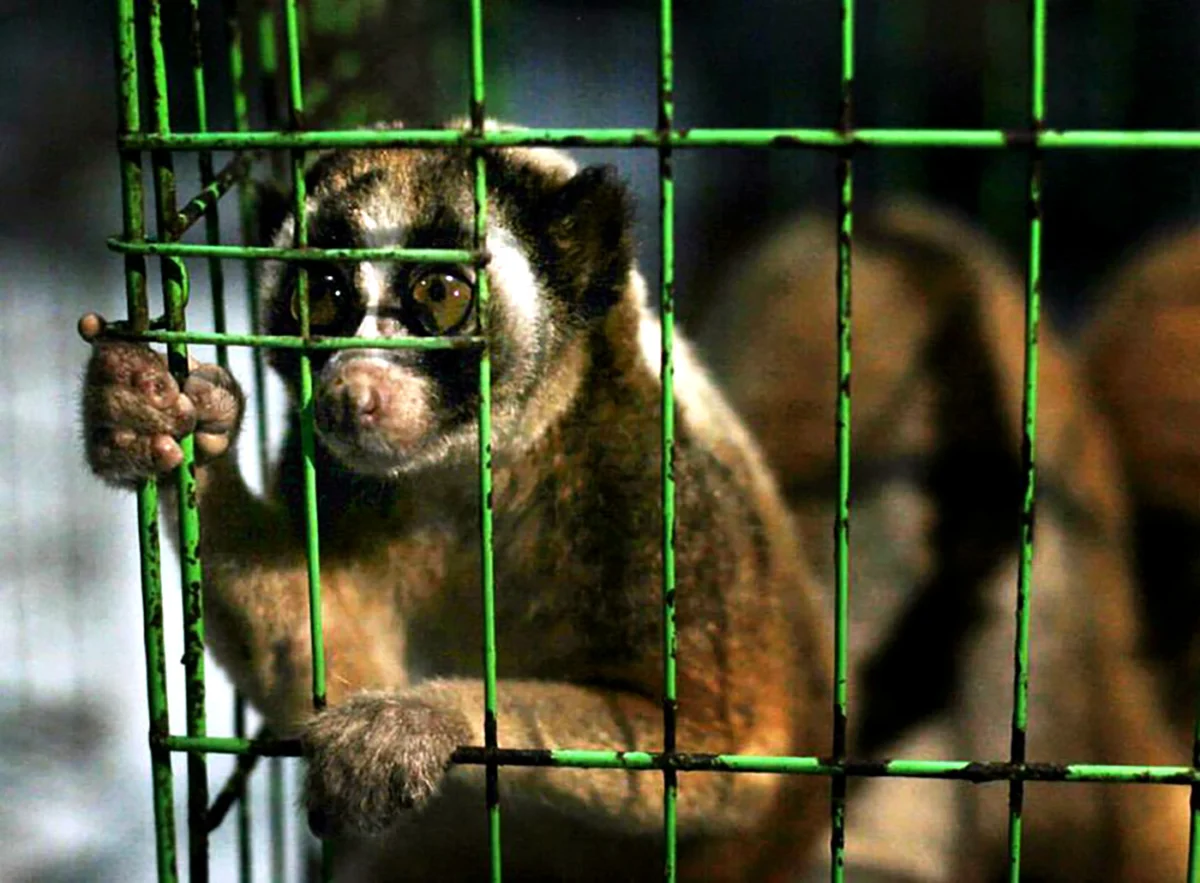
The illegal wildlife trade remains one of the most significant threats to Indonesia’s rich biodiversity, with the slow loris—a small, nocturnal primate known locally as the kukang—bearing the brunt of a relentless and brutal market. Recent data indicates that approximately 7,000 slow lorises are trafficked annually across the Indonesian archipelago, a figure that underscores the staggering scale of a crisis that operates largely in the shadows. In a single law enforcement operation, authorities once discovered 238 individuals crammed into inhumane conditions, highlighting the industrial scale at which these "prosimian" primates are being harvested from the wild.
The Yayasan Inisiasi Alam Rehabilitasi Indonesia (YIARI), a leading conservation organization that has been at the forefront of slow loris protection since 2008, reports that it has handled over 1,300 individuals in its rehabilitation centers. Of these, an estimated 40 percent were the direct result of law enforcement interventions against traffickers and illegal owners. However, the numbers rescued represent only a fraction of the total population lost to the trade. The mortality rate is exceptionally high; for those unfortunate enough to be sold as pets, the survival window is often less than six months. This high death rate is not merely a byproduct of neglect but is frequently the result of intentional biological mutilation.
The Biological Toll: Mutilation in the Name of "Cuteness"
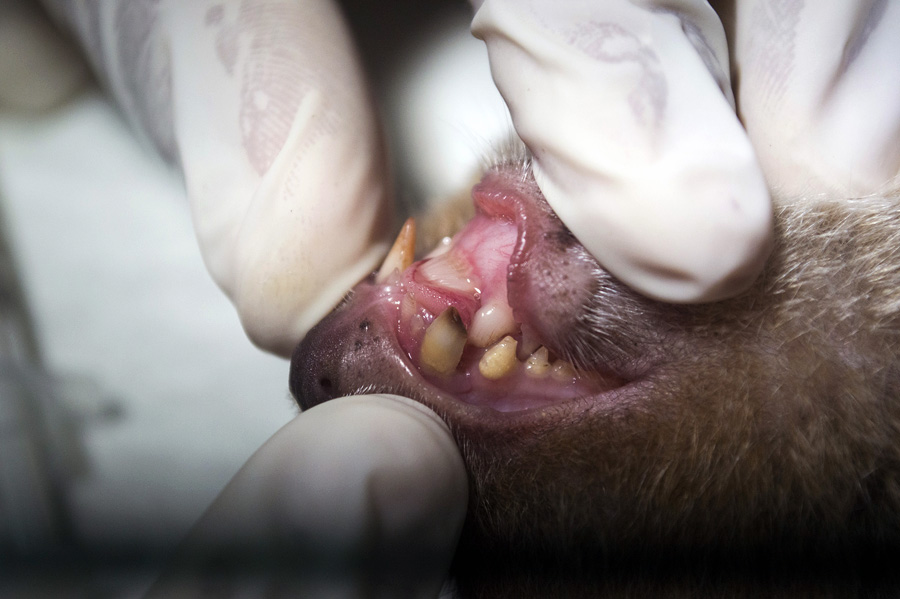
Nur Purba Priambada, a veterinarian with YIARI, has spent years witnessing the physical and psychological trauma inflicted upon these animals. Speaking at a forum in Jakarta on April 11, 2026, Priambada highlighted a grim reality: the slow loris is the world’s only venomous primate. They possess a brachial gland on their inner arm that produces a toxin, which, when licked and mixed with saliva, delivers a necrotic and agonizing bite. To make them "safe" for the pet trade, poachers and vendors often use wire cutters or pliers to clip or pull out the animal’s teeth, usually without any form of anesthesia.
This practice is essentially a death sentence. Without their teeth, slow lorises cannot perform their natural grooming behaviors, defend themselves, or consume their natural diet of tree sap and insects. The resulting infections are often fatal. "A slow loris without its teeth is a broken animal," Priambada explained. "They lose their ability to survive in the wild, and even in captivity, they succumb to systemic infections and malnutrition within months."
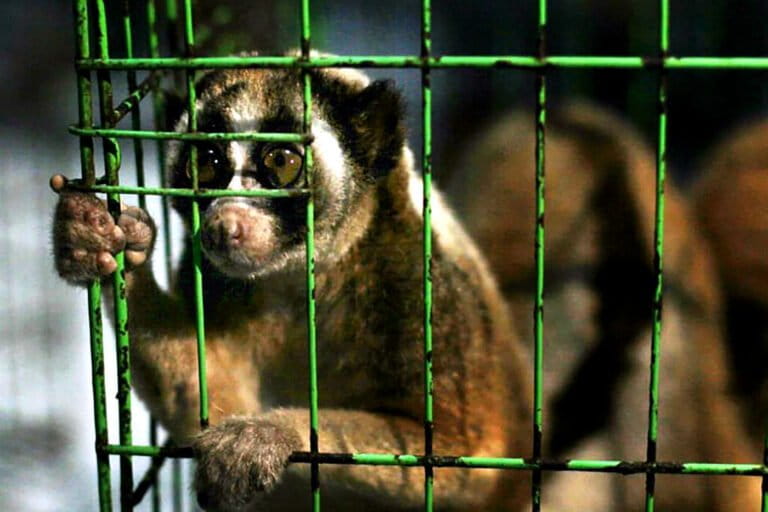
The trade’s cruelty is further amplified by the logistics of smuggling. These primates, which are highly sensitive to light and noise, are often packed into tiny wooden crates or plastic boxes measuring no more than 30 to 40 centimeters. Dozens of individuals are forced into a single container, leading to extreme stress, physical injuries from crushing, and suffocation.
Ecological Importance and the "Cuteness" Trap
The slow loris is often misunderstood by the public. Unlike monkeys or apes, they are prosimians—a more primitive group of primates. Indonesia is home to seven distinct species, most of which are currently listed as "Endangered" or "Critically Endangered" on the IUCN Red List. Their ecological role is indispensable; as nocturnal foragers, they feed on nectar, helping in the pollination of various forest trees. They also consume pests and help in forest regeneration through seed dispersal.
Despite their vital role in the ecosystem, the primary driver for their decline is the human perception of them as "cute" pets. This perception has been dangerously amplified by social media. Viral videos showing slow lorises "raising their arms" when tickled are often misinterpreted as a sign of enjoyment. In reality, this is a defensive posture where the animal attempts to access its venom gland to protect itself.
"The demand is driven by ignorance," Priambada noted. "People see a video, they see a big-eyed animal that looks cuddly, and they want to own one. They don’t realize they are participating in the extinction of a species and the torture of an individual animal." Because slow lorises do not breed easily in captivity, almost every individual found in a market or on a social media post is a wild-caught animal, stolen from the forests of Sumatra, Java, or Borneo.
The Evolution of Conservation Strategy
Since its inception, YIARI’s approach has evolved from simple rescue and rehabilitation to a more sophisticated "Three Pillar" strategy. In the early years, the organization focused primarily on saving individual animals and returning them to the wild. However, they soon realized that without addressing the root causes, they were merely treating the symptoms.
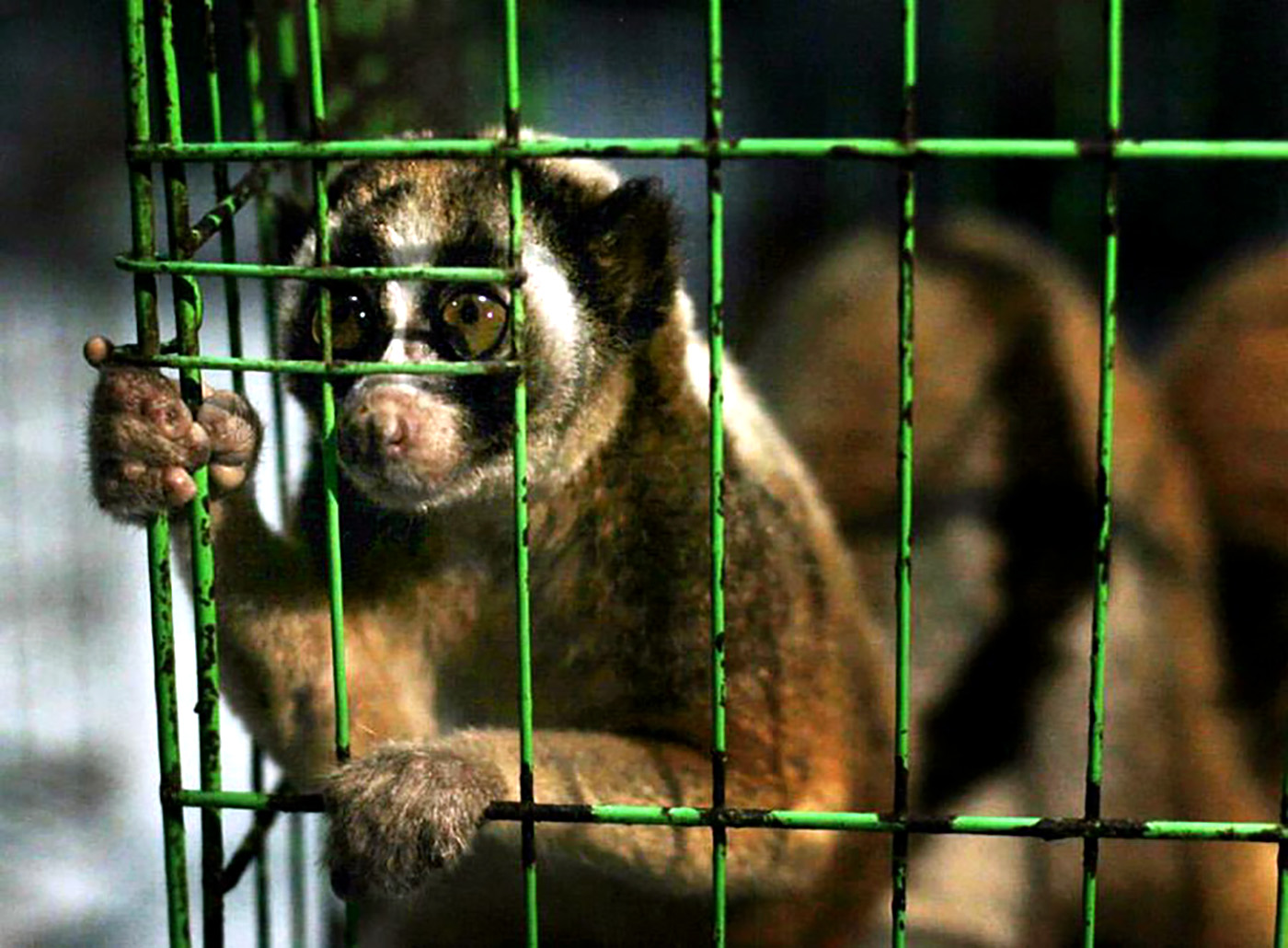
"We felt like we were just mopping the floor without fixing the leak," Priambada remarked. This realization led to the integration of law enforcement support and public education into their core mission. The results of this shift have been measurable. Increased synergy with the police and the Ministry of Environment and Forestry has led to a noticeable decline in the open sale of slow lorises in physical bird markets (pasar burung), which were historically the main hubs for wildlife trafficking.
Furthermore, the data shows a significant decrease in the number of rescued animals with clipped teeth. This suggests that law enforcement is intercepting traffickers earlier in the supply chain, before the animals reach the retail level where the mutilations typically occur. Public reporting has also surged; rather than buying the animals, more citizens are now contacting authorities or NGOs when they spot a slow loris in a residential area or being sold online.
The Financial Scale of Illegal Wildlife Trade
The battle for the slow loris is not just a moral or ecological one; it is a fight against a massive criminal economy. Rudianto Saragih Napitu, the Director of Forest Crime Prevention and Protection at the Ministry of Forestry, provided a sobering look at the economics of the trade. Citing a 2025 study by the Financial Transaction Reports and Analysis Center (PPATK), Napitu revealed that the illegal trade of flora and fauna in Indonesia results in potential state losses of up to IDR 13 trillion (approximately USD 800 million) annually.
"If you ask if we are satisfied with our current progress, the answer is no. Have we reached our maximum potential in enforcement? Frankly, not yet," Napitu admitted. He explained that while high-profile seizures make headlines, the underlying market remains active. The IDR 13 trillion figure represents a shadow economy that fuels corruption and undermines national security.
The complexity of the trade lies in its three-pronged structure: the supply at the source (the forest), the demand at the destination (the buyers), and the distribution networks that connect them. Napitu pointed out a major vulnerability in Indonesia’s conservation framework: a significant portion of slow loris habitats exists outside of officially protected national parks. Many live in community-owned orchards or "production forests" that are not under the direct supervision of the Natural Resources Conservation Agency (BKSDA). These "unmonitored zones" are the primary extraction points for poachers.
Digital Frontiers and Future Challenges
While physical markets are being squeezed by enforcement, the trade has rapidly migrated to digital platforms. Facebook groups, Instagram, and encrypted messaging apps like WhatsApp and Telegram have become the new "marketplaces" for illegal wildlife. This digital shift makes tracking transactions and identifying kingpins significantly more difficult for authorities.
"The platforms change, but the greed remains the same," Napitu said. To combat this, the government is shifting its legal strategy. The focus is moving away from just arresting the low-level "couriers" or "poachers" and toward holding the facilitators accountable. This includes a push to make market managers and digital platform providers more responsible for the illegal activities occurring under their watch.
Another looming challenge is the generational gap. As older conservation campaigns fade, a new generation of social media users is emerging who may not be aware of the legal or ethical implications of the wildlife trade. Continuous education is required to ensure that the progress made over the last decade is not undone by a new wave of "influencer-driven" demand.
A Call for Integrated Action
The survival of the slow loris in Indonesia depends on a sustained, multi-sectoral approach. The stabilized numbers of rescued animals entering YIARI centers over the last three years offer a glimmer of hope, suggesting that the "Three Pillar" approach is working. However, the pressure on their natural habitat remains high due to deforestation and land conversion.
The ecological consequences of losing the slow loris are profound. Without these nocturnal gardeners, the health of Indonesia’s tropical forests—already under threat—could further decline, affecting carbon sequestration and the survival of other species.
The fight to save the slow loris is a litmus test for Indonesia’s commitment to its "Mega-Biodiversity" status. As Rudianto Saragih Napitu concluded, the goal is not just to arrest criminals but to break the chain of demand. "We need a society where owning a slow loris is not seen as a status symbol or a hobby, but as a crime against nature. Only when the market dies will the species truly be safe."
For now, the slow loris remains a symbol of both the beauty of Indonesia’s wilderness and the brutality of its exploitation. The transition from being a commodity in a box to a protected guardian of the forest is a long journey, one that requires the vigilance of the law, the expertise of veterinarians, and the conscience of the public.