Nila Kartika Wati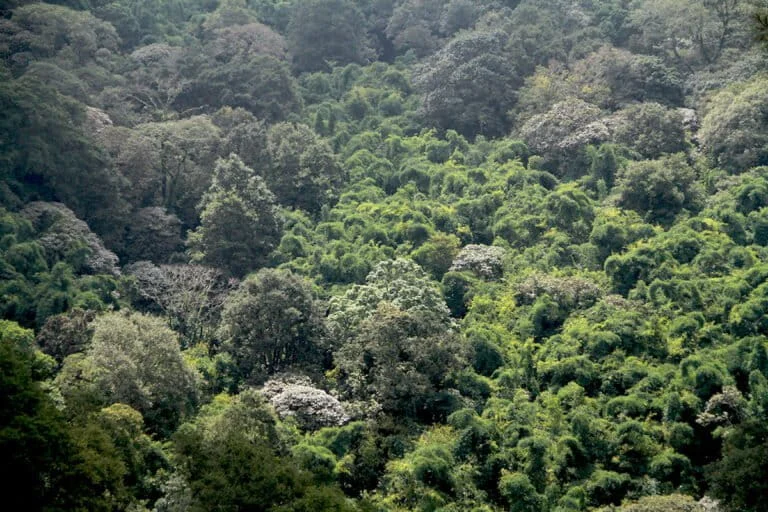
The Javan langur, scientifically known as Trachypithecus auratus, remains one of Indonesia’s most iconic yet embattled primate species. Despite being strictly protected under Indonesian law, a persistent and troubling question looms over conservationists: why are these primates still frequently found in domestic cages? This paradox represents a monumental challenge for wildlife protection agencies and rehabilitation centers. For the Javan Langur Center (JLC), managed by The Aspinall Foundation Indonesia, the influx of these primates into their care is an annual reality, painting a grim picture of a species caught between the encroaching digital marketplace and the dwindling safety of their natural habitats.
Since its inception, the JLC has handled approximately 192 individual Javan langurs, each with a unique and often tragic history. According to data provided by the center, nearly 60 percent of these endemic primates arrive following seizures conducted by the Natural Resources Conservation Agency (BKSDA), the Ministry of Environment and Forestry’s Law Enforcement (Gakkum) division, or the National Police. The remaining 40 percent are voluntarily surrendered by members of the public who, at some point, realized that keeping a wild primate is neither sustainable nor legal.
Iwan Kurniawan, the Manager of the Javan Langur Center at The Aspinall Foundation Indonesia, noted in late June 2026 that while the last two years have seen a slight uptick in voluntary surrenders compared to direct law enforcement seizures, the root cause remains the same: the illegal wildlife trade. Even when a citizen "voluntarily" hands over a langur, the animal almost always originated from an illegal purchase. The typical pattern involves a citizen purchasing a langur as a pet, only to face a dilemma when the BKSDA discovers the animal’s presence. Faced with the choice of criminal prosecution or voluntary surrender, most owners choose the latter, leading to the langur’s eventual placement at the JLC for a long and arduous rehabilitation process.
The Illusion of the "Cute" Pet and the Reality of Wild Instincts
The primary driver for the domestic demand for Javan langurs is a fundamental misunderstanding of primate biology. Many people are drawn to langurs when they are infants. At a young age, these primates—often called "budeng" in local dialects—appear docile, affectionate, and aesthetically pleasing with their distinct orange or velvet-black fur. However, as they reach sexual maturity, their natural wild instincts inevitably surface.
"No matter how cute they are when they are small, they will certainly become problematic as they grow larger," Iwan Kurniawan emphasized. As they age, langurs become stronger, more territorial, and potentially aggressive. They require complex social structures and a specific diet that domestic environments cannot provide. This transition often leads to owners neglecting or mistreating the animals, or eventually seeking a way to get rid of them.
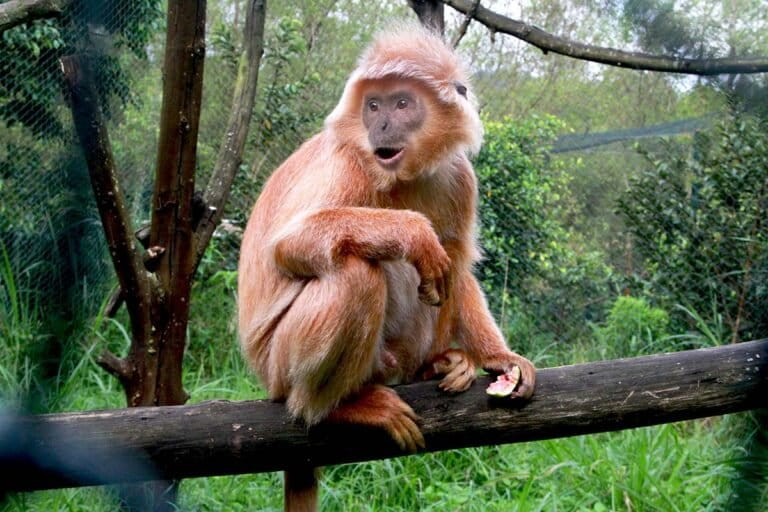
The impact of domesticity on the langur itself is devastating. Primates are highly social creatures that learn essential survival skills and social etiquette from their mothers and troop members. When an individual is raised in isolation by humans, it loses its "langur identity." These animals often lose the ability to forage, recognize predators, or interact with their own kind. The rehabilitation process at the JLC is designed to reverse this damage, but it is a multi-year effort that does not always guarantee a successful return to the wild.
The Digital Evolution of the Illegal Wildlife Trade
The landscape of wildlife trafficking has shifted dramatically with the advent of modern technology. Denny Setiawan, the Education Outreach Coordinator for the Nature Initiation Rehabilitation Indonesia Foundation (YIARI), explains that while the trade persists, it has become increasingly sophisticated and difficult to track. The days of open-air wildlife markets being the sole source of protected species are fading, replaced by the anonymity of the internet.
Digital platforms and social media have allowed traffickers to reach a global audience while hiding behind encrypted messages and burner accounts. This shift has made traditional surveillance less effective. In the past, law enforcement could monitor physical marketplaces; now, transactions occur in private groups, and deliveries are often made through standard courier services, disguised as legal goods.
Despite the digital shift, conventional methods have not entirely disappeared. Instead, poachers and middlemen have adapted their strategies. "Previously, if there was an order or demand, they would bring the langur out. Now, the strategy is more hidden," Setiawan explained. Langurs are often kept in "holding houses" in remote areas, only being moved once a buyer has been verified and payment has been made, minimizing the risk of a raid.
The Grim Reality of the Forest: A Mother’s Sacrifice
The human desire to own a "cute" baby langur has a direct and violent consequence in the wild. Denny Setiawan recounted a harrowing experience from 2023 when he and a colleague shadowed a group of hunters in the forest. The hunters utilized dogs and homemade firearms to track and kill wildlife.
In one specific instance, the hunters targeted a mother Javan langur carrying her infant. To capture the baby alive and unharmed—the most valuable "commodity" in the pet trade—the hunters simply shot the mother. "The mother was consumed, while the infant was taken away," Setiawan recalled. This is the standard operating procedure for the trade; for every baby langur seen in a cage or on a social media post, there is almost certainly a dead mother left behind in the forest. This practice not only removes an individual from the population but also destroys the reproductive potential of the troop and disrupts the social hierarchy of the wild group.
Statistical Trends and Law Enforcement Efforts
The data from the East Java BKSDA (BBKSDA) corroborates the severity of the situation. Between 2021 and 2026, the BBKSDA, in collaboration with the police and Gakkum, successfully rescued 65 Javan langurs. These individuals were recovered through a mix of intercepted illegal trades, public surrenders, and translocations from other regions.
Nofi Sugiyanto, the Head of the Technical Department at BBKSDA East Java, confirmed that the illegal trade of primates remains high and is evolving alongside technological trends. "Social media has become a primary tool for illegal trade," Sugiyanto stated in mid-June 2026. This digital accessibility has widened the market, attracting buyers who might not have previously sought out a wild pet but are enticed by images and videos shared online.
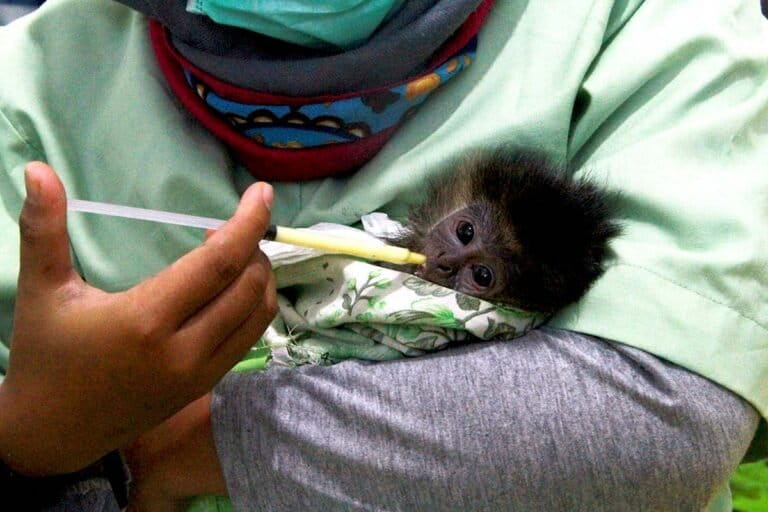
The biological cost of this trade is concentrated on the youngest members of the species. Most langurs found in the trade are between one and three months old. Removing individuals at this critical developmental stage causes long-term trauma and necessitates intensive veterinary and psychological care during rehabilitation.
Habitat Fragmentation: The Secondary Threat
While poaching and trade are immediate threats, the long-term survival of the Javan langur is equally threatened by the loss of its home. The forests of Java, including areas like Tahura R. Soeryo, are under constant pressure from human activity. The conversion of forest land into agricultural plots, plantations, and residential settlements has led to severe habitat fragmentation.
Fragmentation creates "islands" of forest, trapping troops of langurs in small patches of trees surrounded by human development. This isolation is dangerous for several reasons:
- Genetic Bottlenecking: Small, isolated populations cannot interbreed with other troops, leading to inbreeding and a decline in genetic health and resilience.
- Resource Scarcity: Limited forest patches may not provide enough food year-round, forcing langurs to raid crops and increasing human-wildlife conflict.
- Reproductive Stagnation: If a troop becomes too small or loses its dominant members to poaching, the reproductive cycle can fail entirely, leading to local extinctions.
The BBKSDA East Java maintains that law enforcement against traffickers must be paired with aggressive habitat protection. Without a safe, connected forest to return to, even the most successful rehabilitation programs will struggle to ensure the species’ future.
Conclusion and the Path Forward
The Javan langur is more than just a primate; it is a vital component of Java’s remaining forest ecosystems, acting as a seed disperser and a sentinel of forest health. The ongoing struggle to protect this species highlights the need for a multi-faceted approach to conservation.
First, public education must debunk the myth that primates can be pets. The "cute" factor of an infant langur is a death sentence for its mother and a life of trauma for the infant. Second, the legal system must adapt to the digital age, providing law enforcement with the tools and legislation necessary to track and prosecute cyber-traffickers. Finally, the protection of the remaining "green corridors" on the island of Java is essential to allow isolated populations to reunite and thrive.
The work of the Javan Langur Center and the BBKSDA provides a glimmer of hope, but as long as there is a market for these animals, the cycle of poaching and rehabilitation will continue. The survival of Trachypithecus auratus ultimately depends on a collective shift in human behavior—moving from a desire to possess nature to a commitment to protect it in its rightful place: the wild.