Azin Asro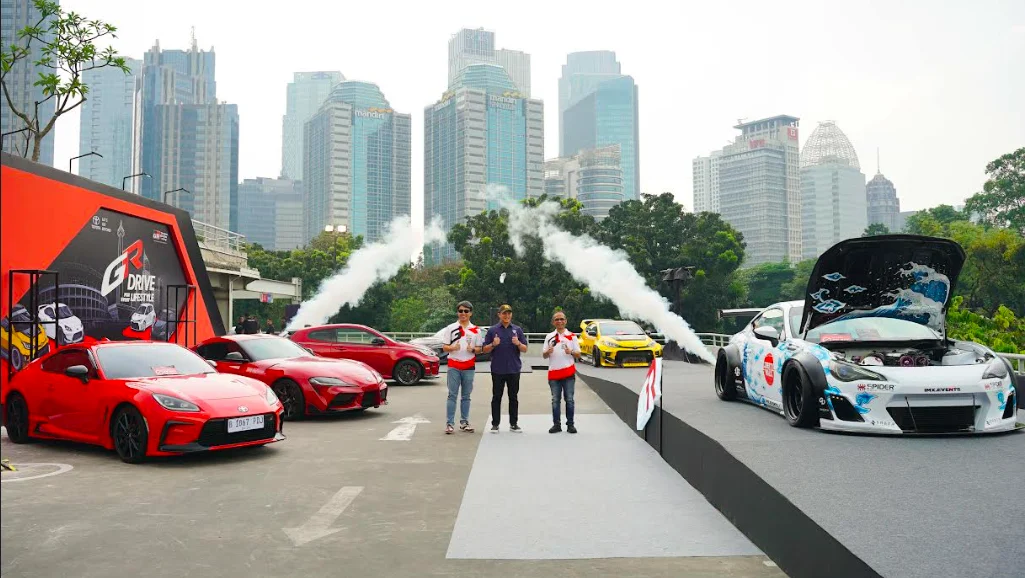
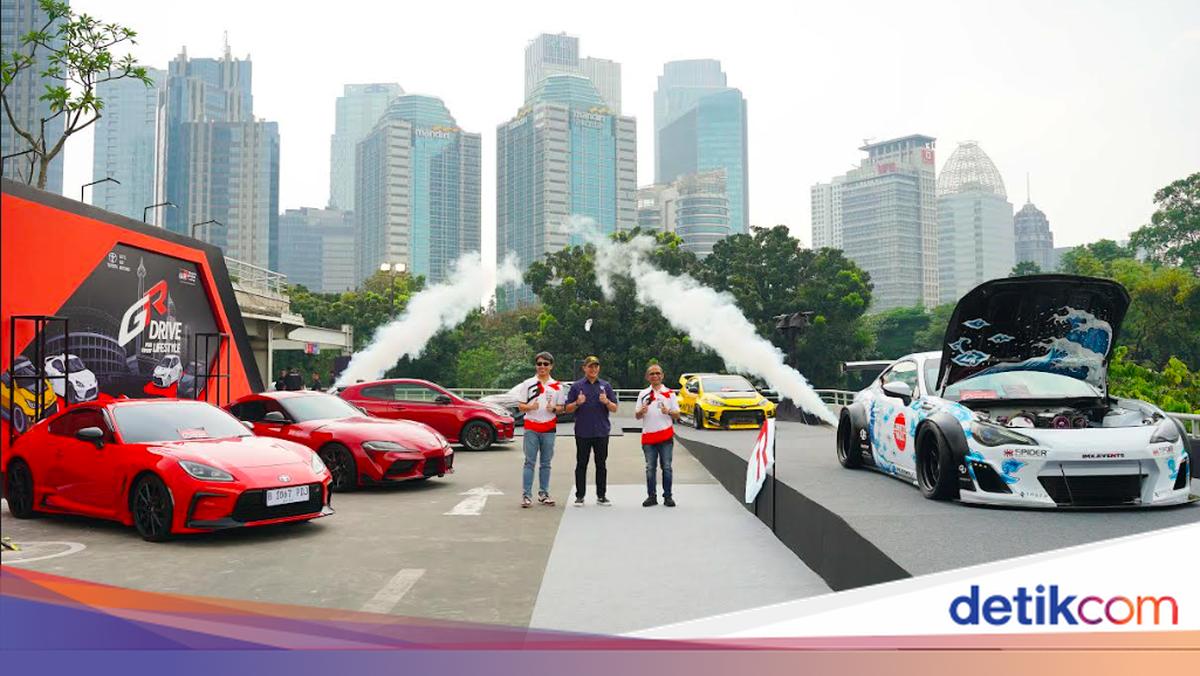
The Indonesian automotive modification landscape reached a new milestone on Saturday, May 16, as PT Toyota-Astra Motor (TAM) successfully convened the Toyota GR Car Meet 2026. Held at the historic Parkir Timur (Parkit) Senayan within the Gelora Bung Karno (GBK) sports complex in Jakarta, the event solidified its status as the largest Toyota-exclusive car gathering in the nation’s history. By bringing together over 400 meticulously curated show cars, the event served as a comprehensive showcase of the diverse subcultures existing within the Toyota ecosystem, ranging from high-performance racing machines to daily-driven lifestyle vehicles.
This massive undertaking by TAM was designed to bridge the gap between a traditional corporate automotive exhibition and a grassroots community gathering. The event attracted a wide demographic, including dedicated car enthusiasts, professional tuners, automotive curators, and the general public, all converging to witness the evolution of Toyota’s "ever-better cars" philosophy. The sheer variety of the display was a testament to the versatility of the Toyota platform, featuring everything from slammed "stance" builds and rugged off-road rigs to functional camper vans and rare Japan Domestic Market (JDM) icons that have shaped global car culture over the decades.
A Strategic Vision for Automotive Lifestyle and Culture
The Toyota GR Car Meet 2026 was not merely a display of aesthetic modifications; it was a strategic execution of the "GR Drive for Every Lifestyle" initiative. Hiroyuki Oide, Marketing Director of PT Toyota-Astra Motor, emphasized that the event provides a vital platform for sharing passion and excitement among Toyota owners. Oide, who is affectionately known by the community as Heru, explained that the GAZOO Racing (GR) brand is undergoing a transformation in the eyes of the Indonesian public. While its roots are firmly planted in the rigors of global motorsport, TAM is positioning GR as a cornerstone of modern lifestyle and creative expression.
Central to this vision is the philosophy of "No More Boring Cars," a mandate originally championed by Toyota Motor Corporation’s Akio Toyoda. This philosophy dictates that once a Toyota vehicle reaches a customer, it should serve as a canvas for self-expression. The 2026 meet highlighted how this philosophy has taken root in Indonesia, where owners treat their vehicles as extensions of their personalities, ensuring that every journey is infused with a sense of vitality and enjoyment.
The Significance of Parkir Timur Senayan as a Cultural Hub
The choice of Parkir Timur (Parkit) Senayan as the venue carried deep sentimental and historical weight for the Indonesian automotive community. During the 1990s, this specific location served as the epicenter of Jakarta’s burgeoning car culture, where enthusiasts would gather informally to showcase their builds and exchange ideas. By utilizing a four-story parking structure and the surrounding outdoor lots, TAM recreated the atmosphere of those foundational years while scaling it to modern standards.
Bansar Maduma, also a Marketing Director at PT Toyota-Astra Motor, noted that the journey of car culture in Indonesia began at these very coordinates. He remarked that the community-driven origins of the scene, which started with simple gatherings in the ’90s, provided the blueprint for what the industry has become today. Toyota has been an integral part of this 55-year journey in Indonesia, and the GR Car Meet 2026 was a tribute to that longevity. The event aimed to allow visitors to not just observe the cars but to feel the history and the momentum of a culture that continues to grow alongside the brand.
Comprehensive Participation and Community Synergy
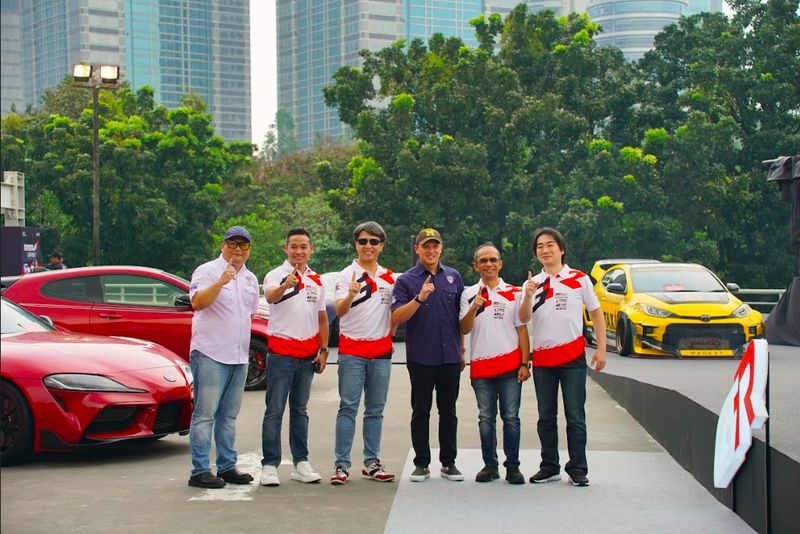
The scale of the event was bolstered by the active participation of 21 distinct car communities under the umbrella of the Toyota Owners Club (TOC). These clubs represent various models and eras of Toyota’s history, from classic Corollas to the latest GR performance models. In addition to the community clubs, the event featured 21 collaboration partners, including the factory-backed racing team, Toyota GAZOO Racing Indonesia (TGRI).
The presence of TGRI added a layer of professional motorsport prestige to the event. The team, which competes in various national and international racing series, showcased the technical prowess that trickles down from the track to the consumer-grade GR Sport and GR Parts offerings. This synergy between the manufacturer and the end-user is a key component of Toyota’s strategy to maintain its market leadership in the creative automotive sector.
The Four Pillars of the GR Lifestyle
To ensure the long-term sustainability of the GR brand in Indonesia, TAM has established four strategic pillars: Motorsport, Product, Community, and Communication. These pillars were all represented at the 2026 meet:
- Motorsport: Represented by the TGRI displays and racing-spec vehicles that demonstrate the durability and performance of Toyota engineering under extreme conditions.
- Product: Showcased through the latest GR line-up and the extensive range of GR Parts, allowing owners to upgrade their vehicles with factory-backed performance components.
- Community: Evidenced by the massive turnout of TOC members and the collaborative atmosphere of the car meet.
- Communication: Facilitated through interactive zones, digital engagement, and the "GR Drive for Every Lifestyle" narrative that connects with a broader audience beyond traditional gearheads.
By integrating these four elements, Toyota aims to democratize the "joy of driving," making the excitement of GAZOO Racing accessible to more than just professional drivers or wealthy collectors.
Immersive Experiences and the Creative Economy
Beyond the static car displays, the event featured a variety of lifestyle-oriented activities that catered to a diverse crowd. A "Community Trunk Sale" allowed enthusiasts to trade rare parts and collectibles, fostering a micro-economy within the event. Meanwhile, the GR Simulator zone provided a digital taste of high-speed racing, utilizing high-end simulation technology to replicate the feeling of driving a GR Supra or GR Yaris on world-class circuits.
The inclusion of food and beverage zones, live entertainment, and exclusive GR merchandise transformed the car meet into a full-scale festival. This approach reflects a broader trend in the automotive industry where brands must provide "experiences" rather than just products to retain customer loyalty. The economic impact of such events extends to the local modification industry, as the demand for high-quality parts, paintwork, and custom fabrication increases following the exposure generated by high-profile showcases like this one.
Analytical Implications for the Indonesian Automotive Market
The success of the Toyota GR Car Meet 2026 signals a shift in consumer behavior in Indonesia. There is a growing demand for vehicles that offer more than just utility; buyers are increasingly looking for emotional resonance and customization potential. By leaning into the "GR" branding, Toyota is effectively future-proofing its portfolio against the commoditization of the passenger car market.
Furthermore, the event highlights the maturity of the Indonesian modification industry. The curation of 400 cars involved high standards of craftsmanship, suggesting that local modifiers are operating at a level comparable to international standards seen in Japan or the United States. This maturity provides a fertile ground for global automotive brands to invest more heavily in local community engagement and specialized product development.
From a corporate perspective, the event reinforces Toyota’s dominant market share in Indonesia. By fostering a deep-seated "brand love" through community events, TAM creates a defensive moat against new entrants in the market. When a vehicle becomes a part of a user’s lifestyle and social circle, the likelihood of brand switching decreases significantly.
Chronology of an Evolving Legacy
The 2026 event is a culmination of a multi-year effort by TAM to revitalize its image among younger demographics. Starting with the introduction of the GR Supra in 2019 and followed by the limited-run GR Yaris, Toyota began shifting its perception from a reliable family brand to a performance-oriented powerhouse. The subsequent rollout of "GR Sport" variants across mainstream models like the Fortuner, Hilux, and Agya allowed the brand to scale the GAZOO Racing aesthetic across different price points.
The 2026 meet serves as the peak of this trajectory, demonstrating that the "GR" badge has successfully permeated various levels of Indonesian society. As the event concluded, the sentiment among participants was one of optimism. The integration of technology, history, and community at Parkir Timur Senayan has set a new benchmark for what an automotive brand can achieve when it aligns its corporate goals with the organic passion of its customers.
In summary, the Toyota GR Car Meet 2026 was more than a gathering of metal and rubber; it was a celebration of a 55-year relationship between a manufacturer and a nation. Through the lens of GAZOO Racing, Toyota has found a way to keep its heritage alive while driving forward into a future where the car remains a vital, fun, and expressive part of the human experience. As the industry continues to evolve toward electrification and new mobility solutions, events like these ensure that the core "joy of driving" remains at the heart of the automotive narrative in Indonesia.