Azin Asro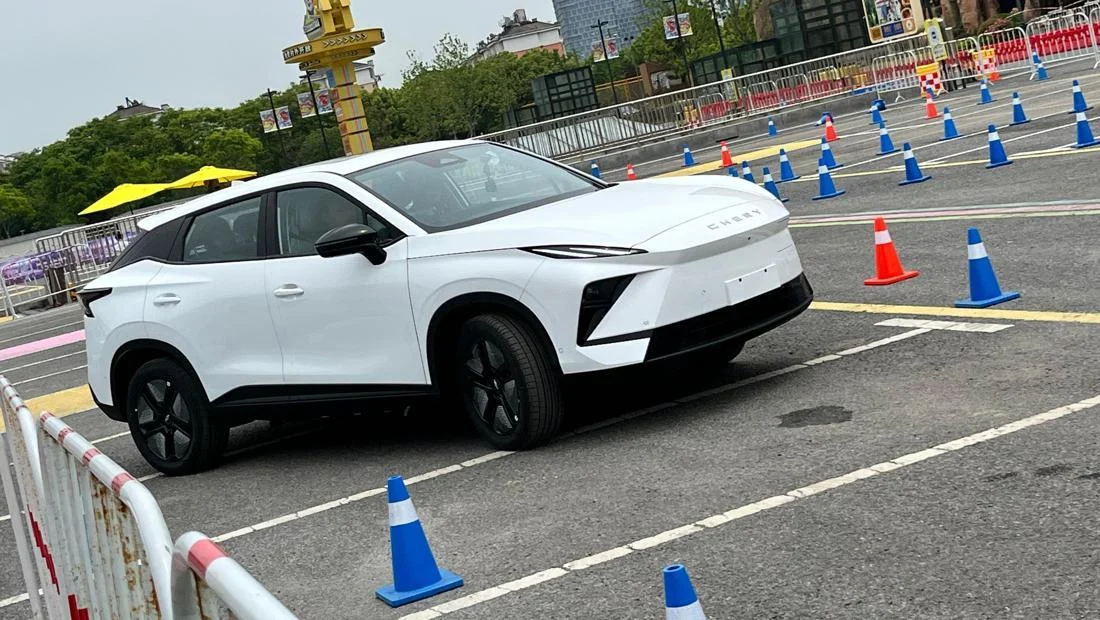
The Indonesian government is preparing to recalibrate its electric vehicle (EV) incentive structure to provide significantly higher subsidies for vehicles equipped with nickel-based batteries, a move designed to fortify the nation’s domestic nickel downstreaming industry. Finance Minister Purbaya recently announced that the forthcoming policy would create a clear distinction between EVs utilizing nickel-manganese-cobalt (NMC) batteries and those using lithium iron phosphate (LFP) alternatives. This strategic pivot aims to ensure that Indonesia’s vast nickel reserves—the largest in the world—remain central to the global and domestic EV supply chain, countering the rising global trend of LFP battery adoption.
As the government moves to finalize these regulations, major automotive players are closely monitoring the situation. Chery Group Indonesia, a prominent Chinese automaker that currently utilizes LFP technology for its flagship EV models in the Indonesian market, has expressed a cautious "wait-and-see" approach. During a press briefing in West Jakarta on Monday, May 18, 2026, Zeng Shuo, President Director of Chery Group Indonesia, emphasized that the company is currently analyzing the potential impact of the new regulations while awaiting official confirmation from the Ministry of Finance and the Ministry of Industry.
The Strategic Shift Toward Nickel-Based Incentives
The Indonesian government’s decision to favor nickel-based batteries is rooted in the national economic strategy of "hilirisasi," or downstreaming. Finance Minister Purbaya clarified that while incentives for the EV sector will continue, the magnitude of the benefit will be directly tied to the type of battery technology employed. Under the proposed scheme, EVs that utilize batteries derived from Indonesian nickel will receive a "much larger" subsidy compared to those using non-nickel batteries.
"The primary focus is for Battery Electric Vehicles (BEVs), not hybrids," Purbaya stated. "There will be a different scheme for nickel-based batteries and non-nickel batteries. The specifics of the implementation will be detailed by the Minister of Industry. The reason I am pushing for larger subsidies for nickel is simple: we must ensure our domestic nickel is utilized."
This policy is a direct response to the shifting landscape of the global battery market. In recent years, many Chinese manufacturers have shifted toward LFP batteries because they are cheaper to produce, do not require cobalt or nickel, and offer high thermal stability. However, for Indonesia, the rise of LFP represents a potential threat to its ambition of becoming a global battery hub centered on its nickel wealth. By skewing domestic incentives toward nickel-based chemistry, the government is effectively creating a captive market for its domestic processing plants.
Countering Global Skepticism and The Economist’s Critique
A significant driver behind this aggressive policy stance is the government’s desire to reclaim the narrative regarding Indonesia’s industrial future. Minister Purbaya specifically referenced international media coverage that questioned Indonesia’s ability to dominate the battery sector. He cited a previous article in The Economist titled "Indonesia’s Dream of Dominating the Battery World is Fading," which suggested that the global shift toward LFP batteries would leave Indonesia’s nickel-focused strategy obsolete.
"I read it in The Economist—the headline claimed our dream was gone because China was moving away from nickel," Purbaya remarked. "We are reversing that now. We will use our nickel, ensure our resources are consumed, and make certain that the downstreaming of battery technology actually moves forward on our soil."
The government believes that by providing a substantial price advantage to nickel-battery EVs, they can influence both consumer behavior and manufacturer procurement strategies. If the subsidy gap is wide enough, it may compel manufacturers who currently import LFP cells to either switch to NMC cells produced in Indonesia or invest in domestic nickel-based battery production facilities.
Chery Group Indonesia’s Strategic Response
For Chery Group Indonesia, the announcement presents a complex strategic challenge. The company has seen significant success with the OMODA E5, an electric SUV that has become one of the best-selling EVs in the country. However, like many of its Chinese counterparts, Chery has relied on LFP battery technology, which is prized for its longevity and safety profile.
Zeng Shuo, President Director of Chery Group Indonesia, noted that the company is currently operating in a period of regulatory ambiguity. "There is no fixed rule yet. We are still following up and looking closely at the developments. Our team is still conducting a thorough analysis," Shuo explained. He added that Chery is waiting for official figures and legal certainty before committing to any change in battery specifications for their Indonesian lineup.
Despite the potential shift in incentive structures, Chery remains committed to its investment in Indonesia. The company currently utilizes a completely knocked down (CKD) assembly process in the country, showcasing a long-term commitment to local manufacturing. Whether this commitment will eventually include a transition to nickel-based batteries depends largely on the "official and clear information" expected from the government in the coming months.
Technical Context: NMC vs. LFP Batteries
To understand the implications of this policy, it is essential to distinguish between the two primary battery chemistries at the heart of the debate.
- Nickel Manganese Cobalt (NMC): These batteries are known for their high energy density, which translates to longer driving ranges for the same battery weight. They are the preferred choice for high-performance and long-range EVs. Indonesia’s strategy is built entirely around NMC because it utilizes the country’s massive nickel and cobalt reserves.
- Lithium Iron Phosphate (LFP): These batteries use iron and phosphate as the cathode material. While they have lower energy density than NMC, they are significantly cheaper, more durable, and less prone to overheating. They do not require nickel, which is why their popularity poses a strategic risk to the Indonesian nickel industry.
By incentivizing NMC over LFP, the Indonesian government is prioritizing industrial downstreaming over the simple goal of rapid EV adoption. While LFP might make EVs cheaper and more accessible in the short term, the government views the utilization of domestic nickel as a more critical long-term economic objective.
The Chronology of Indonesia’s Nickel Ambitions
The current policy direction is the latest step in a decade-long journey to transform Indonesia from a raw material exporter into an industrial powerhouse.
- 2014: Indonesia first introduced a ban on the export of raw mineral ores, though it was later relaxed.
- January 2020: The government implemented a permanent ban on the export of nickel ore, forcing foreign companies to build smelters within Indonesia if they wanted access to the resource.
- 2021-2023: Massive investments flowed into the Morowali and Weda Bay industrial parks, primarily from Chinese stainless steel and battery material companies.
- 2024: The first large-scale EV battery cell plant in Southeast Asia, a joint venture between Hyundai Motor Group and LG Energy Solution, began operations in Karawang, West Java, focusing on nickel-based cells.
- May 2026: Finance Minister Purbaya announces the tiered incentive plan to specifically protect and promote the nickel-based ecosystem against LFP competition.
Implications for the Automotive Industry
The proposed policy is likely to create winners and losers within the Indonesian automotive landscape. Companies like Hyundai, which have already aligned their regional strategy with Indonesia’s nickel-based ecosystem, stand to benefit immensely. Their vehicles could become significantly more price-competitive due to the higher subsidies.
On the other hand, manufacturers like Chery, BYD, and Wuling, who have traditionally leaned on LFP technology to keep prices low, may face a difficult choice. They must either absorb the cost difference, pass it on to consumers, or re-engineer their vehicles to accommodate nickel-based batteries produced locally.
Industry analysts suggest that this move could accelerate the development of a localized supply chain. If the "nickel subsidy" is high enough, it creates a powerful financial incentive for battery manufacturers like CATL and LG Energy Solution to accelerate their planned investments in Indonesian nickel-to-battery projects.
Economic and Environmental Analysis
From an economic perspective, the government’s gamble is that the high value-added nature of the nickel industry will outweigh the potential slowdown in EV adoption that might occur if LFP-based cars become relatively more expensive. The nickel industry provides high-paying jobs, infrastructure development, and significant tax revenue.
However, there are environmental and social considerations. Nickel mining and smelting are energy-intensive processes that have faced criticism for their carbon footprint and impact on local ecosystems. The government has countered this by promising to implement "Green Industrial Parks" and stricter environmental standards to ensure that Indonesian nickel-based batteries meet global ESG (Environmental, Social, and Governance) criteria, particularly those required by the European and North American markets.
Conclusion: A High-Stakes Industrial Policy
Indonesia’s decision to link EV incentives to nickel content is a bold manifestation of economic nationalism. It is a clear signal that the country will not be content with being a mere consumer of green technology; it intends to be the primary provider of the materials that power it.
For Chery and other global automakers, the message from Jakarta is clear: to enjoy the full support of the Indonesian state, they must align their global supply chains with Indonesia’s domestic industrial priorities. As the Ministry of Industry prepares to release the technical details of the new incentive scheme, the global automotive world will be watching closely to see if Indonesia can successfully leverage its natural resources to dictate the future of the regional EV market. The outcome will determine whether Indonesia’s "nickel dream" becomes a reality or remains a contested vision in the face of evolving global technology.