Azin Asro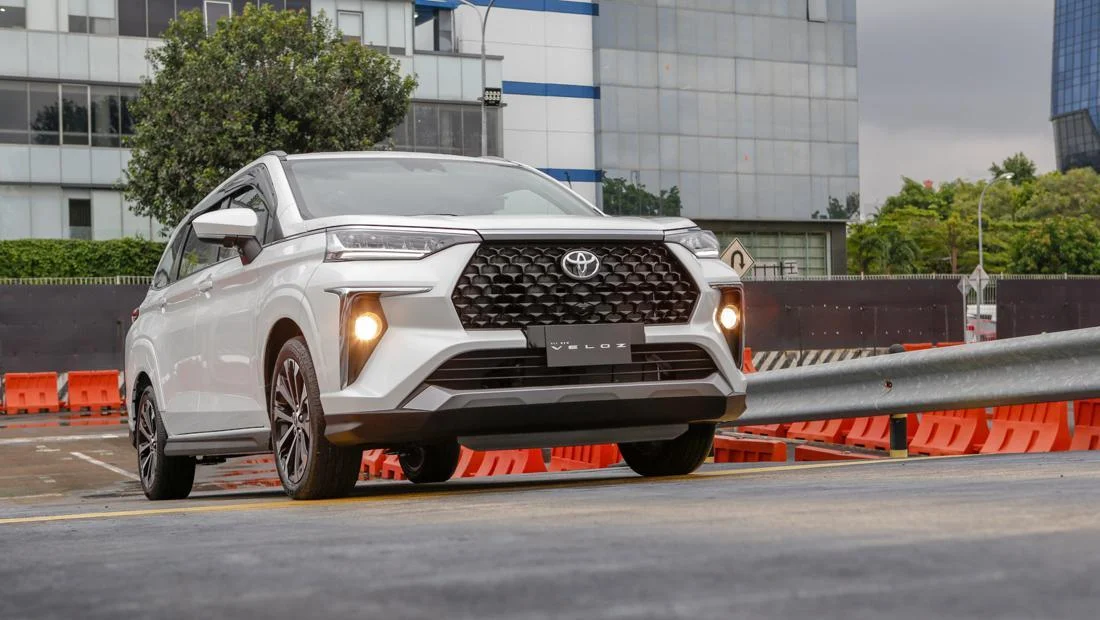
PT Toyota Motor Manufacturing Indonesia (TMMIN) has officially announced the end of production for the internal combustion engine (ICE) version of the Toyota Veloz for the domestic market, signaling a definitive transition toward a hybrid-only lineup for one of the nation’s most popular multi-purpose vehicles. This strategic move, characterized as a "full switching" process, underscores the company’s commitment to accelerating the adoption of electrified vehicles in Southeast Asia’s largest economy. Bob Azam, the Vice President Director of PT TMMIN, confirmed that the final distribution of the gasoline-powered Veloz occurred in February 2026, marking the end of an era for the traditional petrol variant of the model.
Speaking at a media gathering in Bendungan Hilir, Central Jakarta, on Tuesday evening, April 14, Bob Azam emphasized that this decision is not a temporary adjustment to market fluctuations but a permanent shift in Toyota’s manufacturing and sales strategy. The company is reallocating its resources and production capacity entirely to the Veloz Hybrid, which was first introduced to the Indonesian market in late 2025. According to Azam, the transition is rooted in the pursuit of operational efficiency and a broader corporate vision to prioritize environmentally friendly mobility solutions. By streamlining the production line to focus on hybrid technology, Toyota aims to optimize its supply chain while meeting the growing demand for vehicles with lower carbon footprints.
A Calculated Chronology of the Transition
The phase-out of the gasoline-powered Veloz was not an overnight occurrence but a calculated withdrawal that began shortly after the launch of the hybrid variant. The Toyota Veloz Hybrid made its official debut in Indonesia in November 2025, positioned as an accessible entry point for consumers looking to transition from traditional engines to electrified powertrains. At the time of its launch, the hybrid model was priced starting from approximately Rp 308 million (on-the-road Jakarta), a competitive figure designed to challenge the dominance of pure ICE vehicles in the Low Multi-Purpose Vehicle (LMPV) segment.
Data provided by the Association of Indonesian Automotive Industries (Gaikindo) illustrates a clear downward trajectory for the production and distribution of the non-hybrid Veloz throughout the early months of 2026. Production of the manual transmission (MT) gasoline variant had already ceased by March 2026. While the automatic transmission (AT) variant saw limited production runs through the end of the first quarter, the wholesale figures—representing the delivery of vehicles from the factory to dealerships—tell a story of a rapid wind-down. In January 2026, 49 units of the gasoline Veloz were distributed; this number plummeted to 14 units in February, and by March 2026, the wholesale count reached zero.
The finality of this decision is further reflected in Toyota Indonesia’s digital presence. As of mid-2026, the gasoline-only Veloz has been removed from the official company website. The digital showroom now exclusively features the Veloz Hybrid, effectively closing the door on new orders for the traditional petrol model. This digital "cleansing" is a standard industry practice when a model is discontinued, ensuring that consumer focus remains entirely on the current and future product roadmap.
Market Reception and Sales Performance
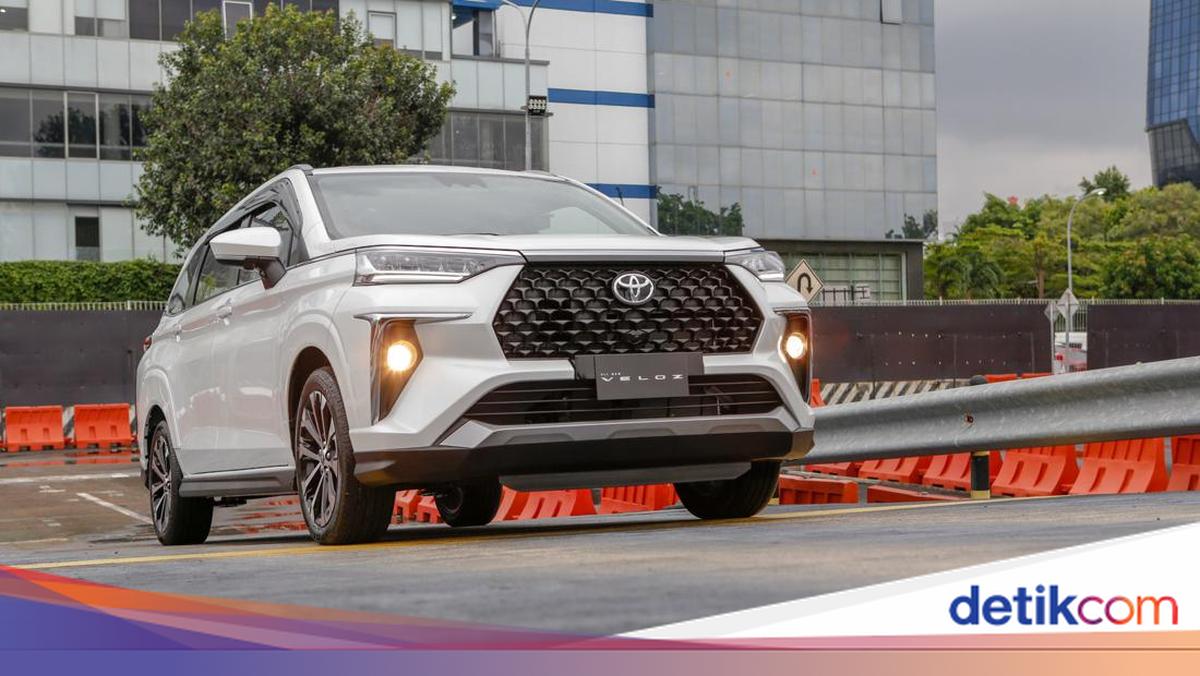
The market’s response to the Veloz Hybrid has been robust, justifying TMMIN’s decision to abandon the ICE platform. Within the first few months of 2026, wholesale sales of the Veloz Hybrid reached 2,809 units. This figure is particularly significant given the relatively short period the vehicle has been on the market. Among the various trims available, the "V" variant—the entry-level hybrid option—has emerged as the primary volume driver. This suggests that the Indonesian consumer is highly price-sensitive but willing to adopt hybrid technology if the price premium over traditional engines remains manageable.
The success of the Veloz Hybrid is also a reflection of changing consumer preferences in Indonesia. As fuel prices remain a point of concern for middle-class families and as the government continues to promote the benefits of electrification, the promise of improved fuel economy provided by Toyota’s hybrid system has become a powerful selling point. The Veloz, which has long been a staple for Indonesian families due to its seven-seater capacity and reliability, now offers the added benefit of reduced operational costs, which Bob Azam cited as a key factor in the "efficiency" of the switch.
Strategic Analysis: The Multi-Pathway Approach
Toyota’s decision to go "all-in" on the Veloz Hybrid in Indonesia is a localized execution of the global "Multi-Pathway" strategy championed by Toyota Motor Corporation. Unlike some competitors who have pivoted exclusively toward Battery Electric Vehicles (BEVs), Toyota maintains that a mix of hybrids (HEVs), plug-in hybrids (PHEVs), and BEVs is the most practical way to achieve carbon neutrality in diverse markets. In a country like Indonesia, where charging infrastructure for BEVs is still in its nascent stages outside of major urban centers, hybrid vehicles represent a "no-compromise" solution. They offer the emissions reductions of an electric motor without the range anxiety associated with a lack of charging stations.
Furthermore, the decision to produce the Veloz Hybrid locally at TMMIN’s facilities in West Java is a significant boost for the Indonesian automotive industry. Local production allows Toyota to benefit from government incentives related to local content requirements (TKDN). It also positions Indonesia as a potential export hub for hybrid vehicles in the ASEAN region. By consolidating production to a single, advanced powertrain, TMMIN can achieve better economies of scale, which is crucial for maintaining the Rp 300 million price bracket in a highly competitive segment.
Industry Implications and Competitive Landscape
The exit of the gasoline Veloz from the market creates a new dynamic in the LMPV segment, where Toyota’s primary rivals—such as the Mitsubishi Xpander, Suzuki Ertiga, and Hyundai Stargazer—continue to offer traditional internal combustion engines alongside mild-hybrid or limited electrified options. Suzuki, for instance, has found success with its Smart Hybrid technology in the Ertiga and XL7, but Toyota’s move with the Veloz represents a deeper commitment to a full-hybrid system that allows for electric-only driving at low speeds.
Industry analysts suggest that Toyota’s bold move may force competitors to accelerate their own electrification timelines. If the Veloz Hybrid continues to dominate the sales charts, other manufacturers may find it difficult to justify the continued production of high-volume gasoline engines for the Indonesian market. Moreover, the shift aligns perfectly with the Indonesian government’s target of reaching Net Zero Emissions by 2060. The government has provided various fiscal incentives for electrified vehicles, including lower luxury goods taxes (PPnBM) for hybrids compared to traditional ICE vehicles, which has helped narrow the price gap between the two technologies.
Broader Impact on Consumers and the Secondary Market
For the Indonesian consumer, the discontinuation of the gasoline Veloz means that the barrier to entry for a new Veloz has effectively risen to the hybrid price point. While this may alienate some budget-conscious buyers in the short term, the long-term benefits of fuel savings and higher resale value are expected to compensate. The secondary market for the gasoline Veloz is also expected to remain strong for several years, as many buyers still prefer the simplicity and familiarity of traditional engines, especially in rural areas where specialized hybrid maintenance may be less accessible.
However, Toyota has been proactive in addressing concerns regarding hybrid maintenance. The company has expanded its technician training programs across its vast dealer network (Auto2000 and others) to ensure that hybrid battery health checks and specialized repairs can be handled nationwide. The standard warranty for hybrid batteries—often extending up to eight years or 160,000 kilometers—is another tool Toyota is using to build consumer confidence in the new technology.
Conclusion and Future Outlook
The cessation of gasoline Veloz production marks a pivotal turning point for PT Toyota Motor Manufacturing Indonesia and the broader Indonesian automotive landscape. By choosing to "full switch" to hybrid, TMMIN is not just updating a model; it is redefining the expectations for the most popular vehicle segment in the country. This move demonstrates a high level of confidence in the maturity of hybrid technology and the readiness of the Indonesian consumer to embrace a greener future.
As 2026 progresses, all eyes will be on the sales performance of the Veloz Hybrid to see if it can fully absorb the market share previously held by its gasoline predecessor. If successful, this transition will likely serve as a blueprint for other Toyota models, such as the Avanza or the Rush, to eventually make the leap to hybrid-only production. For now, the message from Toyota is clear: the future of the Indonesian family car is electrified, efficient, and already here. The era of the pure gasoline Veloz has ended, but its legacy continues in a more sustainable form, paving the way for a new chapter in Indonesia’s journey toward modern, eco-friendly mobility.