Tata Titiana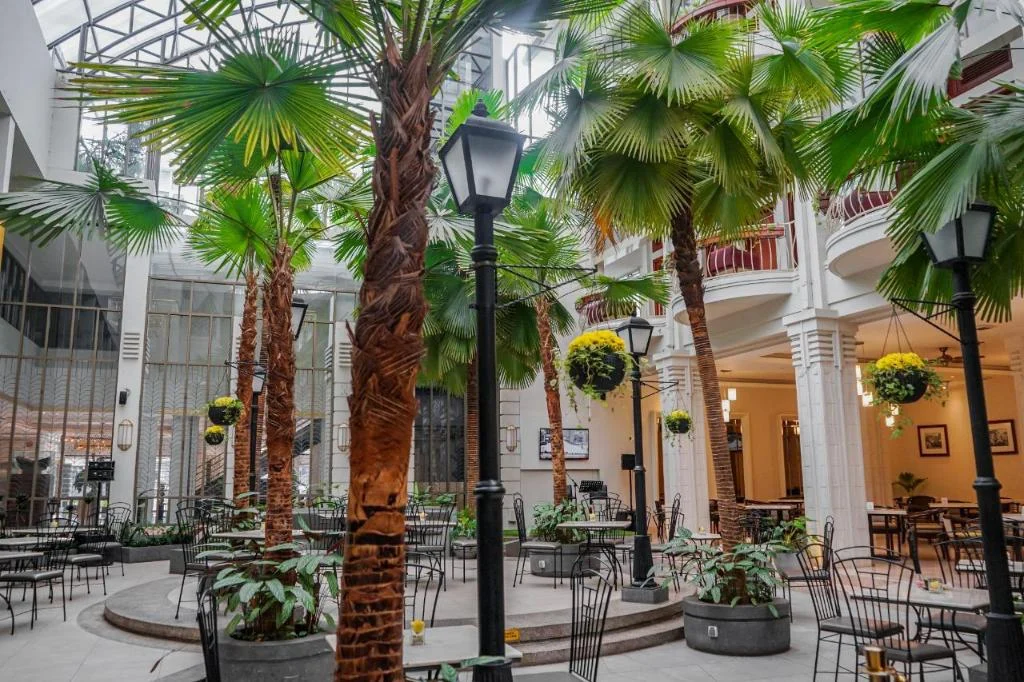
The modern tourism landscape of Indonesia is inextricably linked to the developmental shifts introduced during the colonial era of the Dutch East Indies. Following the grand opening of the Suez Canal in 1869, maritime transit between Europe and the Nusantara archipelago underwent a revolutionary transformation. Commercial vessels and passenger steamships began navigating in unprecedented numbers toward Southeast Asian ports, bringing traders, diplomats, and adventurous European travelers. By the late 19th century, cruise liners frequently docked along the coasts of Java and Bali, discharging curious Western tourists eager to explore tropical landscapes and ancient kingdoms. To accommodate these affluent visitors, the colonial administration, alongside private investors, commissioned the construction of grand, European-standard hotels across strategic locations. Surprisingly, despite decades of national struggle, independence, and rapid modernization, several of these architectural landmarks continue to operate today, serving as living museums and luxury accommodations that bridge Indonesia’s colonial past with its contemporary hospitality sector.
The Evolution of Hospitality Infrastructure in the Dutch East Indies
The inception of formal tourism in Indonesia is academically marked by the establishment of these pioneer lodgings. During the 19th and early 20th centuries, hospitality architecture in the region evolved from modest roadside inns known as landhuizen into opulent, palatial establishments designed to project European prestige in the tropics. The Sarkies Brothers, famed hoteliers of Armenian descent, along with visionary Dutch and local architects, introduced concepts of luxury that blended European neoclassical and Art Deco aesthetics with tropical architectural adaptations, such as high ceilings, wide verandas, and open-air ventilation systems. These properties quickly became social hubs for colonial elites, visiting dignitaries, and global artists. As Indonesia transitioned into an independent republic, these historic structures were nationalized or repurposed, eventually becoming foundational pillars of the nation’s burgeoning state-sponsored tourism industry under President Sukarno in the 1960s. Today, retaining their original grandeur while incorporating modern amenities, these five properties stand as testament to a complex historical continuum.
- Hotel Indonesia Kempinski, Jakarta: The Crown Jewel of Post-Colonial Luxury
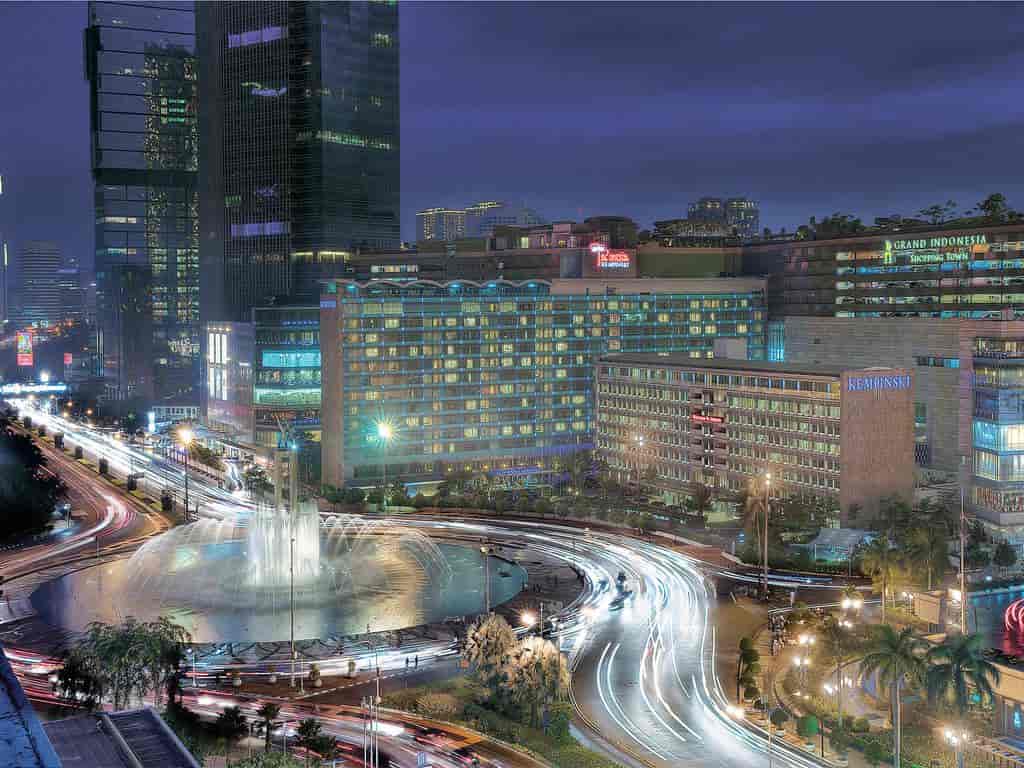
Standing majestically in the heart of the capital, the Hotel Indonesia Kempinski holds the historic distinction of being the nation’s first five-star international luxury hotel. The genesis of this monumental project is deeply rooted in the post-independence geopolitical ambitions of Indonesia’s first president, Sukarno. Funded partially through Japanese war reparations, the hotel was conceptualized not merely as a commercial enterprise, but as a grand national statement of modernity and hospitality, officially inaugurated in 1962 to house international athletes and delegates participating in the Fourth Asian Games (Asian Games IV).
Over the decades, the property has hosted countless world leaders, royalty, and international celebrities. A notable modern milestone occurred in March 2020, when King Willem-Alexander and Queen Máxima of the Netherlands chose the historic hotel as their residence during an official state visit to Indonesia, staying in its most exclusive suite equipped with state-of-the-art security features, including bulletproof glass. Managed today by the prestigious Kempinski group, the hotel seamlessly blends its storied mid-century heritage with contemporary ultra-luxury. Nightly rates on booking platforms such as Agoda generally start around IDR 2.98 million, positioning it as a premier destination for travelers seeking both historical significance and uncompromising modern comfort.
- Hotel Majapahit, Surabaya: The Crucible of Nationalism and Architectural Splendor
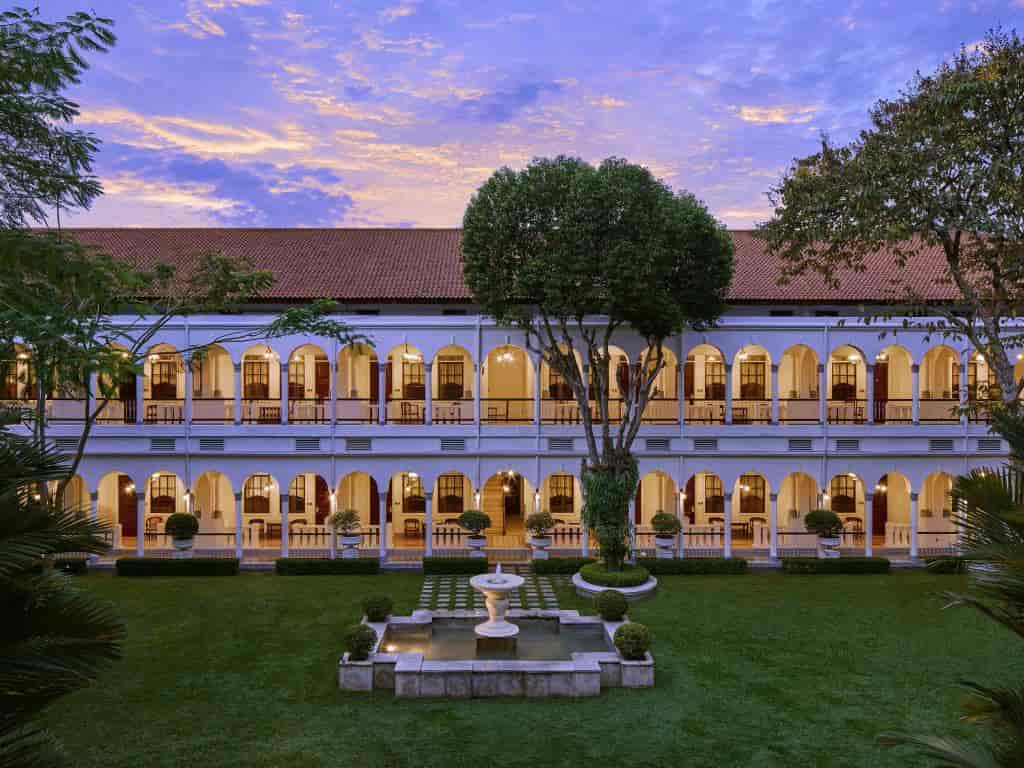
Located in East Java’s capital, Hotel Majapahit Surabaya—originally known during the colonial era as Hotel Oranje—carries immense historical weight as a silent witness to the turbulent birth of the Indonesian republic. Established in 1910 by the enterprising Sarkies Brothers, the hotel was envisioned as a premier luxury outpost for European travelers arriving through the bustling port of Tanjung Perak. During the Japanese occupation, the establishment was requisitioned and renamed Hotel Yamato.
The property attained immortal status in Indonesian history books on September 19, 1945, during the volatile post-independence period. Following the failure of negotiations between regional Indonesian leaders and Dutch representatives led by W.V.Ch. Ploegman, enraged youths scaled the hotel’s roof and violently ripped the blue stripe off the Dutch tricolor flag (red-white-blue), transforming it into the red-and-white flag of the independent Republic of Indonesia. This pivotal incident, known as the Hotel Yamato Incident or the Incident of the Blue Strip, directly catalyzed the historic Battle of Surabaya on November 10, 1945. Rebranded over the years and currently managed as part of the Accor luxury portfolio, Hotel Majapahit retains its lush tropical courtyards and classic colonial architecture. Room rates begin at approximately IDR 985,125 per night, offering guests a profound, tangible connection to the nation’s revolutionary struggle.
- Royal Ambarrukmo, Yogyakarta: A Regal Fusion of Royal Heritage and Modern Hospitality
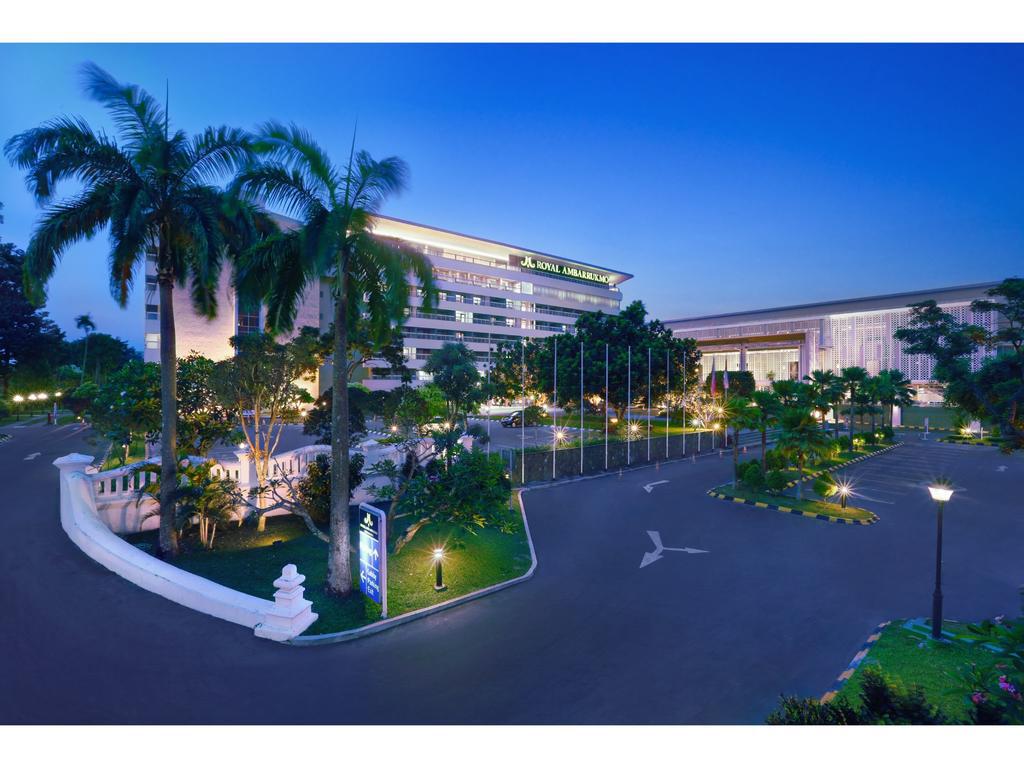
Situated on Jalan Laksda Adisucipto in the Special Region of Yogyakarta, the Royal Ambarrukmo occupies land historically tied to the Mataram Sultanate. The site originally served as the Kedhaton Ambarrukmo, a royal palace complex and retreat commissioned by Sultan Hamengku Buwono V and later expanded by Sultan Hamengku Buwono VII. Following Indonesia’s independence, the visionary President Sukarno recognized the necessity of establishing world-class tourism infrastructure across cultural centers. In the mid-1960s, as part of a national push to project cultural diplomacy, the palace grounds were developed into a modern luxury hotel.
Officially opened and promoted by President Sukarno in 1966, Royal Ambarrukmo was designated as one of the four pioneer international hotels in the young republic. The property underwent extensive modern restoration while preserving its original historic outbuildings, such as the Pendopo Ageng (a grand royal pavilion) and historical bath complexes (Paseban). Today, operating as a five-star luxury resort, it offers guests comprehensive amenities including landscaped gardens, swimming pools, and fine dining, all while maintaining an atmosphere steeped in Javanese royal traditions. Accommodations can be reserved via platforms like Agoda with rates starting from around IDR 911,250 per night.
- Hotel Savoy Homann, Bandung: An Art Deco Masterpiece Witness to Global Diplomacy
In the creative and intellectual heartland of West Java, Jalan Asia-Afrika in Bandung is home to the legendary Hotel Savoy Homann. The property’s origins trace back to the early 19th century when the Homann family established a modest bamboo-and-thatch inn, famous among travelers for the traditional Dutch-Indonesian rijsttafel prepared by Mrs. Homann. By 1939, as Bandung rapidly earned the moniker Paris van Java, the original structure was entirely demolished to make way for a radical architectural overhaul.
Dutch architect Albert Aalbers was commissioned to design a masterpiece of the New Indies Style and Art Deco movement, characterized by sweeping, aerodynamic curves reminiscent of an ocean liner slicing through waves. Renamed Hotel Savoy Homann in 1940, the luxury accommodation quickly attracted high-profile international travelers, most notably cinematic icon Charlie Chaplin, who famously stayed at the hotel during his Southeast Asian tours in the 1930s. Decades later, during the historic Bandung Conference (Asian-African Conference) of 1955, the hotel served as a primary residence and gathering place for global anti-colonial leaders, cementing its status as an architectural and diplomatic landmark. Rooms at this historic icon are remarkably accessible, with Agoda listing nightly rates starting from approximately IDR 390,880.
- Inna Bali Heritage Hotel, Denpasar: Pioniereering Luxury in the Island of the Gods
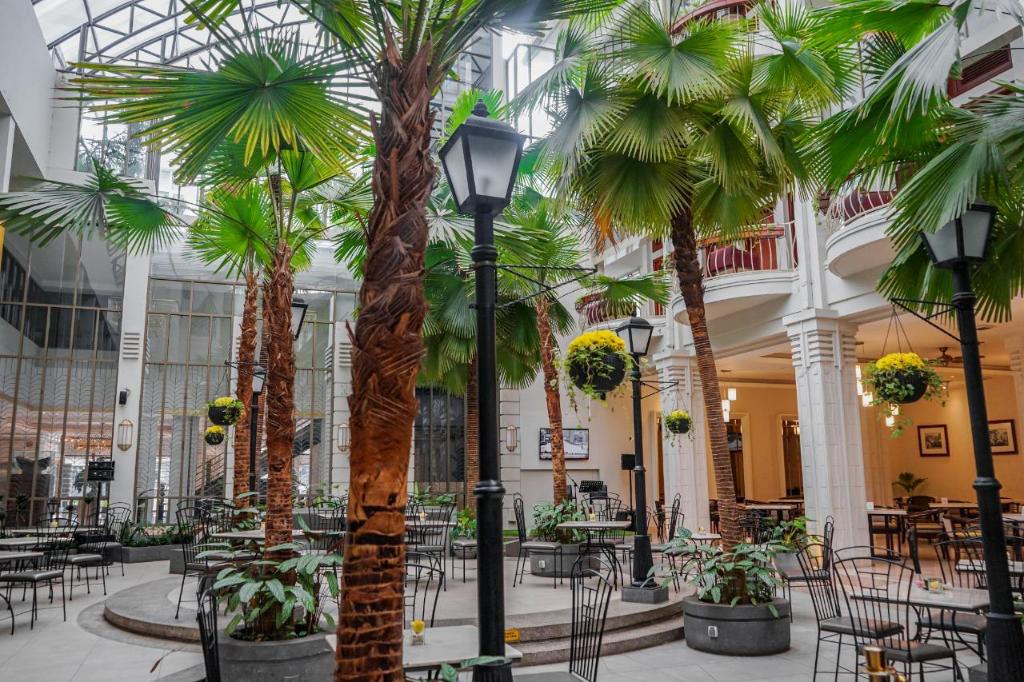
Long before modern mega-resorts transformed Bali’s coastal regions into global tourism meccas, the island’s hospitality industry began in the heart of Denpasar. Opened on August 22, 1927, the Inna Bali Heritage Hotel (historically known as the Bali Hotel) stands as the island’s very first modern luxury accommodation. Its establishment was directly catalyzed by the introduction of regular steamship services operated by the Royal Packet Navigation Company (Koninklijke Paketvaart-Maatschappij or KPM), which began bringing affluent Western tourists, anthropologists, and artists to Bali’s shores.
Located in the administrative center of Denpasar, the three-star heritage property was designed to accommodate foreign travelers seeking to immerse themselves in Balinese arts and culture while enjoying Western comforts. Throughout the colonial era and the early decades of independence, the hotel hosted numerous prominent intellectuals, artists, and political figures who helped shape Western perceptions of Bali as an exotic cultural paradise. Featuring classic colonial facades integrated with traditional Balinese architectural elements, the hotel continues to offer guests tranquil interior gardens, dining venues, and a classic outdoor pool. Nightly rates are highly affordable, beginning at approximately IDR 270,000 on Agoda.
Economic and Tourism Implications of Historic Hospitality Preservation
The continued operation of these colonial-era hotels carries significant implications for Indonesia’s contemporary tourism economy and cultural preservation efforts. Analysts note that heritage tourism is an increasingly vital sector, attracting travelers seeking authentic, story-driven experiences rather than generic luxury accommodations. By maintaining these properties, hotel management groups and local governments contribute to the preservation of urban architectural heritage, preventing the erasure of critical chapters in the nation’s history.
However, operating century-old properties presents distinct economic and logistical challenges. Maintenance costs, adherence to strict heritage conservation regulations, and the necessity of retrofitting modern safety and digital infrastructure require substantial capital investment. Despite these hurdles, the enduring popularity of hotels like the Hotel Indonesia Kempinski, Hotel Majapahit, Royal Ambarrukmo, Savoy Homann, and Inna Bali Heritage demonstrates that history, when carefully preserved and thoughtfully integrated into modern hospitality, remains one of Indonesia’s most compelling cultural and economic assets. Prospective travelers are advised that room rates across these properties remain subject to seasonal fluctuations, inflation, local taxation policies, and demand surges during peak holiday periods, making advance booking essential for securing optimal rates.