Chalifah Fatihah
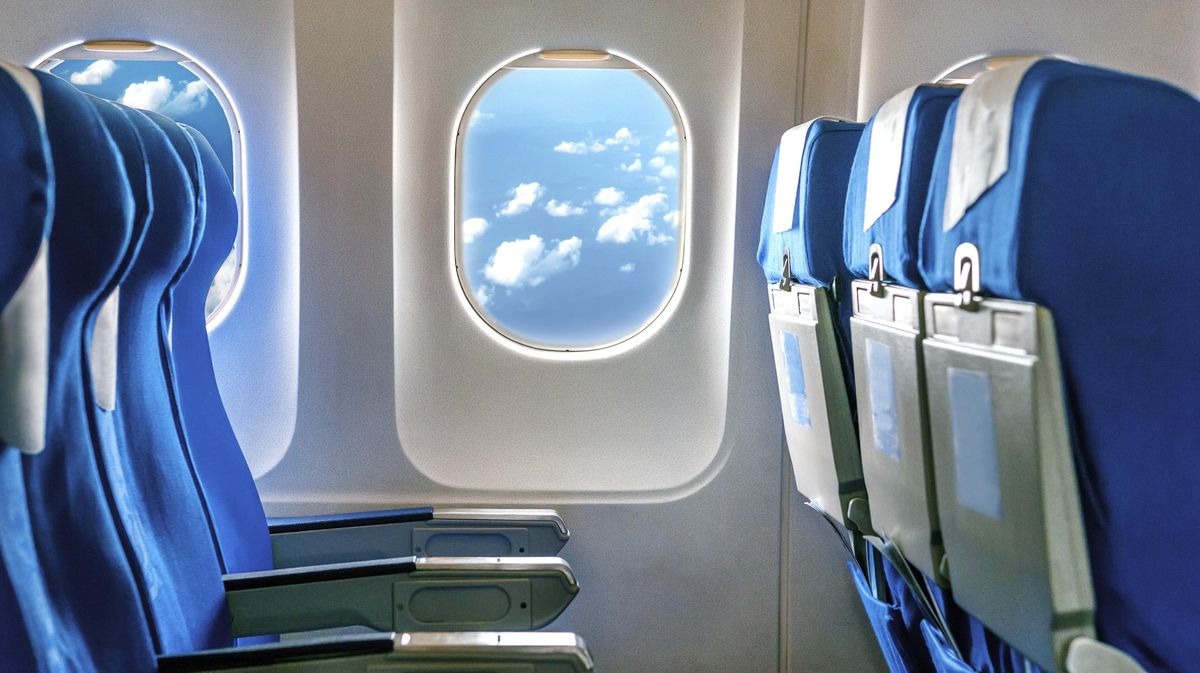
The perennial question of cabin cleanliness on commercial flights has long been a subject of hushed conversations and unspoken anxieties among passengers. While the industry strives for high standards, a recent candid account from a seasoned traveler, who discovered a used wet wipe stashed in a seatback pocket, has illuminated a particularly "hazardous" area within the aircraft cabin from the perspective of those who know it best: the flight attendants. Three experienced flight attendants have spoken out, revealing the specific part of the aircraft cabin they most consciously avoid or approach with extreme caution when they are not in uniform and are traveling as passengers. Their collective consensus points unequivocally to one area: the seatback pocket.
The Seatback Pocket: A Hotbed of Germs
Despite their apparent utility for stowing essentials like mobile phones, passports, or reading material, the seatback pockets are, according to these aviation professionals, frequently relegated to the status of a "final disposal site" for a host of unsanitary items. This revelation comes at a time when concerns about hygiene and the spread of airborne and surface-borne illnesses continue to be a significant public health consideration, amplified by recent global health events.
"The seatback pocket is one of the dirtiest places on the plane," stated Danielle, a flight attendant based in Atlanta, in a report by Travel + Leisure. Her firsthand observations paint a stark picture: "I’ve seen people put anything in there, from used tissues to dirty diapers." This anecdotal evidence, while unsettling, is not entirely surprising when one considers the operational realities of commercial aviation cleaning protocols.
The Reality of Aircraft Cabin Cleaning
The time allocated for thorough cabin cleaning between flights is notoriously brief. Cleaning crews typically operate under significant time constraints, often with mere minutes to prepare an aircraft for its next set of passengers. According to the flight attendants interviewed, these crews primarily focus on visible debris removal. Deep cleaning, which would involve sanitizing the interiors of seatback pockets, is generally only undertaken if there is a clear and significant liquid spill. This means that the accumulated residue from countless previous journeys, ranging from food crumbs to bodily fluids, often remains undisturbed.
A study published in the Journal of Environmental Health in 2019 analyzed microbial contamination on airplane surfaces, finding that tray tables and seatbelt buckles harbored the highest levels of bacteria. While the seatback pocket was not explicitly the focus of this particular study, its design and usage patterns suggest it is a prime candidate for similar or even higher levels of contamination, acting as a passive collector of whatever passengers choose to deposit within it.
Beyond the Seatback Pocket: Other Areas of Concern
The flight attendants’ warnings extend beyond the ubiquitous seatback pocket. Several other cabin areas and passenger behaviors are also noted as points of caution:
1. Proximity to Lavatories: Flight attendants generally advise against selecting seats in close proximity to the aircraft lavatories. The reasoning is twofold: the constant ingress and egress of passengers queuing for the facilities can create noise disturbances, and as the flight progresses and cabin air circulates, unpleasant odors can become more noticeable and pervasive in these areas. This is particularly true on longer flights where the cumulative use of the lavatories increases.
2. Footwear in Lavatories: A particularly strong recommendation from the interviewed crew is the consistent use of footwear when visiting the aircraft lavatory. Danielle emphasized this point with a blunt warning: "The liquid on the floor is not water; it’s most likely urine." The shared nature of these facilities, coupled with the aforementioned time constraints for cleaning, means that floor surfaces can quickly become contaminated, making protective footwear a simple yet effective measure to prevent contact with unsanitary substances.
Adapting to the "Germ Hotspots"
The experienced cabin crew members have developed various strategies to mitigate the risks associated with these less-than-pristine areas:
-
Catherine, a travel writer and former flight attendant, acknowledges the convenience of seatback pockets but insists on a pre-emptive strike: she meticulously wipes down the interior with disinfectant wipes before placing any personal items inside. This proactive approach ensures a baseline level of sanitation before she utilizes the space.
-
Eliza Poll, a flight attendant with 12 years of experience, takes a more selective approach. She will only use seatback pockets if they are made of a transparent mesh material, allowing her to visually assess their cleanliness. If the pocket is opaque, she limits its use strictly to holding a water bottle, thereby minimizing contact with potentially unhygienic surfaces.
-
Danielle, on the other hand, adopts the most conservative strategy. She prefers to keep all her belongings within her carry-on tote bag and avoids touching the seatback pocket altogether during her flights. This "zero-contact" approach guarantees that she does not come into direct contact with any potential contaminants.
Broader Implications and Passenger Choices
The insights provided by these flight attendants serve as a stark reminder that the perceived cleanliness of an airplane cabin can be a complex issue. While airlines invest in cleaning services, the realities of operational schedules and the sheer volume of daily flights present significant challenges.
The analysis of these "germ hotspots" highlights the importance of passenger awareness and personal hygiene practices. Simple actions, such as carrying disinfectant wipes and hand sanitizer, and being mindful of where one places personal items, can significantly reduce the risk of exposure to germs. The choice of seat, particularly avoiding those near lavatories, can also contribute to a more comfortable and potentially healthier travel experience.
Ultimately, the decision of whether to utilize the seatback pocket or to adopt a more cautious approach rests with the individual passenger. However, armed with this insider information, travelers can make more informed choices to enhance their personal hygiene and well-being during air travel. The insights underscore that while the skies may offer a sense of freedom, the cabin environment demands a degree of vigilance from all who traverse it. The continued emphasis on robust cleaning protocols, coupled with informed passenger behavior, will be crucial in maintaining confidence and comfort in air travel. The industry may also consider innovations in material science and design for seatback pockets to improve their inherent hygiene properties or explore more frequent deep-cleaning schedules for these high-touch areas, especially in light of evolving public health expectations.