Bambang Pamungkas
The devastating earthquake that struck Venezuela in June has seen its death toll climb to 5,069, marking a significant increase in the human cost of the catastrophe. As of Saturday, July 18, 2026, the nation continues to reel from the twin seismic events, with more than 21,000 individuals still residing in emergency shelters and a staggering number of people unaccounted for. The updated figures underscore the severe and ongoing humanitarian crisis facing the South American nation, as rescue and recovery efforts transition into a long-term phase of rebuilding and support.
The Catastrophic Event: June’s Dual Quakes
The disaster unfolded on June 24, when Venezuela was hit by two powerful earthquakes in rapid succession. The first, a magnitude 7.2 tremor, was followed just 39 seconds later by an even stronger magnitude 7.5 quake. Such a short interval between high-magnitude quakes is particularly destructive, as initial damage from the first quake can weaken structures, making them highly vulnerable to collapse during the second. The epicenters of these quakes were located off the northern coast of Venezuela, a region known for its seismic activity due to its proximity to the Caribbean Plate boundary, where the South American Plate subducts beneath it. The shallow depth of the tremors further amplified their destructive power, sending violent shockwaves across a wide area, impacting major urban centers and coastal communities. Reports indicated widespread panic, with residents experiencing prolonged and intense shaking, leading to immediate structural failures and widespread fear. The dual nature of the event left little time for people to react or seek safety after the initial jolt, trapping many under falling debris.
Mounting Casualties and Displaced Populations
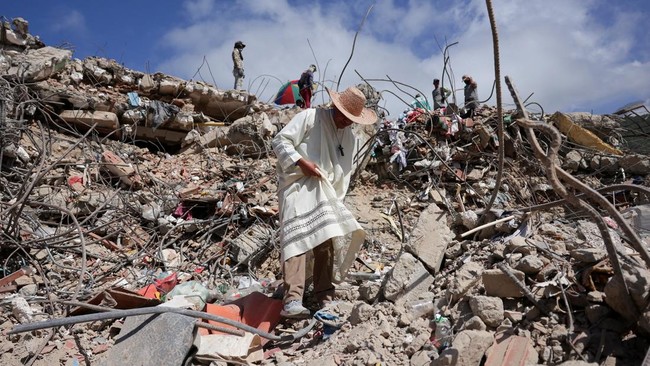
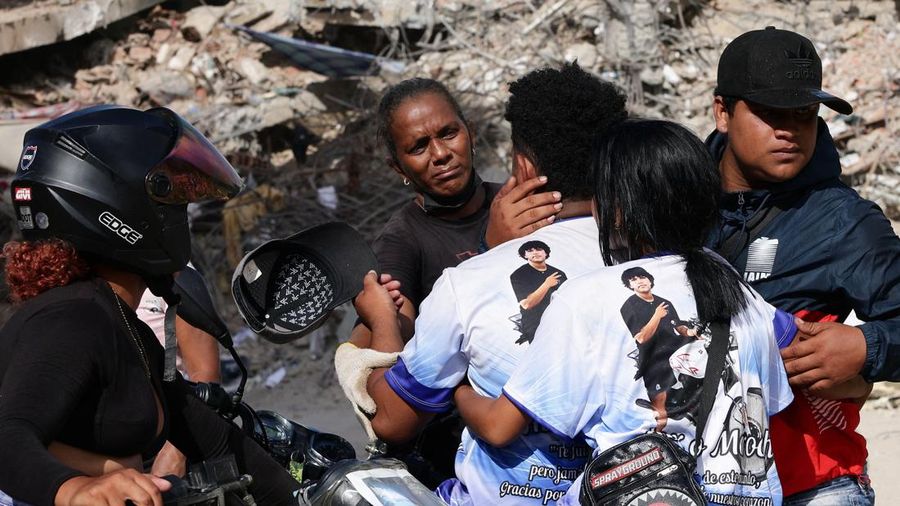
The confirmed death toll of 5,069, reported just weeks after the initial impact, paints a grim picture of the disaster’s scale. This figure is expected to rise as search and recovery operations continue in affected areas, particularly in regions where access remains challenging. Beyond the confirmed fatalities, the United Nations has estimated that approximately 50,000 people are still missing. This alarming number suggests that many more may be buried under the rubble of collapsed buildings, their fates uncertain. The emotional toll on families desperately searching for loved ones is immense, adding another layer of suffering to the tragedy.
The humanitarian impact extends far beyond the immediate casualties. The Venezuelan government reported that 17,907 citizens have been rendered homeless, their residences either completely destroyed or deemed unsafe for habitation. An additional 21,210 individuals are currently housed in 107 temporary shelters established across the affected regions. These shelters, while providing immediate refuge, often face challenges in terms of sanitation, healthcare access, and privacy, exacerbating the vulnerability of those displaced. The long-term prospect of resettlement for these tens of thousands of people presents a formidable challenge, requiring substantial resources and coordinated planning. Many have lost not only their homes but also their livelihoods, possessions, and community networks, leading to profound psychological distress and a sense of profound loss.
Widespread Devastation: Infrastructure and Livelihoods
The physical damage wrought by the earthquakes is extensive and visible across affected provinces. Official reports indicate that 856 buildings sustained damage, with 190 structures suffering complete collapse. These figures encompass a range of buildings, from residential homes and apartment complexes to schools, hospitals, and commercial establishments. The destruction of critical infrastructure has severe ripple effects, disrupting essential services and hindering recovery efforts. Roads and bridges have been damaged, impeding the delivery of humanitarian aid and the movement of rescue personnel. Power outages were widespread, plunging affected areas into darkness and further complicating search operations. Water supply systems were also compromised, raising concerns about access to clean drinking water and the potential for disease outbreaks.
The economic fallout is equally severe. Many small businesses, which are the backbone of local economies, have been destroyed, leading to job losses and a disruption of supply chains. Agricultural lands may have been affected by landslides or liquefaction, threatening food security in already vulnerable areas. The cost of reconstruction is projected to be astronomical, placing an immense burden on a nation already grappling with a protracted economic crisis. The loss of homes and businesses represents not just a material loss but a profound setback for individuals and communities striving for stability and progress. The psychological scars, particularly among children, will require extensive support and long-term programs.
A Coordinated Global and National Response
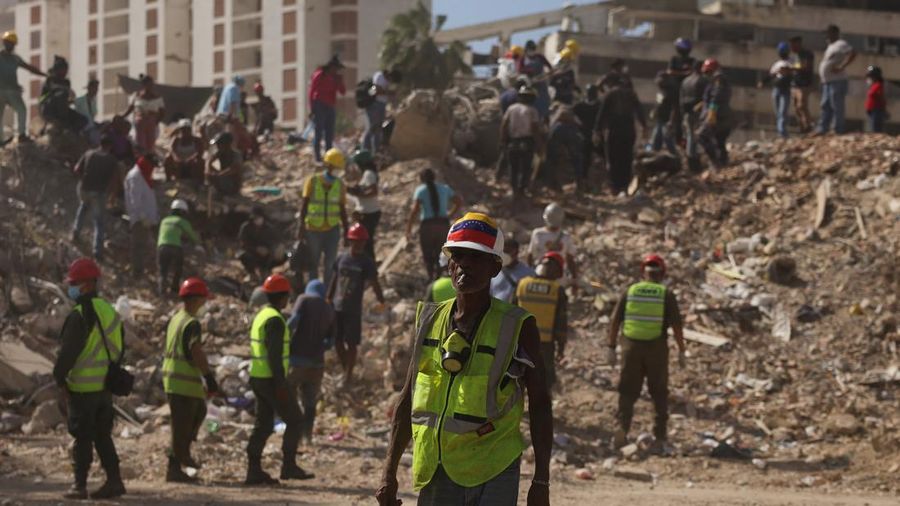
In the immediate aftermath of the quakes, the Venezuelan government swiftly declared a state of emergency, mobilizing national resources for search, rescue, and relief operations. This declaration facilitated a more streamlined response and allowed for the deployment of military and civil defense units. The national effort saw 30,989 personnel from various government agencies, including the armed forces, police, and civil protection, working tirelessly. Their efforts were bolstered by the unwavering dedication of 31,745 local volunteers who selflessly assisted in clearing rubble, distributing aid, and providing comfort to the affected.
Recognizing the overwhelming scale of the disaster, the international community responded with significant solidarity. A contingent of 2,278 rescue personnel from various countries arrived in Venezuela, bringing specialized expertise, equipment, and K9 units for urban search and rescue. These international teams played a crucial role in locating survivors and recovering victims from collapsed structures. Humanitarian aid, including medical supplies, food, water purification tablets, tents, and blankets, poured into the country from international organizations, neighboring nations, and distant allies. The coordination of these diverse relief efforts, both national and international, was crucial in addressing the immediate needs of the affected population, despite the inherent challenges in a disaster zone. Agencies such as the United Nations Office for the Coordination of Humanitarian Affairs (OCHA), the Red Cross, and Doctors Without Borders established field operations, providing vital assistance and assessing needs on the ground.
Background Context: Venezuela’s Seismic Vulnerability and Socioeconomic Challenges
Venezuela’s geographical location makes it inherently susceptible to seismic activity. The country lies at the convergence of the Caribbean and South American tectonic plates, a geologically active zone characterized by numerous fault lines. Historically, Venezuela has experienced several significant earthquakes, underscoring the constant threat of such natural disasters. However, the impact of the recent quakes has been exacerbated by Venezuela’s complex socioeconomic landscape.
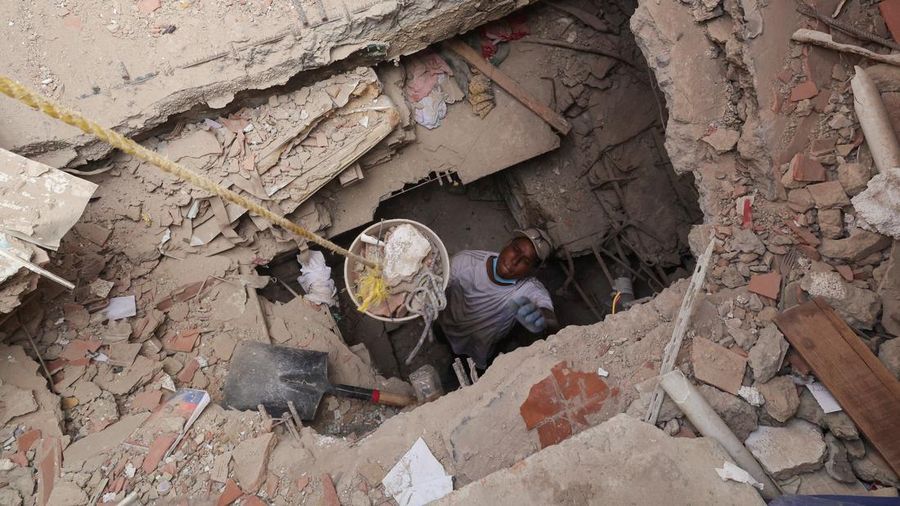
Years of economic crisis, marked by hyperinflation, severe shortages of basic goods, and mass emigration, have left the country’s infrastructure in a vulnerable state. Many buildings, particularly in older urban areas, may not have been constructed to modern seismic standards, or their structural integrity may have deteriorated due to lack of maintenance and investment. The healthcare system, already strained by shortages of medicines and equipment, is now under immense pressure to cope with the influx of injured and the increased demand for medical services. Furthermore, the capacity of the government to fund extensive reconstruction efforts is severely limited by the ongoing economic challenges, making international aid not just helpful, but absolutely critical for any meaningful recovery. The political climate, while putting aside differences in the face of the tragedy, also adds a layer of complexity to the coordination and distribution of aid.
The Lingering Humanitarian Crisis
Weeks after the initial shock, the humanitarian crisis in Venezuela continues to deepen. The prolonged displacement of over 21,000 people in temporary shelters highlights the urgent need for sustainable housing solutions. These shelters often become breeding grounds for health issues due to overcrowding and inadequate sanitation. Ensuring access to clean water, proper hygiene facilities, and consistent medical care is paramount to prevent the outbreak of diseases. Children, in particular, are highly vulnerable, facing disruptions to their education, increased risk of exploitation, and severe psychological trauma. Specialized psychosocial support programs are crucial to help them and other survivors cope with the emotional scars left by the disaster.
Food security is another pressing concern. With supply chains disrupted and many livelihoods destroyed, access to nutritious food is becoming increasingly difficult for vulnerable populations. International aid organizations are working to provide food assistance, but the scale of the need is immense. The transition from emergency relief to early recovery is a critical phase, requiring sustained efforts to provide not just immediate sustenance but also support for rebuilding livelihoods and fostering self-sufficiency.
Reconstruction and Long-Term Recovery
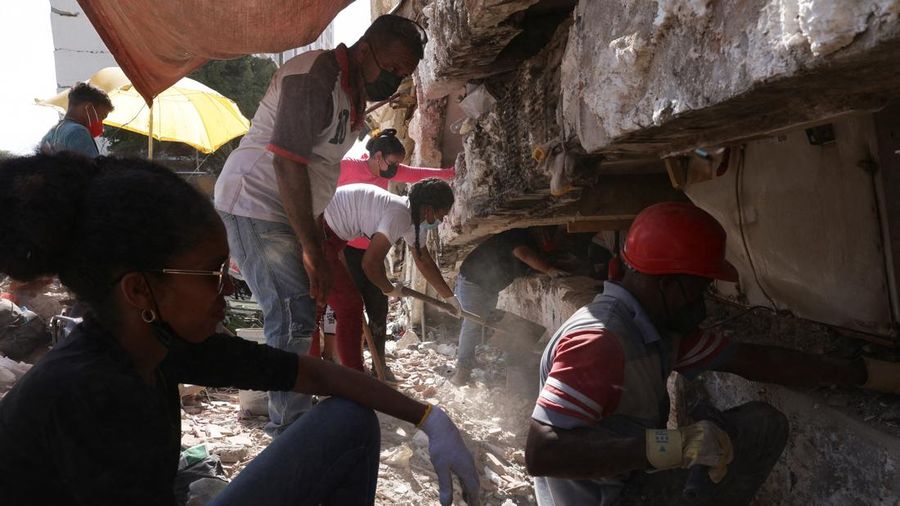
The path to recovery for Venezuela will be arduous and protracted. Rebuilding the 190 completely collapsed buildings and repairing the 856 damaged structures will require a monumental effort, both in terms of financial resources and skilled labor. Beyond housing, the restoration of critical infrastructure – including roads, bridges, power grids, and water systems – is essential for the country’s functionality and economic revival. The estimated cost of such an undertaking is likely to be in the billions of dollars, far exceeding Venezuela’s current financial capacity.
International cooperation will be indispensable for this long-term recovery. Financial aid, technical expertise in resilient construction, and support for urban planning will be vital. The process will likely involve multiple phases, starting with debris removal and damage assessment, followed by temporary housing solutions, and eventually leading to permanent reconstruction. Lessons learned from past earthquake disasters globally emphasize the importance of building back better, incorporating seismic-resistant designs and urban resilience strategies to mitigate the impact of future events. This also presents an opportunity for Venezuela to modernize its infrastructure and adopt more sustainable practices, provided the necessary resources and political will are channeled effectively.
Official Statements and Appeals
In the wake of the disaster, Venezuelan President Nicolás Maduro addressed the nation, expressing profound sorrow for the lives lost and commending the bravery of rescue workers and volunteers. He reiterated the government’s commitment to supporting all affected citizens and initiated appeals for international assistance, highlighting the severe impact on the country’s resources. "This is a moment for national unity and international solidarity," President Maduro stated, "Our people have shown immense resilience, and with the support of our friends around the world, we will rebuild."
UN agencies, including OCHA and UNICEF, issued statements emphasizing the urgent need for continued humanitarian funding. "The scale of this disaster demands a sustained and coordinated global response," a spokesperson for OCHA noted, "The focus must now shift to ensuring long-term support for those displaced and initiating robust recovery programs." The International Federation of Red Cross and Red Crescent Societies (IFRC) also reported on its ongoing efforts, providing emergency shelter, health services, and psychosocial support, while calling for increased donations to meet the escalating needs. International leaders and heads of state from various countries extended their condolences and pledged support, with several nations dispatching aid convoys and medical teams. The outpouring of international goodwill, though significant, faces the challenge of effective and transparent distribution in a country already facing complex logistical and political hurdles.
Looking Ahead: International Solidarity and National Resilience
The Venezuelan earthquake of June 2026 stands as a stark reminder of humanity’s vulnerability to natural forces. While the immediate crisis is being addressed through combined national and international efforts, the road to full recovery will be long and fraught with challenges. The enduring spirit of the Venezuelan people, coupled with sustained international solidarity, will be crucial in overcoming this immense tragedy. The disaster not only calls for physical reconstruction but also for a renewed focus on strengthening community resilience, improving disaster preparedness, and addressing the underlying socioeconomic vulnerabilities that amplify the impact of such catastrophic events. The international community’s commitment to Venezuela’s long-term recovery will be a testament to global humanitarian principles, ensuring that the victims of this devastating earthquake are not forgotten as the world moves forward.