Tyo Susilo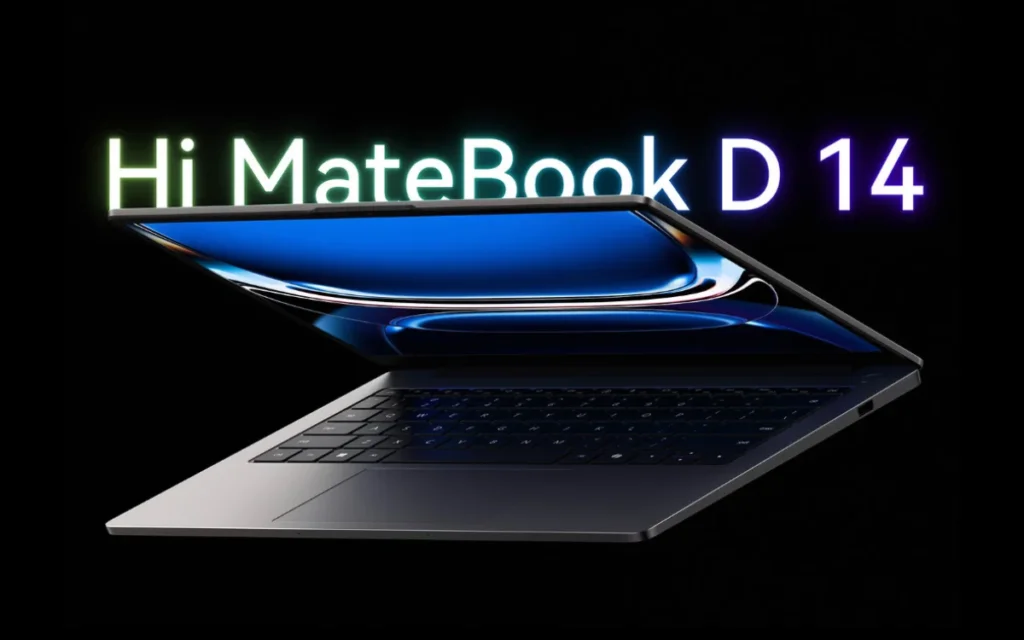
The global technology landscape is witnessing an intriguing convergence of brands, strategies, and supply chains, underscored by a surprising new product release from a familiar name. Wiko, a brand historically recognized across Europe for its budget-friendly smartphones, has officially expanded its hardware portfolio into the personal computer market with the introduction of the Wiko Hi MateBook D 14 Ryzen Edition. Released initially in the Chinese market, this sleek new laptop has immediately drawn intense scrutiny from industry analysts and consumers alike due to its striking resemblance—both in nomenclature and architectural design—to the mainstream laptop offerings of tech giant Huawei.
This strategic pivot by Wiko not only highlights the company’s aggressive diversification away from its traditional European smartphone stronghold but also cements its increasingly close operational alignment with Huawei’s broader hardware and software ecosystem. As the lines between independent brands and major technological conglomerates continue to blur under intense market pressures, the arrival of the Hi MateBook D 14 serves as a fascinating case study in modern device rebranding, strategic partnerships, and cross-market adaptation.
Comprehensive Technical Specifications and Performance Metrics
The newly unveiled Wiko Hi MateBook D 14 Ryzen Edition enters a highly competitive mid-range laptop segment with a robust set of hardware configurations designed to appeal to both productivity-focused professionals and mobile students. At the core of the computing system sits the AMD Ryzen 7 H 255 processor, a high-efficiency chip paired natively with integrated Radeon 780M graphics. To complement this processing power, the device comes equipped with 16GB of high-speed system memory and a 512GB solid-state drive (SSD), ensuring rapid data access and fluid multitasking capabilities across various productivity workloads.
In a direct internal comparison touted by the company, Wiko highlights significant performance advantages of this AMD-powered variant over its Intel-based counterparts. According to official performance metrics released alongside the product, the multi-core processing capabilities of the Ryzen 7 H 255 model exhibit an impressive performance increase of up to 50% when benchmarked against the legacy Intel Core 5 210H configuration. Furthermore, the integrated Radeon 780M graphics subsystem is claimed to deliver up to double the graphical throughput in select computing scenarios, making the machine unexpectedly capable of handling moderate creative workloads, casual gaming, and media-intensive applications.
Physical Design, Portability, and Display Architecture
Beyond its internal processing capabilities, the Wiko Hi MateBook D 14 Ryzen Edition places a heavy emphasis on modern aesthetic appeal, ergonomic portability, and structural durability. The laptop features a minimalist, slim-profile chassis crafted to meet the demands of modern mobile professionals. It measures a mere 15.9 millimeters in thickness and tips the scales at a highly portable 1.39 kilograms, positioning it as an ideal companion for individuals who travel frequently or work in dynamic hybrid environments.
The visual output is anchored by a 14-inch display panel engineered with a modern 16:10 aspect ratio. This vertical screen real estate expansion provides users with a more expansive viewing area for document editing, web browsing, and spreadsheet management compared to traditional 16:9 displays. The panel achieves a peak brightness level of 300 nits, ensuring adequate legibility under typical indoor lighting conditions, while maintaining a 100% sRGB color gamut coverage that satisfies the color accuracy requirements of digital creators and media consumers.
Battery Endurance and Comprehensive Connectivity Options
Power management is another critical pillar of the Wiko Hi MateBook D 14 Ryzen Edition. The device integrates a substantial 56Wh internal battery engineered to optimize energy consumption alongside the power-efficient AMD Ryzen processor. Wiko officially claims that this power source can sustain up to 17.5 hours of continuous local video playback under controlled test environments. To minimize downtime, the laptop supports standard USB-C 65W fast charging protocols, enabling users to rapidly replenish the battery cell using modern universal power adapters.
Despite its remarkably slim chassis profile, the Hi MateBook D 14 does not compromise on physical connectivity ports. The input/output (I/O) array is thoughtfully populated with a versatile selection of interfaces, including a modern USB-C port, a high-speed USB-A 3.2 Gen 1 port, a legacy USB 2.0 port for older peripherals, a full-sized HDMI output for external display connections, and a standard 3.5mm headphone and microphone combo audio jack. This comprehensive port selection eliminates the immediate necessity for cumbersome external dongles or docking stations in standard daily workflows.
Pricing, Market Positioning, and Global Availability

Positioned strategically within the competitive Chinese retail market, the Wiko Hi MateBook D 14 Ryzen Edition carries a retail price tag of 5,799 yuan, which translates approximately to 12.5 million Indonesian rupiah or roughly $800 USD based on current currency exchange rates. This pricing tier places the laptop squarely in the crosshairs of established mid-range competitors from major domestic and international manufacturers.
However, as of the initial product launch, official corporate communications from Wiko have not indicated any concrete timelines or concrete intentions regarding a broader international rollout. Whether this device will eventually cross European borders—where the Wiko brand name still commands historical consumer recognition—or expand into Southeast Asian markets remains a subject of ongoing speculation among industry observers.
The Evolution of Wiko: From European Smartphone Pioneer to Huawei Ecosystem Partner
To fully understand the commercial context of the Hi MateBook D 14, one must examine the corporate evolution of Wiko over the past decade. Founded originally in Marseille, France, in 2011, Wiko carved out a lucrative market niche across Western Europe by offering affordable, stylish smartphones that targeted budget-conscious consumers. During its peak years in the mid-2010s, Wiko enjoyed substantial market share in countries like France, Italy, and Spain, often ranking as a top-selling alternative to premium market leaders.
However, intensifying competition from aggressive Chinese smartphone manufacturers gradually eroded Wiko’s European dominance. This commercial challenge prompted a strategic structural shift. In subsequent years, the brand forged deeper industrial and commercial ties within the Chinese manufacturing and technology sectors. This pivot led to a profound operational realignment, aligning Wiko’s product strategy closely with the broader hardware and software ecosystems developed by Huawei, particularly as Huawei faced heavy international trade restrictions that severely impacted its own supply chains.
The Precedent of Rebranding: From Smartphones to Laptops
The introduction of the Hi MateBook D 14 is not an isolated incident of cooperation, but rather the continuation of a well-established trend of device synergy between Wiko and Huawei. The partnership first drew widespread international attention when Wiko launched the Wiko 5G smartphone in the Chinese market. Industry teardowns and technical specifications quickly revealed that the device was, in essence, a direct rebranding of the Huawei Nova 9 SE, complete with modifications to support Huawei’s proprietary HarmonyOS software environment and mobile services.
This strategic arrangement offered mutual benefits: it allowed Huawei supply chain components and design philosophies to reach alternative market segments under a different brand banner, while simultaneously enabling Wiko to revitalize its product catalog with cutting-edge telecommunications and computing technology without requiring billions of dollars in independent research and development capital.
The expansion of this collaborative model into the personal computer market via the "Hi MateBook" nomenclature underscores a deepening of this institutional relationship. By adopting the iconic "MateBook" brand identity—a moniker historically synonymous with Huawei’s acclaimed premium laptop lineup—Wiko is clearly leveraging established consumer trust and product recognition associated with Huawei’s hardware engineering standards.
Broader Market Implications and Future Industry Outlook
The arrival of the Wiko Hi MateBook D 14 Ryzen Edition carries significant implications for the contemporary consumer electronics ecosystem. As global supply chains face ongoing pressures and geopolitical factors continue to reshape trade dynamics, alternative branding strategies and cooperative manufacturing agreements are becoming increasingly common. Brands that once operated independently are finding new avenues for survival and growth by integrating into dominant domestic technology ecosystems, particularly in immense markets like China.
For consumers, devices like the Hi MateBook D 14 offer a compelling value proposition, blending proven industrial designs and high-performance hardware components with alternative distribution channels. However, it also raises complex questions regarding brand identity, consumer transparency, and the future trajectory of independent European brands that have been absorbed into broader Asian industrial networks.
As Wiko continues to transition from its roots as a French smartphone vendor into an active participant in the broader Huawei-linked technology sphere, industry analysts will closely monitor whether these PC offerings will remain exclusive to the domestic Chinese market or eventually re-emerge on the global stage. Regardless of its geographic reach, the Wiko Hi MateBook D 14 stands as a clear testament to the shifting alliances and pragmatic business strategies defining the modern technology sector.