Azin Asro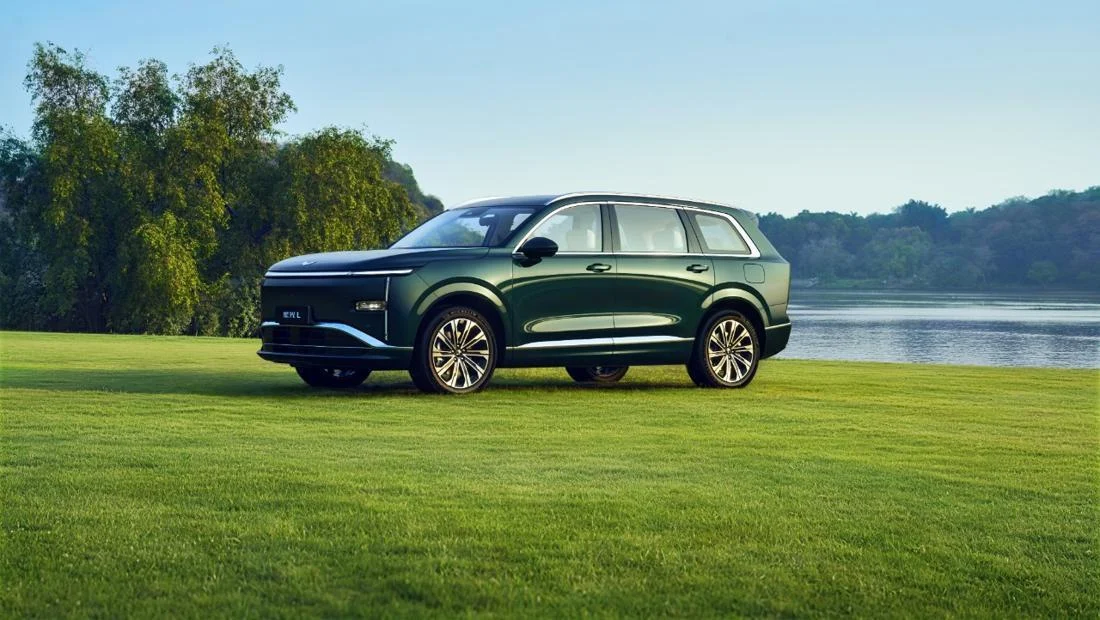
SAIC-GM-Wuling (SGMW) has officially expanded its "New Energy Vehicle" (NEV) portfolio with the introduction of the Wuling Xingguang L, a plug-in hybrid electric vehicle (PHEV) specifically engineered to meet the demands of modern, multi-generational families. Launched in China, the Xingguang L—also referred to as the Starlight L in international contexts—represents a significant leap forward for the brand, moving beyond its historical roots in micro-EVs and budget-friendly transporters into the highly competitive premium family SUV segment. The vehicle is designed to provide a harmonious blend of high-end aesthetics, advanced hybrid technology, and expansive interior volume, all while maintaining the brand’s reputation for accessibility.
The unveiling of the Xingguang L comes at a pivotal time for the Chinese automotive market, where plug-in hybrids have seen a massive surge in popularity. Consumers are increasingly gravitating toward PHEVs as a "best-of-both-worlds" solution, offering the environmental benefits and quiet operation of an electric motor for daily commutes alongside the long-distance security of an internal combustion engine. The Xingguang L addresses this trend head-on, boasting a pure electric range that significantly outpaces many of its direct competitors in the mid-to-large SUV category.
Technical Specifications and Dimensional Dominance
The Wuling Xingguang L is built upon a substantial footprint designed to maximize interior utility. It measures 4,980 mm in length, 1,930 mm in width, and 1,760 mm in height. These dimensions place it firmly in the large SUV category, offering a presence on the road that is both commanding and stable. Perhaps the most critical metric for passenger comfort is the wheelbase, which spans 2,950 mm. This extensive distance between the front and rear axles allows for a spacious three-row configuration, utilizing a 2+2+2 seating arrangement.
Unlike traditional seven-seater SUVs that often compromise middle-row access or third-row legroom, the six-seat layout of the Xingguang L ensures that every passenger—from children to elderly family members—enjoys a "captain’s chair" experience in the first two rows. This configuration also facilitates an aisle for easier access to the rear, a feature highly valued by families who frequently transport multiple generations simultaneously.
Under the hood, the Xingguang L utilizes Wuling’s proprietary hybrid architecture. According to the China Light-Duty Vehicle Test Cycle (CLTC), the vehicle can achieve up to 260 kilometers on pure electric power alone. This is an industry-leading figure for a PHEV of this size; for many urban users, this range allows for an entire week of gasoline-free commuting. When the battery is depleted, the highly efficient internal combustion engine engages to act as a generator or to provide direct drive, ensuring that "range anxiety" remains a thing of the past for long-distance holiday travel.
A New Era of Aesthetic Design: The Fusion of Tradition and Modernity
Wuling has adopted a sophisticated design language for the Xingguang L, which the company describes as being inspired by "Chinese aesthetics." The goal was to create a silhouette that balances "quiet elegance" with a "broad appeal." The front fascia is dominated by a bold, integrated grille featuring active air intake channels. These active shutters are not merely cosmetic; they automatically adjust to optimize aerodynamic efficiency at high speeds and maximize cooling for the hybrid powertrain under heavy loads.
The exterior is further accentuated by chrome detailing that runs along the flanks, providing a premium contrast to the vehicle’s primary paint colors. The SUV sits on 20-inch Michelin tires, a choice that signals Wuling’s commitment to ride quality and road grip. Attention to detail is evident in the smaller touches, such as the hidden rear wiper—which contributes to a cleaner rear profile—and subtle motifs etched into the lower portion of the windshield. These motifs serve as a tribute to Liuzhou, the industrial hub in southern China where Wuling is headquartered, grounding the vehicle’s modern technology in its regional heritage.
The paintwork itself involves a sophisticated manufacturing process. Wuling has partnered with BASF to utilize a 2K high-gloss clear coat. This coating is applied through an intensive eight-layer process, resulting in a finish that is not only visually striking with a deep luster but also highly resistant to environmental wear, UV degradation, and minor scratches. The Xingguang L is offered in five distinct colorways: Green, Blue, Black, Silver, and White, each chosen to highlight the vehicle’s flowing lines.
Interior Craftsmanship and Digital Integration
Inside the cabin, the Xingguang L continues its theme of refined comfort. The dashboard follows a symmetrical layout, a design choice intended to create a sense of balance and calm. Soft-touch materials are used extensively throughout the interior, covering the dashboard, door panels, and central armrests. The seats are ergonomically contoured with multi-density foam to provide support during long-distance journeys, reducing driver and passenger fatigue.
The technological centerpiece of the interior is the dual-screen interface. A 8.8-inch digital instrument cluster provides the driver with essential telemetry, hybrid system status, and navigation prompts. This is complemented by a massive 15.6-inch central touchscreen that serves as the command center for infotainment, climate control, and vehicle settings. The software interface is designed to be intuitive, mimicking the responsive nature of high-end smartphones.
Wuling has also incorporated high-end sensory details rarely seen in this price bracket. The interior features laser-etched wood-grain trim panels and genuine metal speaker grilles. The air vents are designed with patterns reminiscent of traditional Chinese lattice-work, further bridging the gap between modern tech and cultural artistry. To enhance the evening driving experience, the Xingguang L includes a 256-color ambient lighting system. This system offers three primary modes: a fixed color of the user’s choice, a randomized "breathing" cycle, and a responsive mode that adjusts lighting based on driving dynamics or music rhythm.
Chronology of Development and Market Evolution
The launch of the Xingguang L is the culmination of a multi-year strategic shift for SAIC-GM-Wuling. Historically known for the Wuling Hongguang "silver car" series—the backbone of China’s small business logistics—the company underwent a brand transformation with the 2020 launch of the Hongguang Mini EV. That vehicle became a global phenomenon, proving that Wuling could dominate the new energy sector.
Following the success of the Mini EV, Wuling began its "Global Silver Logo" initiative, aimed at producing higher-quality vehicles for both domestic and international markets. The chronology of this evolution includes:
- The Wuling Victory (2020): The first "Silver Logo" model, focusing on the MPV segment.
- The Wuling Asta/Xingchen (2021): The brand’s first serious foray into the compact SUV market with hybrid options.
- The Wuling Xingguang Sedan (2023): A PHEV sedan that challenged established players like the BYD Qin Plus.
- The Wuling Xingguang L (2024): The flagship SUV version, designed to capture the lucrative family SUV market.
This timeline demonstrates a clear trajectory: Wuling is moving up-market, leveraging its massive manufacturing scale to offer premium features—like the 260km electric range and BASF paint—at price points that undercut traditional luxury brands.
Official Responses and Industry Implications
Industry analysts view the Xingguang L as a direct challenger to established hybrid leaders such as BYD and Li Auto. While Wuling has not yet released the final tiered pricing for all regions, early statements from company executives emphasize "democratizing premium mobility."
"Our goal with the Xingguang L is to ensure that the modern multi-generational family does not have to choose between space, technology, and affordability," a Wuling representative stated during the product briefing. "By extending the electric range to 260 kilometers, we are effectively offering a vehicle that functions as a pure EV for the vast majority of its life, with the hybrid system acting as a safety net for the family’s greater adventures."
The implications for the broader market are significant. As Wuling integrates more high-end components—such as Michelin tires and BASF coatings—into its standard offerings, it forces competitors to either lower their prices or increase their own feature sets. Furthermore, the Xingguang L is expected to be a strong candidate for Wuling’s export markets, including Southeast Asia and South America, where the demand for large, efficient family vehicles is growing.
In Indonesia, where Wuling has already established a strong manufacturing presence with the Air EV and BinguoEV, the introduction of a large PHEV like the Xingguang L could revolutionize the local SUV segment. Given the Indonesian government’s push for electrification and the local preference for large family vehicles (MPVs and SUVs), the Xingguang L fits the regional "sweet spot" of utility and modern powertrain technology.
Broader Impact and Conclusion
The Wuling Xingguang L is more than just a new model; it is a testament to the rapid maturation of the Chinese NEV industry. By combining a 2,950 mm wheelbase with a 260 km electric range, Wuling has addressed the two most significant pain points for family buyers: interior crampedness and fuel costs.
As the automotive world continues its transition away from pure internal combustion, the Xingguang L serves as a blueprint for how legacy brands can pivot. It utilizes vertical integration and strategic partnerships to deliver a product that feels "premium" without the traditional luxury markup. For the consumer, this means access to a vehicle that is environmentally conscious, technologically advanced, and culturally resonant, marking a new chapter in the democratization of the plug-in hybrid SUV.