Nila Kartika Wati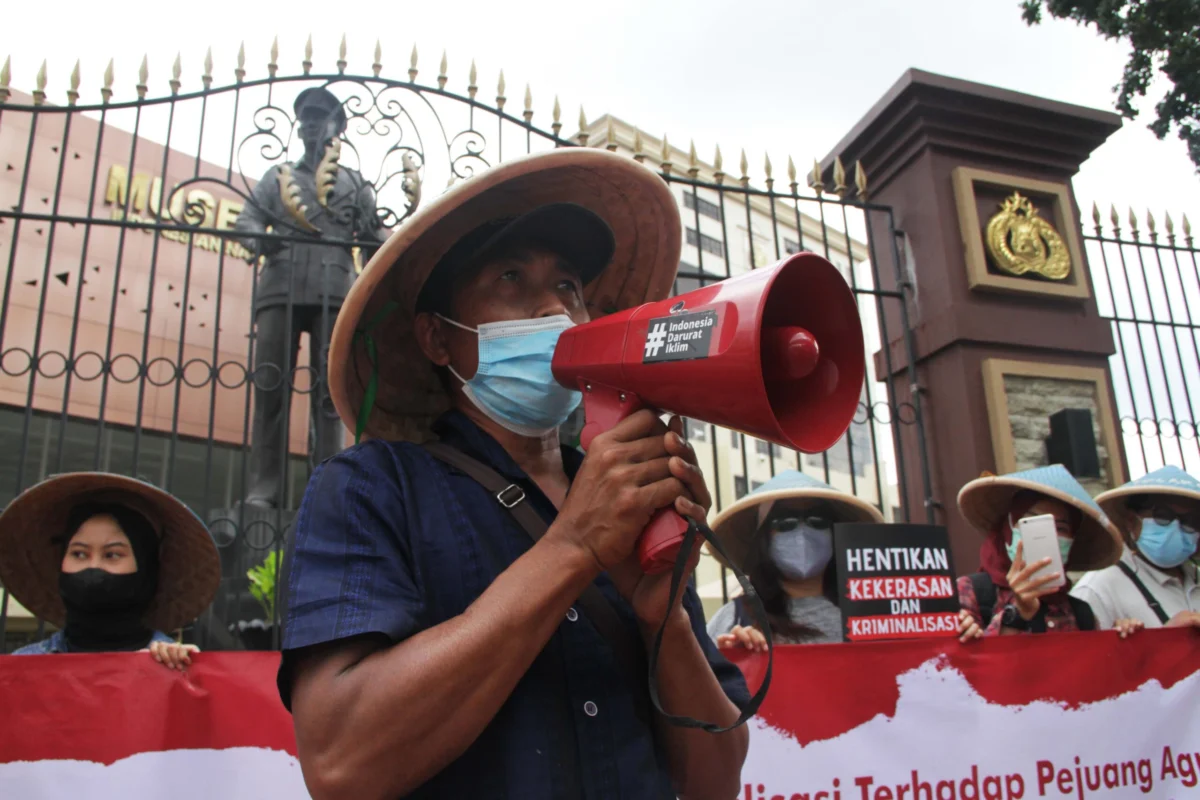
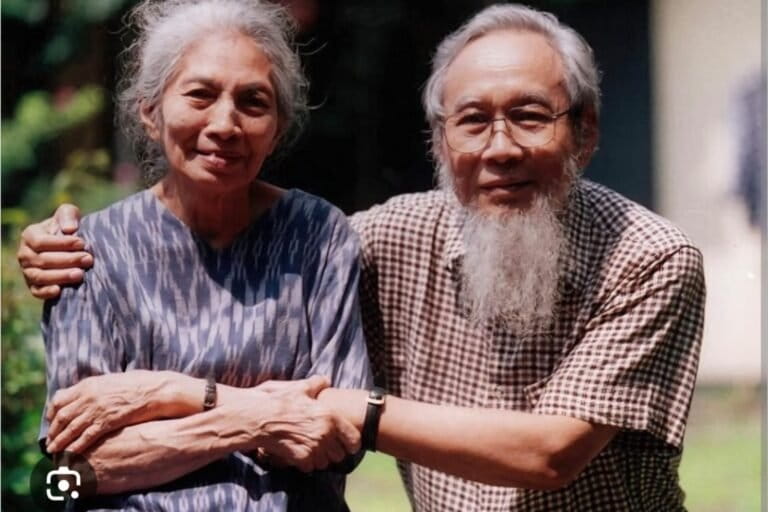
The intellectual landscape of Indonesian social sciences remains deeply anchored in the contributions of Kusumo Kampto Utomo, more widely known by the name Sajogyo, a figure whose life’s work earned him the titles of "Father of Rural Sociology" and "Father of Agrarian Studies." As the nation commemorates the centenary of his birth, his theories regarding the structural causes of poverty and the necessity of land redistribution continue to serve as a critical lens through which modern agrarian conflicts and rural development policies are analyzed. At a recent seminar titled "100 Years of Sajogyo," held at Soegijapranata Catholic University in Semarang, scholars and activists gathered to reflect on a legacy that challenged the paradigms of the New Order regime and continues to provide a roadmap for pro-poor advocacy in the 21st century.
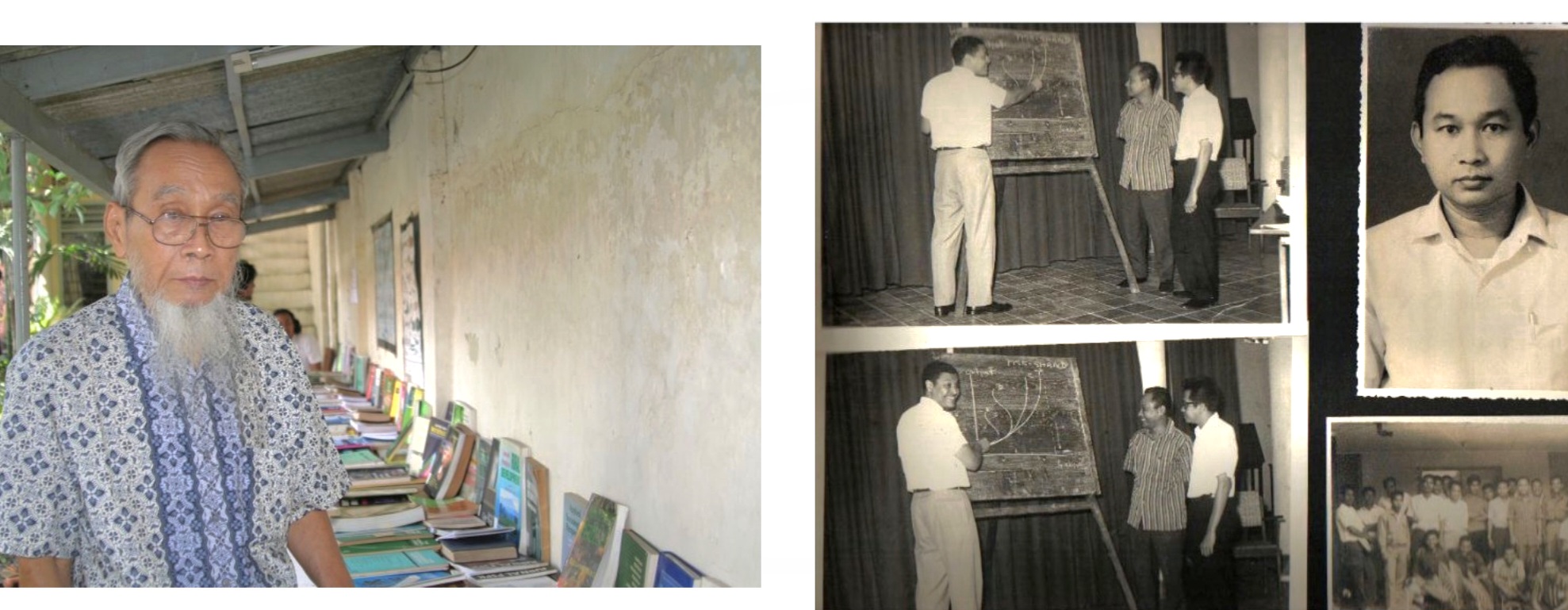
Born in Kebumen, Central Java, on May 21, 1926, Sajogyo’s academic journey was a testament to the transformative power of education during Indonesia’s transition from colonialism to independence. He completed his early education at the Hollandsch-Inlandsche School (HIS) in Kediri and the Meer Uitgebreid Lager Onderwijs (MULO) in Purwokerto before moving to Yogyakarta for high school. His pursuit of higher learning led him to the Faculty of Agriculture at the University of Indonesia in Bogor—which would later become IPB University—where he earned his engineering degree in 1955. It was during this period that Sajogyo’s worldview began to shift from technical agriculture to the socio-economic realities of the peasantry, influenced heavily by his collaboration with the Dutch scholar Karl J. Pelzer.
The Foundations of Rural Sociology
Sajogyo’s early career was marked by a commitment to field-based research, a methodology that would define his life’s work. He served as a field assistant for Pelzer, engaging in extensive studies on cooperatives and the intricate social class structures of rural Java and Sumatra. His research in Desa Teruka, located in the Cibodas Highlands of West Java, and his investigations into the lives of Javanese transmigrants clearing forests in Lampung, provided him with a raw, unvarnished view of the hardships faced by the landless and the vulnerable.
In 1964, Sajogyo was appointed Rector of IPB University. However, his tenure was cut short by the political cataclysm of 1965. Despite the national instability, he was tasked with leading the Agro-Economic Survey (SAE) from 1965 to 1972, a massive collaborative effort involving 15 universities. It was during this period that Sajogyo began to identify the profound disconnect between state-led modernization and the actual welfare of the rural poor. According to Ivanovic Agusta, Head of the Center for Agricultural and Rural Development Studies at IPB University, Sajogyo’s leadership during Indonesia’s first agricultural census revealed a startling bias: at the time, farmers holding less than one hectare of land were often excluded from the census because they were not deemed "real" farmers. Sajogyo realized that this exclusion rendered the most vulnerable segment of the population invisible to policymakers.
The Critique of the Green Revolution
The late 1960s saw the rise of the Green Revolution under President Suharto’s New Order. While the government touted the introduction of high-yield crop varieties, chemical fertilizers, and mechanized irrigation as a triumph of modernization, Sajogyo offered a stinging critique. In his seminal 1973 study, Modernization without Development in Rural Java, which was presented to the Food and Agriculture Organization (FAO), he argued that technological advancement did not equate to social progress.
Sajogyo observed that the Green Revolution disproportionately benefited rural elites and those with large landholdings who had the capital to invest in new technologies. Meanwhile, marginal farmers—often referred to as petani gurem—and landless laborers found themselves further marginalized. He famously posited that if the spirit of development does not prioritize the elevation of the lowest social strata, it is not development at all, but merely modernization. This distinction became a cornerstone of Indonesian sociology, highlighting how "development" could actually exacerbate structural inequality by allowing the upper classes to accumulate wealth while the lower classes were pushed out of the village economy entirely.
Agrarian Reform and the "Three Musketeers"
For Sajogyo, the solution to rural poverty was not found in better seeds or more fertilizer, but in the radical restructuring of land ownership. He believed that agrarian reform was the essential prerequisite for any meaningful national development. Alongside fellow intellectuals Gunawan Wiradi and Sediono M.P. Tjondronegoro—a trio often referred to as the "Three Musketeers" of Indonesian agrarian studies—Sajogyo championed the cause of land reform during an era when such ideas were dangerously stigmatized as being synonymous with communism.
Laksmi Adriani Savitri, an anthropologist and activist who formerly led the Sajogyo Institute, notes that Sajogyo was remarkably adept at navigating the restrictive political environment of the New Order. He managed to bridge the gap between radical academic inquiry and state policy, successfully embedding "eight paths of equity" into the Broad Guidelines of State Policy (GBHN). Even so, his most radical visions—such as the collective ownership of land through "laborer-farmer enterprises"—remained largely unfulfilled. Sajogyo envisioned a system where those who tilled the soil had a stake in the business of agriculture, ensuring that redistribution led not just to subsistence, but to economic empowerment and participation in the broader market.
The Modern Crisis: Data and Conflicts
The relevance of Sajogyo’s warnings is underscored by the contemporary state of land tenure in Indonesia. Despite decades of government promises regarding agrarian reform, the gap between the land-rich and the landless remains a volatile fault line. Data from the Consortium for Agrarian Reform (KPA) paints a grim picture of the current landscape. In 2025 alone, there were 341 recorded agrarian conflicts across the archipelago, spanning over 914,000 hectares of land. These disputes directly affected 123,612 families, many of whom are the modern descendants of the "marginalized" groups Sajogyo spent his life defending.
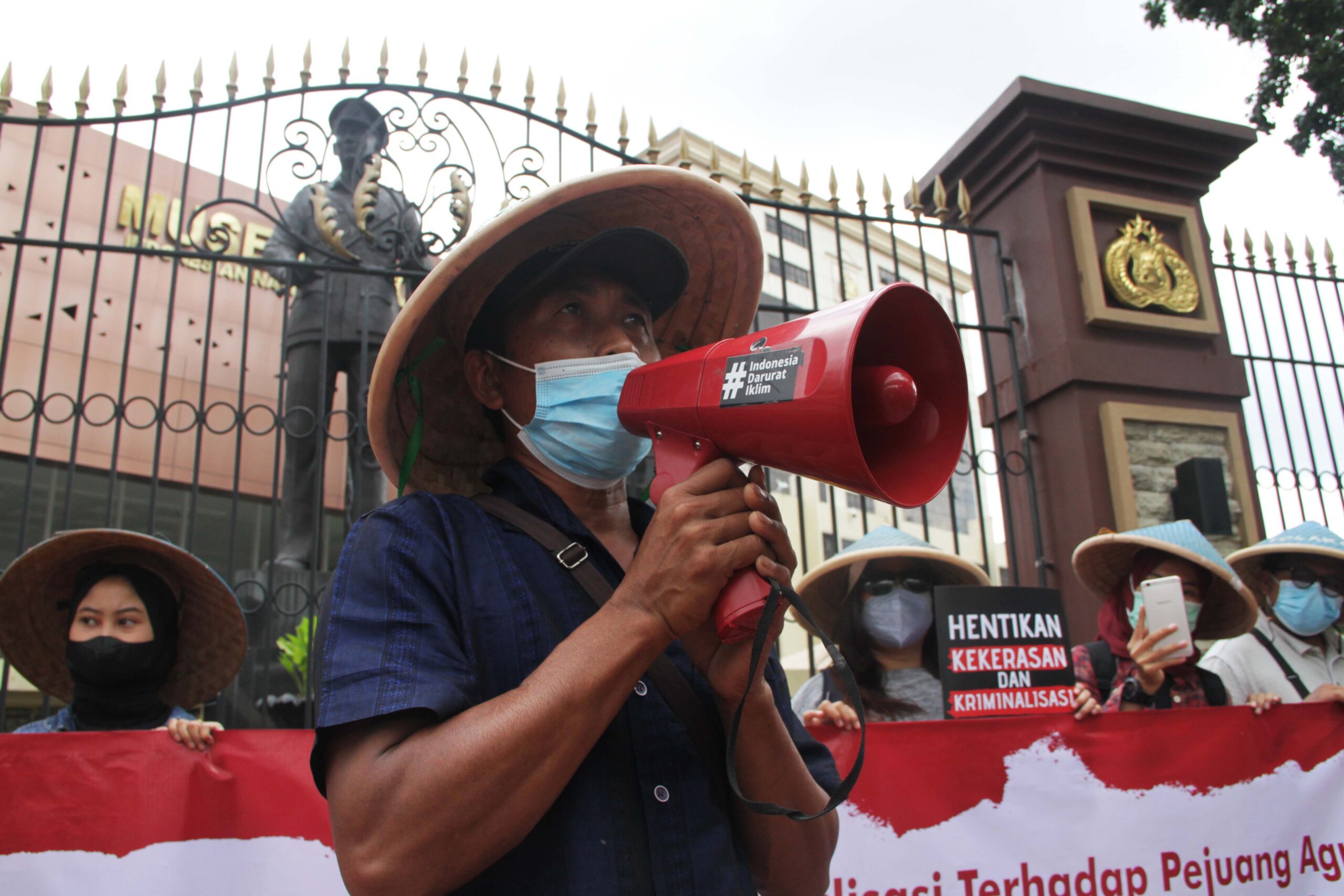
The human cost of these conflicts is significant. KPA reports that in 2025, 736 individuals faced violence or criminalization in the context of land disputes. This included 404 people facing criminal charges, 312 cases of physical assault, 19 individuals wounded by gunfire, and one fatality. These statistics suggest that the structural inequality Sajogyo identified in the 1970s has not been resolved but has instead evolved into a systemic clash between local communities and corporate or state interests.
Social Solidarity and the Path Forward
Sajogyo’s later work focused on the concept of "Social Solidarity." He argued that development should follow a path of "Equitable Distribution Plus," rooted in cross-layer social solidarity. He was a pioneer in the concept of community mentoring, a method first implemented during the Inpres Desa Tertinggal (IDT) program for underdeveloped villages. His philosophy was simple: to help the bottom layer, one must first identify exactly who they are, understand their specific needs, and then empower them to become self-reliant.
In his 1980 work, Rural Ecology, Sajogyo expanded his scope to include the environment, arguing that the relationship between rural communities and their natural surroundings was inseparable from their economic survival. He taught that studying a village required more than a biological or technical lens; it required an understanding of the social structures, food security, and power dynamics that governed how resources were used and who benefited from them.
A Living Legacy
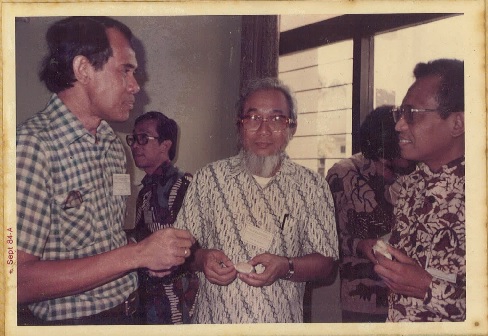
Sajogyo passed away on March 17, 2012, in Bogor, but his intellectual shadow looms large over current debates on social justice and ecological sustainability. Ahmad Jaetuloh, the current Executive Director of the Sajogyo Institute, emphasizes that "partiality toward the weakest groups in the countryside" remains the guiding principle of the institution.
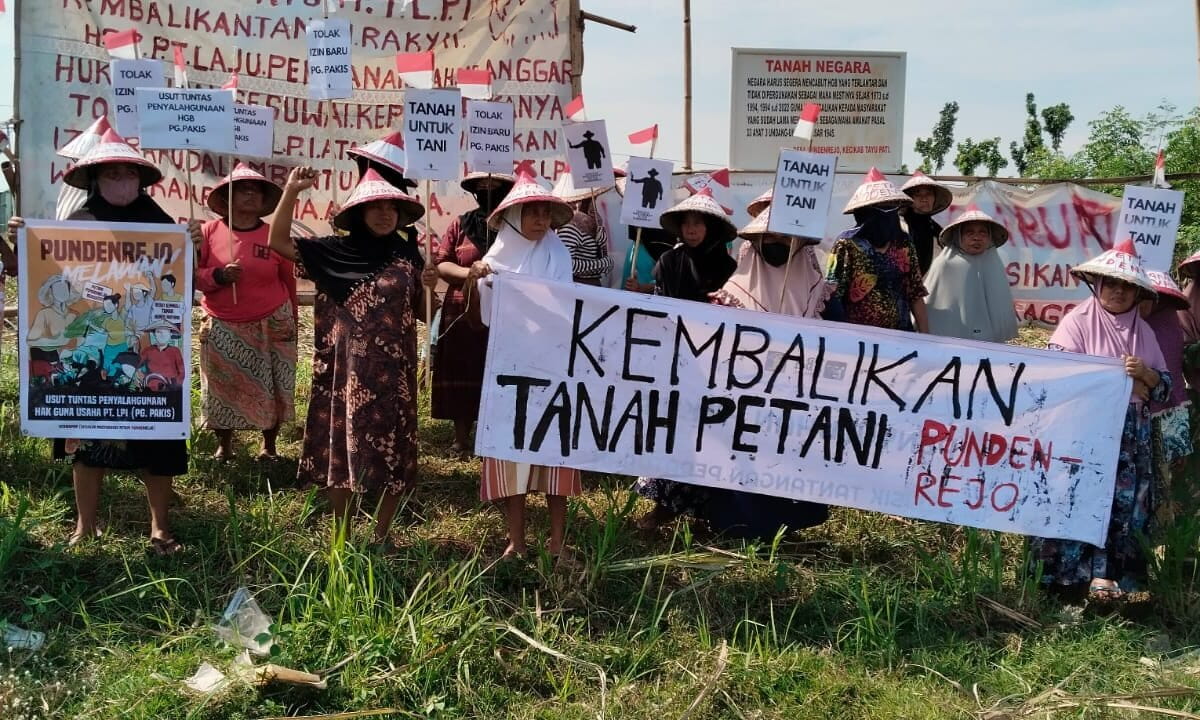
Today, the "Sajogyo perspective" is more than an academic exercise; it is a tool for survival for communities facing eviction or environmental degradation. As Laksmi Savitri points out, agrarian reform is not a destiny to be waited for, but a right that must be reclaimed. The ongoing conflicts in places like Pakel, Banyuwangi, or Pundenrejo, Pati—where farmers continue to demand the return of their ancestral lands from corporate concessions—are living evidence of the "structural poverty" Sajogyo described.
The centenary celebration of Sajogyo serves as a reminder that the "Father of Rural Sociology" did not just leave behind books and papers; he left behind a moral imperative. His life’s work challenges current and future generations of policymakers to look beyond the surface of modernization and ask: Who is being left behind? Until the "marginal" and the "weak" are granted secure access to the means of production—the land itself—Sajogyo’s mission remains an unfinished chapter in the story of Indonesian independence. His legacy demands a development model that is not built on the accumulation of the few, but on the solidarity and dignity of the many.