Azin Asro
The journey of Kia Corporation, a brand that has become synonymous with design-led innovation and sustainable mobility, traces its origins back to 1944. Initially established as Kyungsung Precision Industry by founder Kim Cheol-ho, the company began its existence not as an automaker, but as a manufacturer of steel tubing and bicycle parts. This humble beginning in the mid-20th century laid the groundwork for what would eventually become one of the most influential forces in the global automotive industry. Over the past 80 years, Kia has undergone a series of profound transformations, evolving from a domestic parts supplier into a global leader in electric vehicles (EVs) and advanced mobility solutions.
In 1952, the company underwent its first major identity shift, adopting the name Kia. The name itself, derived from Sino-Korean characters meaning "to rise out of Asia," signaled the brand’s early ambitions to look beyond its local borders. That same year, Kia launched the 3000-Liho, South Korea’s first domestic bicycle. This achievement was followed by a strategic expansion into motorized transport, including motorcycles and three-wheeled trucks, which provided the essential logistical backbone for South Korea’s post-war reconstruction. By 1973, Kia reached a pivotal milestone with the establishment of the Sohari Plant. Now known as AutoLand Gwangmyeong, this facility was South Korea’s first fully integrated automotive manufacturing plant, signaling the birth of the nation’s modern car industry.
The Dawn of Four-Wheeled Innovation and Global Expansion
The year 1974 marked Kia’s official entry into the passenger car market with the launch of the Kia Brisa. Built at the Sohari Plant, the Brisa became a symbol of South Korea’s burgeoning industrial capability. As the company moved into the 1980s and 1990s, it began to refine its product lineup for international tastes. In 1987, the Kia Pride was introduced, a model that would achieve significant success as a practical and affordable compact car. However, it was in 1993 that Kia truly disrupted the global market with the debut of the Kia Sportage. Recognized today as the world’s first "urban SUV," the Sportage combined the ruggedness of an off-road vehicle with the comfort and handling of a passenger sedan, effectively creating a segment that now dominates the global automotive landscape.
The late 1990s brought significant structural changes. Amidst the Asian financial crisis of 1997, Kia was integrated into the Hyundai Motor Group under the visionary leadership of Chung Ju-yung and Mong-Koo Chung. This merger provided the capital and technological synergy required for Kia to compete on a truly global scale. The brand’s trajectory shifted again in 2005 when Euisun Chung took office as the President of Kia. Under his tenure, the company launched a comprehensive "Design Management" strategy. A cornerstone of this era was the recruitment of Peter Schreyer as Chief Design Officer. Schreyer, a world-renowned designer, introduced the "Tiger Nose" grille, a signature design element that unified Kia’s product lineup and established a distinct, premium visual identity for the brand.
Celebrating 80 Years of Global Excellence and Award-Winning Design
To commemorate its 80th anniversary, Kia recently held a special ceremony at Kia Vision Square in South Korea. The event served as a reflective look at the company’s evolution into a pioneer of sustainable mobility. This milestone comes at a time when Kia is receiving unprecedented international acclaim. The brand’s commitment to innovation has been validated by a string of prestigious awards. In 2024, the Kia EV9, a flagship all-electric SUV, was named World Car of the Year, a testament to its cutting-edge technology and design. This followed the success of the EV6 GT, which was crowned World Performance Car in 2023. Additionally, the Kia Carens was recognized as the Indian Car of the Year in 2023, highlighting the brand’s ability to cater to diverse regional markets with high-quality, relevant products.
The shift toward electrification is not merely a trend for Kia but a core strategic pillar. Under its "Plan S" global strategy, Kia is aggressively transitioning its portfolio to battery electric vehicles (BEVs). The foundation of this transition is the Electric-Global Modular Platform (E-GMP), a dedicated EV architecture that allows for rapid charging, extended range, and superior interior space. This technological foundation ensures that Kia’s future models continue to deliver the performance and reliability that consumers have come to expect from the brand.
Twenty-Five Years of Growth and Adaptation in Indonesia
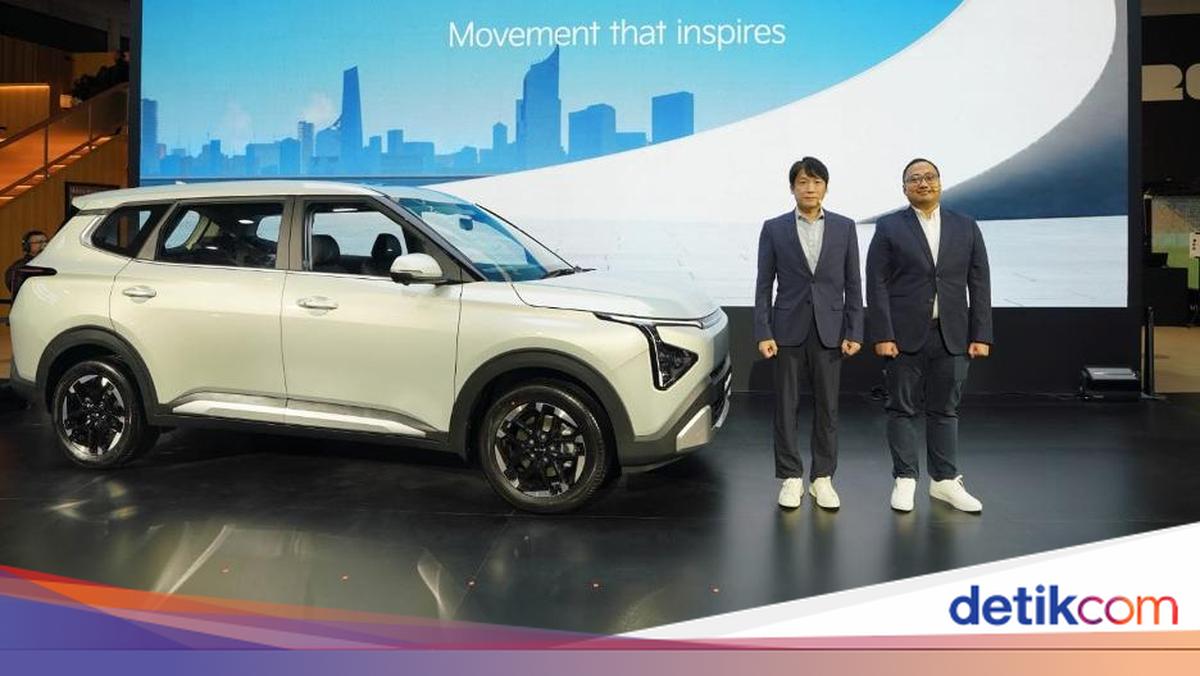
While Kia celebrates 80 years globally, the brand is also marking a significant quarter-century milestone in Southeast Asia’s largest economy. By 2025, Kia will have been present in the Indonesian market for 25 years. This period represents a journey of deep learning and adaptation to the unique cultural and economic dynamics of the Indonesian consumer. Over two and a half decades, Kia’s presence in the archipelago has evolved through four distinct phases:
The initial phase saw Kia introducing models that addressed fundamental mobility needs. Vehicles like the Kia Carnival MPV, the Picanto city car, and the Rio hatchback became familiar sights on Indonesian roads, known for their durability and value proposition. As the market matured, Kia entered an expansion phase, bringing updated generations of the Sportage and Rio to cater to a growing middle class that demanded better aesthetics and more advanced features.
The third phase was defined by a rapid response to the "SUV boom" in Indonesia. Recognizing that local consumers were shifting away from traditional sedans and toward versatile high-ground-clearance vehicles, Kia introduced the Seltos and the Sonet. These models successfully captured the compact SUV segment, offering a blend of modern features and rugged styling that resonated with urban Indonesian families.
The Modern Era: Drive Proud and Accessible Premium
Currently, Kia is in its fourth phase in Indonesia, characterized by a complete brand transformation. Under the stewardship of PT Kia Sales Indonesia (KSI), the official sole distributor, the brand has adopted the "Drive Proud" and "World Class Mobility" concepts. This strategy aims to position Kia as an "accessible premium" brand—offering global standards of quality, safety, and technology at price points that remain competitive within the national market.
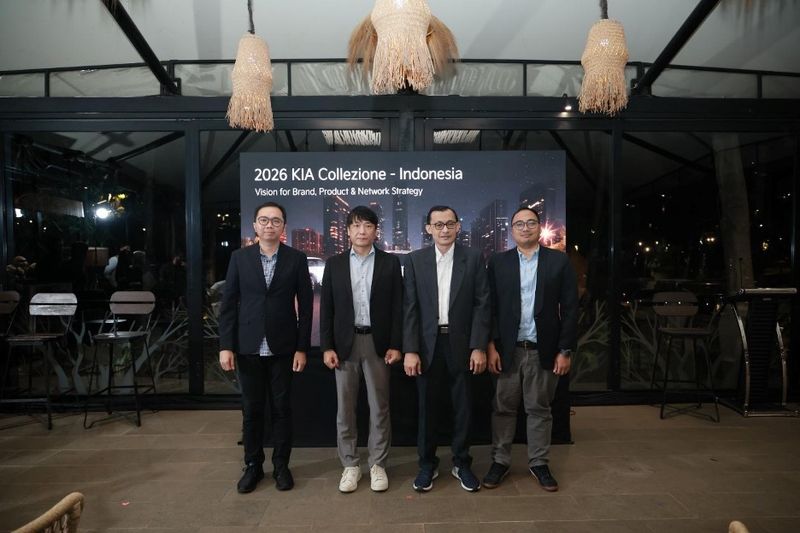
A key highlight of this new era was the 2026 Kia Collezione Indonesia, an event that served as a showcase for the brand’s future direction. This platform was used to communicate Kia’s transition from a traditional car manufacturer to a mobility provider that prioritizes customer experience and sustainable solutions. By aligning its local operations with global standards, Kia aims to foster a sense of pride among its Indonesian owners, ensuring that every vehicle reflects the brand’s 80-year heritage of excellence.
Strategic Future: Local Production and Electrification
Looking ahead, Kia Sales Indonesia has reaffirmed its long-term commitment to the country through a strategy that emphasizes local industrial integration. Indonesia is viewed as a strategic hub for the ASEAN region, and Kia plans to leverage this by accelerating its local production capabilities. A major component of this plan is the transition toward manufacturing within Indonesia to ensure a stable supply chain and more competitive pricing for local consumers.
Perhaps the most significant development in Kia’s Indonesian roadmap is the plan to produce a locally manufactured MPV EV (Multi-Purpose Vehicle Electric Vehicle). Given that the MPV segment is the most popular vehicle category in Indonesia, the introduction of an electrified version tailored to local needs represents a bold step toward mass-market EV adoption. This initiative aligns with the Indonesian government’s goal of becoming a regional hub for the EV ecosystem and reflects Kia’s "Plan S" objectives.
The future lineup will continue to utilize the E-GMP platform, ensuring that Indonesian consumers have access to the same world-class EV technology found in Europe and North America. By focusing on the MPV segment—a category that emphasizes family utility and space—Kia is positioning itself to lead the electrification of the Indonesian automotive mainstream.
Strengthening Market Presence Through National Exhibitions
To maintain its momentum and engage directly with consumers, Kia has maintained a consistent presence at major national automotive exhibitions. These events, such as the Gaikindo Indonesia International Auto Show (GIIAS) in Jakarta and Surabaya, as well as the Indonesia International Motor Show (IIMS), serve as critical touchpoints for the brand.
At these exhibitions, Kia does more than just display cars; it creates an environment where customers can interact with the brand’s latest innovations and learn about the benefits of electrification. The Jakarta Auto Week (GJAW) often serves as a year-end platform for Kia to reinforce its market position and preview upcoming models. These appearances are vital for building brand trust and demonstrating Kia’s readiness to meet the evolving demands of the Indonesian public.
Unparalleled After-Sales Support and Consumer Confidence
Beyond the products themselves, Kia’s success in Indonesia is built on a foundation of robust after-sales service. To provide "peace of mind" to its customers, Kia has introduced some of the most competitive service packages in the industry. This includes the "4 Years Free Service" program, which covers both labor and spare parts for scheduled maintenance, significantly reducing the cost of ownership for the first few years.
Furthermore, Kia offers a "7 Years or 200,000 km Warranty," one of the longest warranty periods available in the Indonesian market. This policy is a clear statement of the brand’s confidence in the build quality and reliability of its vehicles. By prioritizing the customer’s long-term experience, Kia is effectively building brand loyalty in a highly competitive landscape.
As Kia enters its ninth decade globally and its third decade in Indonesia, the brand remains focused on the intersection of design, technology, and sustainability. From the first bicycle in 1952 to the award-winning EV9 of today, Kia’s history is a testament to the power of constant reinvention. With a clear strategy for local production and a commitment to the electrification of popular vehicle segments, Kia is well-positioned to remain a dominant force in the Indonesian automotive industry for years to come.