Chalifah Fatihah
Thursday, May 28, 2026, 19:08 WIB
Jakarta, CNN Indonesia – While sleeping in a darkened room may seem like a daunting prospect for many, scientific evidence strongly suggests that it is the optimal condition for restful and restorative sleep. The quality of sleep, not just its duration, is crucial for overall health and well-being. An ideal sleep environment is characterized by a cool temperature, a quiet atmosphere, and, most importantly, minimal to no light exposure. However, a significant portion of the population reports discomfort or anxiety when faced with a completely dark room. This aversion, often dismissed as a simple fear of the dark, has deeper biological roots.
Dr. Keisha Sullivan, a sleep medicine physician, explains that darkness can trigger a genuine and measurable startle response in the brain, leading to the release of anxiety-elevating chemicals. When our visual senses are deprived, other senses become heightened, and the brain attempts to fill the void, potentially interpreting unfamiliar sounds as threats. This heightened sensory awareness in the absence of visual input can contribute to feelings of unease.
The Detrimental Effects of Sleeping with Lights On
Research compiled by the Sleep Foundation highlights several negative consequences associated with sleeping with lights on, impacting both our internal biological clocks and the fundamental processes of sleep itself.
Disruption of Circadian Rhythms
The body’s circadian rhythm, an internal 24-hour clock, governs numerous physiological processes, including our sleep-wake cycle. This rhythm is intricately linked to light exposure. Natural light, such as sunlight, synchronizes our circadian rhythm with the day-night cycle, promoting wakefulness during daylight hours and sleep at night. Conversely, excessive or mistimed exposure to artificial light can desynchronize this rhythm. This disruption can lead to fragmented sleep patterns, which in turn can negatively affect metabolism, contribute to weight gain, and increase the risk of cardiovascular issues. Studies have shown a direct correlation between increased screen time before bed and delayed sleep onset, underscoring the pervasive influence of artificial light on our sleep-wake cycles.
Impaired Melatonin Production
Melatonin, a naturally occurring hormone that induces sleep, is directly influenced by light. Exposure to light, particularly blue light emitted from electronic devices, can significantly slow down or even halt melatonin production. The body’s daily melatonin cycle is essential for regulating the circadian rhythm and establishing a stable sleep schedule. Optimal melatonin production, crucial for deep and uninterrupted sleep, requires a dark environment. Any artificial light at night can interfere with this vital hormonal process. The gradual decline in melatonin levels in the evening signals to the body that it is time to wind down, and this signal is effectively overridden by light.
Reduced Sleep Quality and Fragmentation
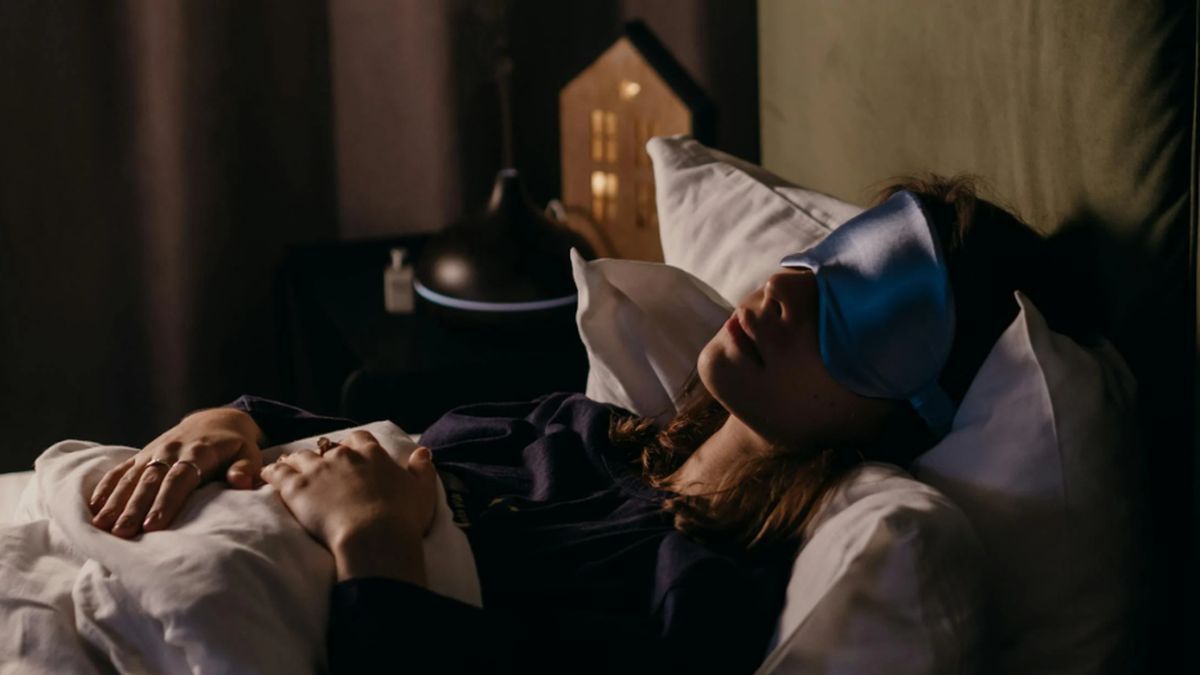
Even dim light exposure during sleep can impede the natural transitions between sleep cycles, leading to a significant reduction in overall sleep quality. This can manifest as frequent awakenings throughout the night, preventing the body from completing the restorative stages of sleep. Instead of utilizing sleep time for recovery and rejuvenation, individuals may find their sleep fragmented and less effective. Studies using polysomnography have demonstrated that even low levels of light can increase the number of awakenings and reduce the time spent in deep sleep stages, which are critical for physical and cognitive restoration.
Strategies for Adapting to Sleep in Darkness
The anxiety associated with sleeping in a completely dark room, while understandable, can be overcome with gradual adaptation and the implementation of specific strategies. By creating a more comfortable and predictable sleep environment, individuals can learn to embrace the benefits of darkness.
Gradual Light Reduction
A direct transition from a brightly lit room to complete darkness can be jarring. A more effective approach is to gradually dim the lights in the bedroom. This can be achieved by using dimmer switches, turning off overhead lights and relying on smaller, softer lamps, or progressively reducing the number of lights used in the hours leading up to bedtime. This gradual transition allows the body and mind to adjust more comfortably to diminishing light levels, easing the perceived abruptness of entering a dark environment.
Utilizing Softer Light Sources
For those who find complete darkness challenging, incorporating gentle, sleep-friendly light sources can be beneficial. This includes using lamps that emit warm-toned light, such as yellow or red hues, which are less disruptive to melatonin production than blue or white light. Alternatively, a very dim nightlight placed strategically in a hallway or a dim, indirect light source within the room can provide a sense of security without significantly impacting sleep quality. The key is to ensure these lights are as unobtrusive as possible and do not directly illuminate the sleeping area.
Establishing a Consistent Sleep Routine
A well-established and consistent sleep routine is fundamental to achieving restful sleep, regardless of light conditions. By training the body and brain to anticipate sleep at a particular time each night, the production of melatonin can be better regulated. A predictable routine signals to the body that it is time to wind down, making the transition into darkness feel more natural and less anxiety-provoking. This routine could include activities such as reading a book, taking a warm bath, or engaging in light stretching. The predictability of these actions helps to create a calming pre-sleep ritual.
Creating a Comfortable Sleep Sanctuary
To enhance comfort and ease the transition into darkness, focusing on other sensory inputs can be highly effective. This might involve playing soft, ambient music or white noise to mask potentially startling sounds. Ensuring the room is at a cool, comfortable temperature can also promote relaxation. For some, the tactile comfort of a favorite blanket or a weighted blanket can provide a sense of security and grounding. Engaging other senses in a calming manner can help to divert attention from any lingering anxieties about the darkness.
Implementing Relaxation Techniques
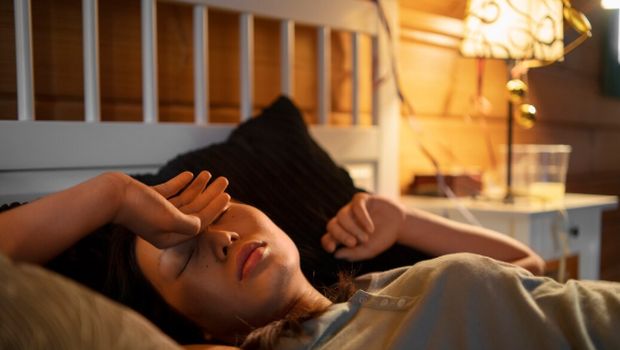
The initial release of stress hormones triggered by the perception of darkness can be managed through various relaxation techniques. The 4-7-8 breathing method, for instance, can be particularly effective. This technique involves inhaling deeply for a count of four, holding the breath for a count of seven, and exhaling slowly for a count of eight. This structured breathing pattern can help to slow the heart rate, reduce blood pressure, and calm the nervous system, mitigating the anxious response often associated with darkness. Other techniques like progressive muscle relaxation or guided imagery can also be beneficial in promoting a state of calm before sleep.
The Broader Implications of Light and Sleep
The implications of light exposure on sleep extend beyond individual well-being and have broader public health and societal consequences. As our modern lives become increasingly illuminated by artificial light, understanding and mitigating its negative impacts on sleep is paramount.
Global Sleep Trends and Challenges: A growing body of research indicates a global decline in sleep quality. Factors such as increased urbanization, longer working hours, and the ubiquitous presence of electronic devices have contributed to this trend. The World Health Organization (WHO) has recognized sleep deprivation as a significant public health issue, linking it to an increased risk of chronic diseases, accidents, and reduced cognitive function. Studies from institutions like the National Sleep Foundation in the United States have consistently reported that a substantial percentage of the adult population fails to meet the recommended 7-9 hours of sleep per night.
Economic Impact of Poor Sleep: The economic consequences of widespread sleep deprivation are substantial. Reduced productivity, increased healthcare costs, and a higher incidence of workplace accidents can be directly attributed to insufficient or poor-quality sleep. Estimates from various economic analyses suggest that sleep deprivation costs major economies billions of dollars annually in lost productivity and healthcare expenses. For example, a study by RAND Corporation estimated that sleep deprivation costs the U.S. economy between $280 billion and $420 billion per year.
Technological Interventions and Solutions: In response to these challenges, there is a growing interest in technological solutions to improve sleep. Smart home devices that can control lighting and temperature, wearable sleep trackers that monitor sleep patterns, and apps offering guided meditations and sleep soundscapes are becoming increasingly popular. However, it is crucial to remember that technology should augment, not replace, fundamental healthy sleep practices. The emphasis on creating a naturally conducive sleep environment, including darkness, remains a cornerstone of good sleep hygiene.
Public Health Initiatives and Education: Public health campaigns aimed at raising awareness about the importance of sleep and educating individuals on best practices for sleep hygiene are vital. These initiatives can empower people to make informed choices about their sleep environment and habits. Schools and workplaces can also play a role in promoting healthy sleep by encouraging regular sleep schedules and providing resources for sleep education. The long-term benefits of prioritizing sleep extend to improved public health, enhanced cognitive function, and a more resilient society.
In conclusion, while the thought of sleeping in complete darkness might initially evoke apprehension for some, the scientific rationale behind this practice is compelling. By understanding the biological mechanisms at play and implementing practical strategies for adaptation, individuals can harness the restorative power of darkness for improved sleep quality, enhanced health, and overall well-being. The collective effort to prioritize sleep and create environments that support it is an investment in a healthier and more productive future.