Azin Asro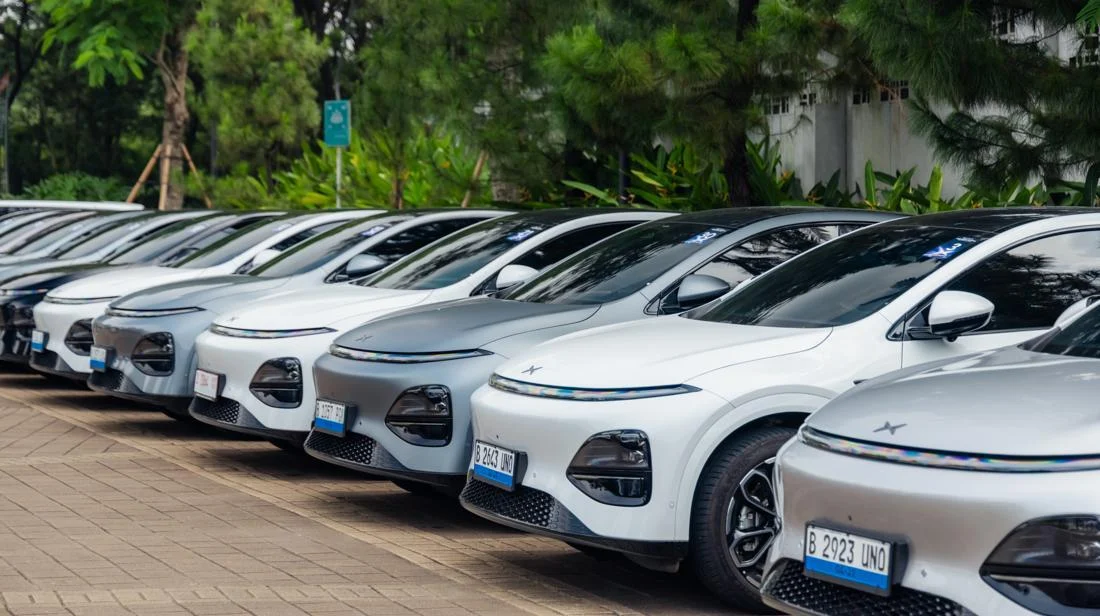
The landscape of the Indonesian automotive market is undergoing a significant transformation as a sharp increase in the price of non-subsidized diesel fuel prompts a growing number of vehicle owners to reconsider their reliance on internal combustion engines. This shift, characterized by a steady migration from high-performance diesel SUVs and MPVs to battery electric vehicles (BEVs), is becoming increasingly visible as the operational cost gap between traditional fossil fuels and electricity continues to widen. Industry experts suggest that this trend is likely to accelerate if global oil prices remain volatile and domestic fuel costs at the pump do not see a meaningful reduction in the near future.
Iki Wibowo, the Chief Executive Officer (CEO) of Xpeng Indonesia, recently confirmed this phenomenon, noting that a notable segment of their burgeoning customer base consists of former diesel vehicle enthusiasts. While precise quantitative data regarding the exact number of "converts" is still being compiled, the anecdotal evidence from showrooms and customer feedback sessions indicates a clear pattern of behavior. During a recent industry gathering in Bogor, West Java, Wibowo highlighted that many prospective buyers specifically cite the "exorbitant" cost of premium diesel as their primary motivation for switching to electric mobility.
The sentiment is rooted in a pragmatic assessment of daily expenses. For years, diesel engines were favored by Indonesian drivers for their high torque, fuel efficiency, and perceived durability, especially for long-distance travel across the archipelago. However, the economic advantage that once defined the diesel experience has been eroded by a series of price hikes driven by international geopolitical tensions and fluctuating global crude oil benchmarks.
The Geopolitical Context of Rising Fuel Costs
The current price surge in Indonesia’s fuel market cannot be viewed in isolation from global events. Since the escalation of conflicts in the Middle East, global oil markets have experienced heightened volatility. As a net importer of refined petroleum products, Indonesia is particularly susceptible to these fluctuations. The Indonesian Rupiah’s exchange rate against the U.S. Dollar also plays a critical role, as oil is traded globally in greenbacks, further inflating the cost of importing high-quality diesel components.
In the domestic market, this has manifested in unprecedented price points for non-subsidized diesel fuels—the types of fuel required by modern "common rail" diesel engines to maintain longevity and performance. Modern diesel engines, such as those found in the popular Toyota Fortuner or Mitsubishi Pajero Sport, require low-sulfur fuel like Pertamina Dex or Shell V-Power Diesel to avoid expensive fuel system repairs. Consequently, owners of these vehicles are the most exposed to price increases, as they cannot ethically or technically rely on the lower-quality subsidized Biosolar (B35) without risking engine damage.
A Comparative Analysis of Current Market Prices
As of the latest price adjustments, the cost of high-grade diesel in Indonesia has reached levels that many consumers describe as "irrational." State-owned energy firm Pertamina has adjusted its prices, with Dexlite now retailing at approximately Rp 26,000 per liter and Pertamina Dex reaching Rp 27,900 per liter. However, the disparity is even more pronounced at private fuel stations (SPBU).
International operators have pushed prices even higher. BP currently lists its Ultimate Diesel at Rp 29,890 per liter, while Shell and VIVO have both crossed the Rp 30,000 threshold, with V-Power Diesel and Primus Plus priced at Rp 30,890 per liter, respectively. These figures represent a historic high for the Indonesian consumer, effectively doubling or tripling the operational budget for many households and businesses that rely on premium diesel transport.
In stark contrast, the cost of recharging an electric vehicle remains relatively stable and significantly lower. Public Charging Stations (SPKLU), managed largely by the state electricity company PLN (Perusahaan Listrik Negara), offer electricity at a regulated rate. For standard charging or non-fast charging, the cost is approximately Rp 2,466 per kWh. Even with the addition of administrative fees or the use of Ultra-Fast Charging facilities, the cost per kilometer for an EV remains a fraction of its diesel counterpart.
The Economic Reality: Diesel vs. Electric Operational Costs
To illustrate the magnitude of the savings, industry analysts often point to the "400-kilometer test." A popular diesel vehicle in Indonesia, such as the Kijang Innova Reborn, typically achieves a fuel consumption rate of 11 to 14 kilometers per liter, depending on traffic conditions and load. To cover a distance of 400 kilometers, such a vehicle requires roughly 30 liters of fuel. At the current price of premium diesel (averaging Rp 30,000 per liter), the fuel cost for this single journey amounts to approximately Rp 900,000.
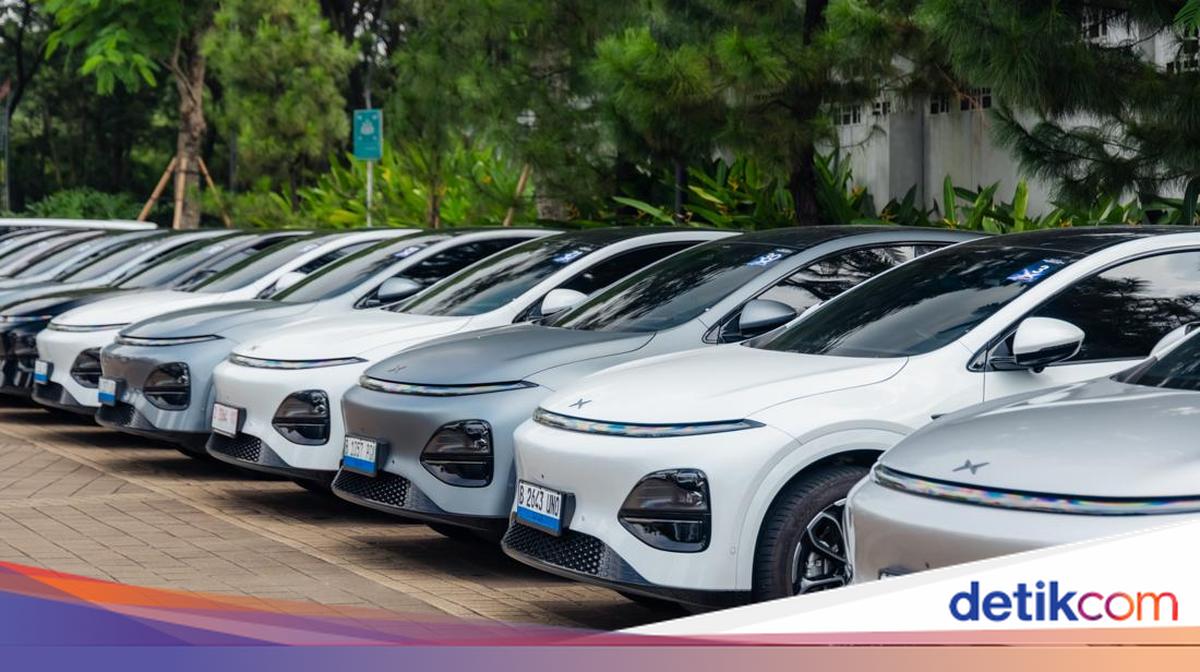
Conversely, a modern electric vehicle with an average efficiency of 6 to 7 kilometers per kWh would require roughly 60 to 65 kWh to cover the same 400-kilometer distance. At the standard SPKLU rate of Rp 2,466 per kWh, the total cost for the journey would range between Rp 150,000 and Rp 170,000. This calculation reveals that operating an EV is currently five to six times cheaper than operating a premium diesel vehicle in the Indonesian context.
Beyond the immediate cost of fuel, the "hidden" costs of diesel ownership are also coming under scrutiny. Diesel engines require regular maintenance of fuel filters, oil changes with specific synthetic lubricants, and the cleaning of Exhaust Gas Recirculation (EGR) systems—all of which add to the total cost of ownership. EVs, with significantly fewer moving parts, offer a reduction in long-term maintenance expenses, further incentivizing the transition.
Government Policy and Infrastructure Expansion
The Indonesian government has been proactive in encouraging this shift, viewing the adoption of EVs as a dual solution to reducing carbon emissions and narrowing the current account deficit caused by fuel imports. Various incentives have been implemented, including Value Added Tax (VAT) cuts on the sale of locally produced EVs and exemptions from "odd-even" traffic restrictions in Jakarta.
Furthermore, the infrastructure for electric vehicles is expanding at an aggressive pace. PLN, in collaboration with private entities, has been installing SPKLUs at shopping malls, office complexes, and rest areas along the Trans-Java and Trans-Sumatra toll roads. The goal is to alleviate "range anxiety," which has historically been the primary deterrent for potential EV buyers. As the network of fast-chargers grows, the logistical argument for staying with diesel—namely the ease of refueling—is beginning to weaken.
Market Entry and Consumer Sentiment
The entry of new players like Xpeng, BYD, and GAC Aion into the Indonesian market has provided consumers with a wider range of choices across various price points. These manufacturers are not only selling cars but are also marketing a lifestyle shift. Iki Wibowo of Xpeng Indonesia noted that the "diesel-to-electric" sentiment is particularly strong among tech-savvy urban professionals who are sensitive to both environmental impact and monthly cash flow.
"The sentiment is definitely there," Wibowo remarked. "When you fill up a diesel tank today, you really feel the impact on your wallet. It’s a visceral experience at the pump that makes the silent, low-cost operation of an EV look very attractive."
This sentiment is echoed by automotive observers who suggest that the Indonesian market is reaching a tipping point. While the initial purchase price of an EV can still be higher than a comparable internal combustion engine (ICE) vehicle, the "break-even" point—the time it takes for fuel savings to offset the higher sticker price—is shrinking rapidly as diesel prices climb toward Rp 31,000 per liter.
Broader Implications and Future Outlook
The mass migration from diesel to electric has broader implications for the Indonesian economy. A reduction in diesel demand could lead to a shift in refinery priorities for Pertamina and may impact the logistics sector, which still relies heavily on subsidized Biosolar. However, for the passenger vehicle segment, the trend appears irreversible unless there is a dramatic and sustained collapse in global oil prices.
Analysts predict that if diesel prices remain at their current levels for the next 12 to 18 months, the resale value of high-displacement diesel SUVs may begin to soften, as the second-hand market becomes wary of high running costs. This, in turn, could drive even more consumers toward the EV market as they look to "exit" their diesel investments before depreciation accelerates.
In conclusion, the "crazy" rise in diesel prices is acting as an involuntary catalyst for Indonesia’s green energy transition. What started as a niche movement for early adopters is fast becoming a mainstream economic strategy for Indonesian car owners. As the CEO of Xpeng Indonesia suggested, the transition is no longer just about being environmentally conscious; it is about financial survival in an era of volatile energy costs. With the cost of a 400-kilometer trip dropping from nearly a million rupiahs to less than two hundred thousand, the math for the Indonesian driver has never been simpler.