Chalifah Fatihah
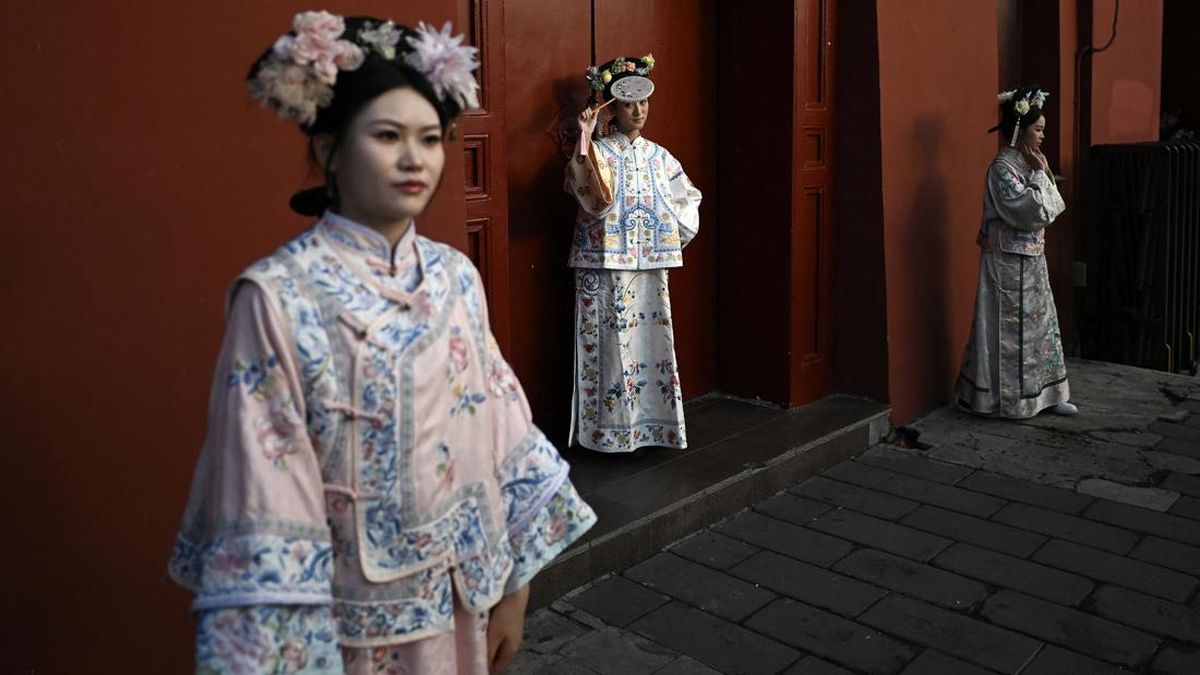
Beijing, China – A captivating transformation is sweeping through Beijing’s historic tourist sites, with visitors increasingly donning elaborate traditional Chinese attire, reminiscent of emperors and empresses of bygone eras. This burgeoning trend, particularly noticeable in iconic locations like the Forbidden City, is significantly boosting the rental and makeup businesses specializing in historical costumes. The phenomenon is largely attributed to the surging popularity of Chinese historical dramas, known as "dracin," which have ignited a widespread fascination with China’s rich cultural heritage and aesthetic.
The sight of tourists elegantly attired in flowing robes adorned with phoenix embroidery, complemented by jade pendants and pearl accessories, has become a common and picturesque scene within the ancient walls of the Forbidden City. Chen Jiao, a makeup artist working at a studio conveniently located near the palace complex, has witnessed this trend firsthand, meticulously transforming numerous tourists into figures from China’s imperial past.
"Visits can be incredibly busy during peak seasons, especially on holidays and weekends," Chen shared, as reported by the Associated Press. Her workday often begins as early as 6 a.m., as she meticulously prepares up to 24 young women each day. The demand is so consistent that downtime is minimal, typically only occurring when the Forbidden City itself closes for the day.
The transformation process is comprehensive. Visitors meticulously select outfits inspired by historical dynasties, often opting for robes embellished with intricate phoenix motifs, symbolic of imperial power and grace. These are accessorized with traditional elements such as jade pendants and lustrous pearls. The ensemble is further enhanced by elaborate hairstyles, carefully styled to reflect specific eras or dynasties, and adorned with ornate hairpins and ornaments. A striking detail often included are the long, golden nail guards, once worn by royalty to protect their manicured nails, adding an authentic touch to the imperial persona.
The financial investment for this immersive experience is substantial, with rental and makeup packages averaging around 300 yuan (approximately $40 USD), and sometimes exceeding a thousand yuan (over $130 USD) for more luxurious options. Once adorned, these "emperors" and "empresses" then proceed to various scenic spots within the Forbidden City and its surroundings to capture their transformed appearances through photographs and videos. Interestingly, many visitors artfully blend the traditional aesthetics of their costumes with modern touches, incorporating elements like designer sunglasses, stylish sneakers, or even posing with contemporary favorites like bubble tea, creating a unique juxtaposition of past and present.
This surge in interest in traditional Chinese clothing is not a fleeting trend; it represents a growing appreciation among younger generations for China’s historical narratives and the visual splendor of its past. In Beijing, the most sought-after costumes are typically inspired by the Ming and Qing dynasties, the last two imperial dynasties to rule China. The Ming Dynasty (1368-1644) is credited with the construction of the Forbidden City and the significant expansion of the Great Wall, leaving an indelible mark on China’s landscape. The Qing Dynasty (1644-1912), established by the Manchu people, reigned for over two and a half centuries, shaping much of China’s late imperial history.
"Young Chinese people have discovered the aesthetic appeal of traditional clothing while simultaneously learning about China’s rich cultural heritage," explained Cai Zehong, founder of Hanfu Beijing, an early association dedicated to promoting ancient Chinese attire. This growing sentiment underscores a deeper connection being forged between cultural identity and historical representation.
The undeniable influence of dracin on this trend cannot be overstated. Chen, who herself is an avid viewer of these dramas, observes that a significant portion of her clientele express their desire to emulate the characters and settings they see on screen. The immersive storytelling and visually stunning depictions of imperial life in these dramas have directly translated into a tangible demand for historical costumes.
The studio where Chen works is just one among a proliferation of similar establishments that have sprung up around the Forbidden City. Local media reports indicate that as recently as 2020, the number of such costume rental studios operating in the vicinity was considerably smaller, highlighting the rapid expansion of this niche market.
Liu Ruitong, a university student from Hebei Province, exemplifies the younger demographic embracing this trend. She opted for a black Ming Dynasty-style costume, appreciating its perceived elegance and dignity. "I feel this appearance is very elegant and dignified, especially with its color palette," Liu remarked. "I chose black because it complements the Forbidden City perfectly and aligns with the general traditional Chinese aesthetic." Her choice reflects a thoughtful consideration of how the costume interacts with its historical backdrop, enhancing the overall immersive experience.
The Economic Ripple Effect: A Boom in Rental and Beauty Services
The burgeoning popularity of traditional Chinese costume rentals has created a significant economic boon for local businesses. Studios like Chen Jiao’s are experiencing unprecedented demand, leading to the establishment of new ventures and the expansion of existing ones. This has not only created jobs for makeup artists, stylists, and costume designers but has also spurred related industries.
The demand for specialized makeup and hairstyling services, tailored to historical accuracy and aesthetic appeal, has grown exponentially. These services go beyond simple application, often involving intricate techniques to replicate ancient beauty standards, including delicate eyebrow shaping, specific color palettes for eyeshadow and lipstick, and elaborate hair arrangements that require considerable skill and time.
Furthermore, the trend has fostered a market for accessories, ranging from intricate hair ornaments and ornate jewelry to embroidered bags and traditional footwear. Local artisans and designers are finding new avenues to showcase their craftsmanship, creating bespoke pieces that cater to the discerning tastes of tourists seeking an authentic experience.
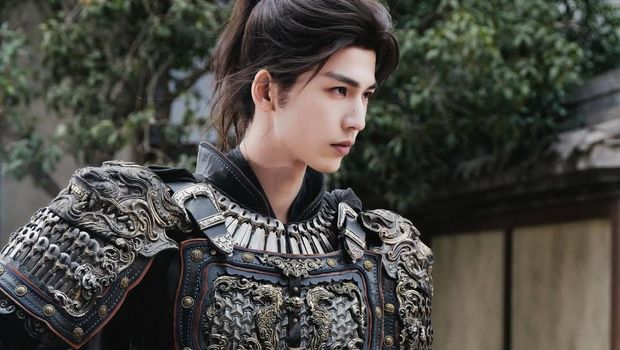
Cultural Reawakening: Dracin as a Catalyst for Heritage Appreciation
The rise of dracin and the subsequent embrace of traditional costumes represent more than just a fleeting tourist fad; they signify a broader cultural reawakening. These dramas, often meticulously researched and visually stunning, provide accessible and engaging gateways for younger generations to connect with their history and cultural roots.
Dracin often explore themes of loyalty, romance, political intrigue, and personal growth against the backdrop of imperial China. The elaborate costumes, historically accurate settings, and compelling narratives combine to create a powerful and immersive viewing experience. This has led to a phenomenon where viewers become inspired to not only consume the content but also to actively participate in recreating aspects of that world.
The "Hanfu movement," a grassroots initiative promoting the wearing of traditional Han Chinese clothing, has also seen a significant surge in popularity in recent years, further fueled by the dracin phenomenon. This movement seeks to revive and popularize traditional attire as a form of cultural expression and identity. The costume rental services at tourist sites can be seen as an extension of this broader trend, making traditional clothing accessible and fashionable for a wider audience.
Broader Implications and Future Outlook
The convergence of tourism, popular culture, and historical appreciation presents a unique opportunity for China to showcase its rich heritage on a global stage. The economic benefits are tangible, but the cultural implications are perhaps even more profound. By engaging with history through immersive experiences like costume rentals, tourists gain a deeper understanding and appreciation for China’s past.
This trend also offers valuable insights into the power of media and entertainment in shaping cultural perceptions and driving consumer behavior. The success of dracin in influencing tourism and cultural engagement suggests a potential model for promoting other aspects of Chinese culture and history.
As the popularity of dracin continues to grow and more tourists seek authentic cultural experiences, the demand for traditional costumes and related services in Beijing and other historical cities is likely to remain robust. This phenomenon underscores the enduring appeal of history and the powerful role that popular culture plays in bridging the past with the present, creating vibrant and engaging experiences for a new generation of cultural explorers. The image of tourists transformed into historical figures wandering through ancient palaces is more than just a photo opportunity; it is a testament to the enduring power of heritage and the innovative ways it can be experienced and celebrated in the modern world.