Chalifah Fatihah
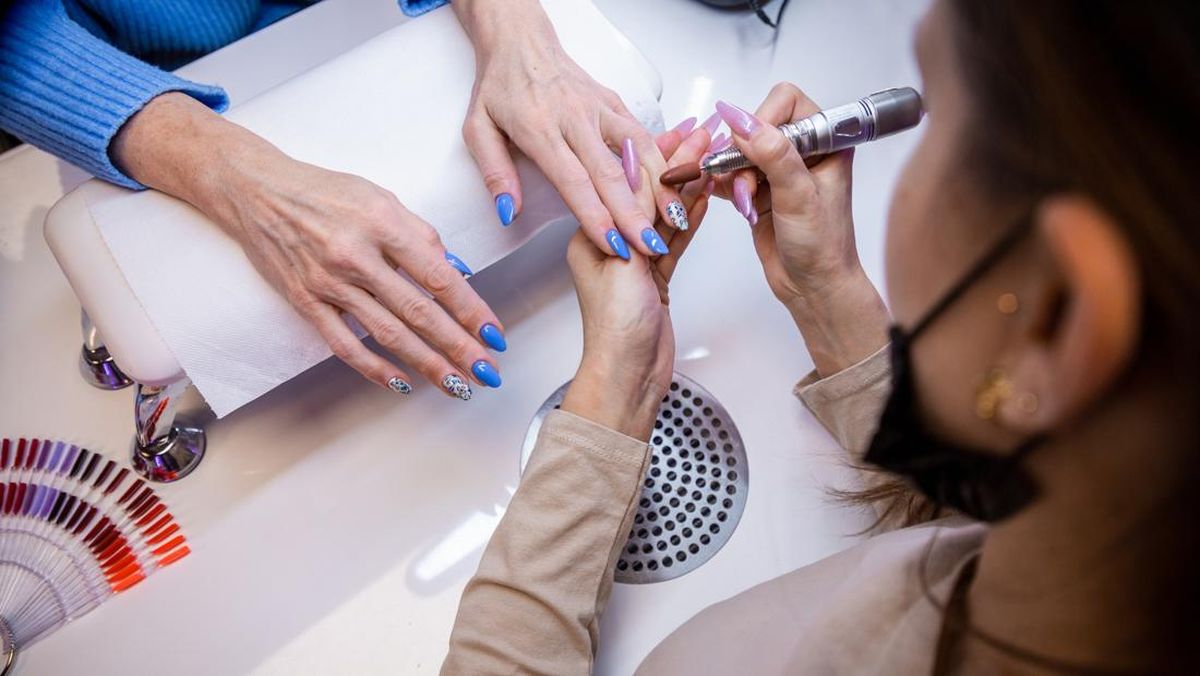
A concerning case has emerged from social media, highlighting a potential link between routine gel manicures and the development of skin cancer. A 52-year-year-old woman was diagnosed with early-stage skin cancer after consistently visiting beauty salons for nail treatments over an 18-year period. The core of the concern lies in the prolonged and regular exposure to ultraviolet (UV) nail lamps, a standard tool used to cure gel polish. This incident has prompted dermatologists to weigh in on the risks associated with these devices and the cumulative effects of UV radiation on the skin.
The story first gained traction on the social media platform Threads, shared by user Rizqa Febriliany Putri. She detailed the experience of the woman, whose identity has not been fully disclosed beyond her age. The woman’s routine involved frequent nail painting, necessitating the use of UV nail lamps to expedite the drying and hardening process of the gel polish. Over time, she began to notice unusual lesions on her hands and feet. These lesions eventually developed into small lumps, characterized by thickening, roughness, and a scaly texture. A subsequent biopsy confirmed the presence of early-stage cutaneous squamous cell carcinoma (SCC) in situ, along with actinic keratosis (AK), which are considered pre-cancerous lesions directly linked to UV radiation damage.
Expert Analysis: Unpacking the UV Nail Lamp Risk
Dermatologists emphasize that while this case is a stark reminder of potential risks, it does not definitively prove UV nail lamps as the sole causative agent for skin cancer. Dr. I Gusti Nyoman Darmaputra, a specialist in dermatology and venereology, commented on the situation, suggesting that the consistent use of UV nail lamps every three weeks for 18 years likely contributed to an accumulation of UV exposure on the woman’s hands. "The findings of AK themselves are a sign of chronic UV damage to the skin," Dr. Darmaputra explained, as reported by detikHealth.
Further analysis of the case points to the woman’s skin type as a significant contributing factor. The images shared on Threads suggested that the woman has a fair complexion, falling within Fitzpatrick phototypes I-II. Individuals with lighter skin possess lower levels of melanin, the pigment that provides natural protection against UV radiation. Consequently, they are inherently more susceptible to DNA damage induced by UV exposure. Dr. Darmaputra elaborated that for the same level of UV exposure, individuals with fair skin face a higher risk of DNA damage, AK development, and non-melanoma skin cancers compared to those with darker skin tones.
Understanding UV Radiation and Nail Lamps
It is important to differentiate between the types of UV radiation. Most UV nail lamps emit UVA radiation. While UVA radiation is generally considered less intense and poses a lower risk than direct sunlight, its cumulative effects over extended periods cannot be ignored. "However, repeated long-term exposure can still lead to photoaging, pigmentation, and cumulative DNA damage," Dr. Darmaputra cautioned. The primary function of these lamps is to cure the photopolymer in gel nail polish, which requires UV light to initiate a chemical reaction that hardens the polish. The intensity and duration of exposure are key variables in determining the potential for harm.
The typical curing time for gel polish under a UV lamp ranges from 30 seconds to two minutes per nail, often with multiple coats requiring repeated exposure. When this is done regularly, such as every few weeks for nearly two decades, the cumulative dose of UV radiation can become substantial. While the scientific community has extensively documented the link between UV radiation and skin cancer, particularly from sources like tanning beds and prolonged sun exposure, the specific risk profile of UV nail lamps has been a subject of ongoing research and discussion.
A Timeline of Exposure and Concern
The reported timeline in this case is crucial for understanding the potential progression of UV-induced skin damage:
- Early Stages (Approximately 18 years prior to diagnosis): The woman begins a routine of getting gel manicures at salons, involving regular application of gel polish and curing under UV nail lamps.
- Ongoing Exposure: This routine continues for approximately 18 years, with treatments likely occurring every 3-4 weeks.
- Development of Lesions: Over time, the woman notices the appearance of unusual lesions on her hands and feet.
- Progression to Lumps: These lesions evolve into small, thickened, rough, and scaly lumps.
- Medical Consultation and Diagnosis: Seeking medical advice, the woman undergoes a biopsy of the affected areas.
- Biopsy Results: The biopsy confirms the presence of early-stage cutaneous squamous cell carcinoma (SCC) in situ and actinic keratosis (AK).
- Public Disclosure: The case is shared on social media, raising public awareness and concern.
- Expert Commentary: Dermatologists provide insights into the potential role of UV nail lamps, individual risk factors, and preventative measures.
Supporting Data and Related Research
While the specific case reported is anecdotal, it aligns with growing scientific inquiry into the dermatological implications of UV nail lamps. Several studies have begun to explore the mutagenic potential of UV light emitted from these devices. A study published in the journal JAMA Dermatology in 2014 found that DNA damage occurred in human cells exposed to UV nail lamps, and that the risk of developing skin cancer from these devices, while likely lower than from tanning beds, is not negligible. Researchers have also noted that the bulbs in these lamps degrade over time, potentially altering their UV output, though this does not necessarily mitigate the risk.
The International Agency for Research on Cancer (IARC) classifies UV radiation as a Group 1 carcinogen, meaning it is definitively carcinogenic to humans. This classification is primarily based on evidence linking UV exposure to melanoma and non-melanoma skin cancers, such as basal cell carcinoma and squamous cell carcinoma. The mechanisms involve UV photons damaging DNA, leading to mutations that can drive uncontrolled cell growth.
Broader Impact and Implications for Consumers
This case is likely to cause apprehension among the millions of individuals who regularly patronize nail salons for gel manicures. The convenience and aesthetic appeal of long-lasting gel polish have made it a popular choice, often without consumers fully considering the potential long-term health implications of the curing process.
In response to these concerns, Dr. Darmaputra offered practical advice for consumers: "It is recommended to apply sunscreen with a minimum SPF of 30 to 50 on the back of the hands about 15-20 minutes before the session begins." This simple measure can provide a degree of protection against UV penetration. He also reiterated that the risk of developing cancer is not typically associated with a single or occasional gel manicure session. Instead, it is the cumulative effect of UV exposure throughout one’s life that significantly influences cancer risk.
The implications extend to the beauty industry as well. Salons may face increased scrutiny regarding the safety of their equipment and practices. There could be a push for the development and adoption of alternative curing technologies that do not rely on UV radiation, or for enhanced safety protocols, such as offering UV-protective gloves to clients. Consumer awareness campaigns highlighting the importance of sun protection, even during seemingly brief exposures, are also crucial.
Looking Ahead: Prevention and Future Research
The incident serves as a catalyst for further research into the long-term safety of UV nail lamps. Studies are needed to establish clear dose-response relationships, understand individual susceptibility, and compare the risks posed by different types of UV lamps and curing technologies.
In the meantime, prioritizing skin health remains paramount. For individuals who frequently undergo gel manicures, adopting preventative measures is advisable. This includes:
- Sunscreen Application: Regularly applying broad-spectrum sunscreen with a high SPF to the hands before UV lamp exposure.
- UV-Protective Gloves: Utilizing fingerless gloves specifically designed to block UV radiation, which are increasingly available for use during nail treatments.
- Limiting Frequency: Considering reducing the frequency of gel manicures if concerns persist.
- Alternative Treatments: Exploring gel polish brands that air-dry or using traditional nail polish options.
- Regular Skin Self-Exams: Performing routine checks of the skin on hands and feet for any suspicious moles, lesions, or changes, and consulting a dermatologist if any concerns arise.
While the exact contribution of UV nail lamps to the woman’s diagnosis remains a complex interplay of factors, this case underscores the importance of being informed about the products and procedures we use and understanding the potential cumulative effects of environmental exposures on our health. The conversation initiated by this social media post is a vital step towards greater awareness and proactive skin protection in the realm of beauty treatments.